
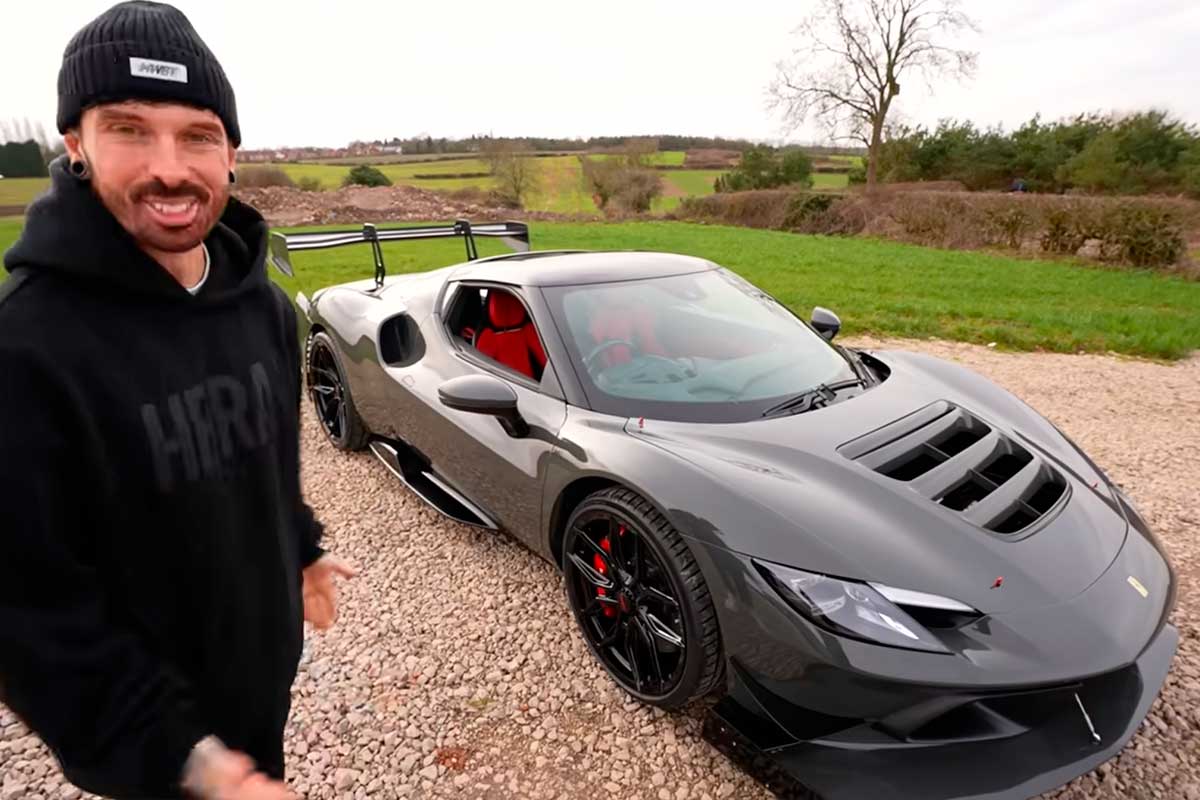
When Mat Armstrong puts his hand on his Ferrari 296 GTB, He knows he's not just buying a wrecked supercar. He's getting his hands on a real puzzle: an 830hp hybrid engine, a car packed with electronics, ECUs, safety protocols... and a very specific philosophy. Ferrari everything must remain under control.
A few months earlier, the story already sounded like something out of a movie. A British 296 GTB shipped to Cyprus, an over-confident owner who cuts the aids on the open road, a violent collision, a car ripped apart, suspension ripped out, floor pierced, wiring wires ripped out. The local Ferrari dealership examines the car, announces an “astronomical” estimate... then drops the killer line: repairing such a damaged 296, in the network, is not really possible. Mat hears exactly the opposite: challenge accepted.
A Ferrari “condemned”, a stubborn YouTubeur
The project began as an unlikely rescue mission. Mat arrives with original parts, puts the car back on four wheels, replaces components, moves on... and soon comes up against the real problem: the 296 simply refuses to “light up” properly.
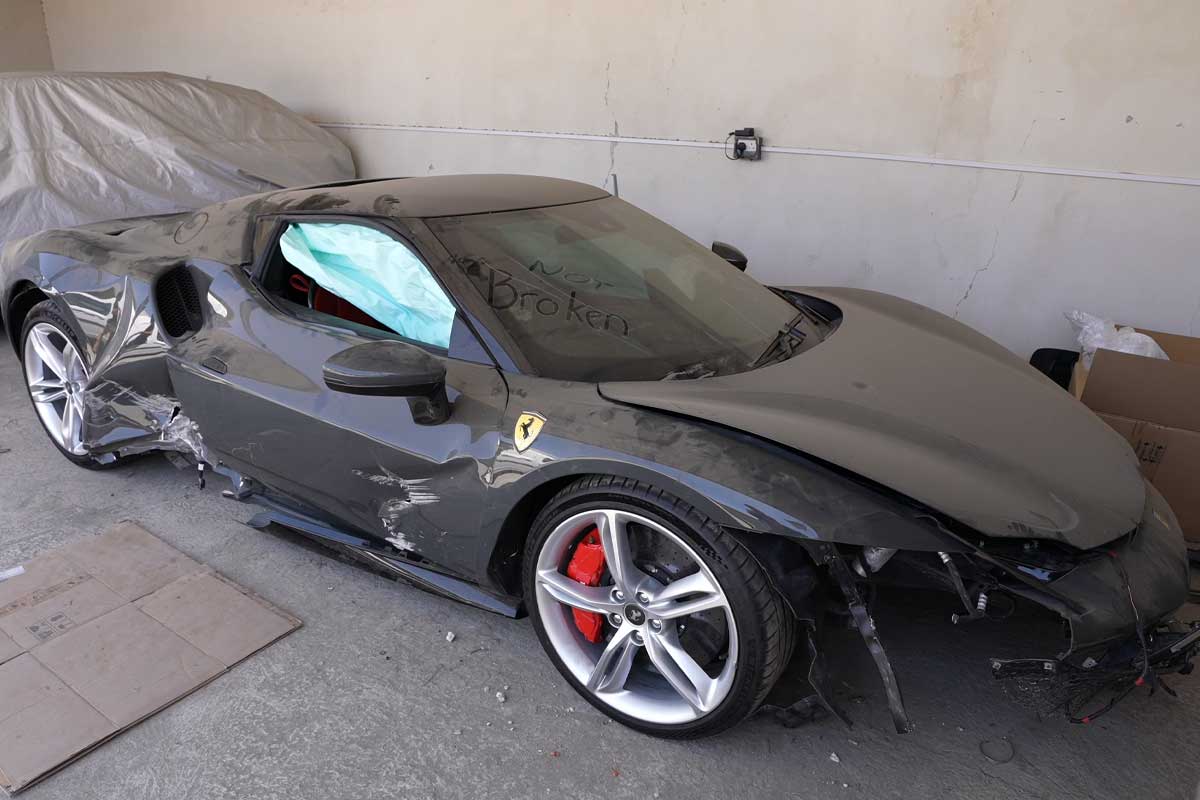
Where a combustion-powered supercar eventually starts up (albeit badly), the Ferrari hybrid plays a different game. A dashboard that reads “Hybrid system failure, go to dealer”, capricious communication, a diagnosis that won't take hold, as if the car were deliberately asleep. Mat first suspects the famous pyrotechnic fuse that cuts off the high voltage after a shock, but his trail closes.
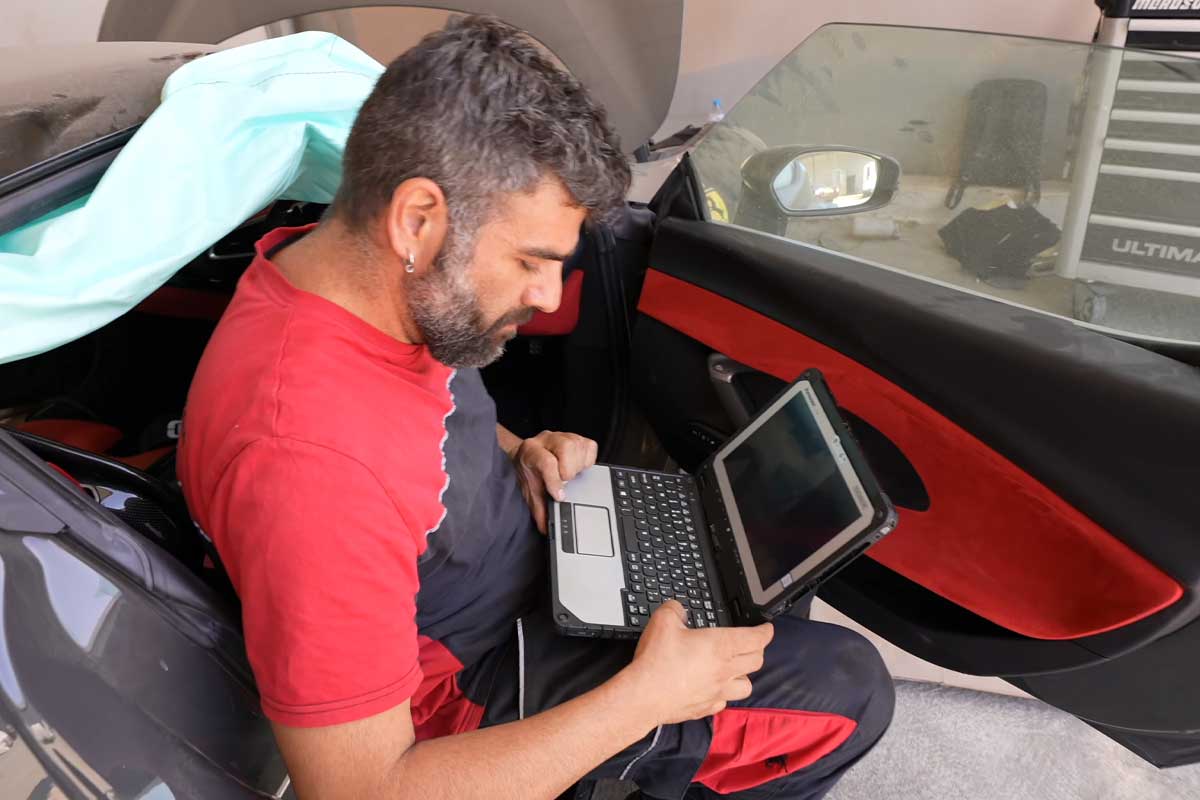
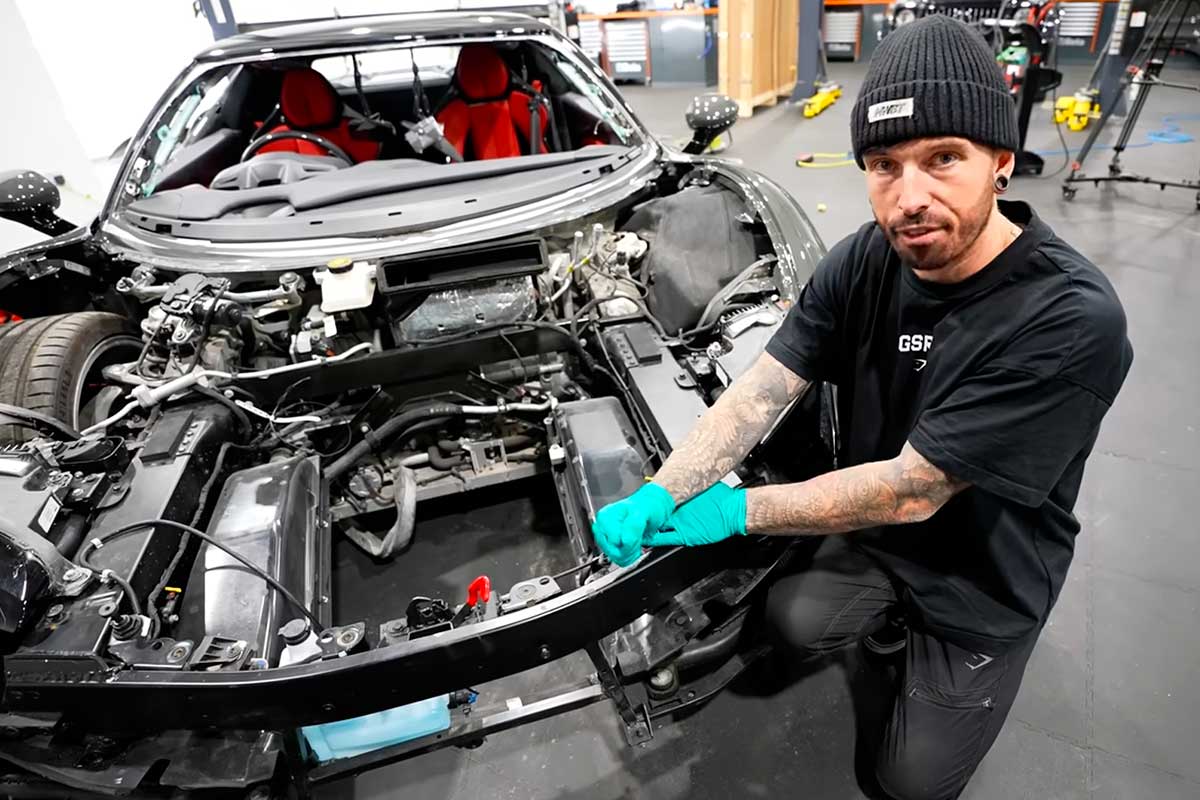
In his latest video, Mat shows the hybrid battery being discharged from the car, and above all the battery management module (BMS), the “brain” that decides whether high voltage is allowed to power the rest of the system. His theory: if this module refuses, nothing will work. Problem: even airbag specialists, capable of managing ECUs and crash data, tell him that ’nobody really knows how to talk to these modules“ outside the manufacturer's network. In other words: without Ferrari, good luck.
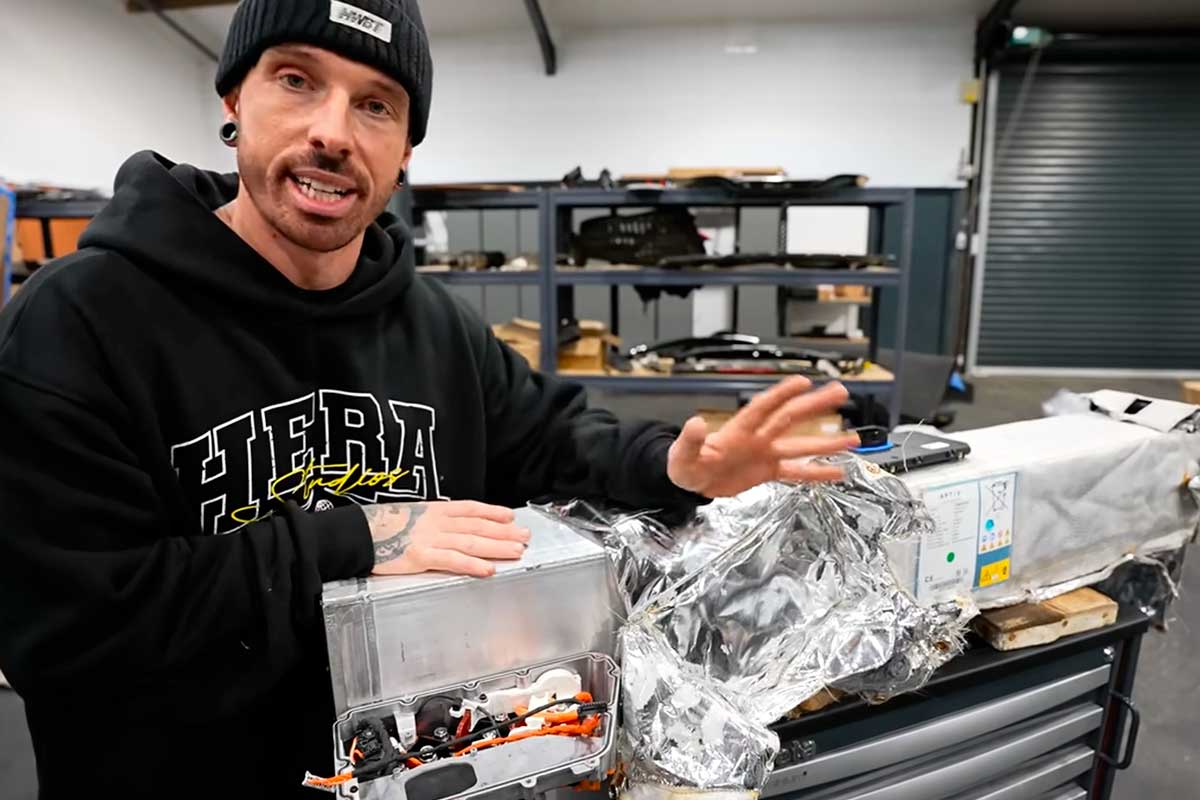
And that's when Mat realizes that he's stuck in a paradox: for Ferrari to agree to help, the car has to be complete. But for the car to become “complete”, he has to invest even more... with no guarantee that it will ever start.
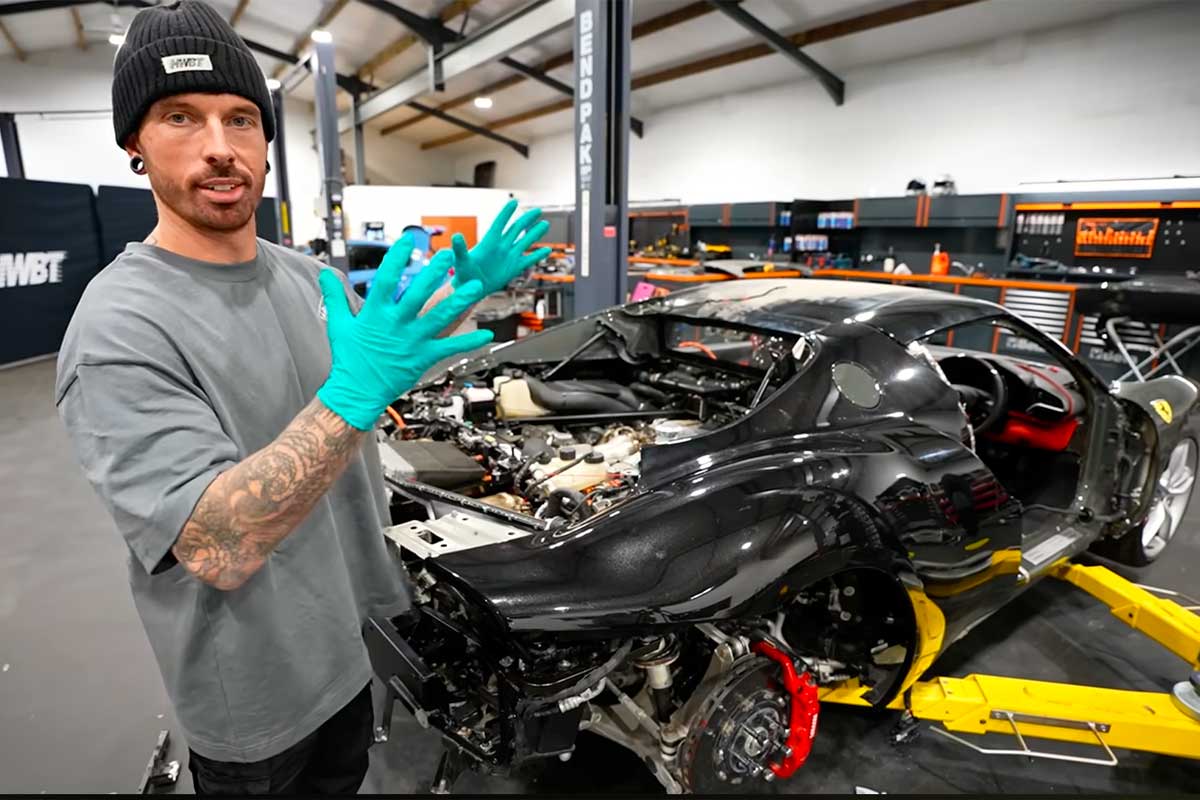
It is then methodically reassembled. The hybrid battery is returned to its housing. The orange high-voltage lines are reconnected. The missing airbags arrive and are installed. The seats are reinstalled, with their connectors. He puts back a headlight, the bumpers...
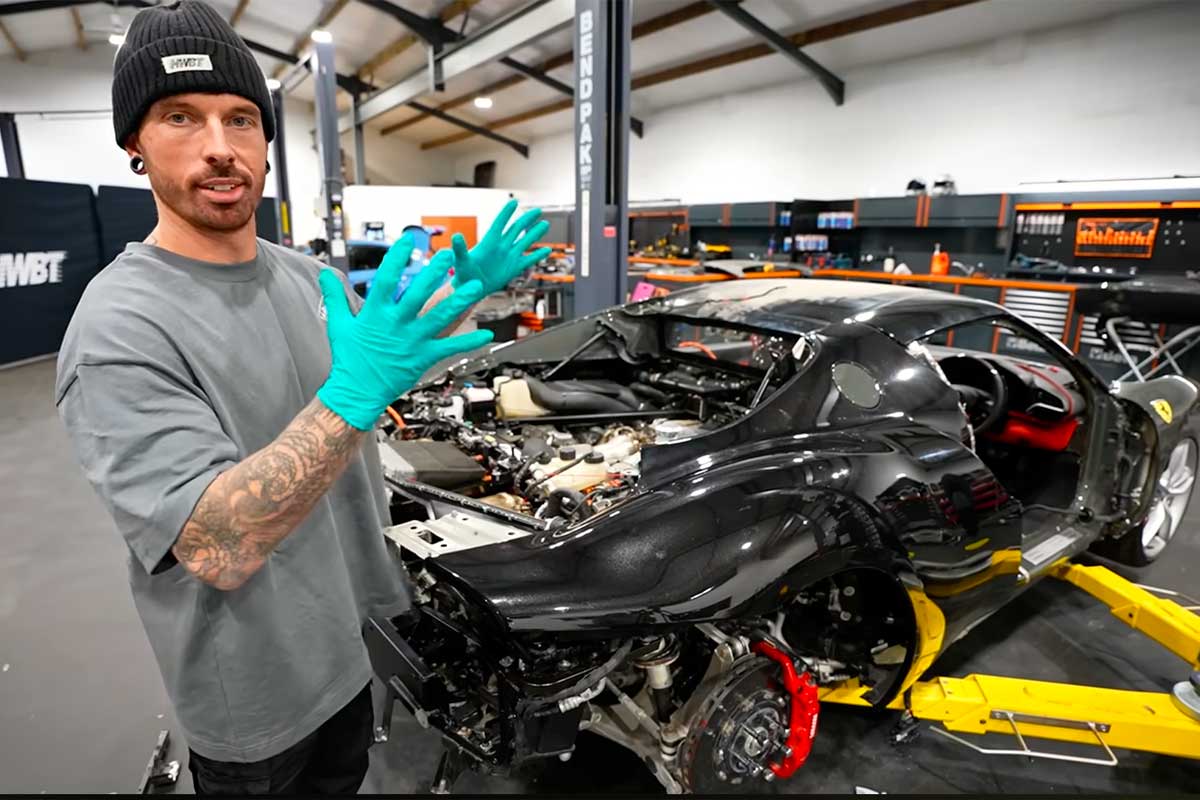
Moment of truth: the same scene over and over again. Warnings flashing, doors locking/unlocking, and this message that comes back like a refrain. No start. At one point, Mat tells us that it's 2:52 a.m., that he's been all over the fuses, that he can't find anything. But Matt wants to learn, he wants to “be ready for the future”... but if nothing is possible without the manufacturer's network, repairing a car independently becomes an illusion.
The coup de théâtre: transforming the 296 GTB into a Challenge Stradale
Instead of backing down, Mat pivots, as they say in business. He reveals that he's managed to get hold of a Ferrari 296 Challenge body kit: ultra-light parts, racecar look, shields, diffuser, monumental spoiler... The goal becomes crazy: build a road-going 296 dressed like a Challenge, a one-off.
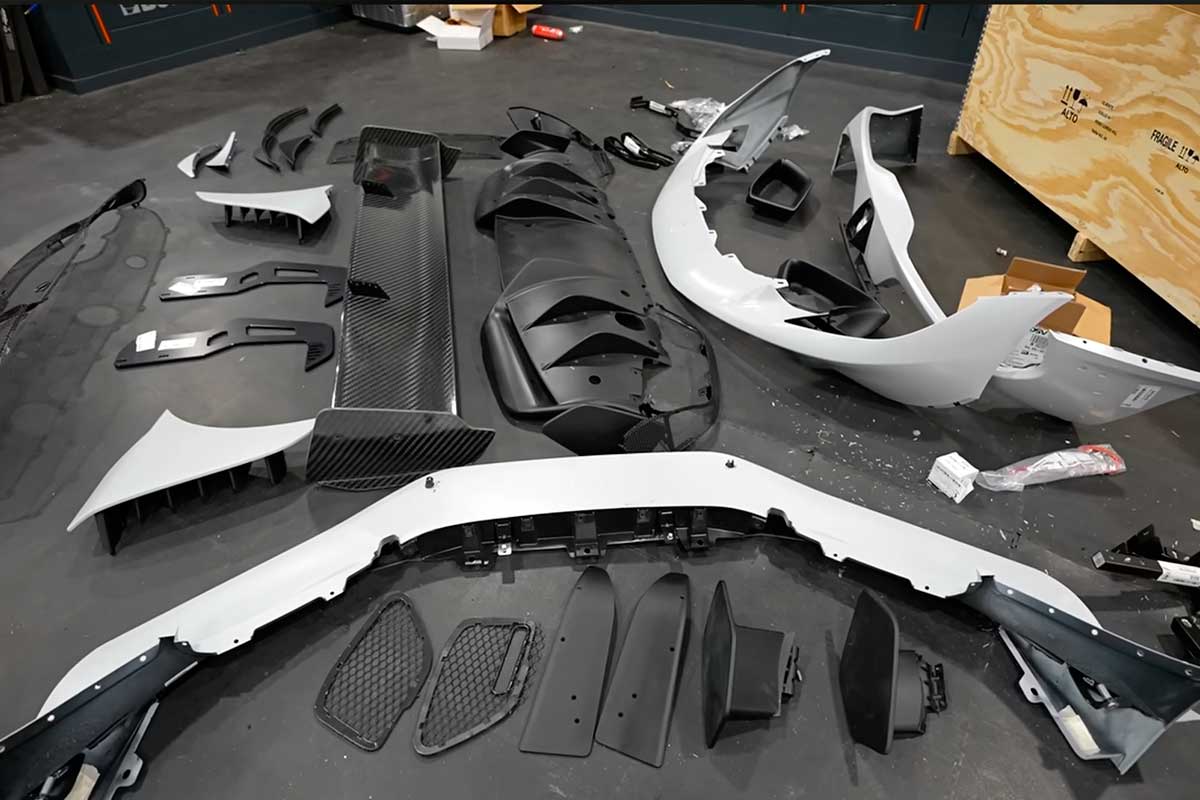
In the video, Mat explains that when ordering certain parts, everything seemed surprisingly smooth... then, at one point, components become “blocked”. He called, and was told that certain parts were restricted, required authorization, or had to correspond exactly to the vehicle identified by the VIN. To put it plainly: Ferrari doesn't want a “lambda” customer turning a GTB into a race car with official parts, and even less so when the base is an accidented car rebuilt outside their procedures.
The reconstruction process stalls for weeks, then months. Some parts arrived, but others remained inaccessible. Above all, he discovers that the Challenge kit reveals a major technical difference: the front bumper can't be fitted with the standard radiators, which protrude. On the Challenge, the cooling system is designed differently, with a large central radiator. In the end, Mat opted for the racing solution: fitting the central radiator, tinkering with brackets and new hose routing. All this with one concern in mind: the Challenge doesn't have a hybrid system, and the road-going 296 needs cooling to live properly.
Ferrari on the phone: “We can't take it”.”
The project is progressing well, except that the car remains a sculpture, since it won't start. Mat calls Ferrari. He wants to talk to someone, get some advice, find out if he should bring the car in. The service manager is clear: until the 296 has been inspected by a Ferrari-approved bodybuilder, the dealership cannot accept it. It has to go through an approved structure, be inspected, and have a file certifying that everything is in order.
But Mat already knows what that means: his car has been rebuilt outside Ferrari procedures, and now wears a Challenge kit. Even if the repair is clean, even if the car is “beautiful”, the idea of official validation seems like a wall.
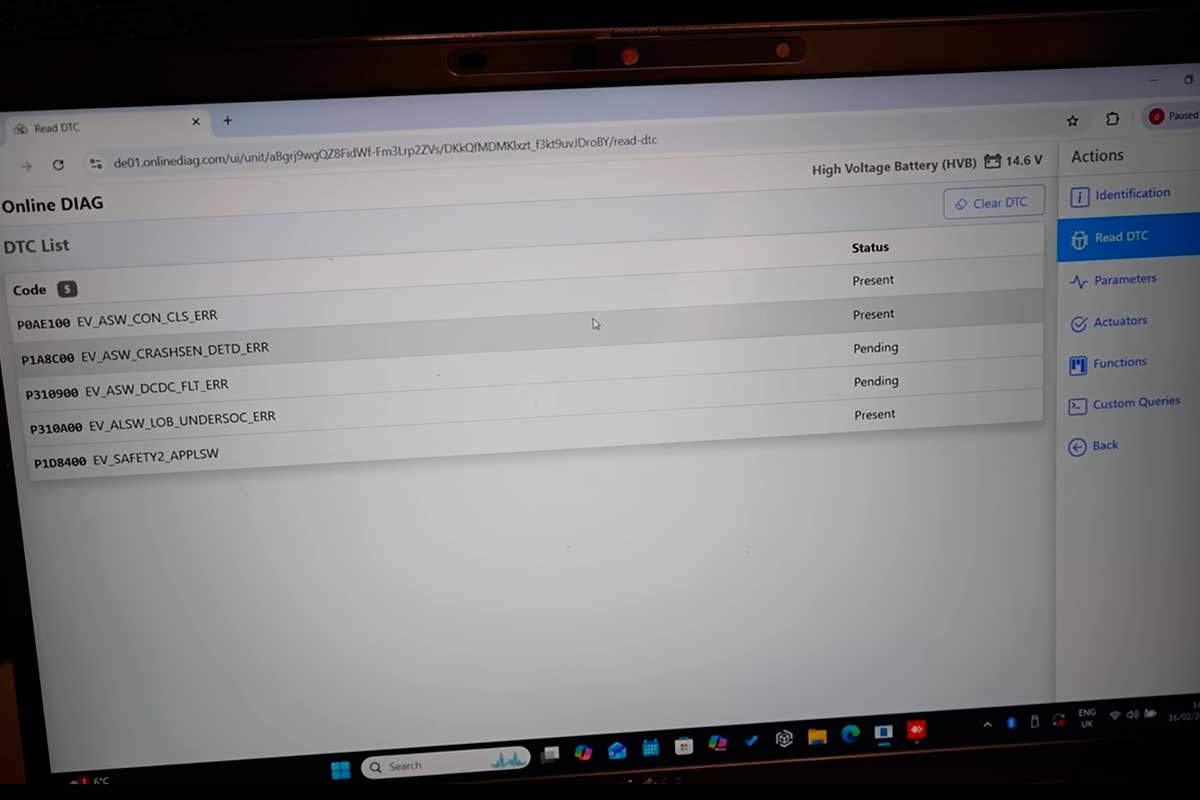
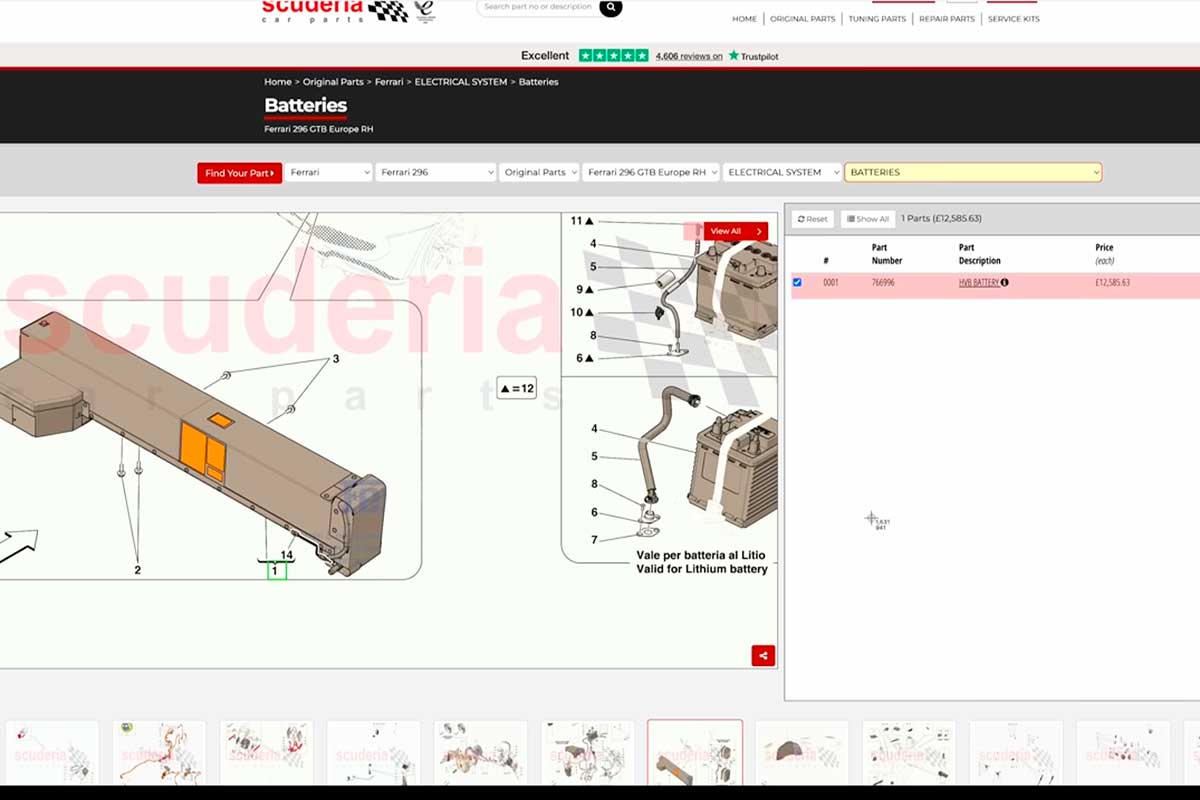
His “Dips” technician thinks he's identified the problem: a fault on the EV (high voltage) system, which comes back immediately when you try to clear it. And another: a lack of communication with part of the electronic system, as if an internal network never activated properly. They even find damaged CAN wires in a harness, repair, isolate, retry... But the result remains the same: no start-up. Except that if the crash data is stored in a module linked to high voltage, the solution could be... to replace a major component (right down to the battery). But a new battery is expensive, has to be coded, paired and initialized. And that, without Ferrari, is potentially impossible.
Mat points out that Ferrari, for its part, is not “the villain of the piece”. Their position is also that of a manufacturer who manages responsibilities, procedures and risks. But this reconstruction illustrates a point that goes far beyond Mat Armstrong: on the latest hybrid supercars, mechanics are no longer the main lock. The key is access to electronics. Access to tools, procedures, authorizations, modules, validations. And once a car has left the official circuit, assistance can become an inaccessible luxury.
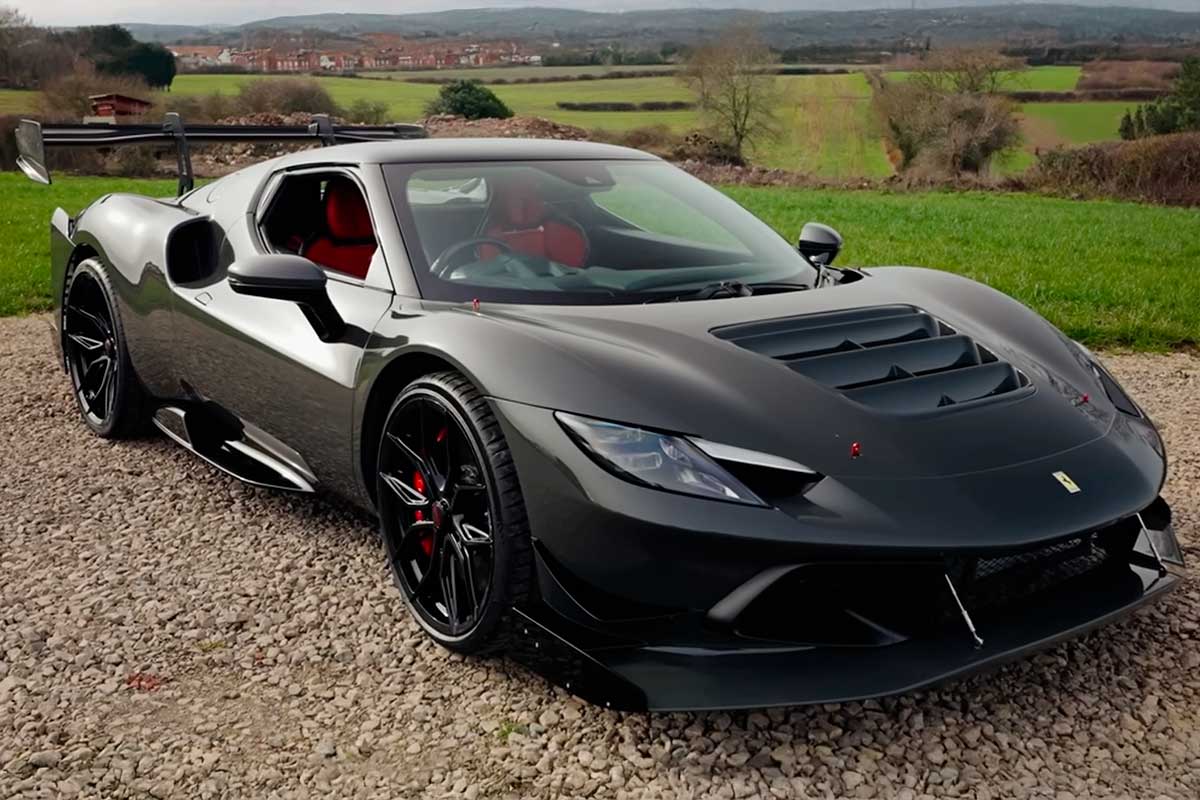
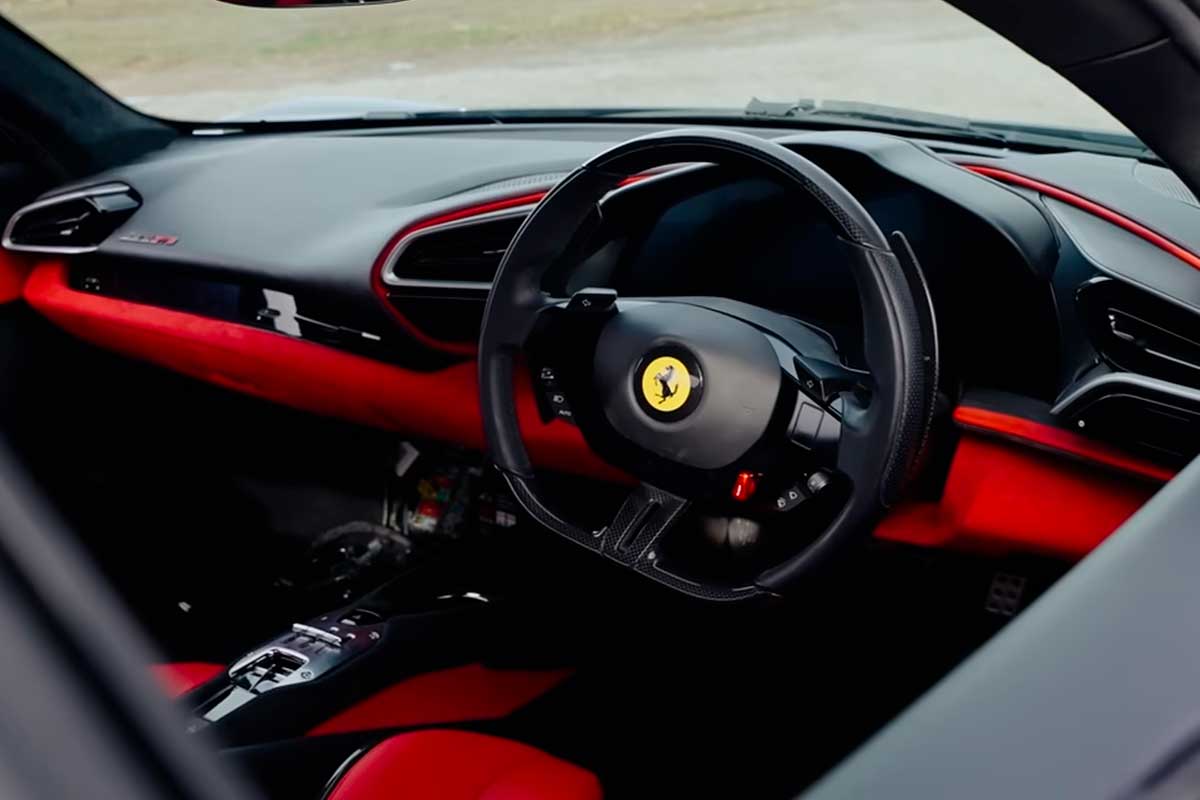
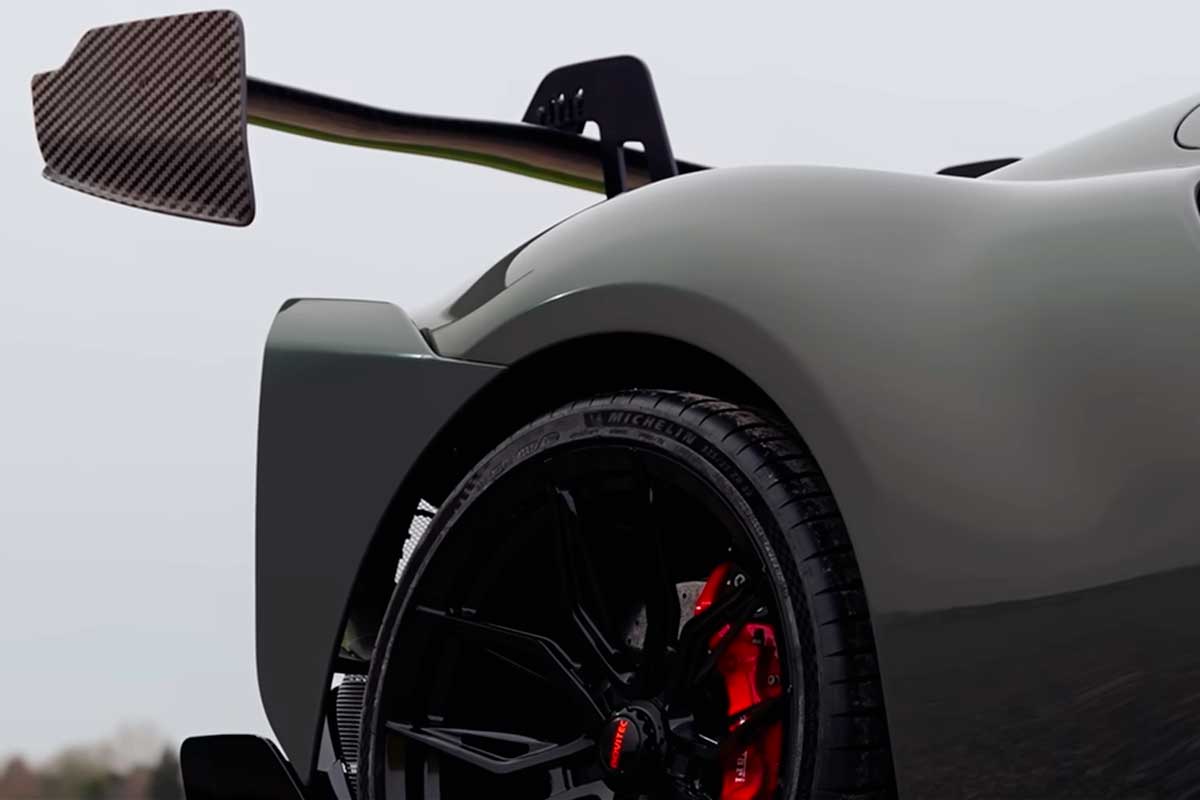
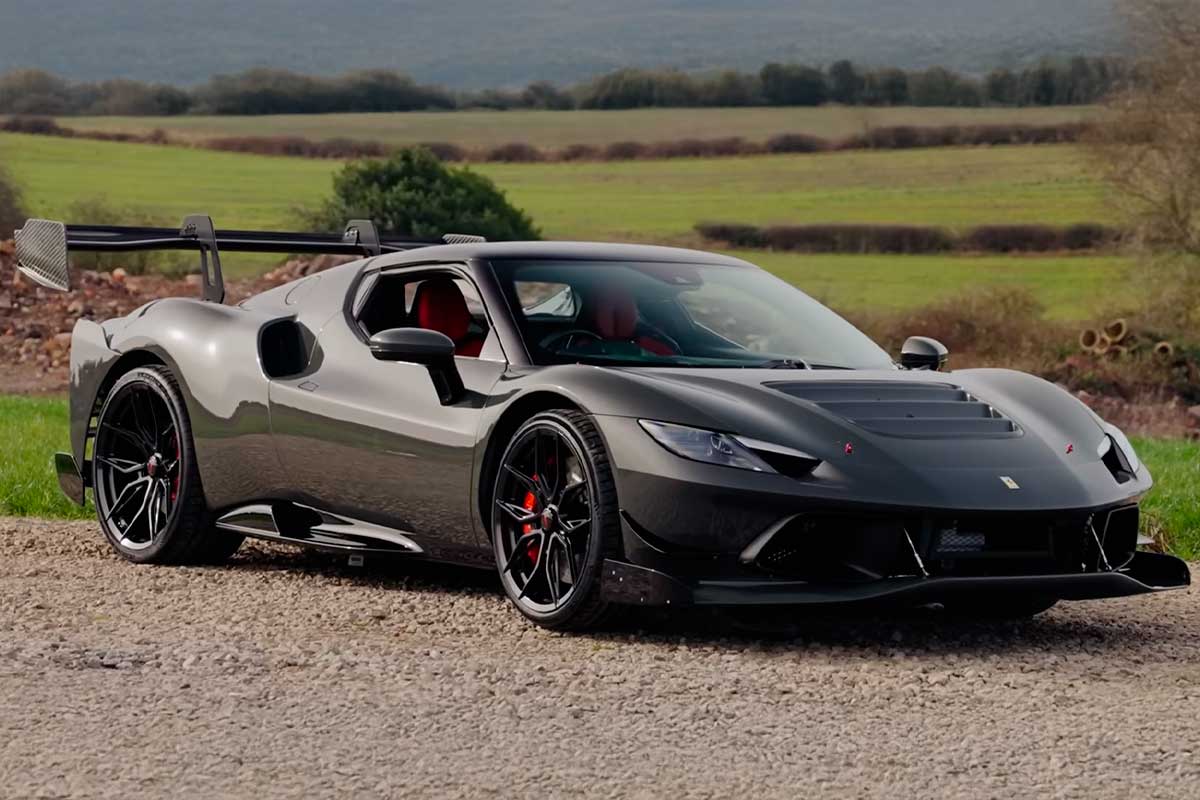
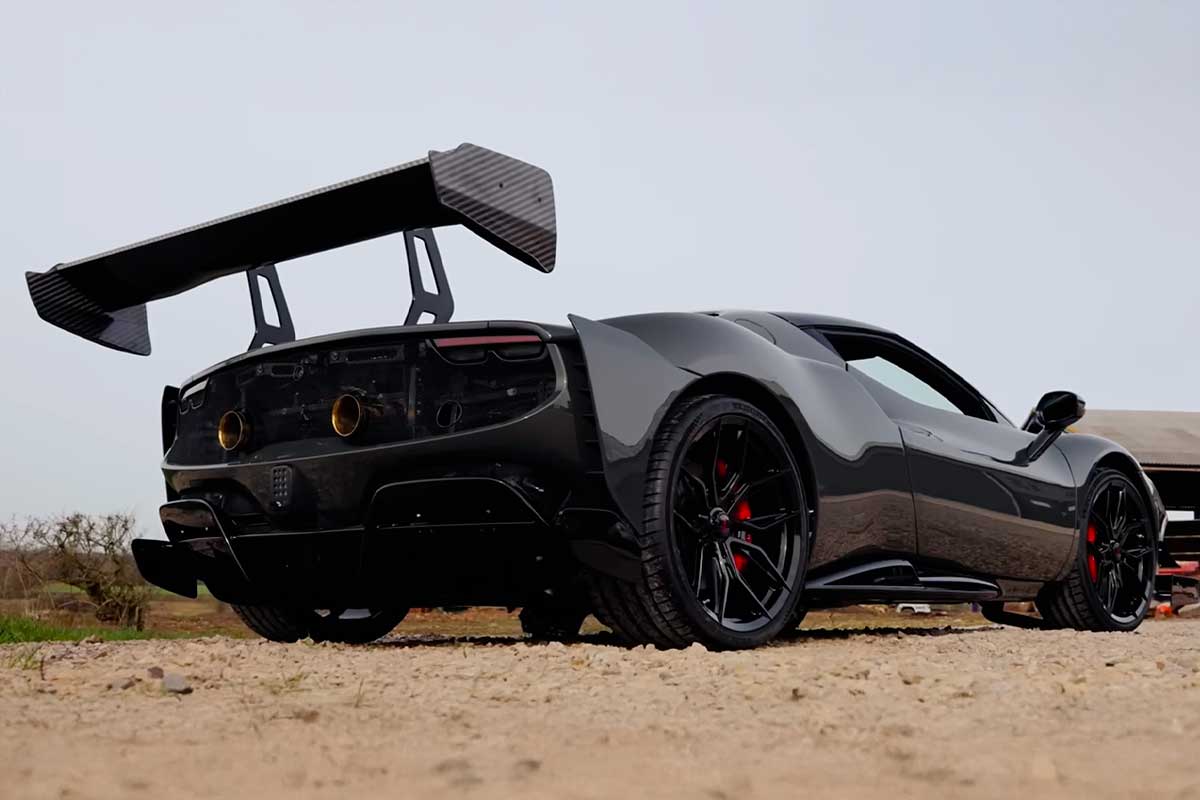
Mat has sent an email to Ferrari: it's his last card. He's hoping for a gesture, an opening, a way to get the car “back on track”. The chances seem slim, but he says it with his own logic: if you don't try, you'll never know. In the meantime, in the middle of the workshop, the most unlikely Ferrari 296 of the moment is there: a Ferrari 296 Challenge Stradale unique in the world... that can't start, without Ferrari's help.

 English
  French
  Italian
  Spanish
  Portuguese
  German
  Japanese
  Turkish
  Dutch
Dutch