

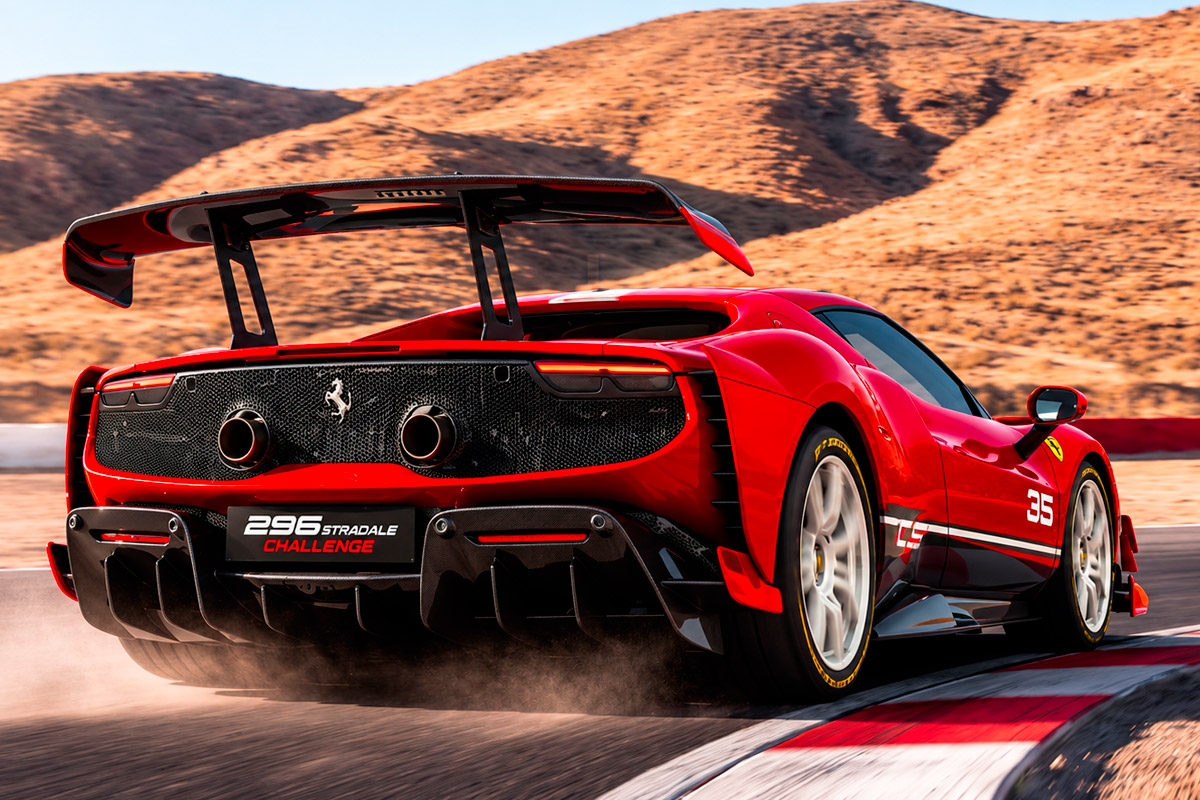
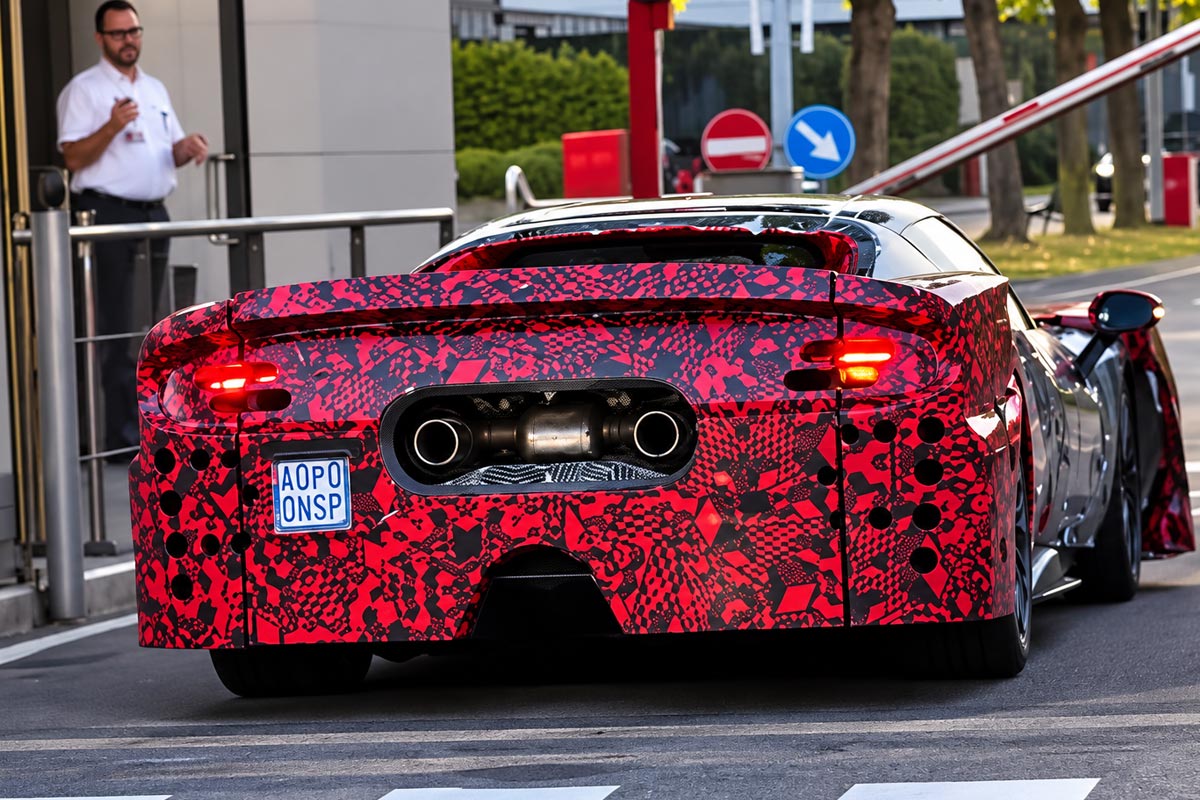
This time, it's finally here! After several months of rumors, camouflaged prototypes spotted around Maranello, and even a brief false alarm last September with The unveiling of the 296 GT Modificata, Ferrari Finally unveils the car we’ve been waiting for. Its name: Ferrari 296 Challenge Stradale, or simply 296 CS. And just as we expected, it completely does away with hybrid technology.
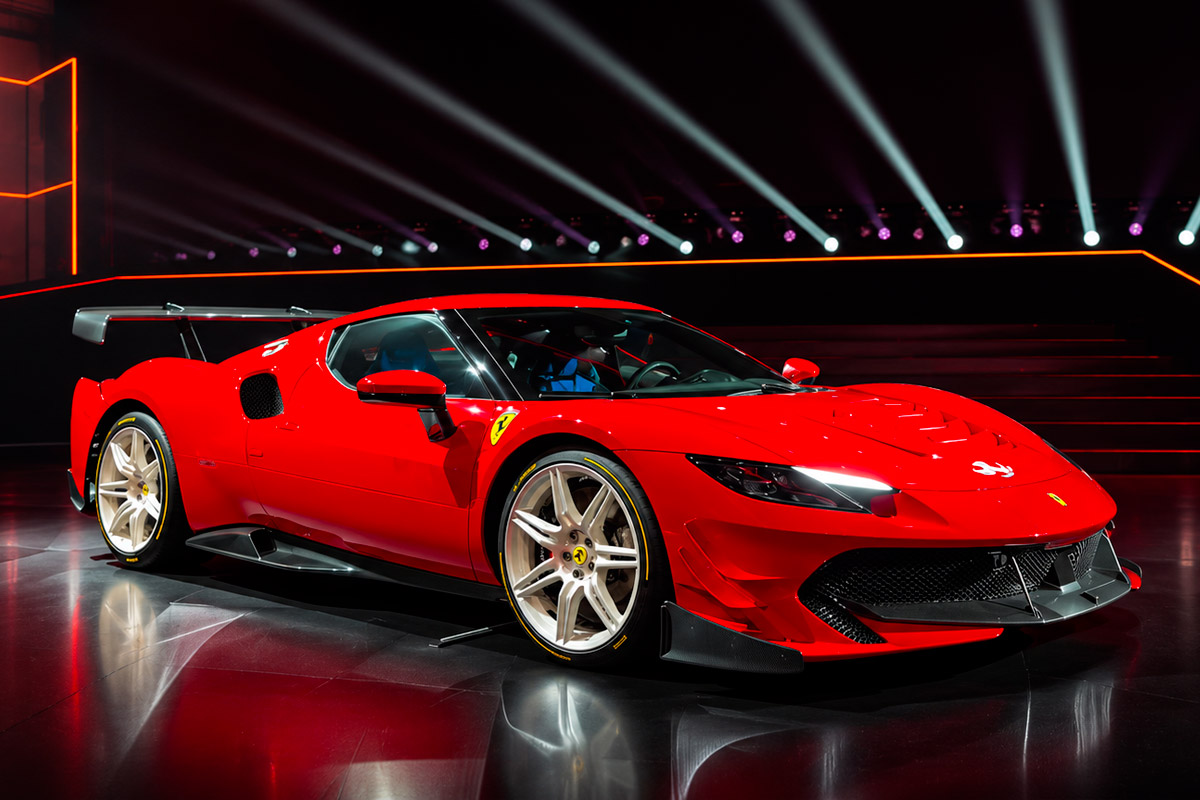
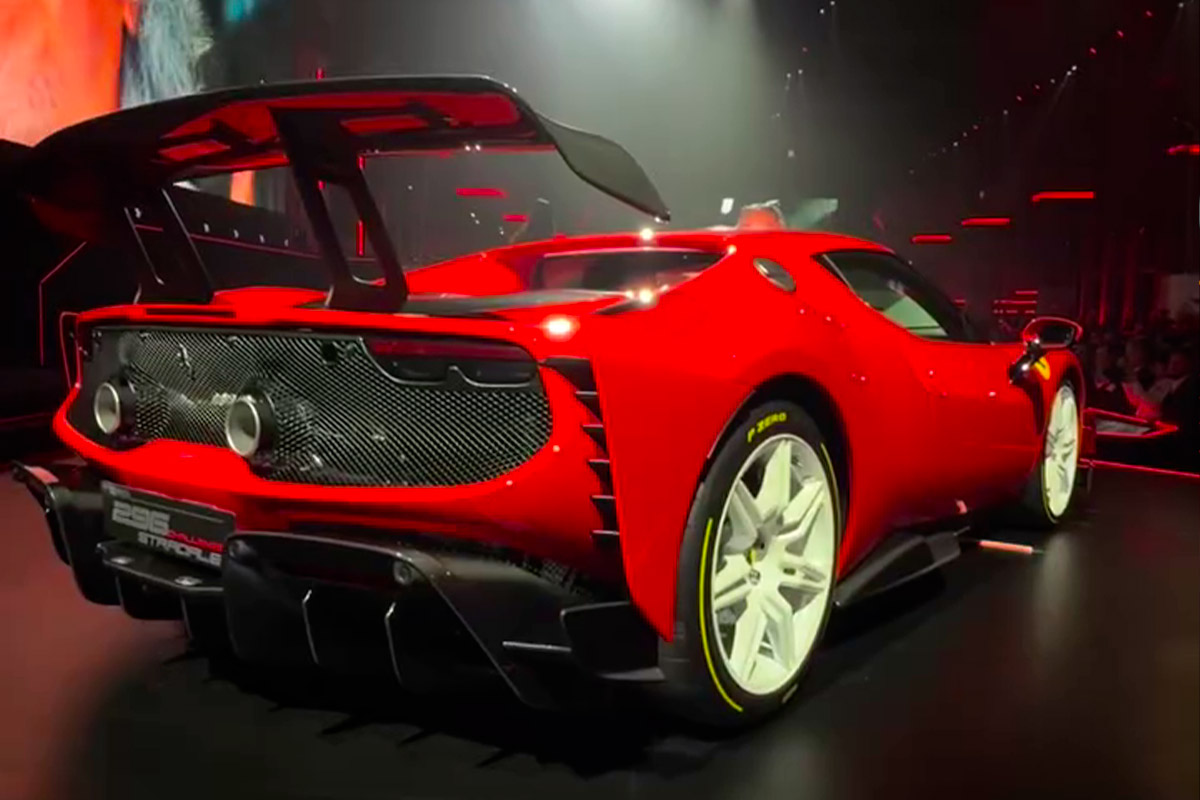
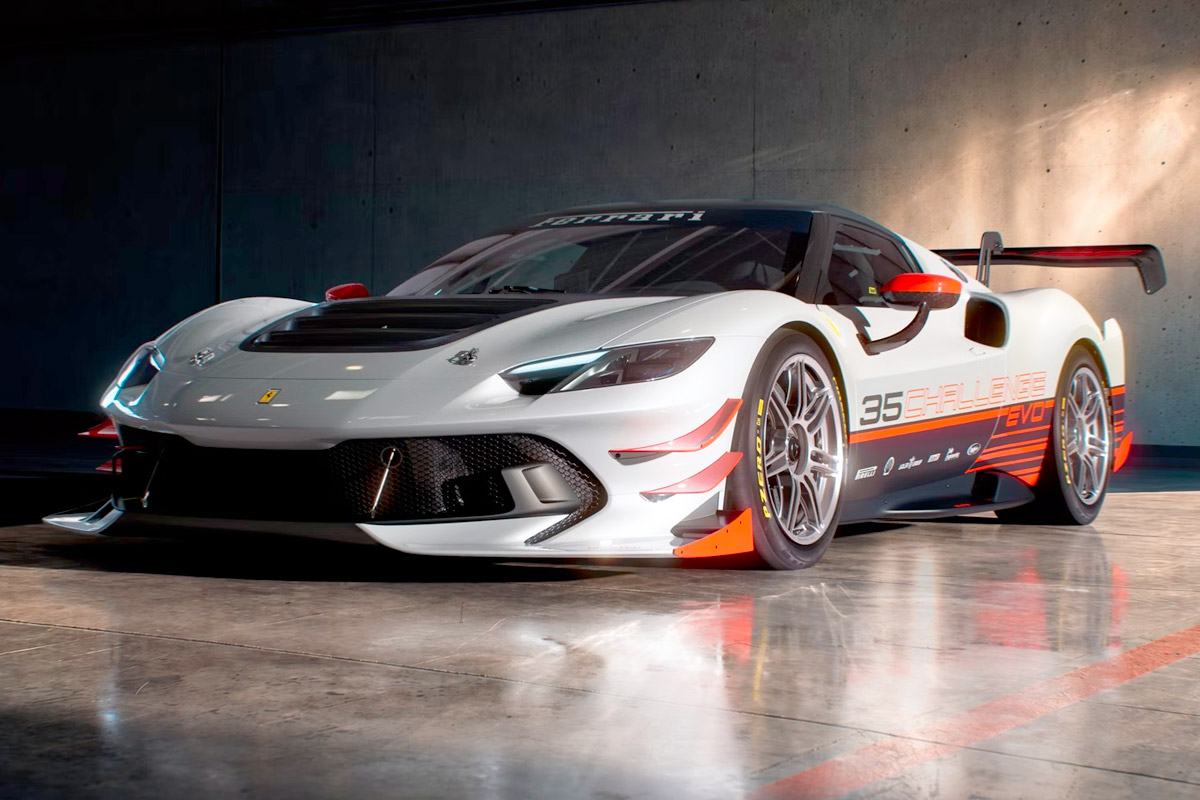
It was during the Ferrari Finali Mondiali, held November 17–23, 2026, at the Barcelona-Catalunya Circuit, that the Italian automaker unveiled two new versions of its V6 supercar. Amid the Ferrari Challenge finals and sessions for the F1 Clienti, XX, and Club Competizioni GT programs, Ferrari unveiled the 296 Challenge Evo, an evolution of its race car that now produces 700 HP for the 2027 season. But it’s its road-legal sibling that we’re most interested in today.
A 670 HP V6 with no hybrid technology
We mentioned this as early as last July, and then again in October After new prototypes appeared in Maranello: Ferrari was indeed working on a road-going version of its 296 race car.
Under the hood of this 296 Challenge Stradale lies the 2,992 cm³ twin-turbo V6 with a 120° cylinder angle, though its design, turbocharging, and drivetrain are derived directly from the 296 Challenge. Gone are the electric motor and battery found in the 296 GTB. The internal combustion engine alone produces 670 HP at 8,000 rpm, with a maximum rpm of 8,500.
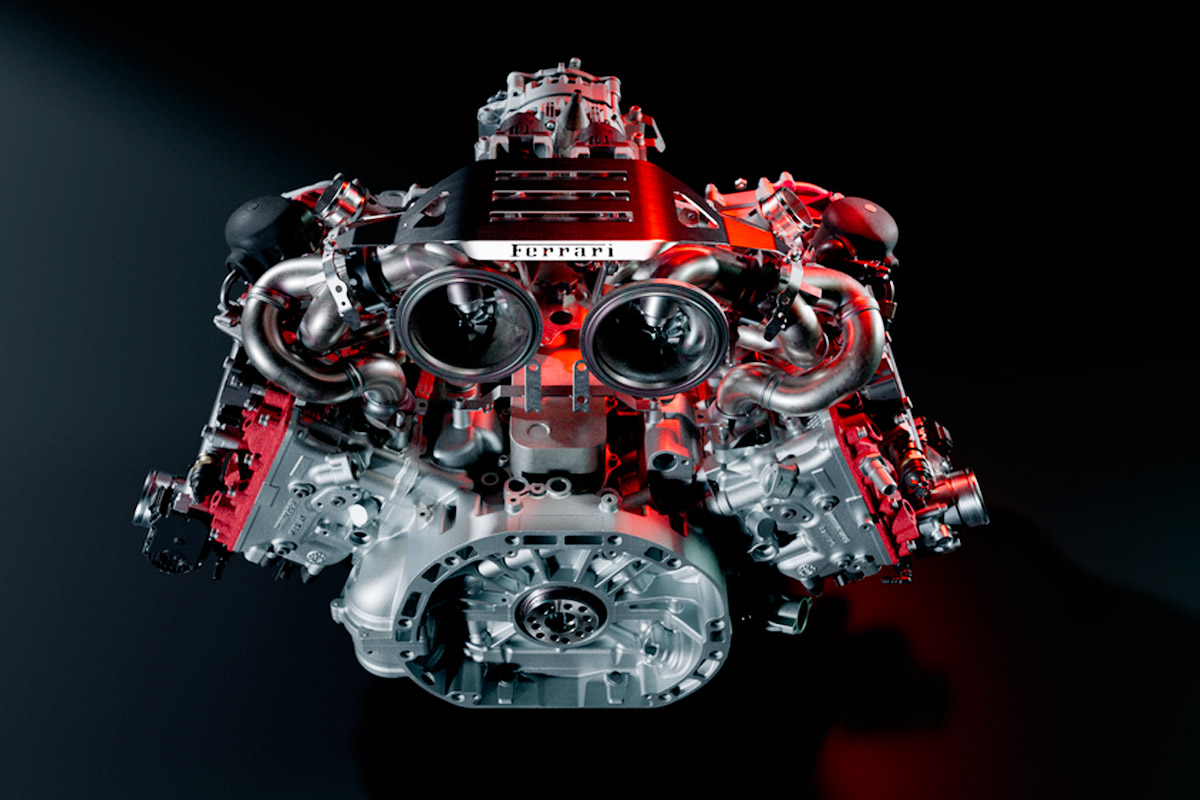
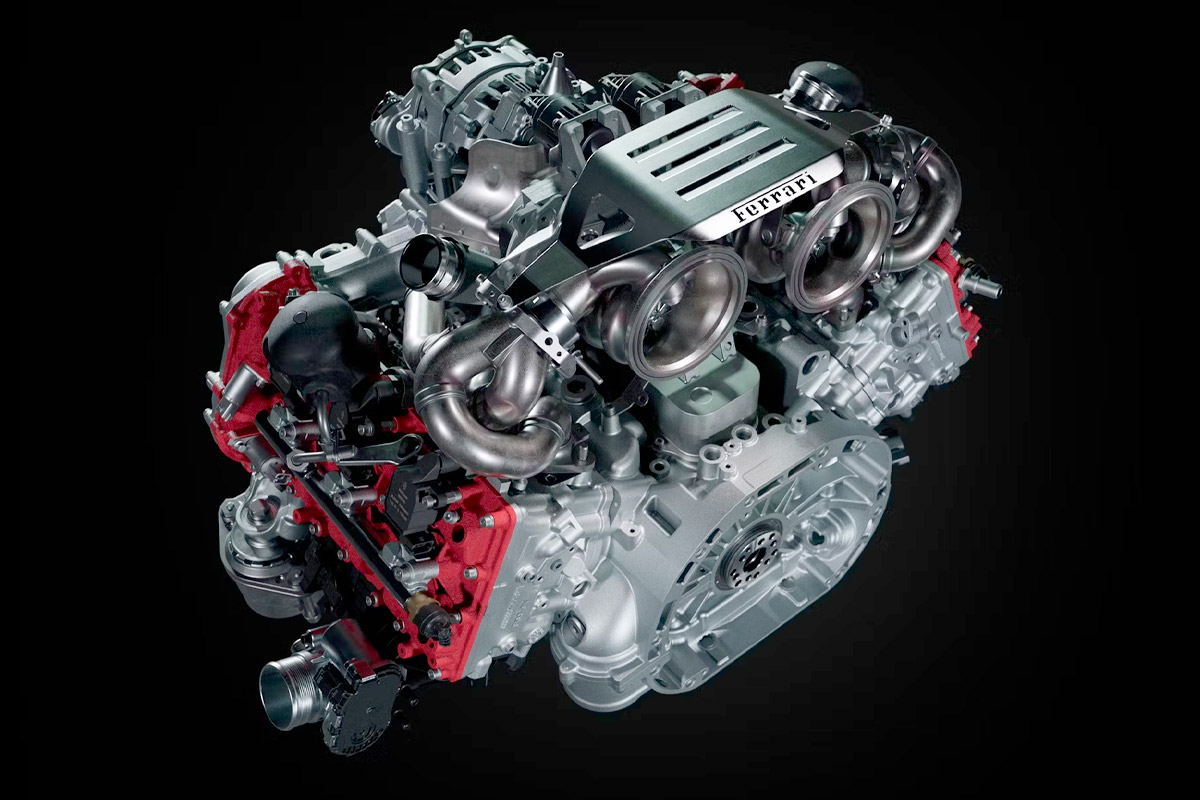
Ferrari has also reworked the engine mapping to improve throttle response and low-end torque. The transmission, meanwhile, features strategies derived from racing, with gear shifts taking just 170 milliseconds under full load. Special attention was also paid to the V6’s sound, with its high-pitched harmonics now more noticeable inside the cabin.
Less power, but also much less weight
With a claimed weight of just 1,360 kg, the 296 CS has a power-to-weight ratio of approximately 2 kg/hp. Despite having 160 cv less than a 296 GTB hybrid, it accelerates from 0 to 100 km/h in just 2.8 seconds. By comparison, the 830 ch 296 GTB hybrid does it in 2.9 seconds, and the 880 HP 296 Speciale A, also a hybrid, does it in 2.8 seconds.
| Model | Power | Dry weight | 0 to 100 km/h | 0 to 200 km/h | Weight/power |
|---|---|---|---|---|---|
| 296 GTB (hybrid) | 830 hp | 1,470 kg | 2,9 s | 7,3 s | 1.77 kg/hp |
| 296 Speciale (hybrid) | 880 hp | 1,410 kg | 2,8 s | 7.0 s | 1.60 kg/hp |
| 296 Challenge Stradale (V6 only) | 670 hp | 1,330 kg | 2,8 s | 7,9 s | 1.99 kg/hp |
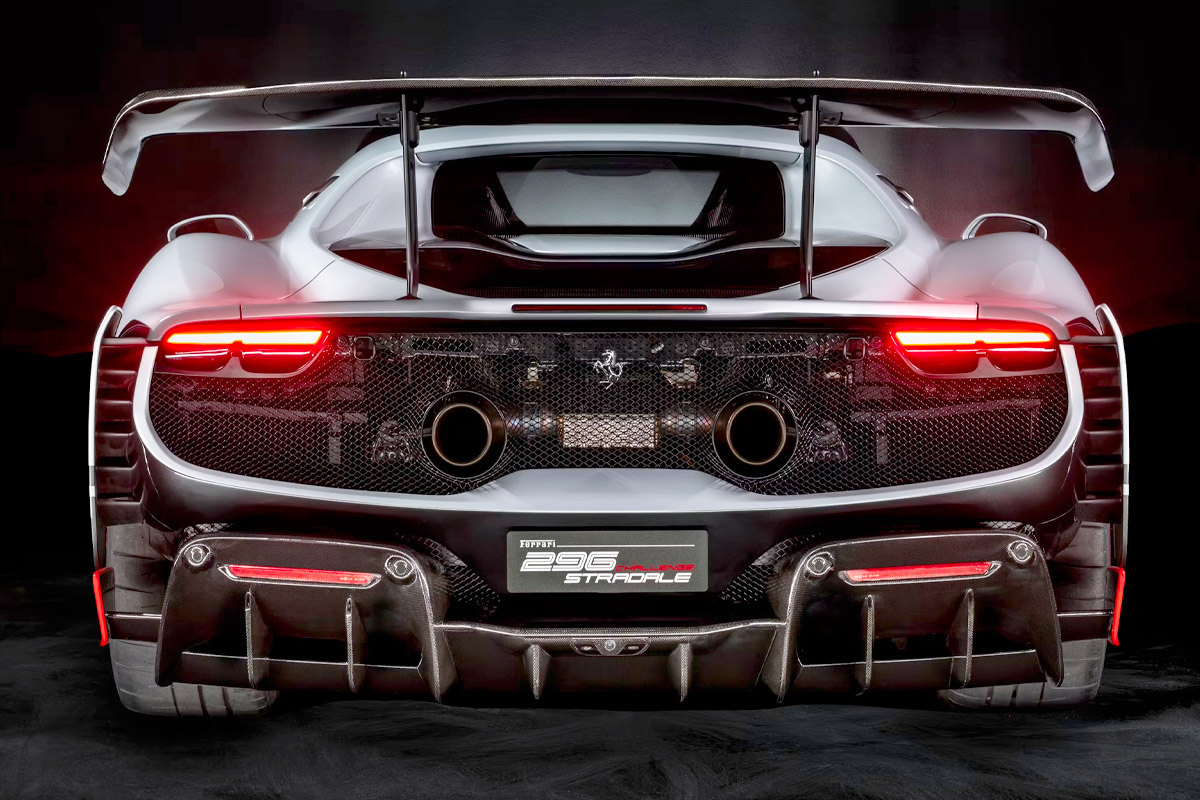
But the pursuit of performance isn’t limited to acceleration. Ferrari has equipped its new sports car with an imposing fixed rear wing, a front splitter, vortex generators, and aerodynamic solutions derived directly from racing. The goal here is to prioritize downforce and cornering speed rather than just top speed.
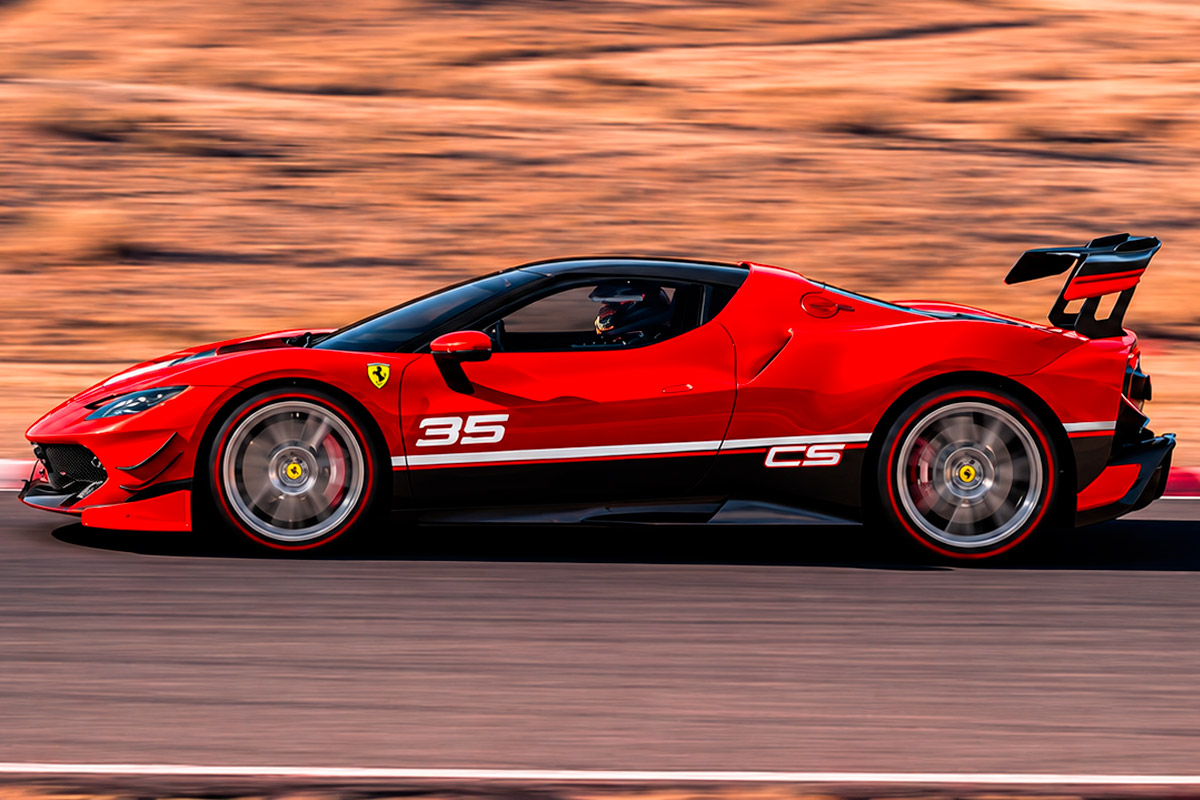
The braking system has also been fully adapted to the absence of regenerative braking, featuring oversized carbon-ceramic discs, specially designed calipers, and a pedal with a shorter travel.
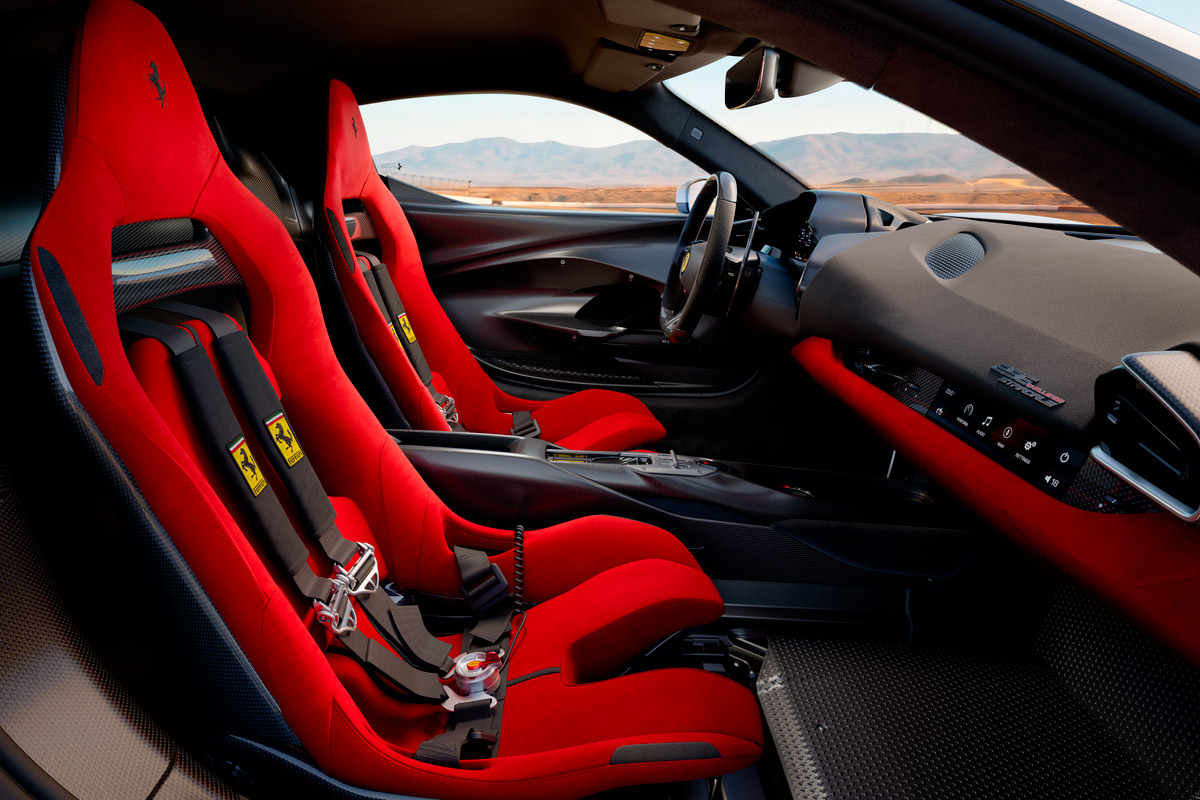
Inside, the same philosophy applies: carbon fiber, technical fabrics, and redesigned door panels and center console. Ferrari simply presents this 296 CS as the model in its lineup that comes closest to a true race car.
And unlike the Speciale, it would not be limited
This may be the other major piece of news from this presentation. Unlike the 296 Speciale, the Challenge Stradale will reportedly not be produced in a limited run.
More than twenty years after the legendary 360 Challenge Stradale, Ferrari is thus reviving a name that holds special significance for enthusiasts, but also a philosophy: that of a lighter, more radical car that prioritizes driving thrills over the pursuit of horsepower. Moreover, after unveiling its first electric car this year, Ferrari is closing out 2026 with a supercar that takes the exact opposite approach: doing away with electrification.

 English
 French
 Italian
 Spanish
 German
 Japanese
 Dutch