

Here's a story that perfectly illustrates the expression “your eyes are bigger than your stomach”! At the end of the “80s, the discipline's growing media coverage, the ”money years" atmosphere and the still acceptable budgets led many adventurers in F1. Before the crisis of the early '90s, sponsorship money was flowing in, and this gave rise to numerous projects of varying degrees of zaniness. Italy, home to many of the race's artisans, was not to be outdone.
The project of a lifetime: Rocchi and the W12
The «Life» project has its roots in Franco Rocchi, an engineer who began working for Ferrari in the late '50s alongside Aurelio Lampredi. Around 1967, he worked on a W18 engine project, before taking part, alongside Mauro Forghieri, in the design of the Tipo B12 engines that powered Niki Lauda's victorious 312Ts. Weakened by health problems, Rocchi withdrew from Scuderia Ferrari at the end of the 70s and set up his own design office to continue his work on W-type engines, while taking up painting!
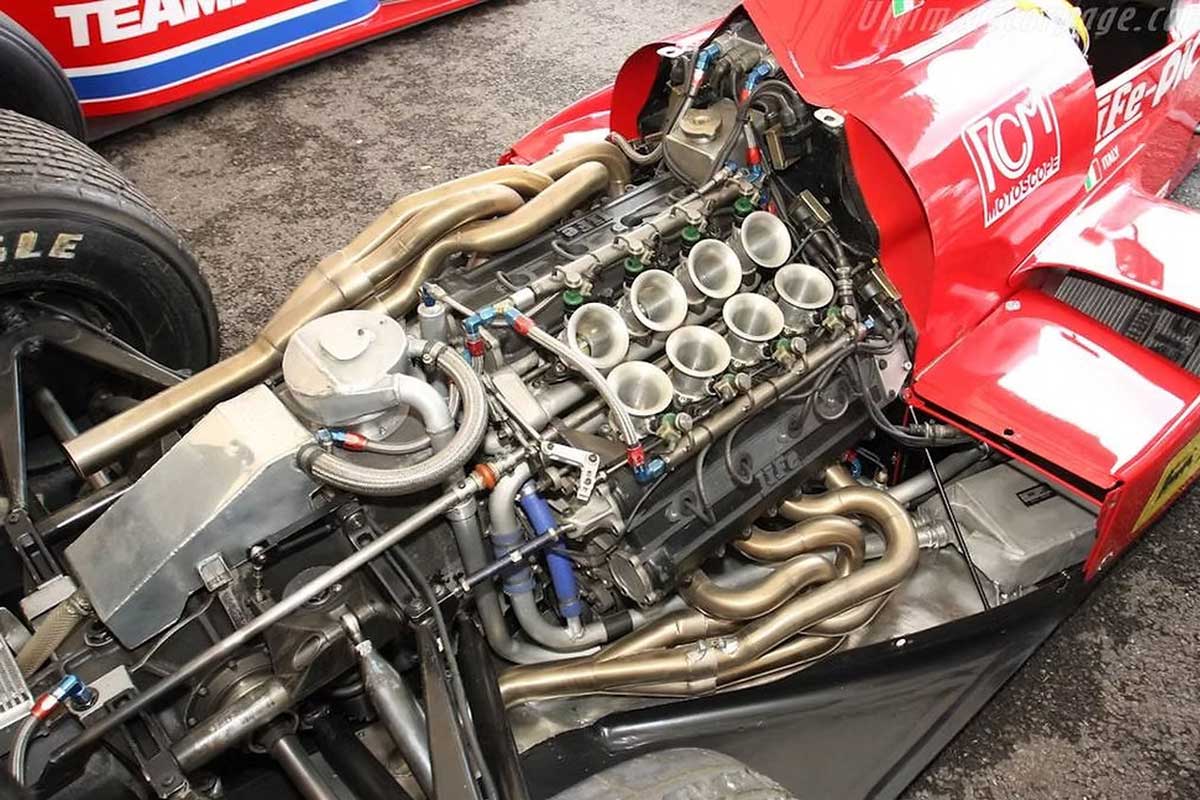
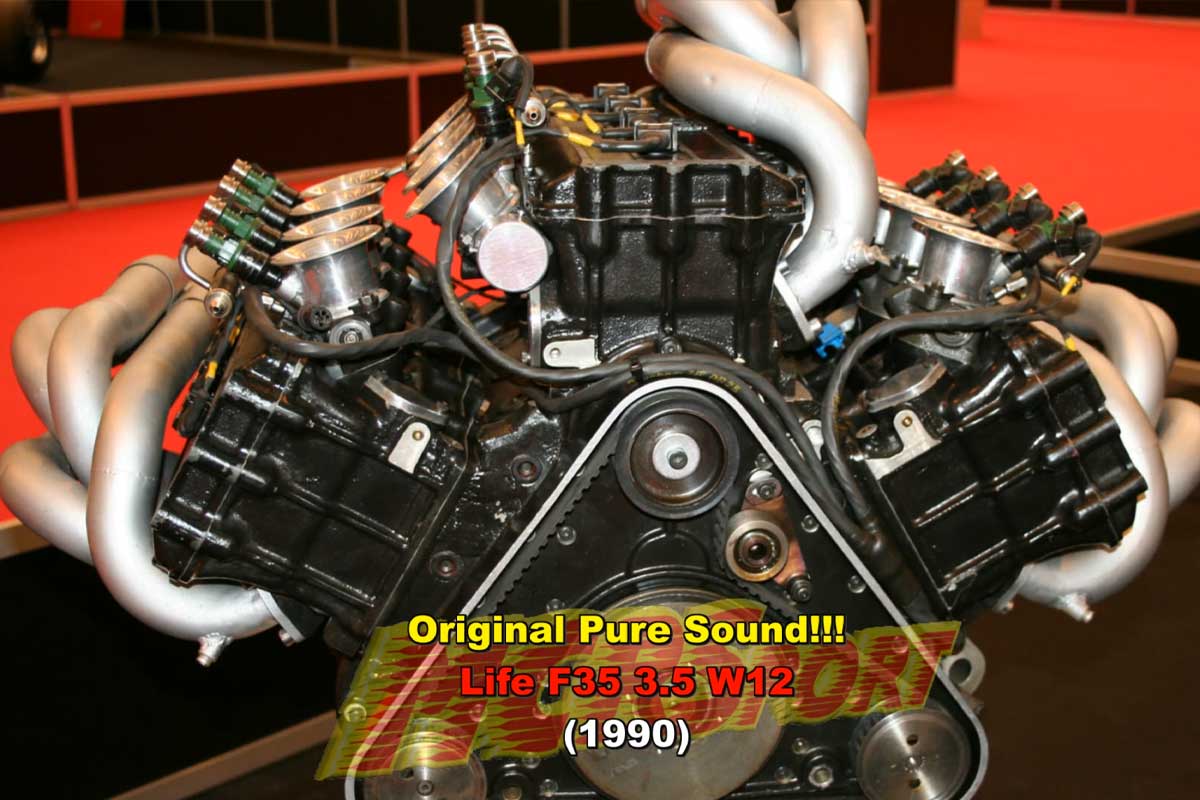
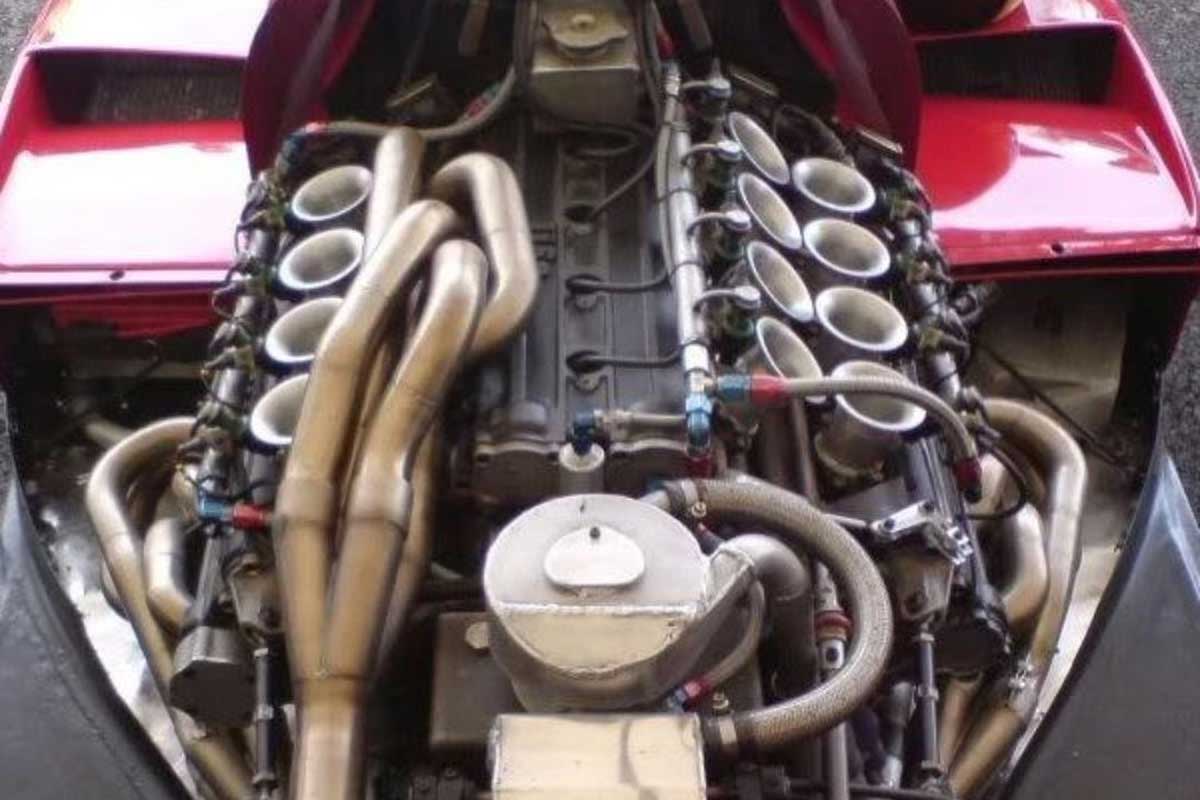
Following the 1987 single-seater reform, which lengthened the wheelbase, Rocchi was convinced that W-architecture was the solution to the problem of space. The return of naturally-aspirated engines, scheduled for 1989, was confirmation that his dream could come true: to design a W12 engine and sell it to anyone who wanted it! The engineer convinced entrepreneur and real estate magnate Ernesto Vita to finance the engine's design. Vita bought the rights to the W12, which ran on the test bench in 1989. The engine is a 3.5-liter, 60° W 12-cylinder, rated at 650 hp at 12,500 rpm. Its main asset is its compactness, measuring just 530 mm in length compared with 710 mm for a Cosworth V8. Its weight, estimated at 140 kg, seems to be an advantage over the Cosworth's 155 kg.
A single-seater based on a flowerpot“
Unfortunately, no one seems to be interested in this engine, which was developed in a rather artisanal way. Smaller teams preferred to turn to well-known engine manufacturers like Judd. But the two men decided to create their own team! Launched from scratch, it was called Life, the English translation of “Vita”, the founder's name! For the chassis, Life turned to Lamberto Leoni's small First Racing team. Born out of the F3000, this structure had failed to enter F1 for the 1989 season with its own car. Developed on the basis of a March F3000, this First Racing had failed to pass the FIA crash test and its composite hull had been overcooked! One engineer even said it was ideal for use as a “flowerpot”. But Life bought back the development study anyway, resulting in the L190 chassis.
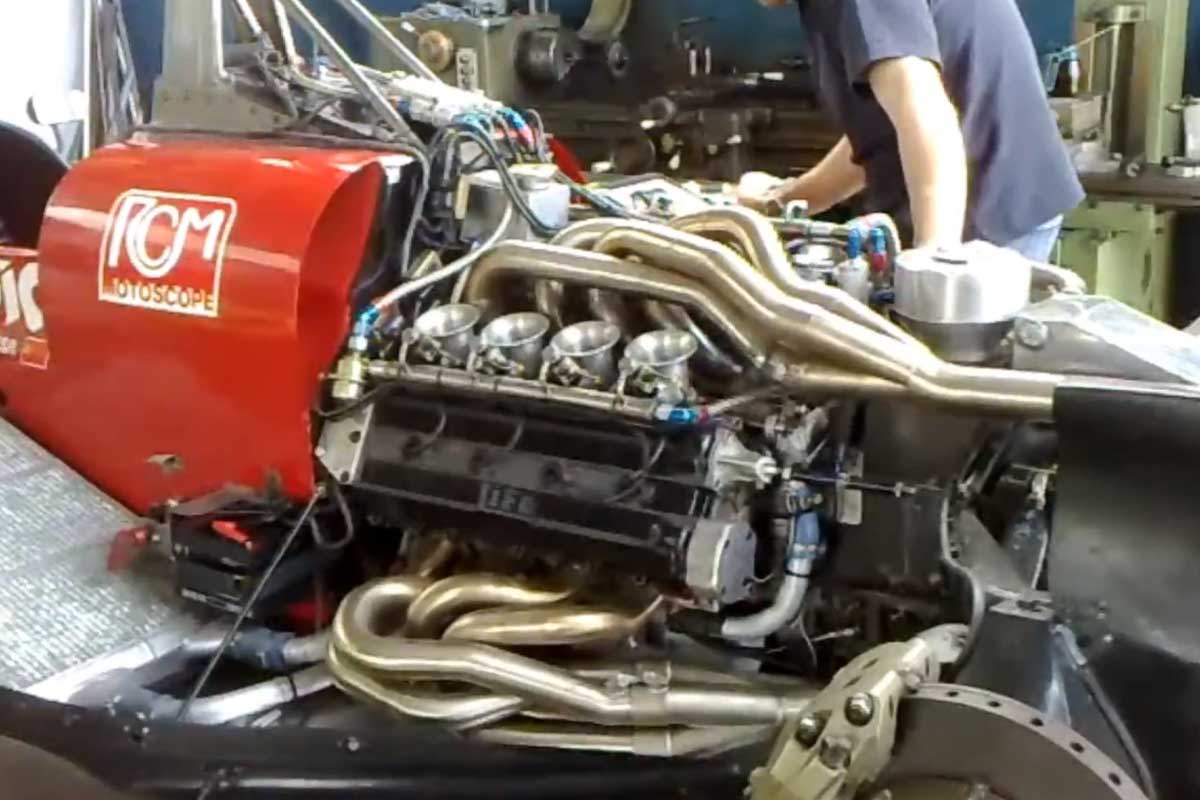
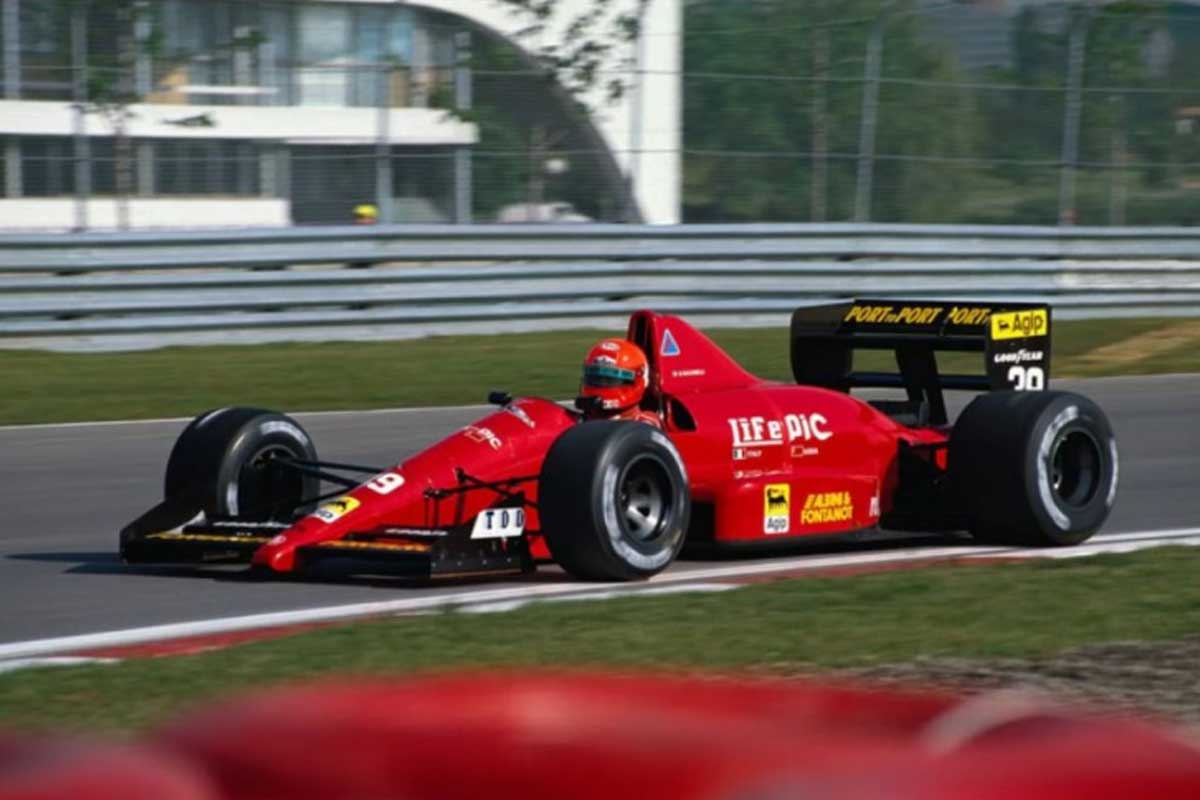
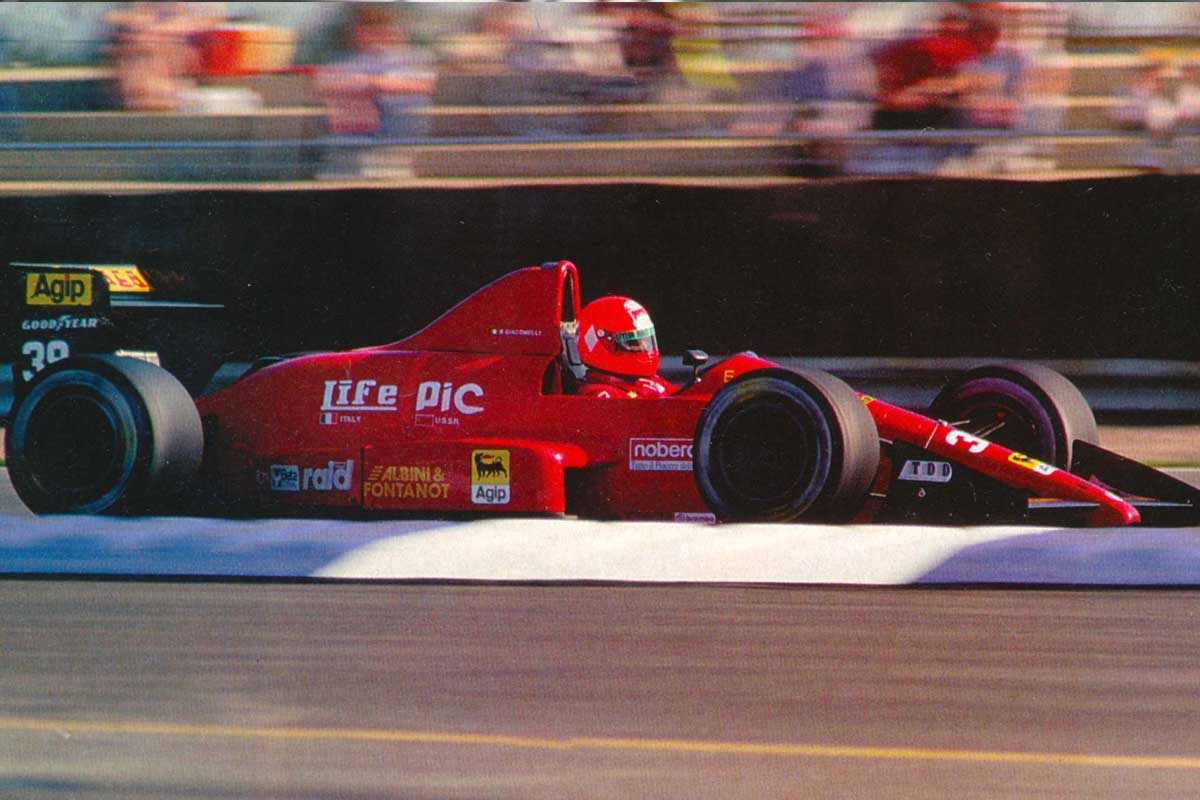
Life is therefore registered for the 1990 season: along with Ferrari, it is the only team to manufacture its own engines! However, the L190, inspired by the narrow-hulled March and Benetton cars, seems just as dangerous to drive as the flunked First: it has very small air intakes on either side of the cockpit, at the level of the driver's shoulders, leaving him exposed to shocks. It looks more like an F3000 reworked to accommodate a W12, than a real F1 car. During the first tests at Misano, designer Richard Divila warned Ernesto Vita of the dangers of driving such a single-seater at over 220 km/h: the carbon-composite hull was nothing more than «tissue paper», and the suspension was equally fragile. Nevertheless, Ernesto Vita declares: «I'm going to overshadow Ferrari.»
Nickel-plated feet in F1
Not surprisingly, the adventure quickly turned into a farce. The «in-house» W12 engine performs catastrophically, and is as brittle as glass. Repeated mechanical problems prevented the single-seater from completing more than 2 or 3 laps in a row, resulting in lap times worthy of a Formula Ford and mockery from the paddock. The team is also amateurish: the staff shows up in Phoenix for the season opener with just 6 people, a laptop and a few toolboxes as equipment. The team's first driver, Gary Brabham, complains that the mechanics don't have a pressure gauge to check tire pressure. Worse still, the frail and resilient Life single-seaters run without spare parts!
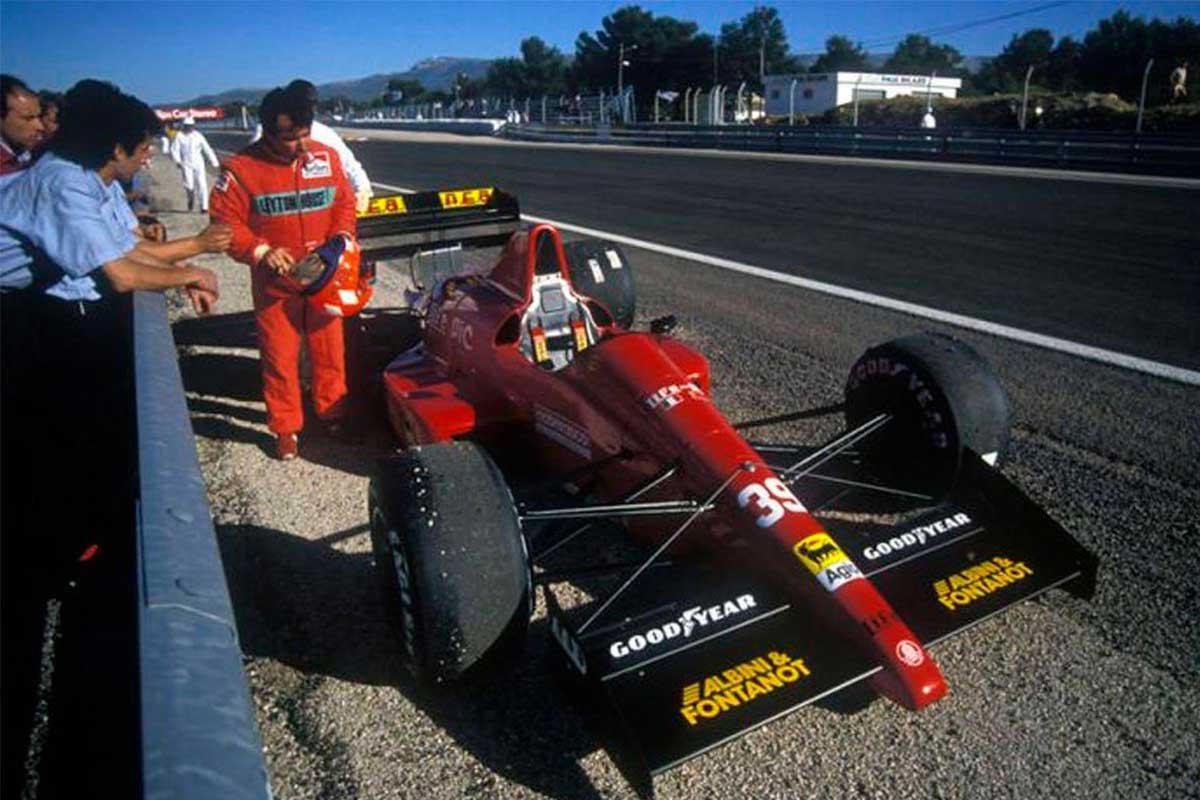
Gary Brabham set a pre-qualifying time of 2 min 7 s at Phoenix, 38 seconds from pole and 34 seconds from the last qualifier. Top speed was 185 km/h, compared with 271 km/h for Warwick's Lamborghini-engined Lotus. For the second race, in Brazil, Brabham drove just 400 meters. The Australian learned that the mechanics were on «strike» and hadn't voluntarily prepared his car (no oil fill-up, no brake fluid), as the Australian had announced his departure from the team!
In the east, something new!
Quickly running out of money, Ernesto Vita turned to new shareholders and received the backing of the Soviet company PIC, a Leningrad-based Soviet consortium specializing in high-tech armaments, the aerospace industry and as a subcontractor for nuclear submarine maintenance. And that's just the beginning!
The Cold War ends, the Iron Curtain opens! Pilowski I.C. promises a $20 million budget and the supply of special materials such as titanium and carbon-fiber body parts. This augurs new ambitions for the team, which plans to build a second single-seater. The icing on the cake is the Soviet flag (in small print) on the single-seater's red cockpit, with the words USSR (URSS in English)!
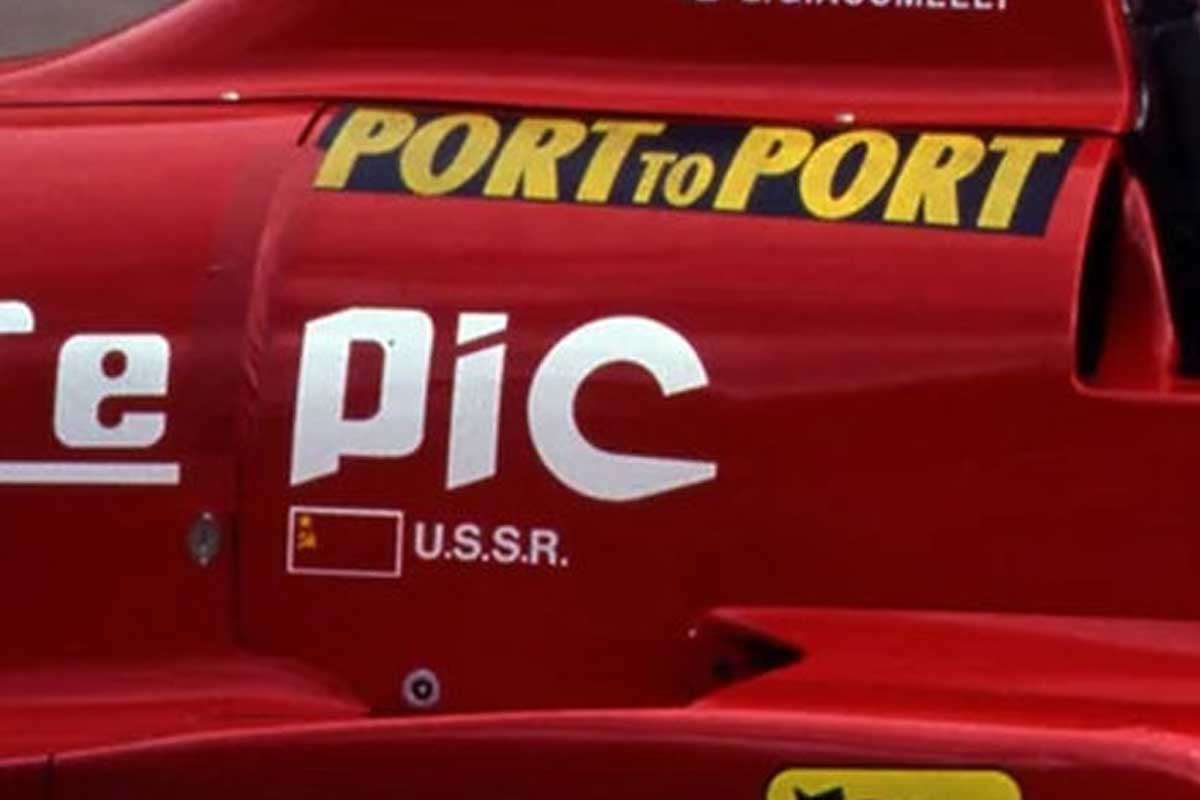
Slowness record
At the Grand Prix de Saint-Marin, the third race of the season, former Alfa Romeo driver Bruno Giacomelli was behind the wheel. He completed a single lap at a top speed of 104 km/h (Riccardo Patrese reached 313 km/h), during which he broke his oil and water pump belts. He was credited with a time of 7 min 16 s, while the last non-pre-qualified driver turned in 1 min 34 s.
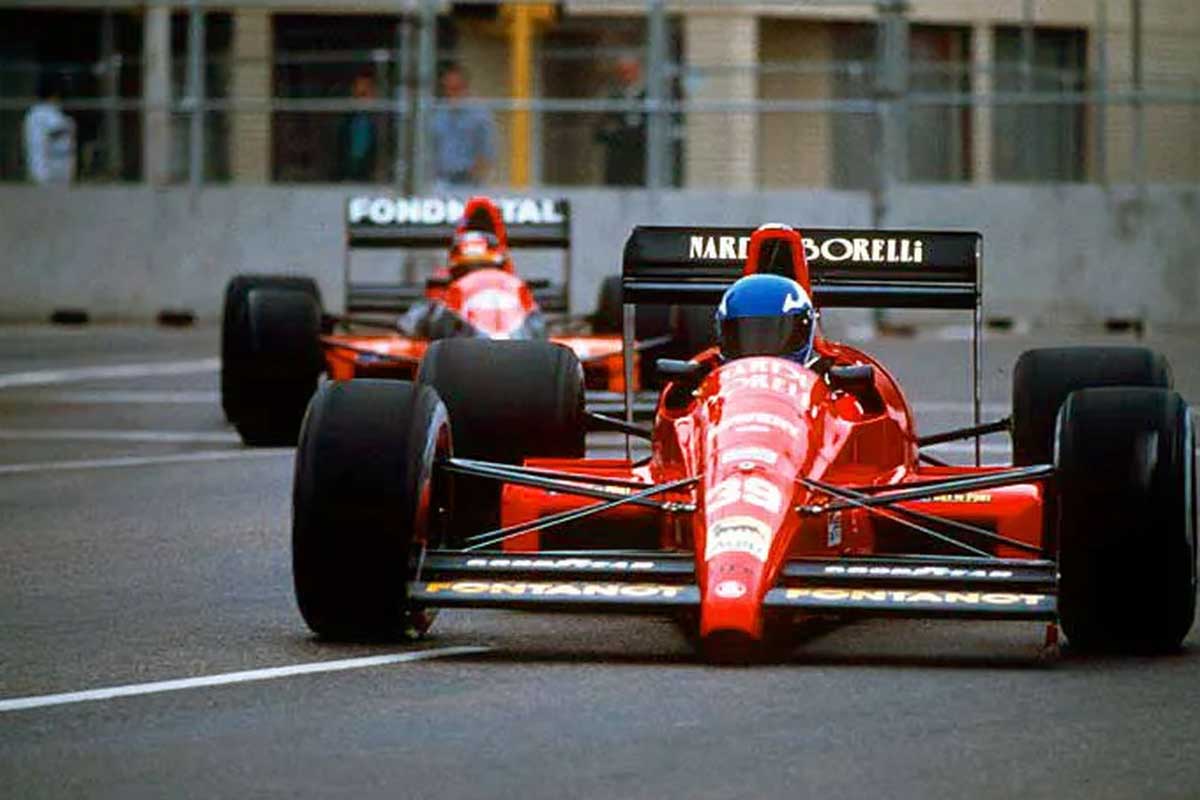
At Monaco, Giacomelli set a lap time of 1 min 41 s (top speed of 213 km/h versus 272 for Ayrton Senna), comparable to that of a Formula 3 car. The W12's power curve collapsed above 9,000 rpm, and the engine's excessive rev limit was intended to prevent repeated breakdowns due to a lack of spare parts. Bruno Giacomelli would later reveal that the engine weighed in at around 200 kilos and produced less than 400 hp for reliability reasons!
After twelve unsuccessful pre-qualifications, Life dropped the Rocchi W12 and went to Portugal with a Judd V8, finally purchased from Leyton House.
The chassis, bodywork and engine mounting points had to be modified. Giacomelli's amateurishness was further revealed when the engine was finally assembled: the original hood would not fit over the new Judd V8 engine! Giacomelli tried to complete a test lap, but the modified cowling flew off after just a few hectometres. As the single-seater was in danger of missing pre-qualifying, Life was fined $200,000 by the FIA. Giacomelli settled into the single-seater, which was pushed into the pit lane. Thanks to the pitlane's gentle gradient, the car was able to coast for a few hundred meters: officially, the team had shown up at the start of the pre-qualifying session and thus avoided the fine. However, Life did not make the costly trip to compete in the final two rounds of the season, held in Japan and Australia.
Life is life!
Ernesto Vita hopes to continue development of the W12 engine, but the promised money doesn't arrive. Pilowski I.C. didn't pay Life a single dollar in 1990, and never honored its contract. Vita finally accepted the end of the F1 adventure, as no Life-Rocchi W12 had found a buyer due to its poor performance. At the end of the season, the company closed its doors for good. Bruno Giacomelli, who received no salary, told the press: «Perhaps I should have taken an engine or even the whole car as compensation when the team went bankrupt... I've never been as scared as I was in that car, and yet with 360 horsepower at its peak, it was giving a McLaren back over 100 km/h...»
The Life adventure was totally crazy...but you have to admit that those who believed in it were motivated and hopeful!


 English
  French
  Italian
  Spanish
  Portuguese
  German
  Japanese
  Turkish
  Dutch
Dutch