
After the fiasco of the F1 project with Ligier, buried before it had even begun, and the abandonment of the Procar project, Alfa Romeo is desperately looking for a program, but is striving to spread itself too thin. A commitment to sport in the USA was on the cards, as the new 164 and Spider were due to go on sale there. In autumn 1988, Alfa Romeo announced its intention to take part in the American CART championship. To achieve this, a 2.65-liter V8 turbo engine had to be designed in compliance with the regulations.
An engine with Prancing Horse genes
The project takes as its development base the Ferrari 034 engine that Ferrari had imagined in 1986, when Maranello's commitment to CART was on the table with the 637 project. The Ferrari 034 had been designed at a time when the Ford Cosworth DFX dominated the discipline, but CART is now dominated by the Ilmor engine, sponsored by Chevrolet, which has become the new benchmark. Ilmor, incidentally, spearheaded Mercedes' return to Indycar (with Penske) and F1 (with Sauber and then McLaren), before being absorbed into the modern Mercedes AMG F1 project.
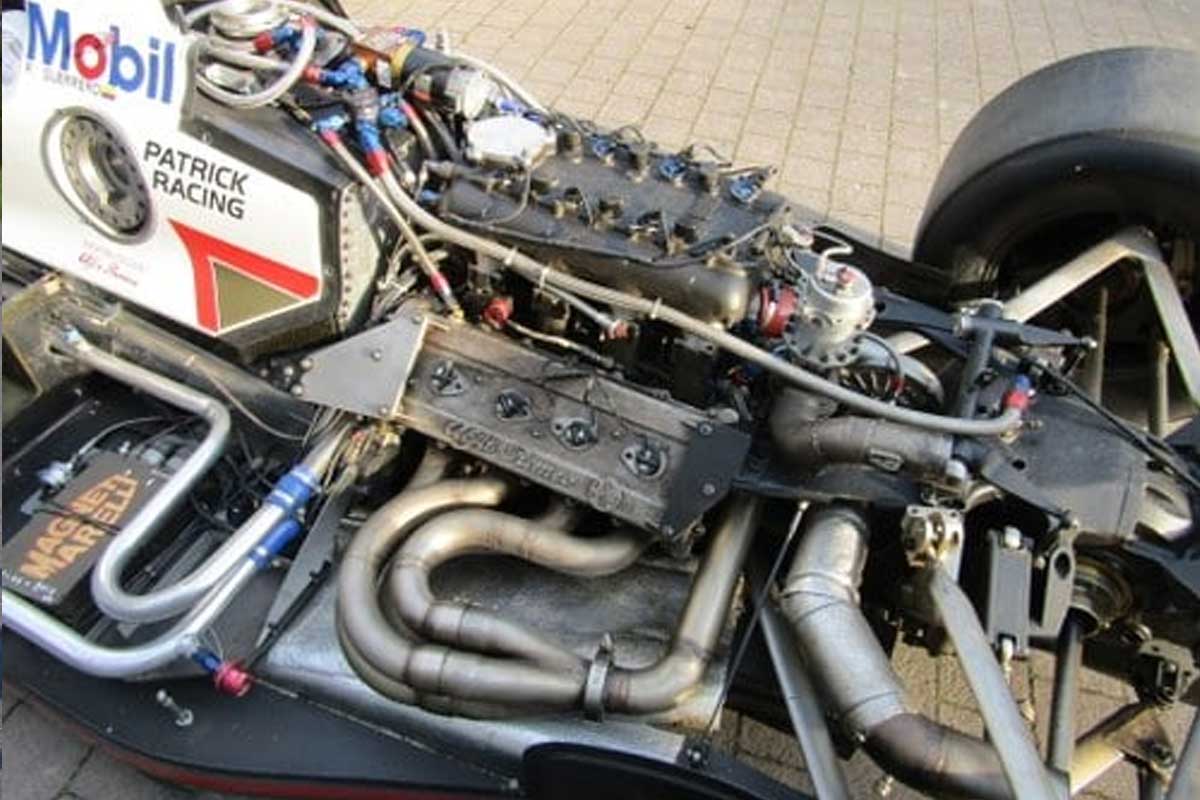

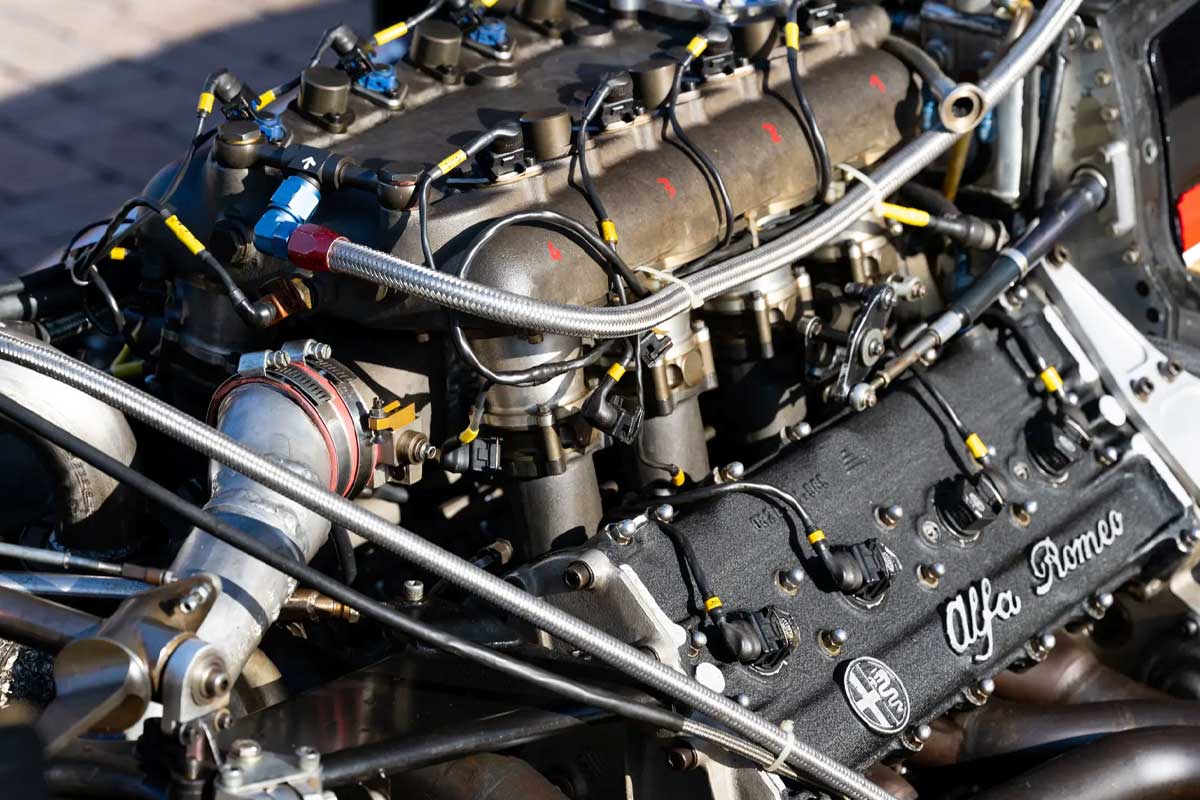
In October 1988, Alfa Romeo began designing the V8 under the direction of Claudio Lombardi. Fairly square (585 mm long, 670 mm wide and 560 mm high, weighing 155 kg), this 2,648 cm³ V8 has the same bore (86 mm) and stroke (57 mm) as the Ferrari 034. It delivers 680 bhp at 11,500 rpm, adapted for use with methanol fuel. However, unlike the Ferrari 034, whose exhausts are in the V, the Alfa engine adopts a classic design with external exhausts and an intake plenum integrated into the V. Magnesium parts and aluminum-silicon cylinder liners save weight, but a vibration damper had to be installed at the rear of the crankshaft, connected to the flywheel and clutch. No other engine in the CART championship used such a balancer. The engine benefited from a fully electronic Magneti Marelli management system, with an electronically controlled relief valve for the Garrett turbocharger.
March chassis
Scalded by its recent F1 experienceInstead of building its own chassis, Alfa Romeo teamed up with an experienced partner, March (which had its moment of glory in F1 in the early 70s), also involved with Porsche in the CART championship. It was also with March that Ferrari had explored the field a few years earlier. Alfa Romeo entrusted the running of the cars to the Calpels/Morales Racing stable, which had raced March 88C Cosworths in 1988. A 88C chassis was sent to Italy for testing, which began in March 1989 at Monza, with Bruno Giacomelli and Roberto Guerrero. The Colombian driver, seen briefly in F1 in 82-83, went on to become a firm fixture in the CART field, with two victories in 1987. Cosworth engines were also sent to FIAT Abarth for comparison with the Alfa Romeo V8. First stumbling block: it turns out that the Alfa Romeo V8 develops around 100 hp less than the competition...
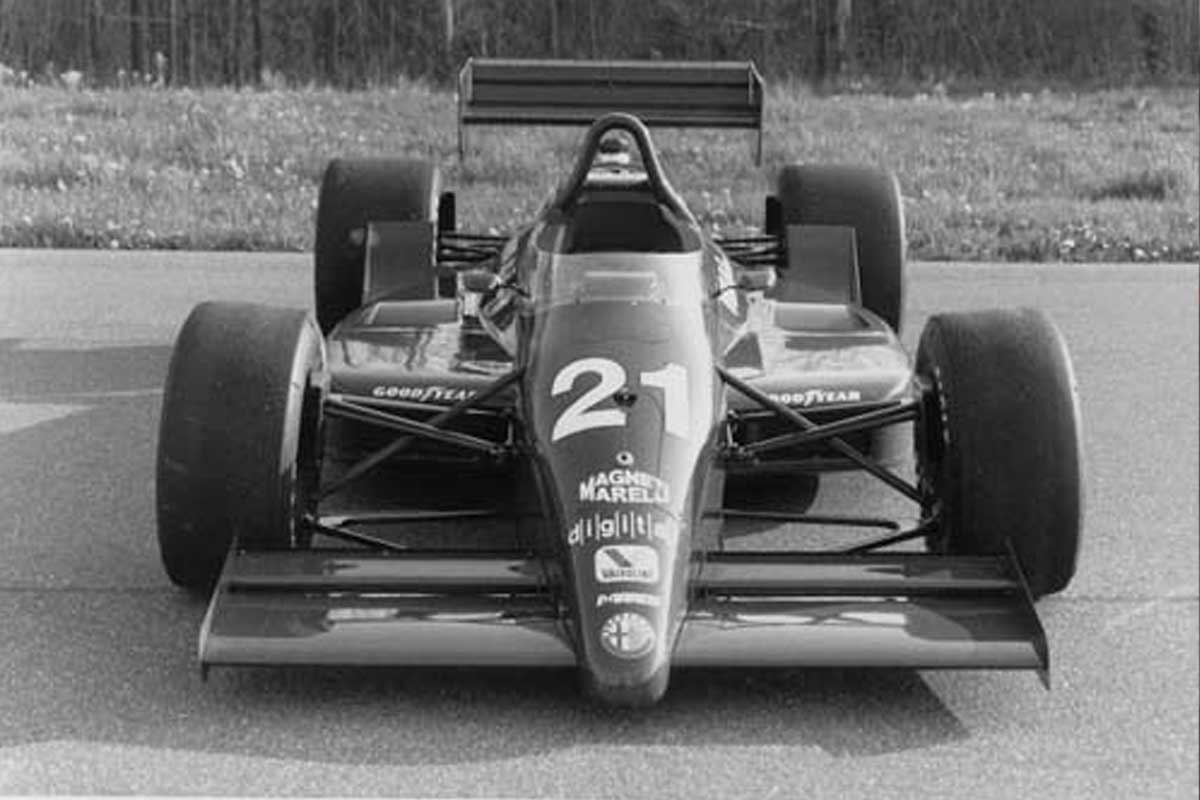
Meanwhile, the design of the Alfa V8-powered "March 89CE" was led by Maurice Philippe, a design veteran who had been involved in such classics as the Lotus 49, 72 and the 1968 Indianapolis 56 turbine. The 89CE featured a lowered center of gravity and revised ground-effect tunnels to generate more downforce.
Thwarted beginnings
March claimed that the hull was the stiffest ever built, until the Morales team discovered a calculation error concerning the chassis design and stiffness. This error could no longer be corrected, however, and the cars were shipped to the United States to race as is. As a result, the team missed the first races of the season. Just as its debut was set for Indianapolis, Alfa Romeo was faced with the unforeseen problem of strikes in Italy. Although the team had signed up for Indianapolis, it had to withdraw due to setbacks caused by the strikes, which meant that it was unable to produce all the engines it needed. As a result, the team postponed its debut in Detroit, but suffered another setback with the death of Maurice Philippe.
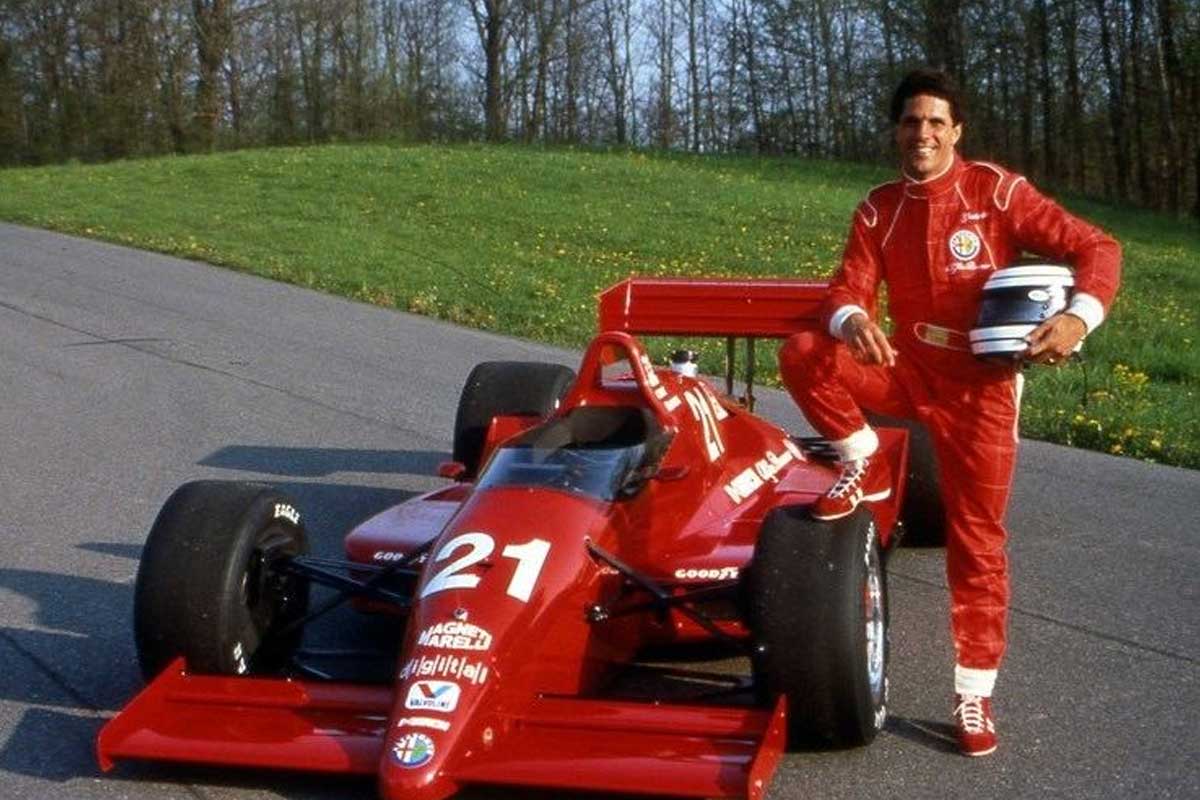
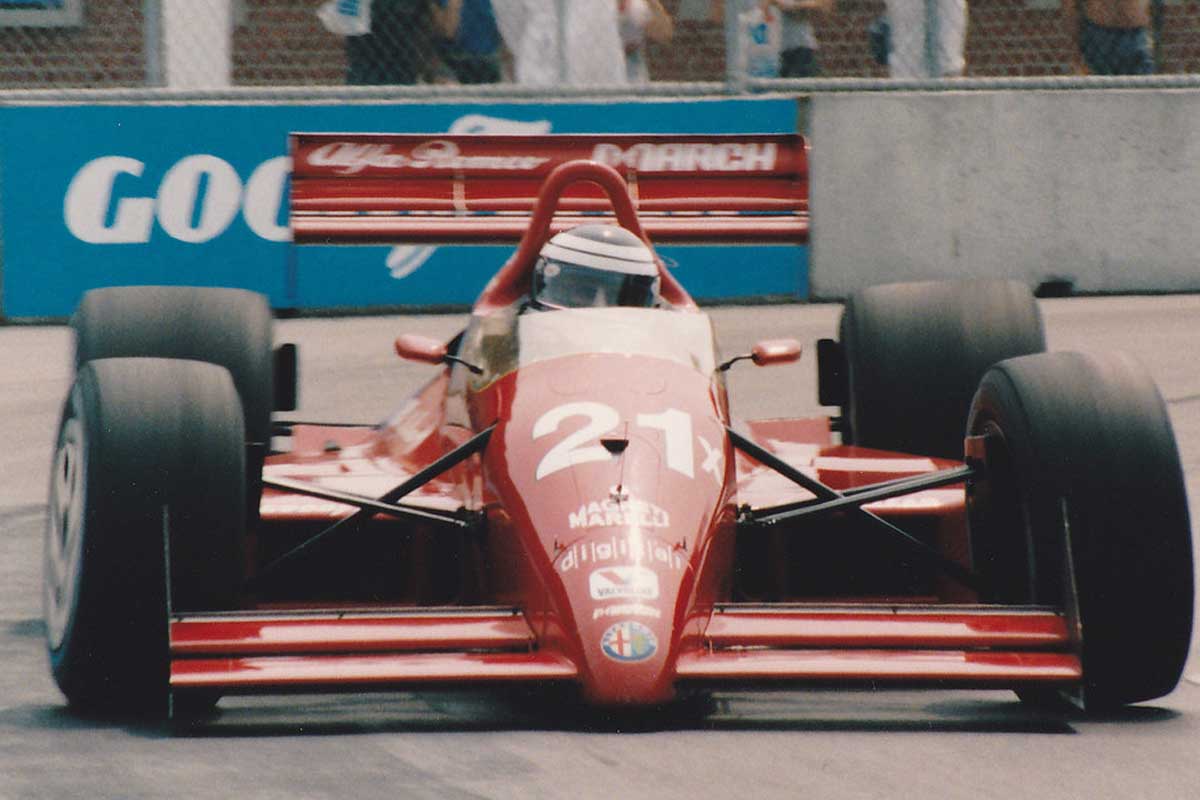
The team entered the car, number 21, with no apparent sponsorship, Alfa Romeo being the main provider of funds; the red car bore only the Alfa Romeo and March logos, but no main sponsor. In his first race, Guerrero qualified at the back of the grid, but achieved an encouraging 8th place. But let's not kid ourselves: only 12 cars had finished, thanks to a hecatomb on the track. Unfortunately, this was the only highlight of the season for Alfacorse-Capels Racing. Only one other point was scored at Mid-Ohio, thanks to Roberto Guerrero's 12th-place finish. The rest of the races consisted of anonymity at the back of the grid and withdrawals. The result was very disappointing at the end of the first year: only 6 points scored in 11 races, and just one Top 10.
1990: new team
March suggested that Alfa Romeo turn to Pat Patrick Racing, a new team it considered more promising. Pat Patrick, a racing legend, was going through a difficult period. He had just lost his 1989 champion, Emerson Fittipaldi, to Penske, as well as the financial backing of Marlboro. His interest in Alfa Romeo then led to a split with his partner Chip Ganassi, the majority shareholder, who was determined to dispose of the dominant Chevrolet Ilmor. Ganassi then took over the entire team, prompting Pat Patrick to start afresh for 1990. The new Patrick Racing team made a deal with Penske and secured the main sponsorship of Miller Genuine Draft, as well as the services of Al Unser Sr for the 500-mile races.
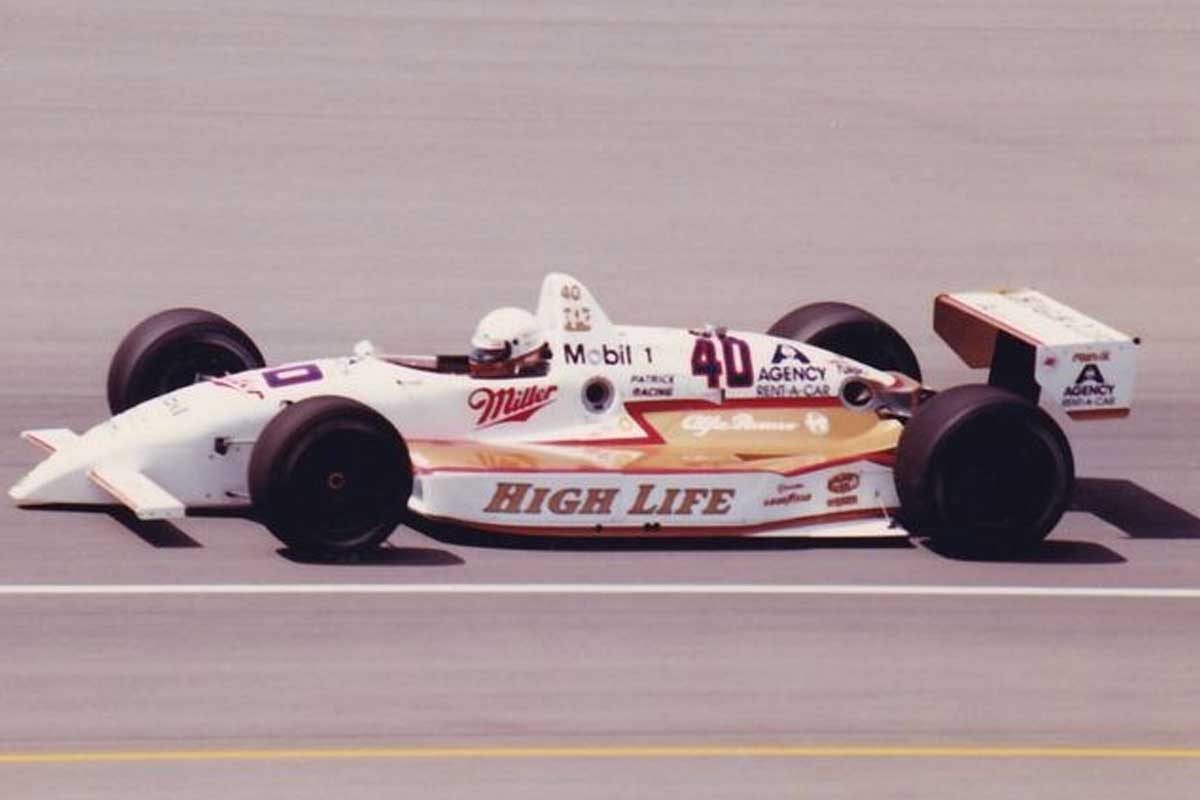
For the 1990 season, a new single-seater was launched: the March-Alfa Romeo 90CA, whose front end was clearly inspired by the Porsche-powered March 89P. The design was by John Baldwin. The monocoque chassis was made of aluminum and carbon fiber. The transmission, specifically designed for the Alfa Romeo V8, offered a more rigid connection with the engine, allowing optimum low position of the turbocharger. The bodywork was described as being as smooth as possible to minimize aerodynamic disturbance.
Alfa Corse does all it can to improve its V8
Alfa Corse developed four different V8 configurations. At the beginning of 1990, the car was still to use the Phase 2 engine, with four valves per cylinder, but a Phase 3 engine, with five valves per cylinder and three intake valves, was launched. The Garrett turbocharger was placed at the heart of the car. The air intake was located in the right side deck. Exhaust gases from the turbine were evacuated via a manifold concealed under the bodywork on the left-hand side pontoon, between it and the floor.
The V8 had just one discharge valve, positioned above the turbocharger. The flow was directed upwards and escaped at the rear-left corner of the hood. The pipe, which was clearly visible, protruded beyond the bodywork, which meant that the hood had to be raised. This configuration gave the impression that the rear of the hood was particularly high. The low position of the turbocharger would have made it possible to lower the hood, but the pressure relief valve system made this impossible. The relief valve system therefore seemed less well thought-out than the more elegant solutions from Lola and Penske.
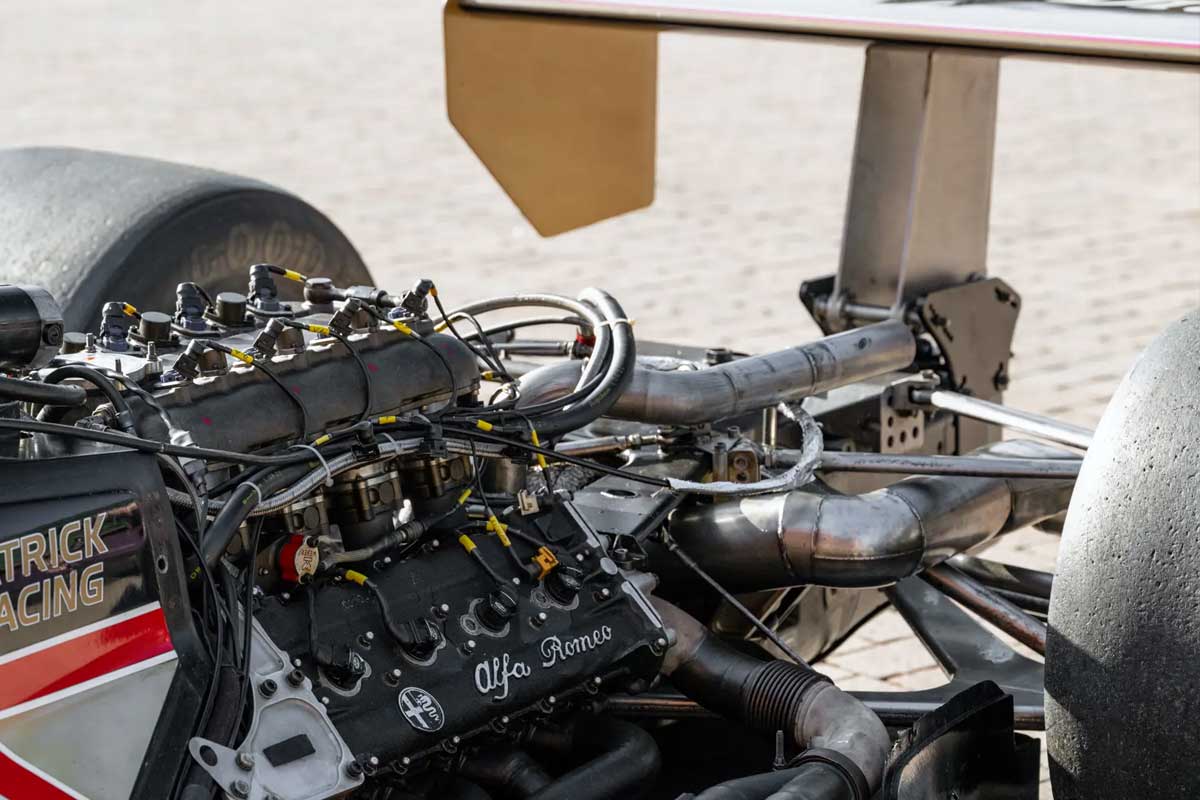
Alfa Romeo also announced a new version of the short-stroke V8, more compact and with a lower center of gravity, expected during the season. But what was Alfa Romeo's real commitment? At the same time, the brand announced its intention to develop a V12 sports car engine, to be tested against the existing V10 (ProCar) for the sports car project, still in development, scheduled for 1991.
Fiasco in Indianapolis
A single 90CA, driven by Roberto Guerrero, took part in the first two races of the 1990 season. 16th place was its only satisfactory result. At Long Beach, the "Monaco" of CART, the car seemed to be struggling, and the engine was clearly inferior to the competition. In practice, Guerrero set the 19th fastest time out of 25 starters. Worse still, we learned that the March-Alfa was also overweight! A 14th-place finish, 5 laps behind the winner, was the final, unsatisfactory result.
Four cars were entered at Indianapolis. The long-awaited "Phase 3" engines were not ready, and the old, underpowered "Phase 2" engines had to be used. During the first week of testing for the 500 miles, the Alfa Romeos didn't cause a sensation. The sound of the Alfa engine was markedly different from that of any other four-overhead cam V8. The Alfa Romeo howled and emitted a high-pitched whistle that was unique on the circuit. On Tuesday May 8, the bodywork of both cars caught fire, disrupting their progress. Engineer Mo Nunn attributed the fire to a porosity in the distribution chamber of the turbocharger intake manifold, through which methanol had leaked onto the engine before the fire started. On Friday May 11th, Al Unser set the fastest March-Alfa lap, at an average speed of 345.34 km/h, compared with Al Unser Jr's best lap in a Lola-Chevrolet, achieved at an impressive 367.91 km/h. The results were edifying.
The 500-mile race was an ordeal. Guerrero and Unser had to battle with the latecomers. The former was forced to retire when, during a pit stop, the transmission axles came loose while changing the right rear wheel. Al Unser Sr. dragged himself along, commenting: "I spent more time looking in my mirrors than looking ahead.. He crossed the finish line 14 laps behind the winner, Arie Luyendijk. Ironically, Unser won the prize for the best comeback: he started 30th and finished 13th.
New chassis, but no miracle
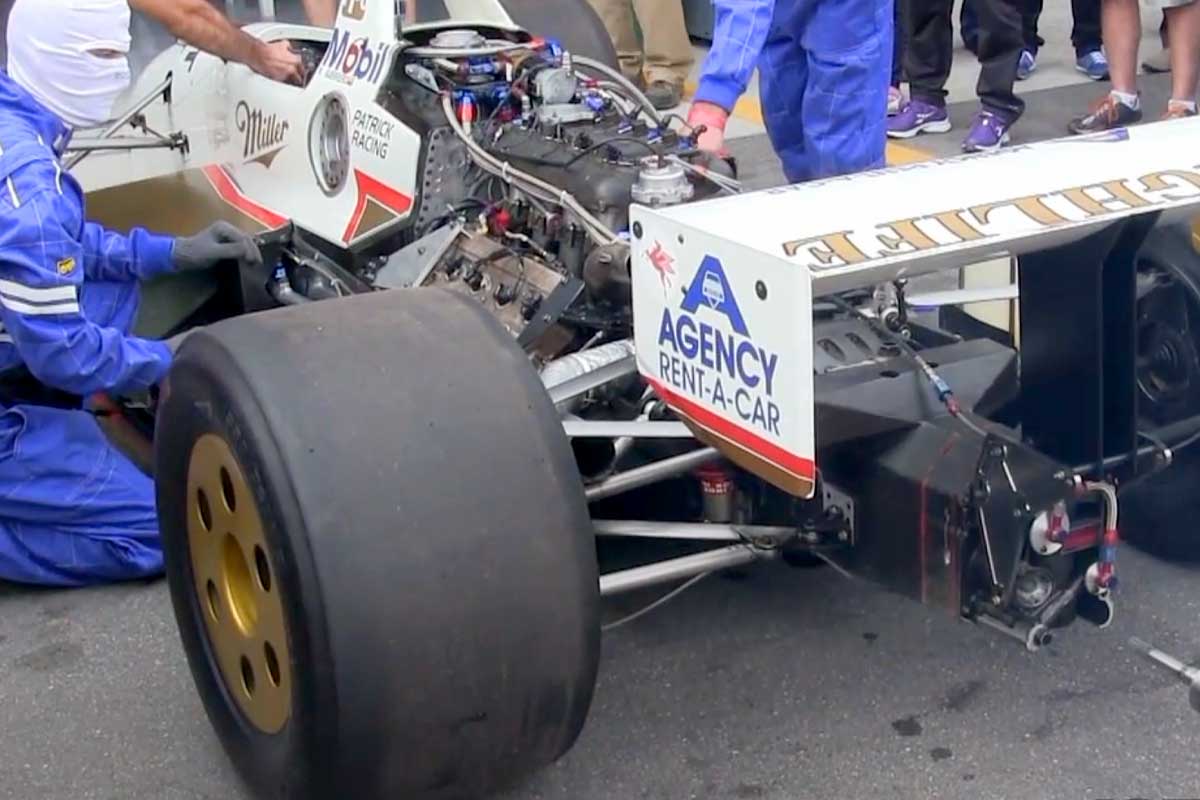
A week later, Patrick Racing announced its switch to Lola T90/00 chassis. The acquisition was prompted by Alfa Romeo engineers, who claimed that their V8 was comparable to the Chevrolet engine and doubted the capabilities of the March chassis, which was in serious financial difficulties and struggling for survival. The Porsche-powered March 90P project was no better. The March-Alfa had suffered irreversible design problems. The rear suspension components were hidden behind the bodywork, unlike other chassis where the upper wishbones were exposed to the front view. On fast circuits in particular, certain parts of the car generated more drag.
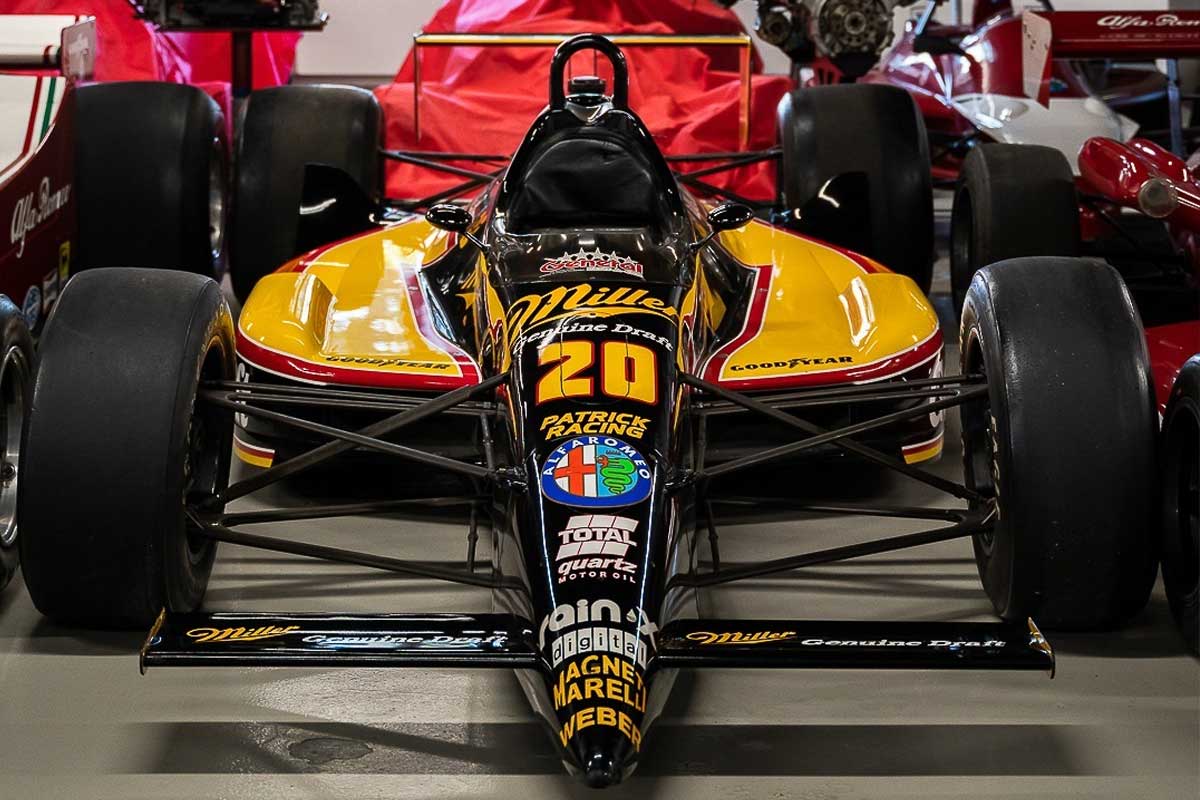
Another detail was also revealed by a team veteran: the cars were fitted with huge titanium wheel hubs with steel nuts that eventually seized up and damaged the titanium. The only recourse for mounting and dismounting the wheels was a miracle grease, made in France, packaged in small tubes that cost around $400 each! The cars also featured ill-fitting body parts, with sharp edges everywhere. Mechanics needed a toolbox full of cut-off wheels and grinders to work on them.
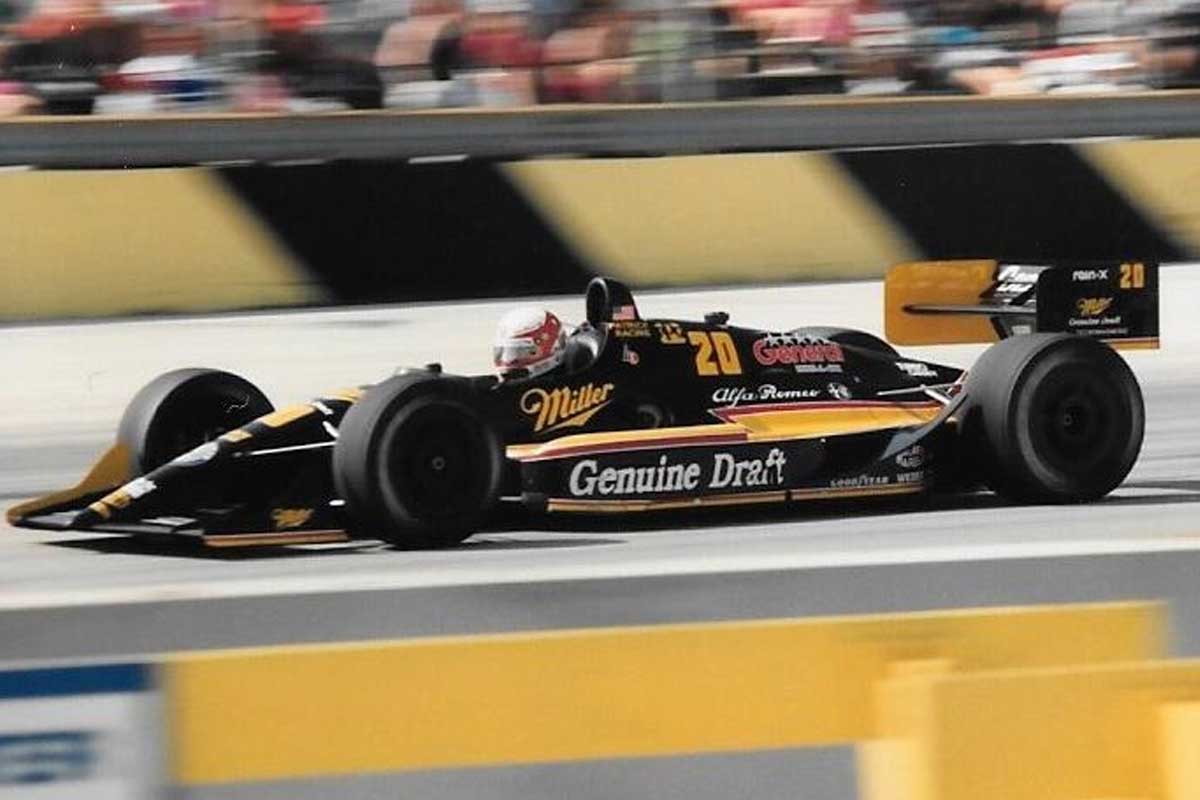
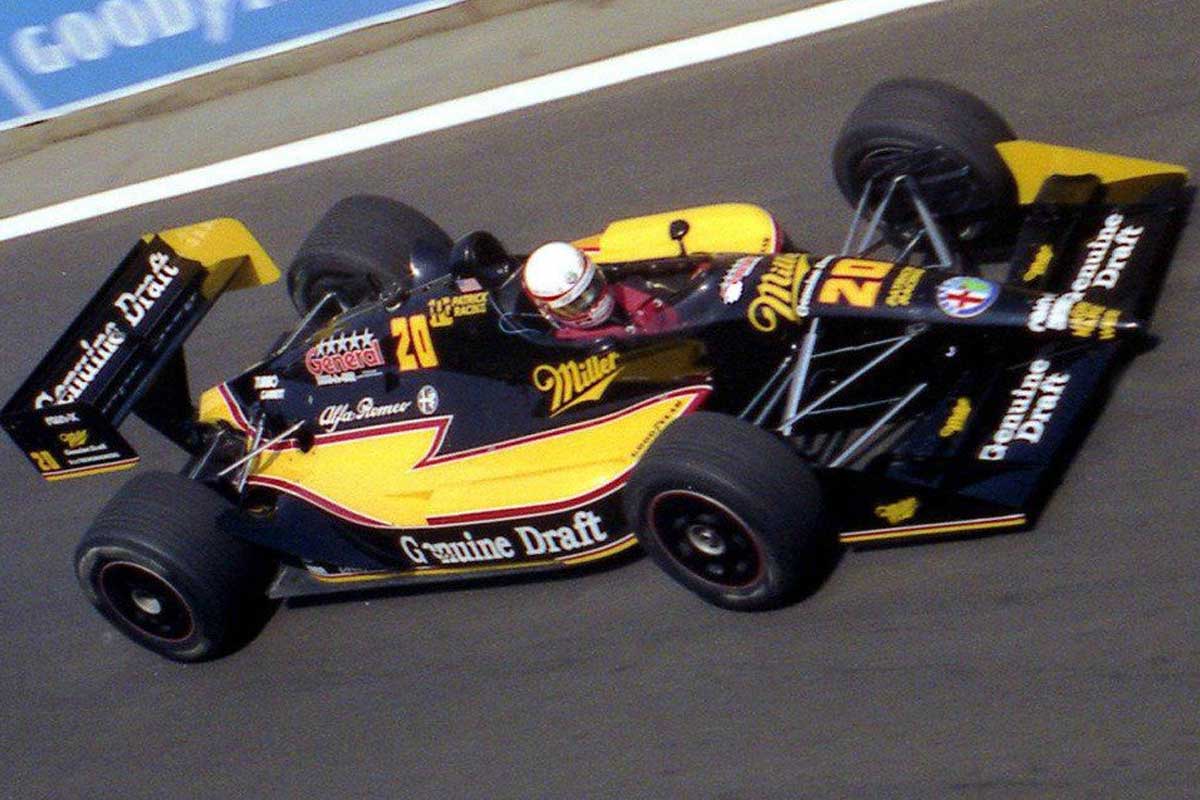
The switch to Lolas brought some progress. Guerrero finished 5th at Michigan 1990. In 1991, Danny Sullivan (also a former Penske driver) became the main driver. With the Lola T91, the 1991 season was a little better. Danny Sullivan took 4th place in the season opener at Surfers paradise, then 5th in Milwaukee. A few more top-10 finishes gave the American 56 points and 11th place in the championship, but it was still not enough.
An inglorious withdrawal
Alfa Romeo put an end to its program and refocused on a far more successful project for 1992: the 155 GTA, which would soon give rise to the 155 V6 Ti Class 1 of 1993. The year was nevertheless marred by a scandal, to cap it all. By the end of the 1991 season, Patrick was facing financial and legal difficulties. Rumors circulated that the team had shipped an Ilmor Chevrolet engine to Alfa Romeo engineers in Italy, who had dismantled it and taken over design elements. The engine was sent back in parts, provoking the fury of Ilmor's management. As a result of Patrick's possible fraud, the team was refused a contract to lease Ilmor Chevrolet engines, and Patrick was forced to sell the team to Bobby Rahal and his partner Carl Hogan. Pat Patrick's move was not well received, and led to a new policy: Ilmor would no longer sell engines directly to customers; teams would have to lease them. The engines would be sealed, and any team breaking the seal would face serious consequences. From then on, this policy would apply to all engine manufacturers.
Alfa Romeo thus left CART by the back door, marking the end of a rather tumultuous decade in which the Biscione had spread itself thin on the ground with multiple projects, even as the brand struggled financially: 4-cylinder turbo F1, V8 Turbo F1, naturally-aspirated V10, Procar, 75 supertourism, Group C project, etc....

 English
  French
  Italian
  Spanish
  Portuguese
  German
  Japanese
  Turkish
  Dutch
Dutch