

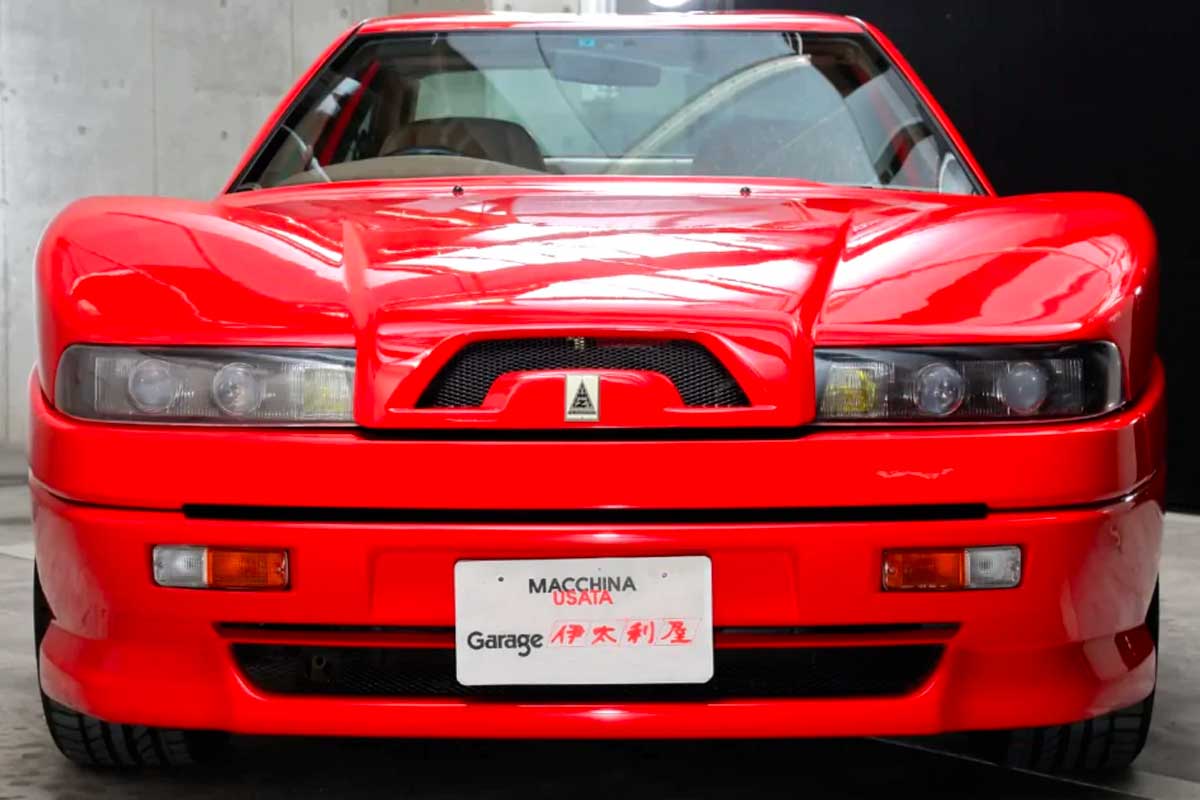
Before the Stelvio name became synonymous with sporty SUVs at Alfa RomeoIt had already been worn by an automobile as rare as it was unclassifiable. In Tokyo, in a garage specializing in vintage Italian cars, a bright red apparition is now attracting discerning eyes: the Zagato Autech Stelvio. A totally forgotten '90s coupé, produced in just a few hundred examples, the only thing it has in common with the modern SUV... is its name.
An Italian... designed for the Japanese
Behind this intriguing car lies a collaboration as astonishing as it is ambitious, between Milanese coachbuilder Zagato and Japanese tuner Autech Japan. At the end of the 80s, Japan was experiencing an economic golden age, and with it a craze for out-of-the-ordinary luxury cars. Nissan decided to entrust its subsidiary Autech with the task of creating ultra-exclusive models for a wealthy clientele. The idea was simple: to produce genuine "designer cars", designed without compromise and sold in very small series. To inaugurate this program, Autech turned to Zagato, whose bold bodywork had already made its mark on Alfa Romeo, Aston Martin and Lancia. The project was given an Italian collar name: Stelvio.
Hammer-sculpted coachwork, just like in the old days
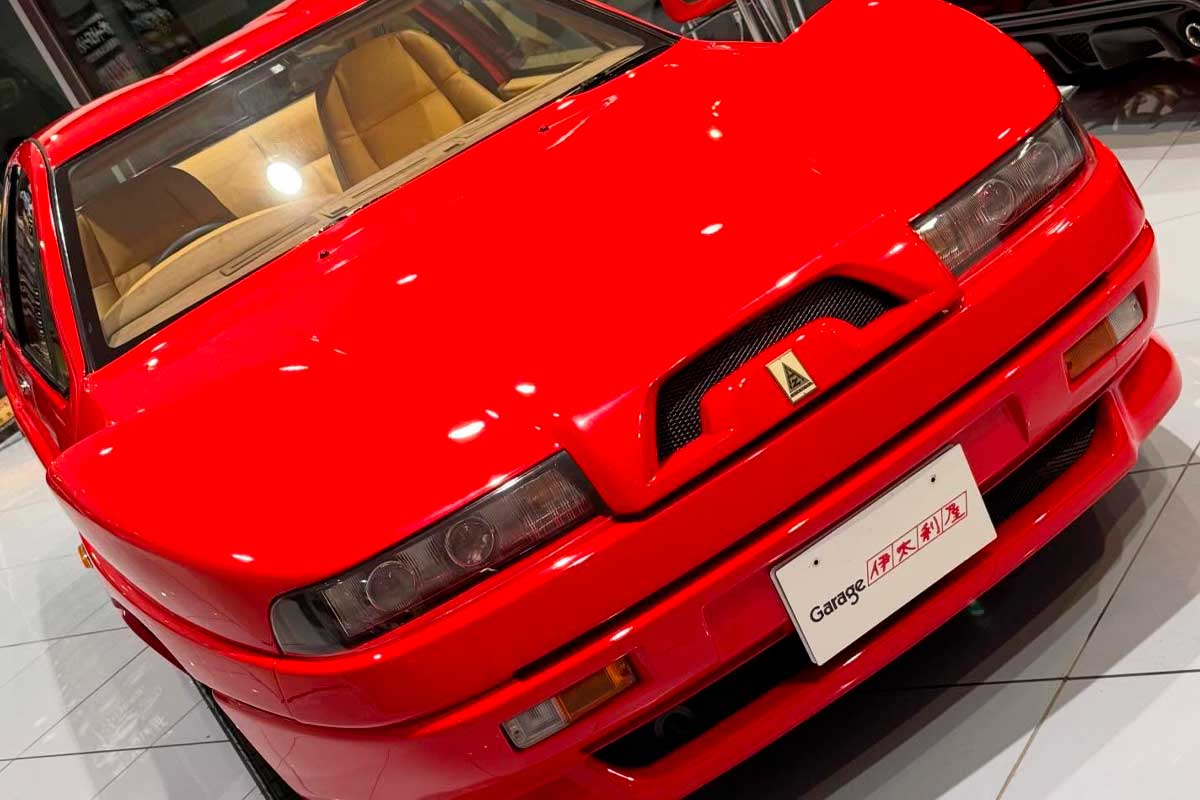
Introduced at the 1989 Geneva Motor Show, the Zagato Autech Stelvio was immediately divisive. Some found it fascinating, others frankly disturbing. Its bow is dominated by an improbably shaped, bulging hood, incorporating both air intakes and... rear-view mirrors housed directly in the front fenders. The flanks are muscular, the solid rims evoke futuristic hubcaps, and the rear ends in a discreet band of black lights.
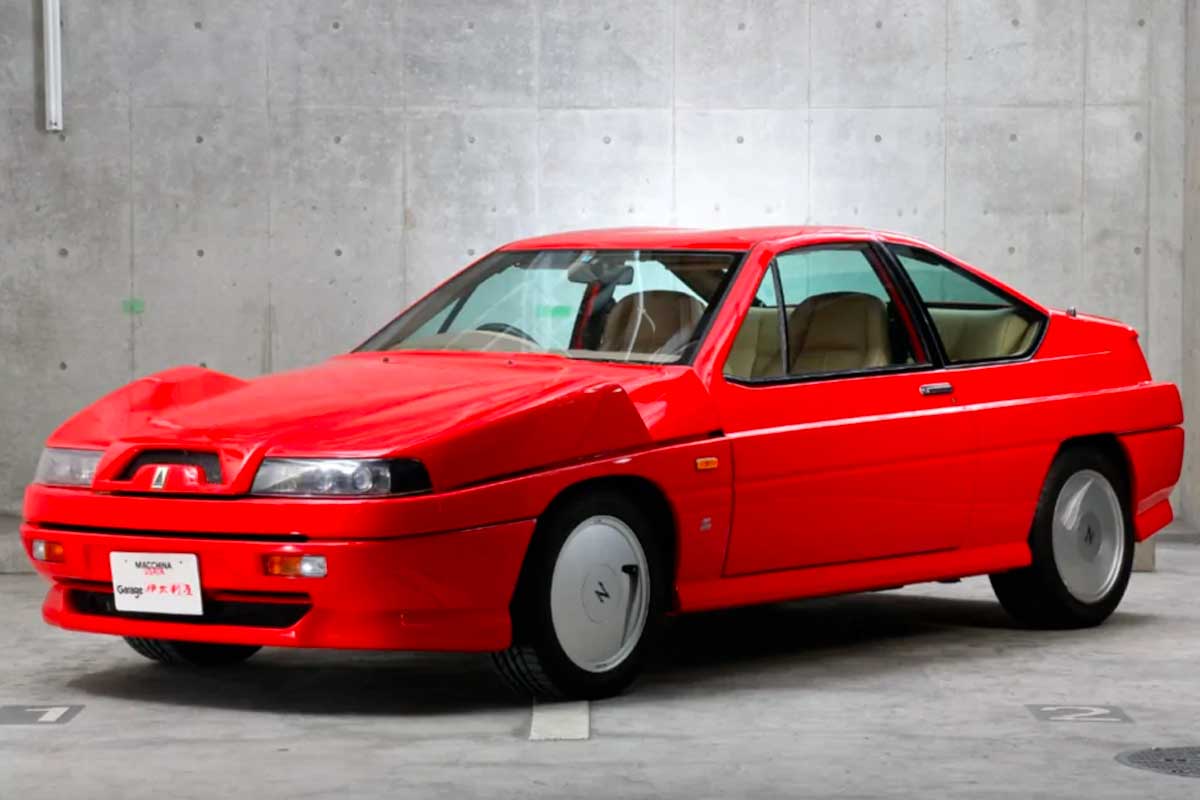
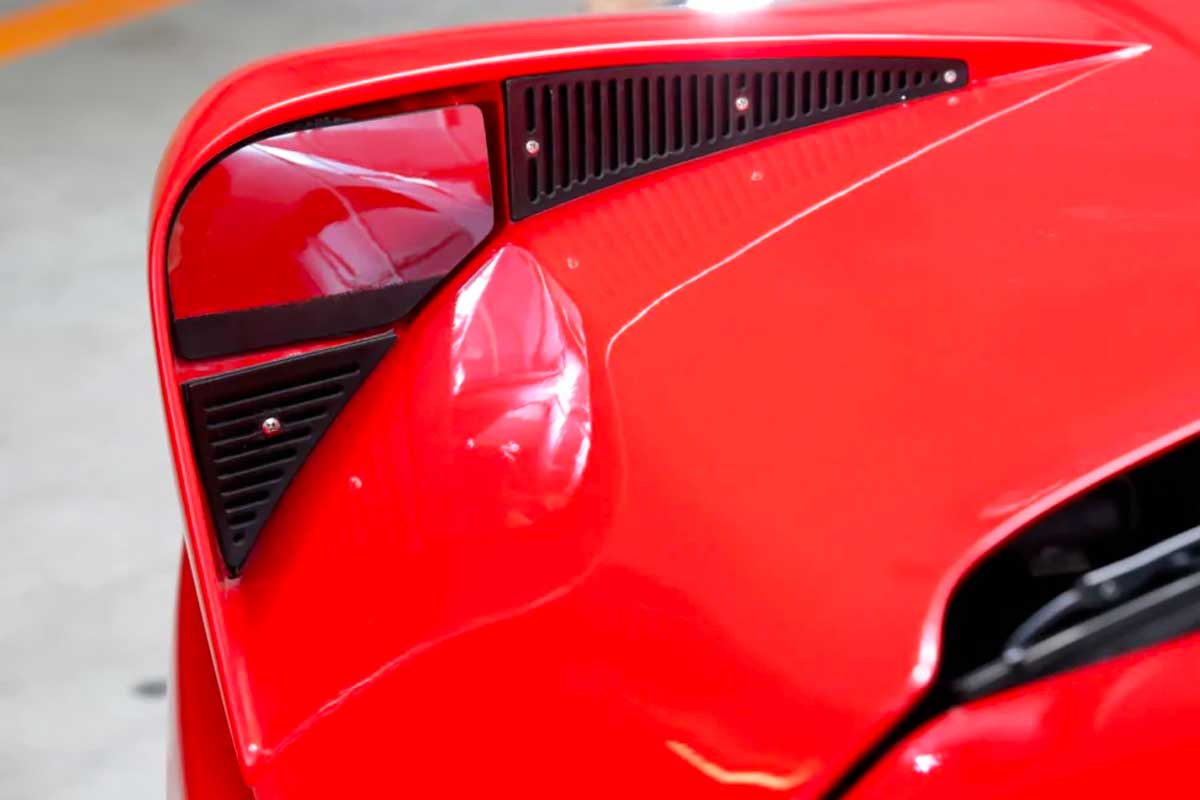
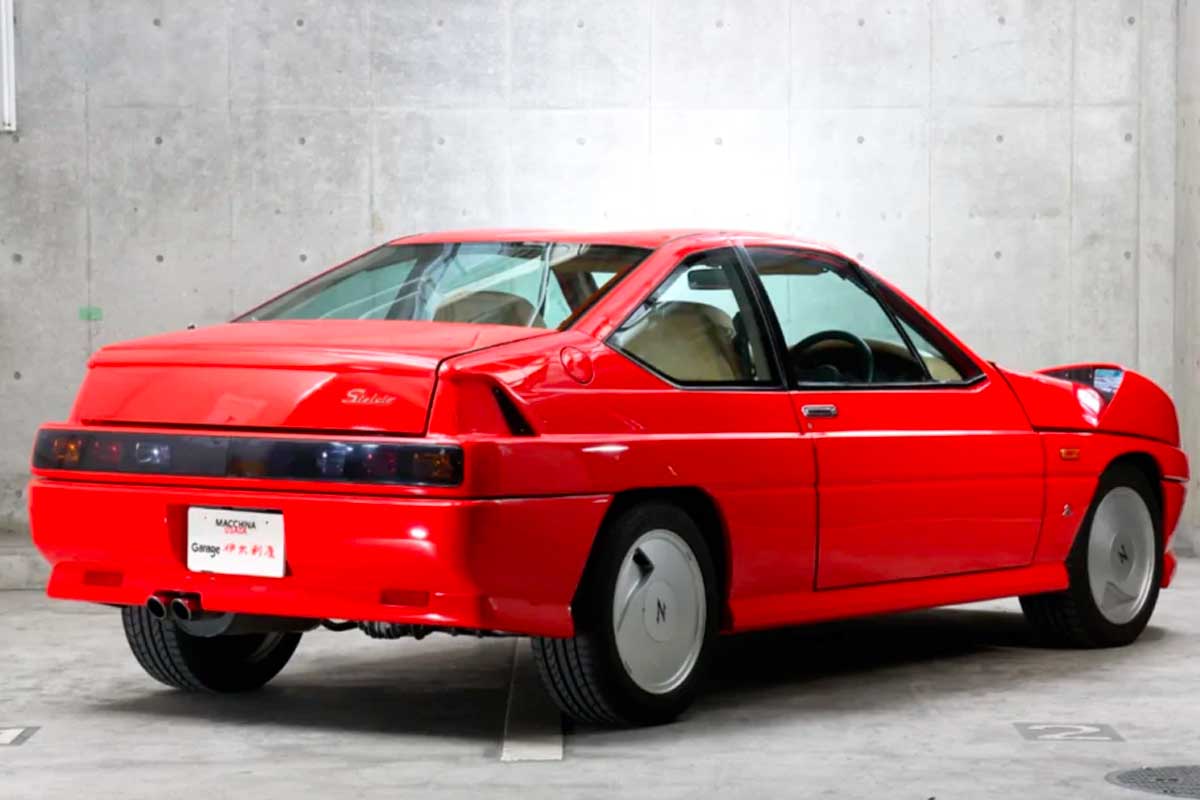
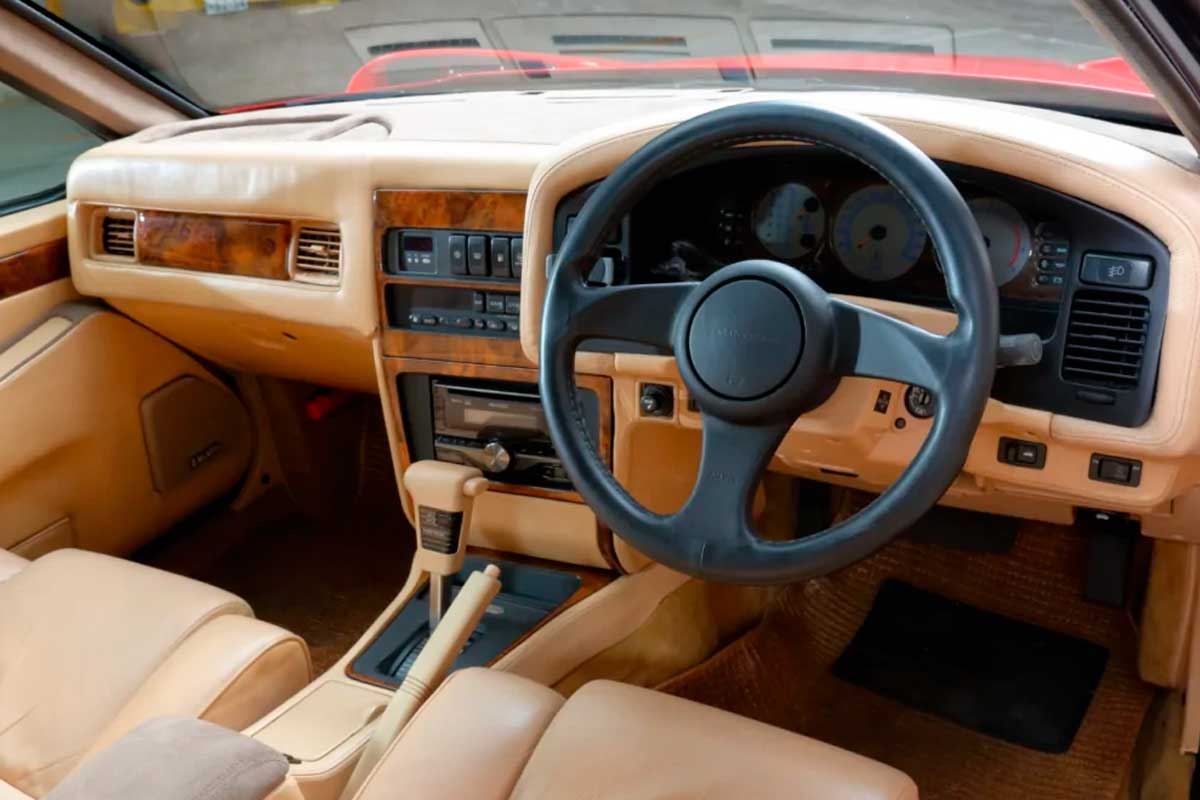
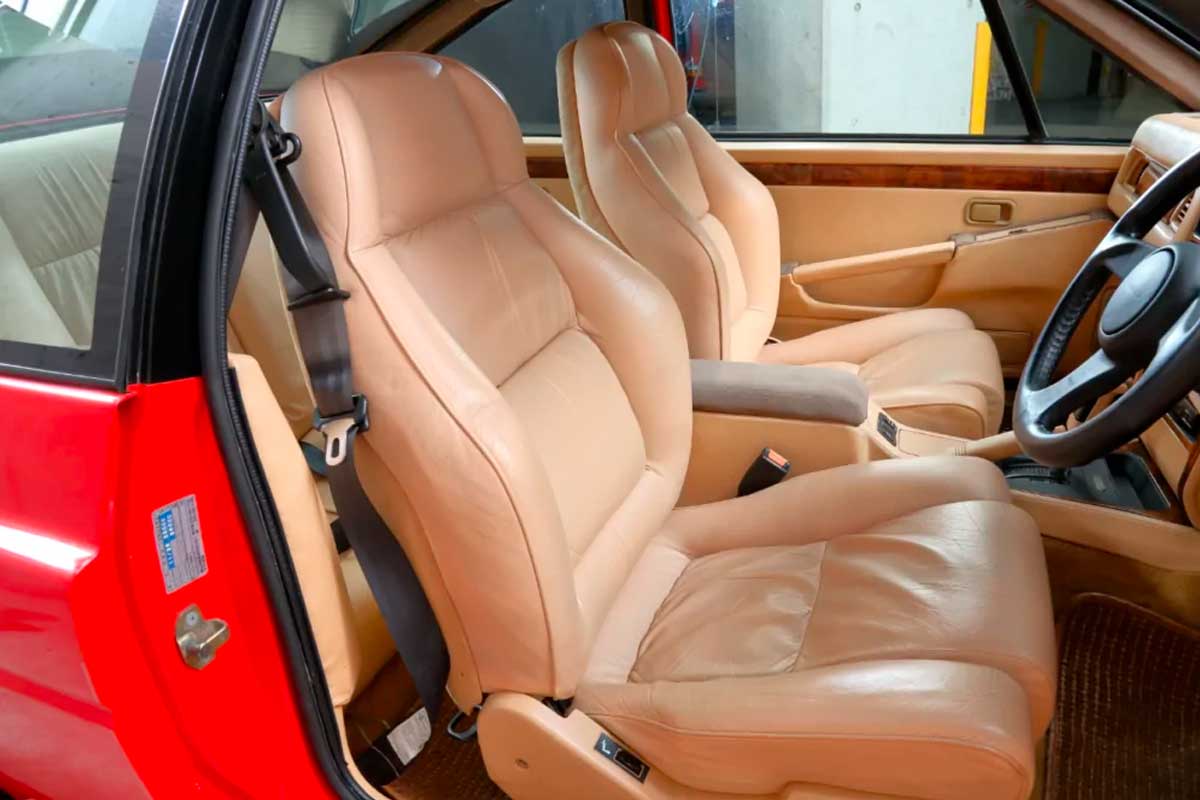
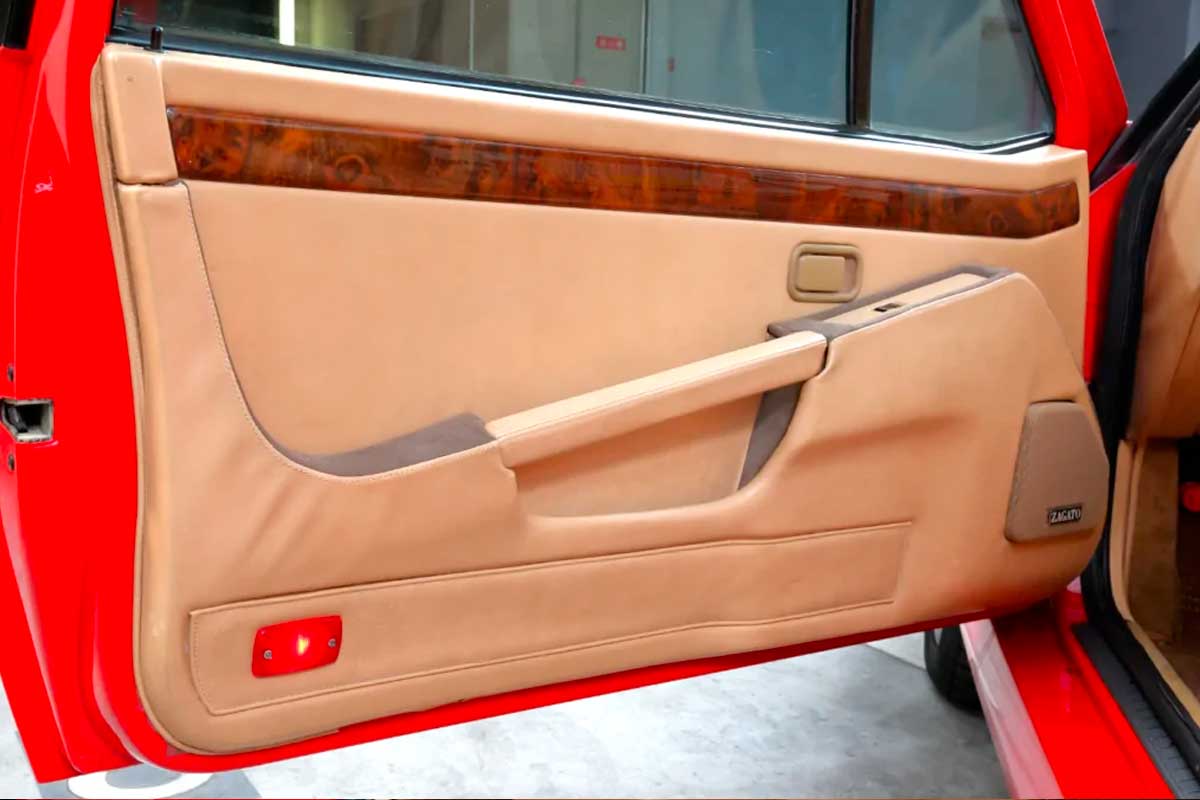
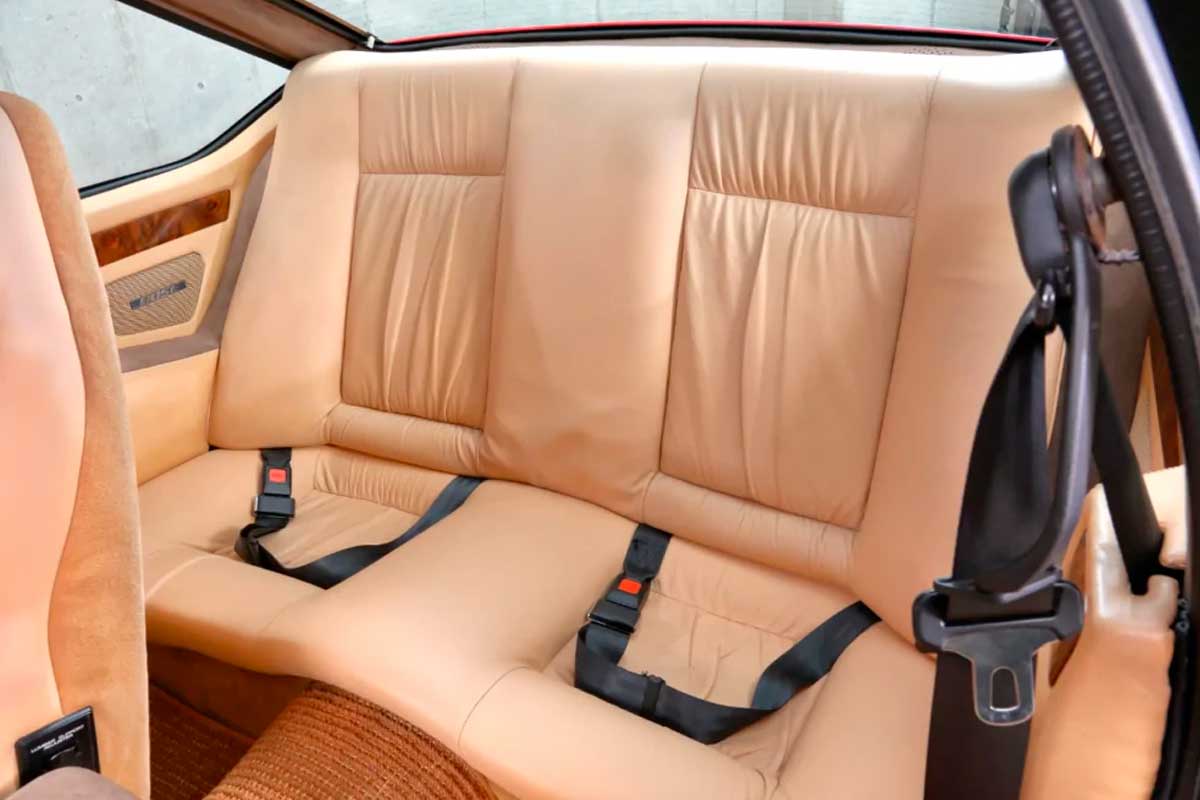
But behind this atypical design lies craftsmanship of rare nobility. The bodywork is made entirely of aluminum, shaped by hand using a method close to the famous Superleggera process. Each panel is hammered, fitted and polished by Italian craftsmen, a far cry from industrial assembly lines. Even the interior reflects this attention to detail, with a luxurious presentation combining full-grain leather and walnut woodwork, in an atmosphere that is resolutely more Italian than Japanese.
A Japanese heart under an Italian dress
Yet beneath this rolling sculpture beats a very Japanese heart. The technical basis comes from the Nissan Leopard, a direct cousin of the 300ZX. It features a twin-turbocharged 3.0 V6 officially rated at 280 hp, but actually rated at around 290 hp. A slight deliberate under-reporting, a consequence of the famous unofficial pact between Japanese automakers limiting advertised power.
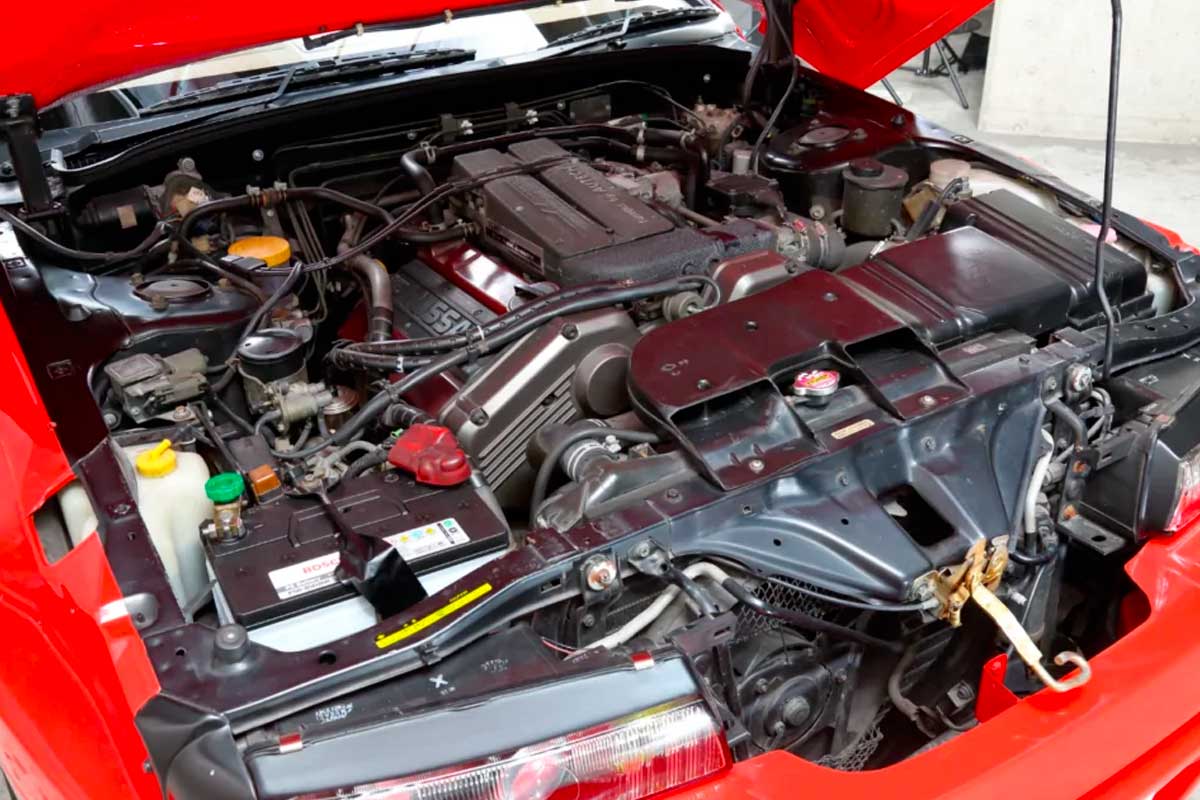
The four-speed automatic gearbox is imposed from the outset, betraying the model's grand touring rather than sporty orientation. Despite its specific chassis, reinforced and optimized by Autech, the Stelvio was never conceived as a circuit beast. It's a rolling salon car, a rolling work of art rather than a performance tool. Its aim is not to beat lap times, but to make people talk about it, to surprise, even to disturb.
A car sold for the price of a Ferrari
In 1989, the Zagato Autech Stelvio was offered at around 700,000 francs, or over 100,000 euros today. A crazy price for a Japanese car at the time, equivalent to that of a Ferrari. As a result, only a few hundred examples were produced. Officially, 203 units were produced, including a few prototypes. Other sources put actual production at less than 110 vehicles. In other words, it's almost a miracle to see it in the flesh today.
Exhibited in Tokyo... and for sale
The example currently on display in Japan can be seen at Garage Italya, a dealer specializing in rare Italian models. A delicious irony: this Italian designed for Japan is now being sold by a Japanese garage with an Italian name. The car is not only on display, but also for sale, at a price that can only be quoted on request. The car boasts a bright red livery, beige interior and just 39,000 kilometers on the odometer. First registered in Japan in 1997, it is still in perfect condition, and its technical inspection remains valid until the end of 2025. It's a right-hand-drive rear-wheel drive car, with a 2,960 cm³ twin-turbo V6 and original automatic transmission. Its imposing luxury coupé dimensions give it an unexpected presence, further enhanced by its unclassifiable design. A Stelvio before its time. And probably forever the strangest.
 English
  French
  Italian
  Spanish
  Portuguese
  German
  Japanese
  Turkish
  Dutch
Dutch
Eine leichte Ahnlenung zum SZ der im gleichen Zeitraum gebaut wurde.
Oh my god... it's horrible!