

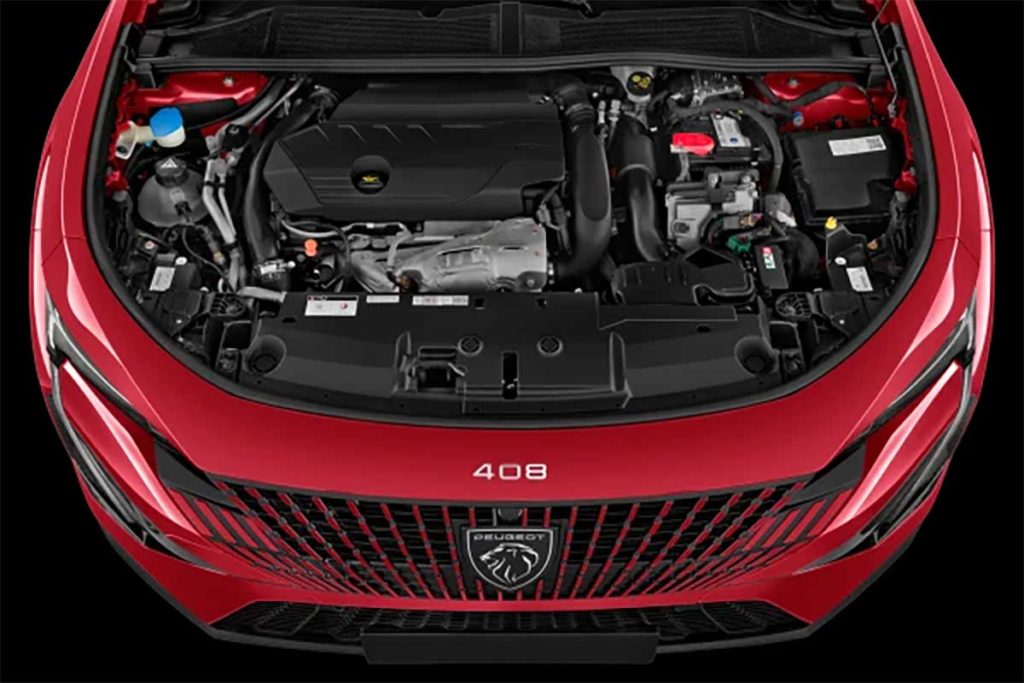
Several months after its official unveiling, the new 1.6L hybrid engine from Stellantis finally makes its debut on American roads. The first press tests of the Jeep Cherokee 2026 have just begun in the United States, and they reveal an interesting technical detail: behind this powertrain presented as unprecedented actually lies a mix of European... and Japanese technologies.
While the engine comes from Peugeot, the hybrid transmission comes from a supplier with close ties to Toyota.
A French engine at the heart of the American Cherokee
Under the hood of the new Jeep Cherokee, Stellantis uses an engine familiar to European engineers: the 1.6-liter EP6, a turbocharged four-cylinder originally developed by PSA and already used on several Peugeot plug-in hybrid models.
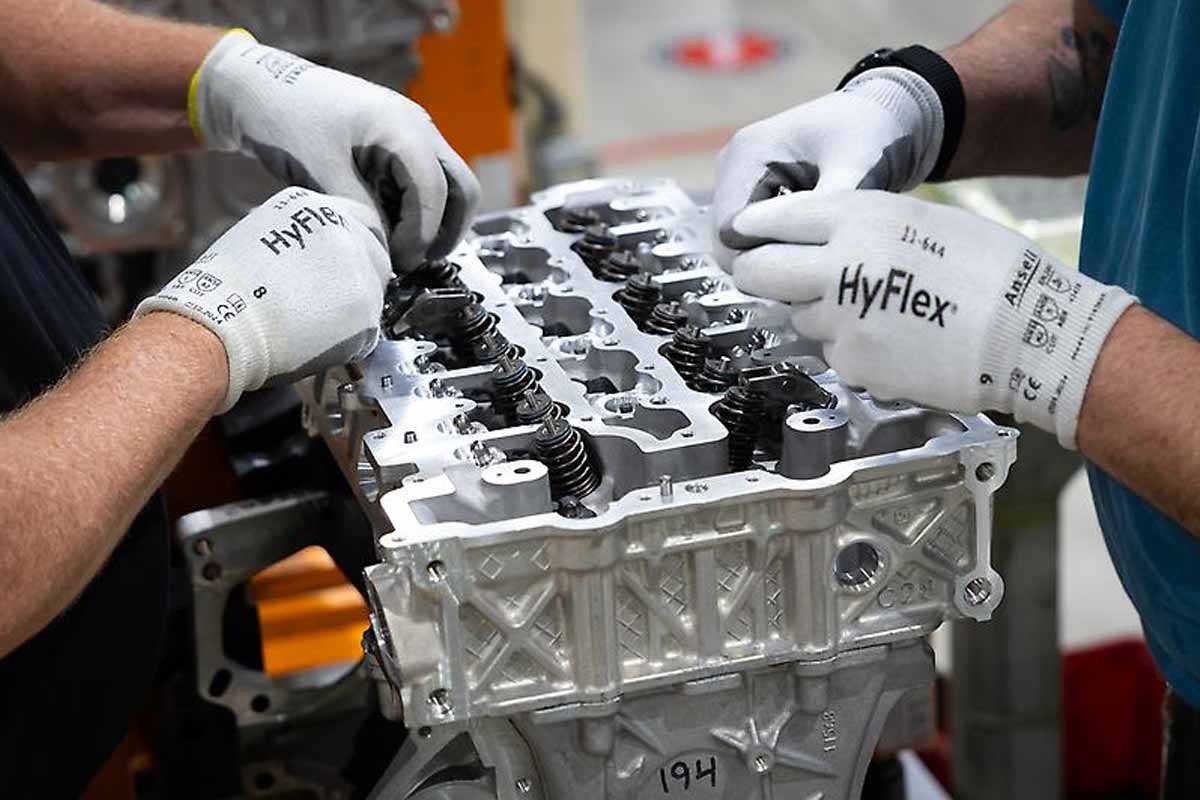
For the North American market, this engine has been adapted as a simple hybrid (HEV). It now develops 177 hp from the internal combustion engine, for a combined output of 210 hp when combined with the electric system. This configuration differs from the European plug-in hybrid version, where the combustion engine is generally limited to 150 hp.
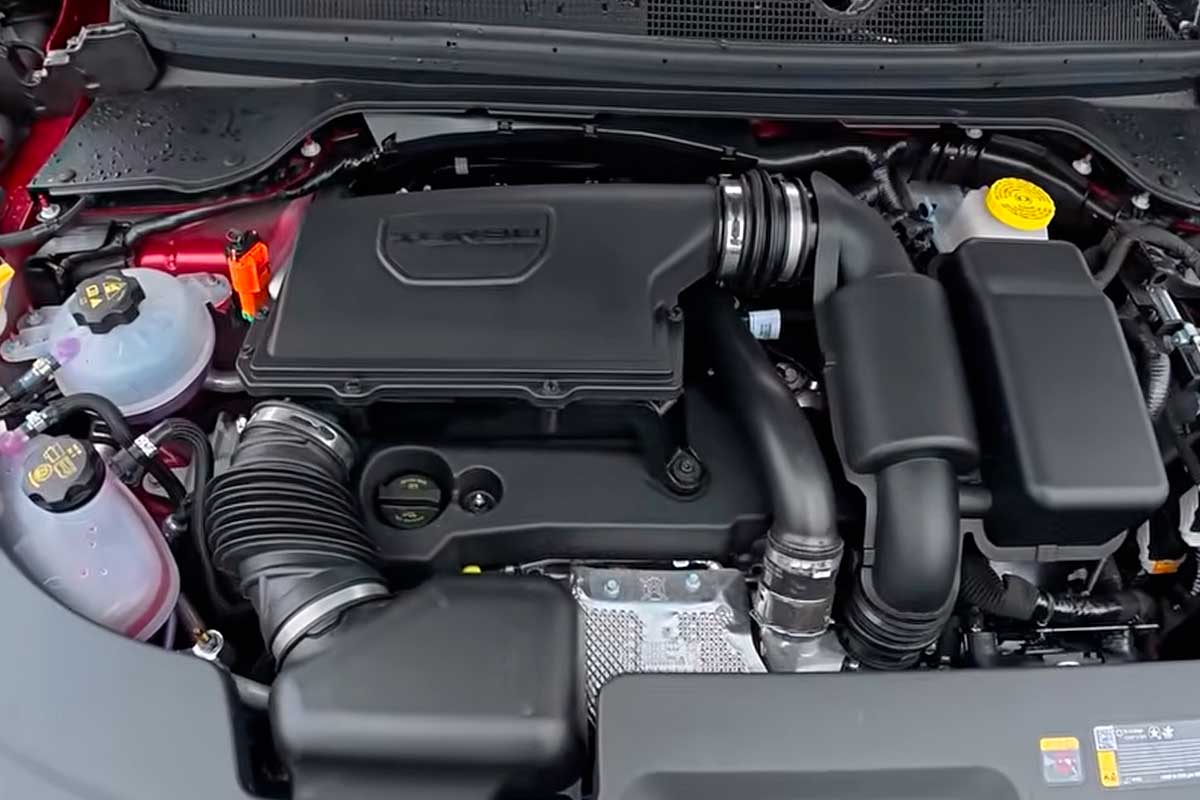
Produced at the Dundee plant in Michigan, this engine runs on a Miller cycle and benefits from a turbo capable of reaching pressures of around 2.6 bar. But the real special feature of this engine is not the engine itself.
A hybrid transmission from Toyota
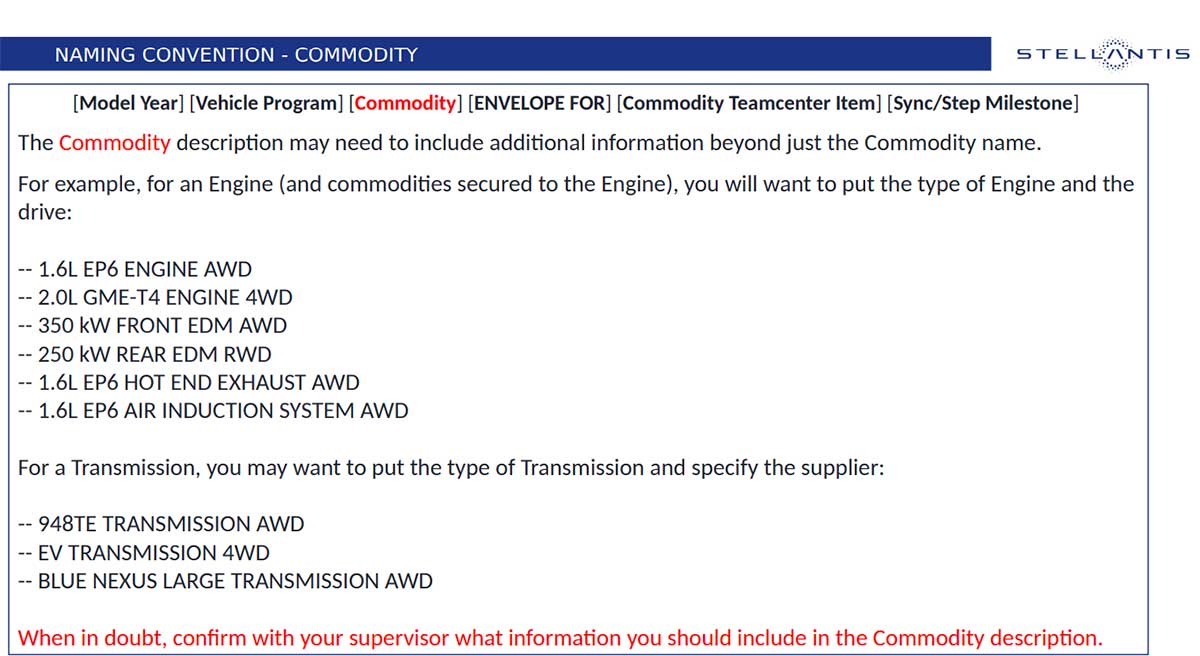
To hybridize this engine, Stellantis did not use its own technologies. Instead, it turned to an external supplier: Blue Nexus, a Japanese company founded in 2019 and partly owned by Toyota.
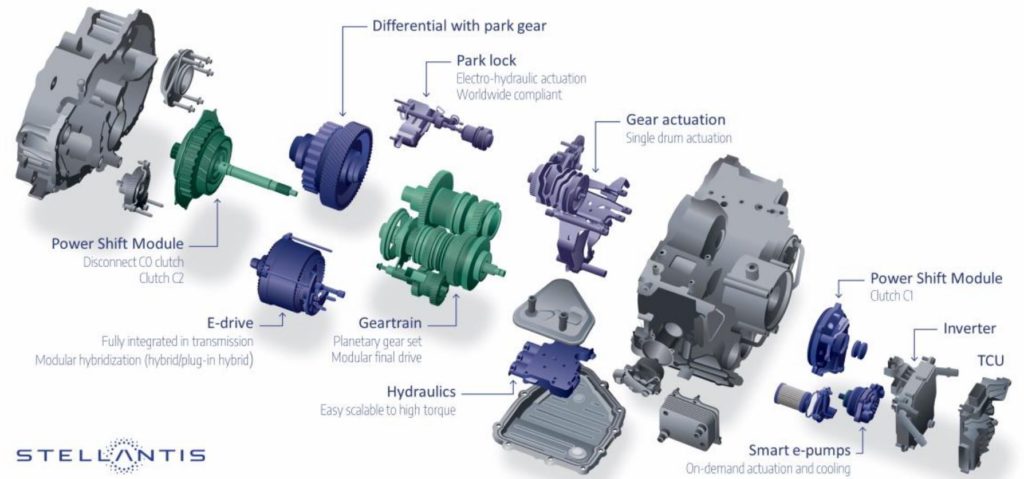
Blue Nexus usually supplies its hybrid systems to Japanese brands such as Toyota, Lexus, Subaru, Mazda and Suzuki. For the new Jeep Cherokee, Stellantis is using a hybrid system with two electric motors coupled to an epicyclic gearbox, an architecture very similar to that used by Toyota for many years in its hybrid models.
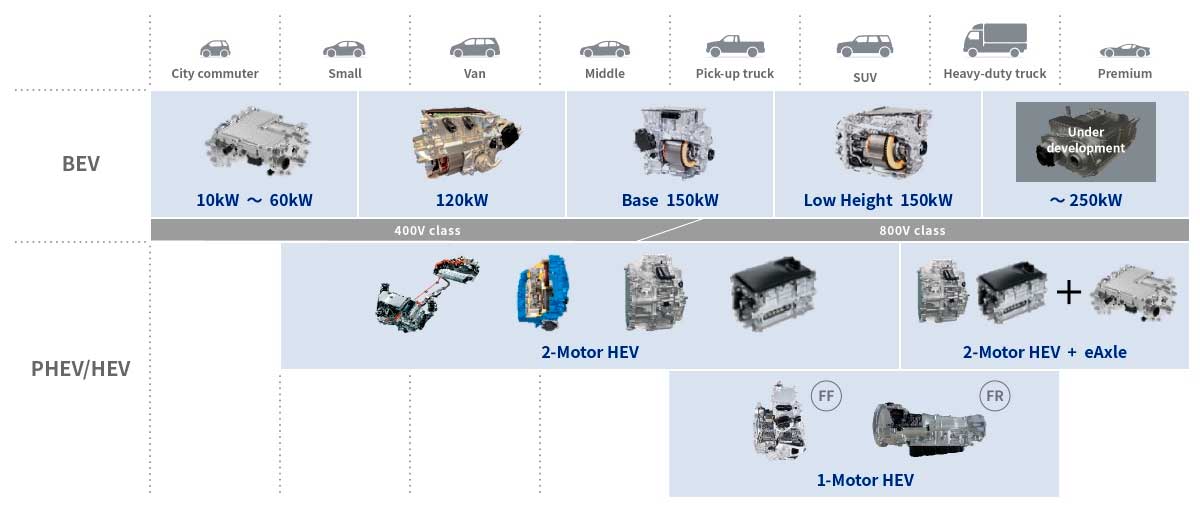
The principle is similar to that of an eCVT: the transmission divides the power of the combustion engine into two separate flows, one mechanical and one electrical. The two motor-generators can either propel the car, produce electricity to recharge the battery, or assist the combustion engine during acceleration.
At start-up or when the load is low, the vehicle can be driven solely by the main electric motor. When the internal combustion engine is activated, it can both drive the wheels and generate electricity via the second motor-generator. During deceleration or braking, kinetic energy is recovered to recharge the battery.
In other words, the technology used on this Jeep Cherokee is directly inspired by the hybrid system popularized by the Toyota Prius for over twenty years.
Initial press tests confirm efficiency
The first tests carried out by American journalists have just begun, and the feedback highlights one point: the efficiency of the hybrid system. Some journalists note that this eCVT transmission is not necessarily the most appropriate solution for the traditional image of a Jeep SUV, often associated with more powerful engines or conventional transmissions. On the other hand, initial tests have revealed particularly low fuel consumption for a model in this segment.
Stellantis claims a range of over 800 km on a full tank, with fuel consumption estimated at around 37 mpg, or 6.3 L/100 km.

A different hybrid strategy in Europe and the United States
This technological choice is also interesting because it contrasts with the strategy followed by Stellantis in Europe.
On the Old Continent, the Group produces its own eDCT hybrid transmissions, used in particular with the 1.2L EB2 engine. These transmissions are produced in several plants, including Metz, Mirafiori and soon Termoli, and could eventually be combined with other engines such as the 1.0L and 1.5L Firefly.
In the United States, the logic is different. Stellantis preferred to combine a French 1.6L EP6 engine with Japanese hybrid technology supplied by Blue Nexus, all in a Jeep vehicle produced in Mexico. This industrial mix is indicative of the group's now global dimension.
And after the 1.6L?
An important question for the future is the hybridization of Stellantis' more powerful engines. The 2.0L and 3.0L GME engines, as well as the 3.0L V6, could also receive hybridization in the years to come. About a year ago, we reported on the possibility of using hybrid transmissions developed with ZF, but no official confirmation has yet been given.
In the meantime, the Cherokee inaugurates an original hybrid architecture: a European engine, a Japanese transmission and an American SUV produced in Mexico. A combination that perfectly illustrates Stellantis' global strategy in the age of electrification.
 English
  French
  Italian
  Spanish
  Portuguese
  German
  Japanese
  Turkish
  Dutch
Dutch