

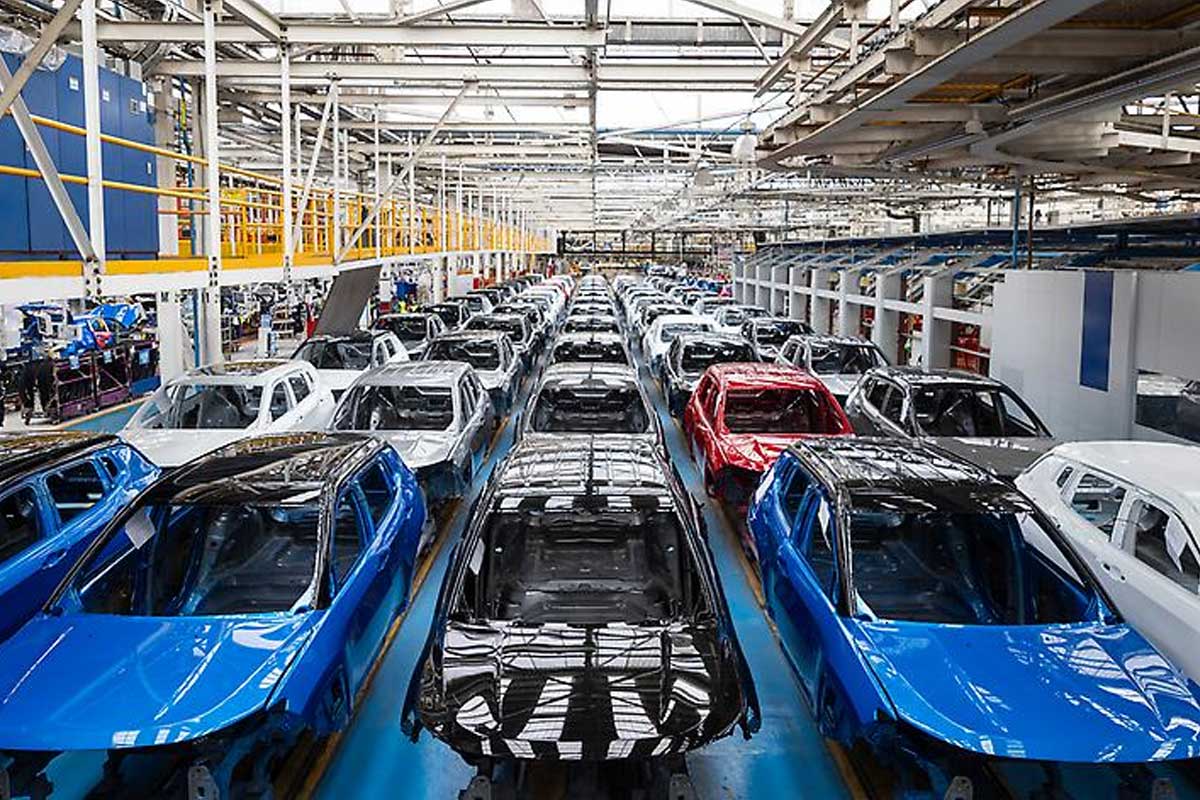
This latest dispute is a perfect illustration of the current tensions in the automotive industry. Stellantis is currently engaged in a tug-of-war with its North American supplier ZF Chassis Modules, and the situation is already having a tangible impact on production.
It all began with a disagreement over the prices of certain essential components, notably suspension components. According to Stellantis, the supplier demanded repeated price increases on contracts already signed. This strategy was deemed unacceptable by the automaker, which accused ZF of using a radical pressure tactic: suspending deliveries.
A plant already shut down in Mexico
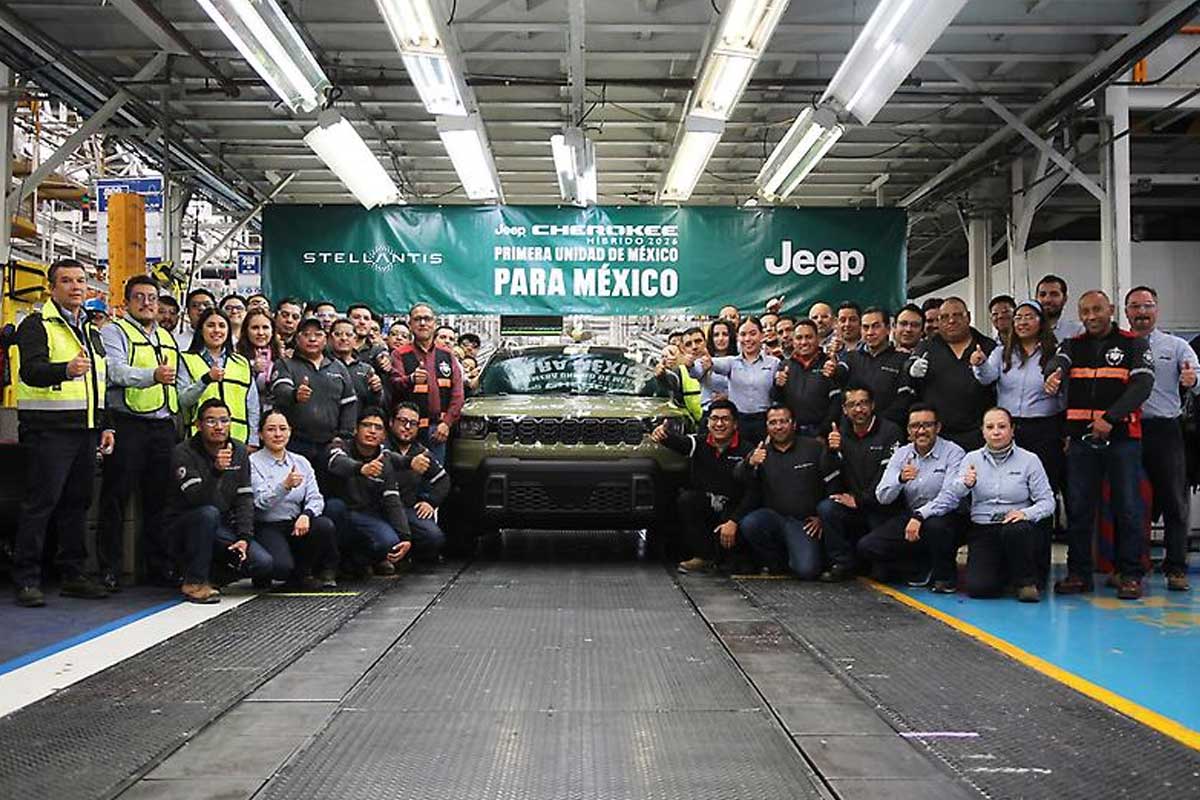
The effects of this conflict were not long in coming. Since March 14, the Toluca plant in Mexico has been virtually at a standstill. This strategic site produces the Jeep Compass and the future Cherokee, two important models for Stellantis on the North American market.
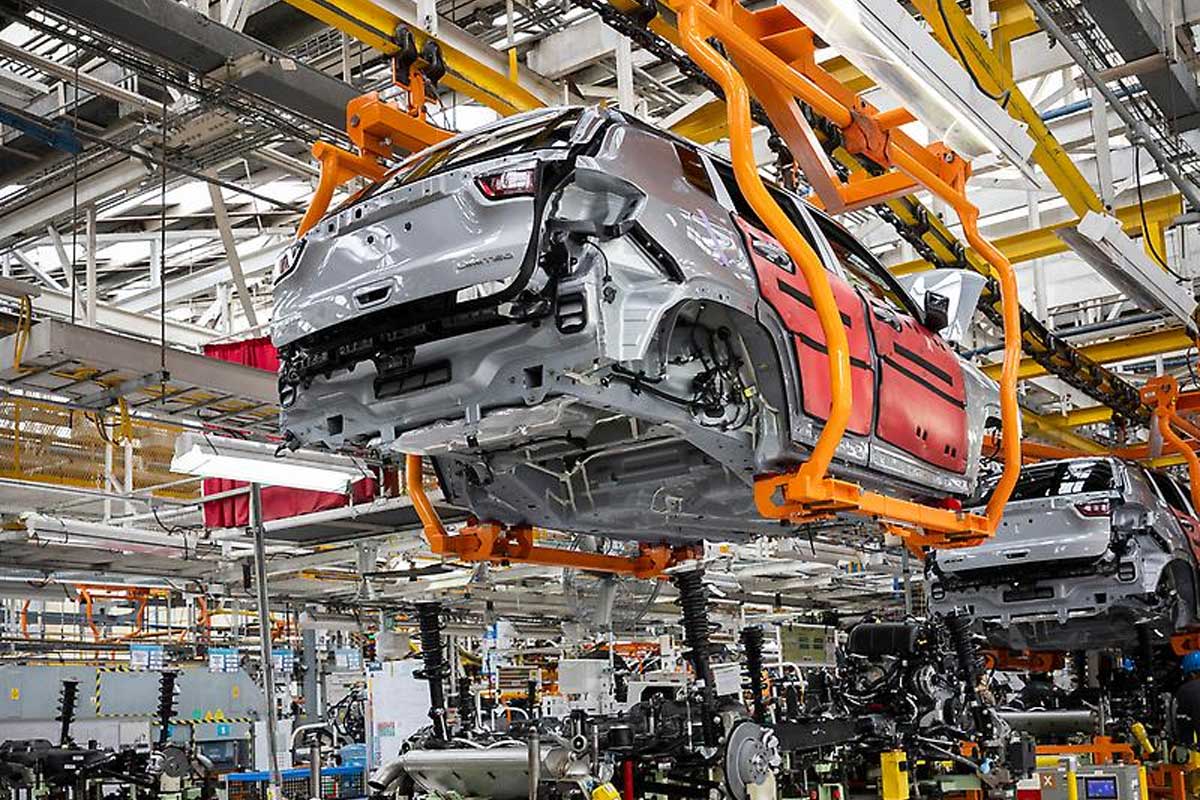
The reason is simple: without suspension components, it's impossible to assemble vehicles. And in a just-in-time industry, where stocks are reduced to an absolute minimum, the slightest supply shortage immediately brings the production lines to a halt.
26 million already paid... and a new hefty bill
What makes this deal even more spectacular is the amount of money involved. To avoid an initial production stoppage, Stellantis had already agreed to reach into its pocket in December, paying the supplier over $26 million, in addition to already significant price increases. But this was not enough. ZF Chassis Modules returned to the charge with a new demand: over 70 million dollars more, between direct payments and price increases. A financial escalation that Stellantis now refuses to follow.
Justice urgently needed
Faced with this critical situation, Stellantis has decided to take the case to court. The objective is clear: to force the supplier to resume deliveries to avoid a total shutdown of production in North America.
In the USA, a judge has already granted a temporary injunction forcing ZF to continue deliveries to the Windsor plant in Canada. The site, which employs around 5,500 people and produces the Chrysler Pacifica and Dodge Charger, among other vehicles, was thus able to avoid an immediate shutdown.
But this decision remains provisional: a new hearing is scheduled for April 6, and the future of production will largely depend on its outcome. In Mexico, a similar decision is expected to rapidly relaunch the Toluca plant, potentially by the end of March or early April.
A supply chain under maximum pressure
This dispute highlights a well-known weakness of the automotive sector: extreme dependence on suppliers in a just-in-time model. Stellantis has only a few hours“ stock of certain critical components. The slightest interruption becomes a major risk. And should the stoppage continue, the consequences could be much wider, affecting not only Stellantis, but the entire subcontracting chain.
Particularly sensitive timing
This crisis comes at the worst possible time for Stellantis. The group, headed by Antonio Filosa, is coming off a particularly difficult year in 2025, marked by more than 22 billion euros in charges, linked in particular to the adjustment of its electrical strategy.
Above all, a new industrial plan is due to be presented in May 2026. Tensions with a key supplier like ZF Chassis Modules are likely to add further pressure to an already delicate situation.
 English
  French
  Italian
  Spanish
  Portuguese
  German
  Japanese
  Turkish
  Dutch
Dutch