

Just a few weeks ago, Stellantis seemed to be walking a tightrope in the face of new European rules on CO₂ emissions. The group had certainly obtained a reprieve thanks to a temporary easing of penalty calculations, but the fundamental problem remained: without a rapid rise in electric vehicle sales, the fines could reach several billion euros by 2027.
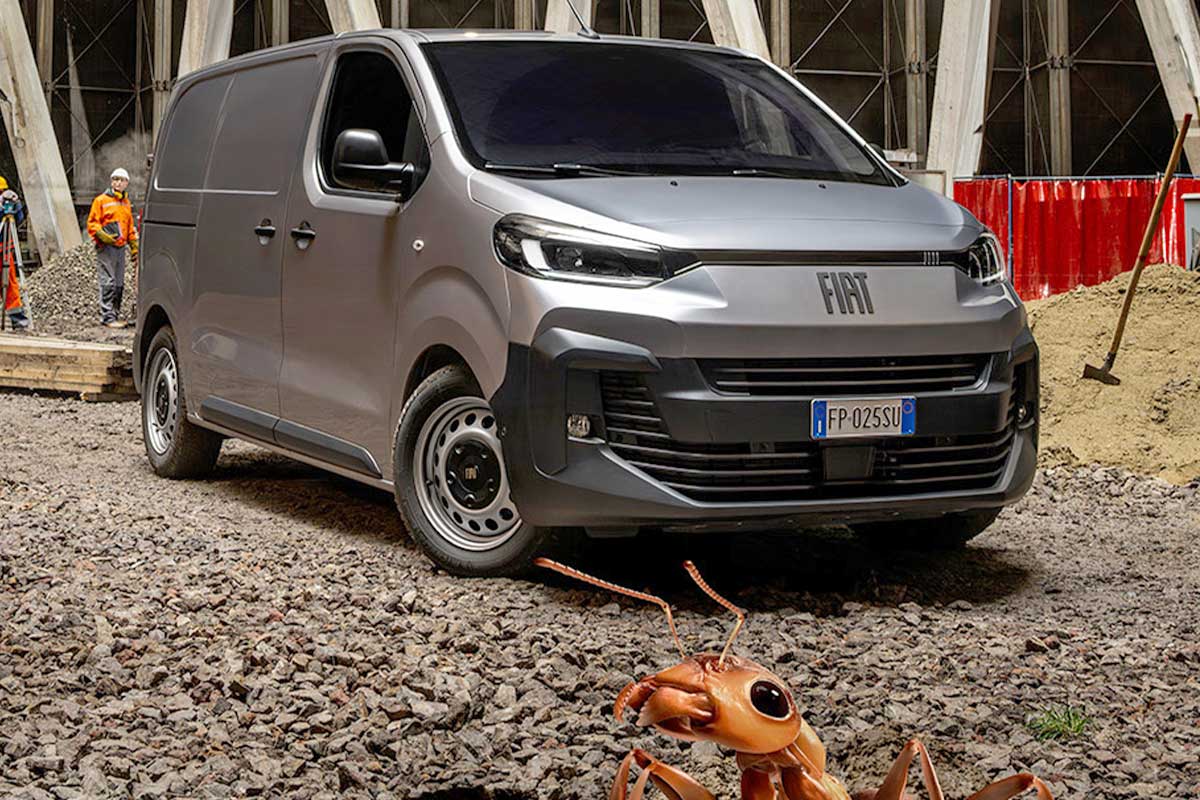
Faced with this regulatory pressure, the manufacturer has just taken a radical decision. To speed up the adoption of electric vehicles by professionals, Stellantis has decided to sell some of its electric vans... at the same price as their diesel equivalents.
An unprecedented sales offensive
The commercial vehicle division, Stellantis Pro One, is spearheading this initiative. In concrete terms, the Group has launched a sales campaign in Europe aimed at bringing the price of battery-electric vans into line with that of diesel versions.
The measure affects a large part of the compact and mid-size van range of the Group's brands. Among the models concerned are the Citroën Berlingo, Fiat Professional Doblò, Opel Combo and Peugeot Partner compact vans. In the higher category, the Citroën Jumpy, Fiat Professional Scudo, Opel Vivaro and Peugeot Expert are also included in the operation. This promotional campaign is scheduled to run until the end of June 2026.
The aim is clear: to remove one of the main obstacles to electrification for craftsmen, companies and fleet managers. Until now, the higher purchase price of electric vans has been a major obstacle for many professionals.
A strategy dictated by European rules
If Stellantis is willing to trim its margins, it's above all because the regulatory stakes are enormous. Since the new European standards came into force, automakers have had to comply with extremely strict CO₂ emission targets. Every gram in excess of the set limit entails financial penalties calculated for each vehicle sold.
However, the LCV segment is currently one of the most problematic for Stellantis. The Group is the European market leader in this segment, with a market share of almost 30 %, which also means that it is particularly exposed to sanctions if the transition to electric vehicles does not accelerate. Several analyses estimate that, without a rapid change in the sales mix, cumulative fines could reach several billion euros by the end of the decade.
Electric vans already capable of replacing diesel
To convince professionals, Stellantis highlights the operational performance of its electric vans.
Compact models boast a range of up to 340 kilometers, while medium-sized vans can cover up to 350 kilometers on a single charge. These values are deemed sufficient for many daily activities. Load capacity is also comparable to that of combustion-powered versions, with payloads ranging from around 800 kilograms to 1.5 tons, depending on the model.
For Eric Laforge, Global Head of the Group's Commercial Vehicle Division, this campaign marks an important milestone. In his view, offering electric commercial vehicles at the same price as diesel models makes zero-emission mobility more accessible and realistic for professionals.
Beyond the commercial argument, the decision above all illustrates the growing pressure exerted by European standards on automakers. Stellantis has little choice but to accelerate the transition to electric vehicles, even if this means sacrificing part of its short-term margins.
 English
  French
  Italian
  Spanish
  Portuguese
  German
  Japanese
  Turkish
  Dutch
Dutch