

The history of the electric car at Stellantis continues to take an unexpected turn. After the abandonment of projects in Europe and doubts about certain joint ventures, the battery strategy is now evolving in the United States... and not in the way we might have imagined. Yes, a factory that was supposed to produce batteries for electric cars will end up being used for something else.
Rapid conversion to energy storage
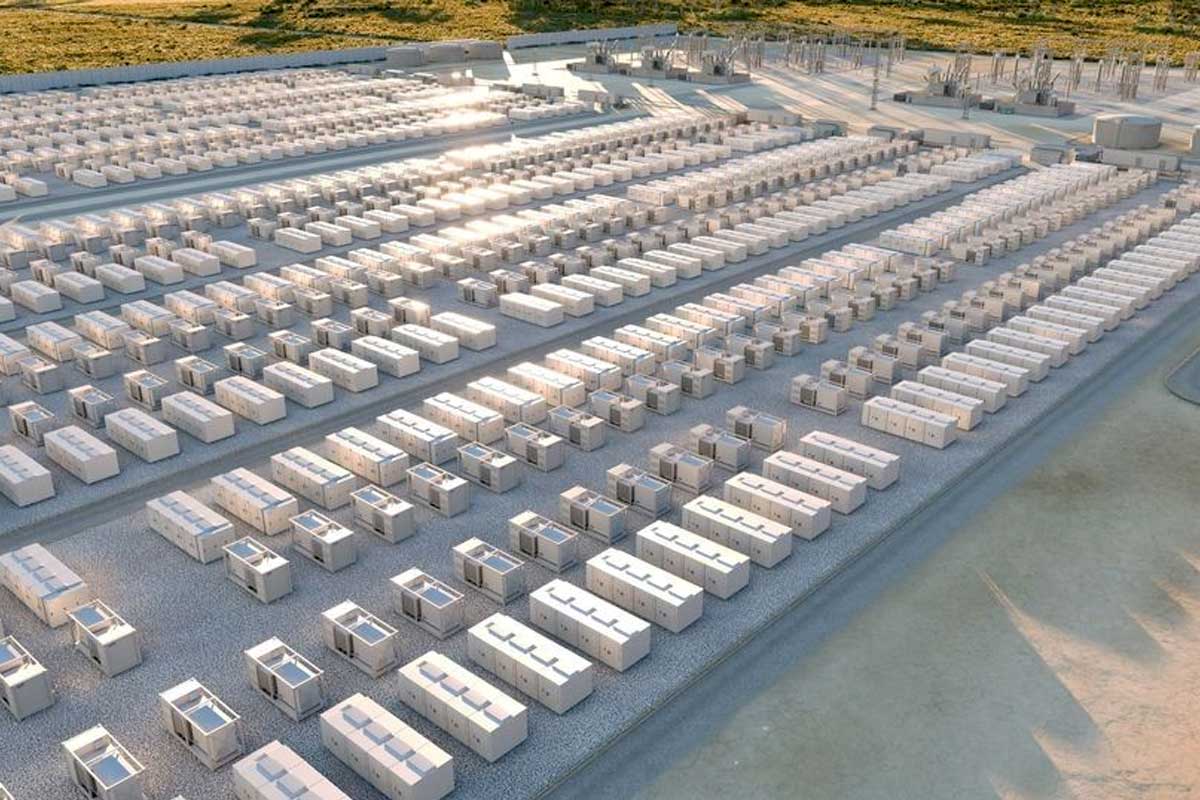
In the USA, the StarPlus Energy joint venture between Stellantis and Samsung SDI is radically changing direction. At the Indiana plant, a large part of the production lines will no longer be dedicated to automotive batteries, but to energy storage systems (ESS).
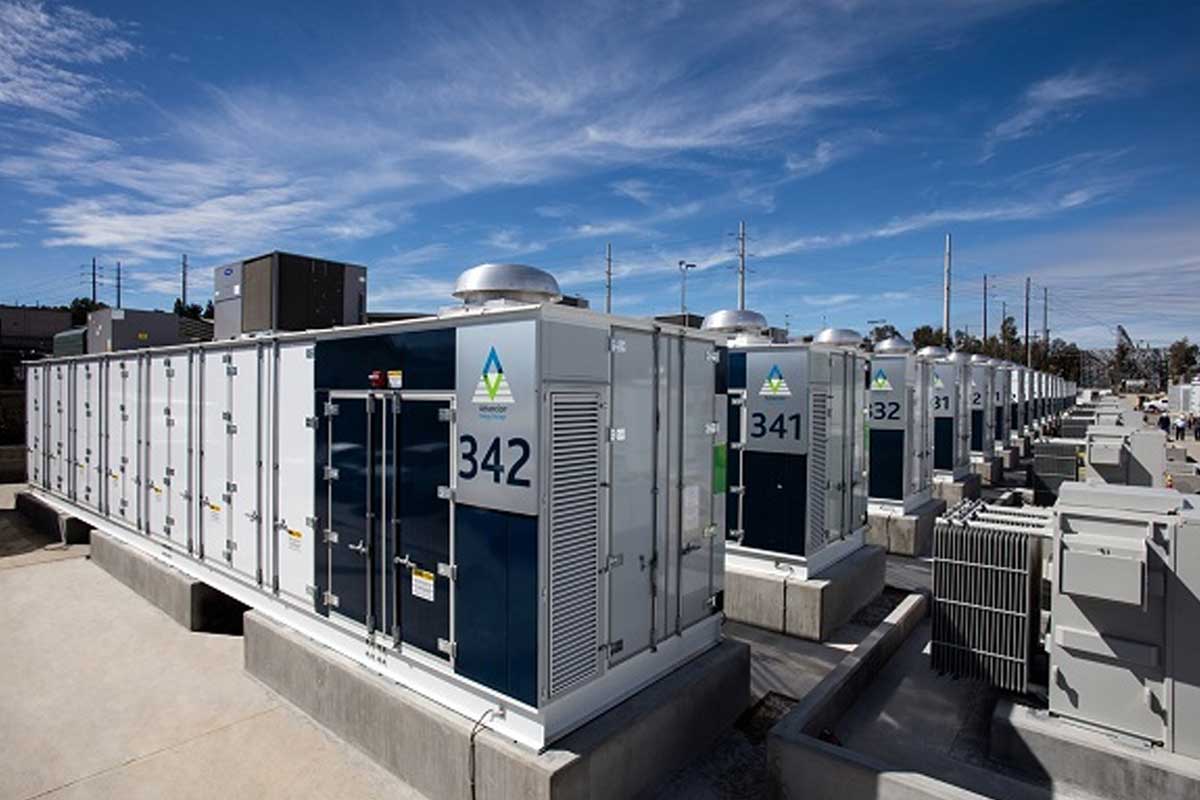
In concrete terms, three out of four lines have already been converted to produce these batteries, which are designed to store electricity rather than power cars. This rapid switchover illustrates an increasingly visible reality: the electric vehicle market is slowing down across the Atlantic.
This is not a simple industrial adjustment, but a genuine shift in priorities. Where Stellantis and Samsung were initially betting on strong demand for car batteries, they are now turning their attention to a sector deemed more promising in the short term.
A signal that the electrical market is losing steam
This decision is not an isolated one. It is part of a broader context in which the growth of electric cars is disappointing, particularly in the United States. Between high costs, political uncertainties and less dynamic demand than expected (8 % market share in 2024 and 8 % market share in 2025), manufacturers are reviewing their plans.
Samsung SDI, for its part, seems intent on stepping up the pace in energy storage, a market that is expanding rapidly with the development of renewable energies. The Korean group is multiplying its contracts in North America, with potential first-rate customers, including Tesla according to certain indiscretions.
Against this backdrop, continuing to invest massively in capacity dedicated solely to the automotive industry now seems risky. Energy storage offers a more secure and potentially more profitable diversification.
An increasingly pragmatic Stellantis strategy
This U.S. turnaround is very reminiscent of what's happening in Europe. Barely a month ago, Stellantis officializes abandonment of ACC gigafactory in Termoli, Italy, while freezing other projects in Germany.
The message is clear: producing batteries everywhere is no longer a priority. The Group is now looking to cut costs and limit financial risks, following several billion euros in electric vehicle-related write-downs.
In the United States, this logic goes even further. Stellantis is even considering reviewing its participation in the joint venture with Samsung SDI. Having already pulled out of another joint venture in Canada with LG Energy Solution, the manufacturer seems to be opting for a lighter strategy: securing supplies without carrying the industrial burden alone.
Fewer automotive batteries, but more opportunities elsewhere
This repositioning towards energy storage is not insignificant. It reflects a more global transformation of the battery market, which is no longer limited to the automotive sector.
ESS systems are essential to support the energy transition, particularly for storing electricity generated by solar or wind power. A fast-growing market, sometimes more predictable than that of electric cars.
Samsung SDI is betting heavily on this development, while continuing to prepare for the future with solid-state batteries expected from 2027, designed for both high-end vehicles and new uses such as robotics and drones.
 English
  French
  Italian
  Spanish
  Portuguese
  German
  Japanese
  Turkish
  Dutch
Dutch