

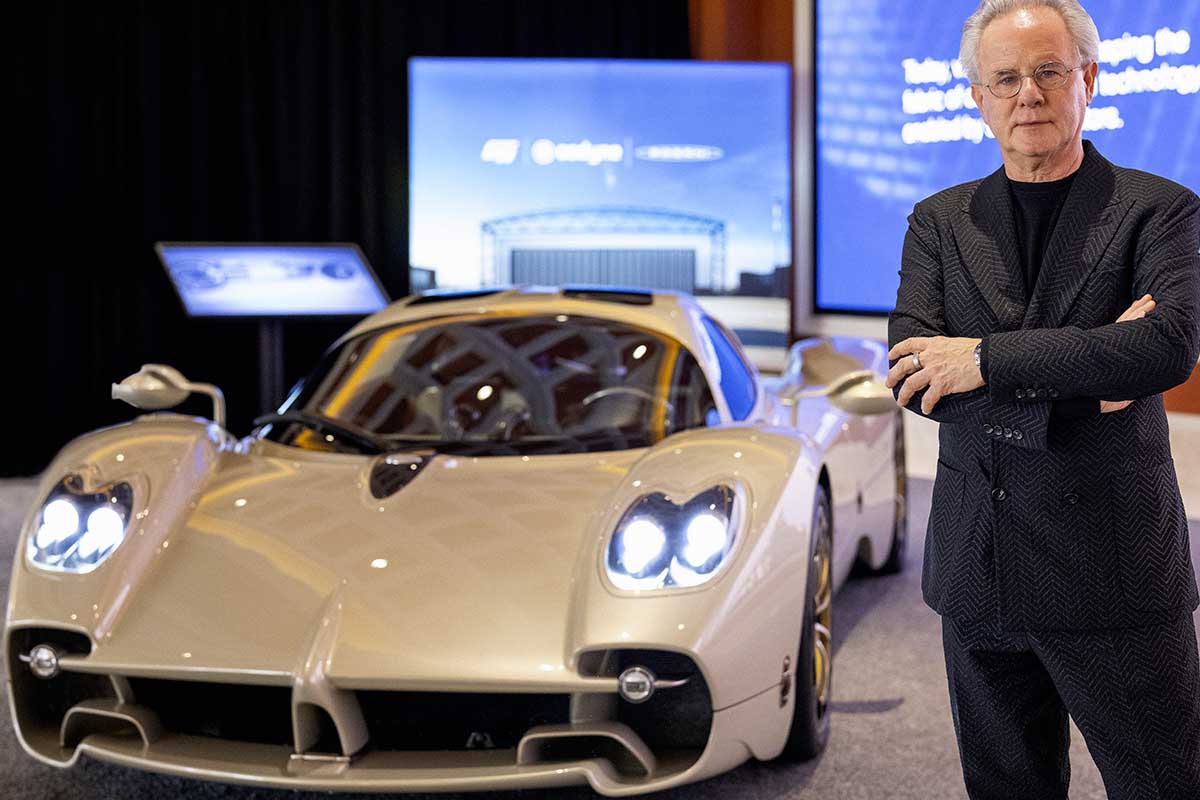
At CES 2026 in Las Vegas, Pagani didn't unveil a new hypercar, or even a spectacular concept car. Instead, the Italian marque chose to talk about a much more discreet, but nonetheless important subject: the software that will equip its future hypercars after 2030. A technical announcement on paper, but one that in reality reveals a very clear vision: preserving the emotion of driving while mastering modern electronic complexity.
A Pagani Utopia transformed into a laboratory
At the heart of this announcement is the Pagani Utopia, first presented in 2022. Far from being relegated to museum status, this precise example now serves as a veritable laboratory. Pagani is using it to test technologies that will not equip the models currently delivered to customers, but rather the hypercars of the next decade.
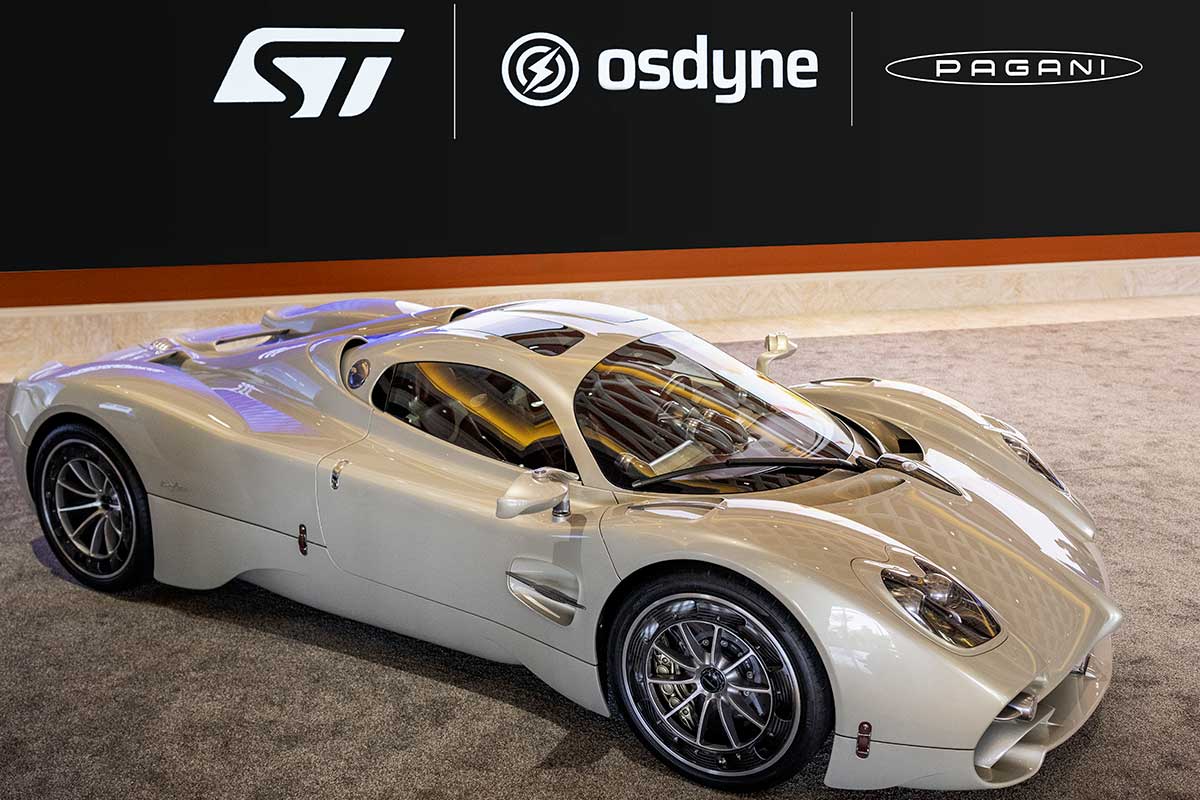
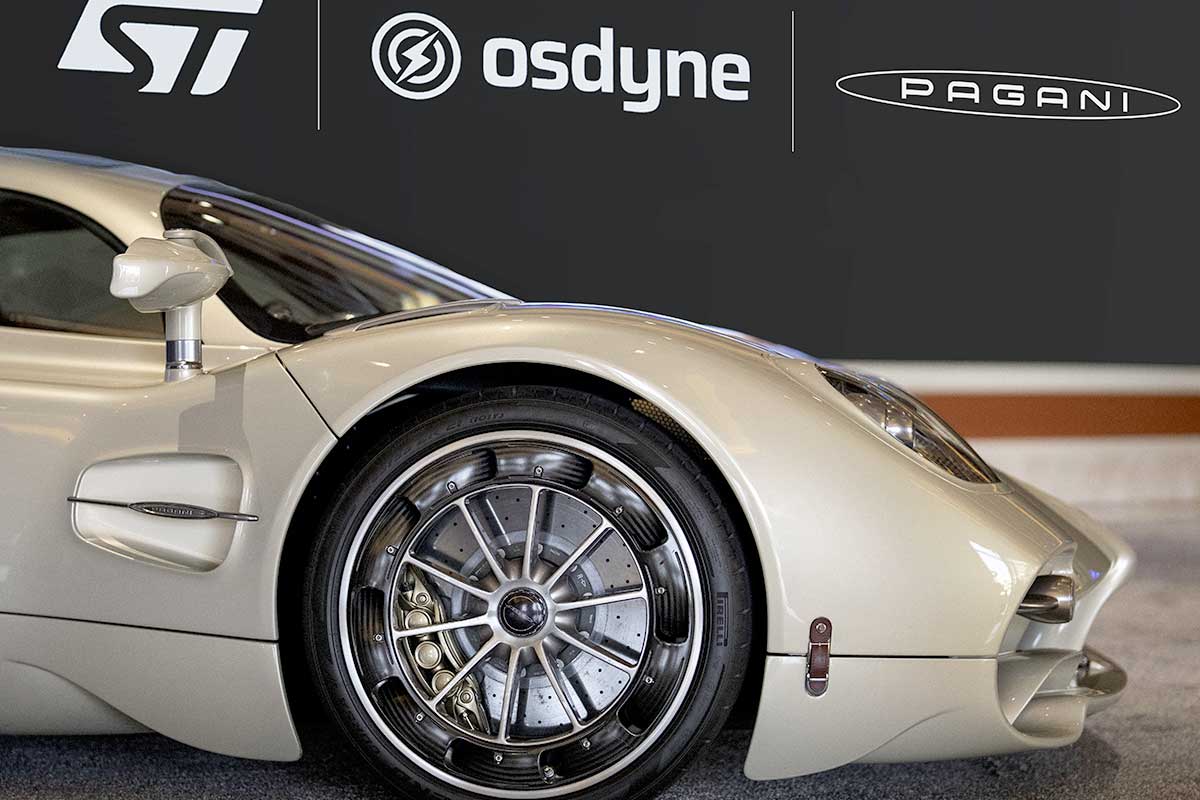
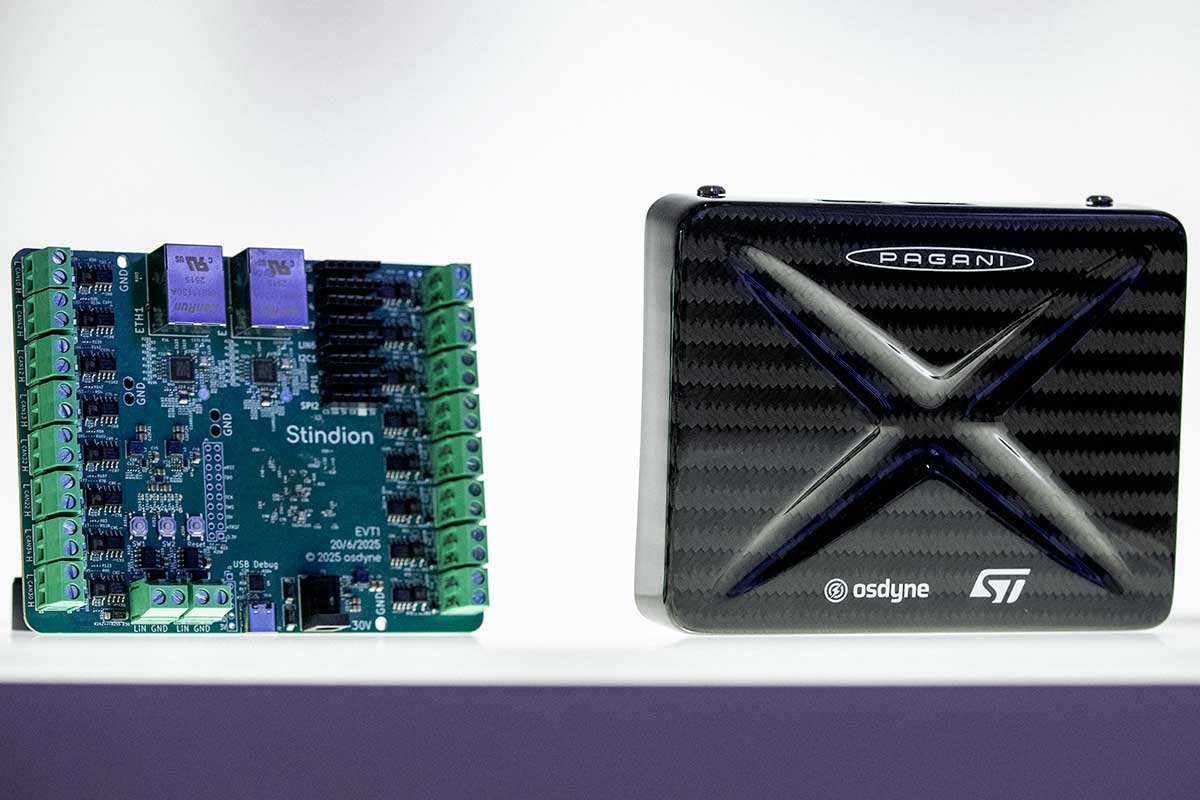
To reach this new milestone, Pagani has teamed up with two key partners: European semiconductor giant STMicroelectronics (from which Ferrari's current CEO hails), and osdyne, a young company specializing in next-generation embedded software. This is the first time that Pagani has worked so directly with a manufacturer of electronic components. The objective is clear: no longer pile up ECUs and miles of cables, but rethink the electronic architecture as a whole. The result of this joint reflection takes the form of a central element: an "Automotive Gateway".
The electronic brain to simplify the car
In practical terms, this new module acts like a central brain. Where a modern car may carry dozens of different ECUs, this system brings together a number of functions: body equipment management, remote diagnostics, remote updates, IT security and communication between the car's various systems. For the motorist, this doesn't mean more screens or gadgets, but a lighter, more responsive and more reliable architecture. Fewer cables, less complexity, and therefore less risk of long-term malfunction. Pagani speaks of electronics that "tame complexity".
When software takes inspiration from the smartphone
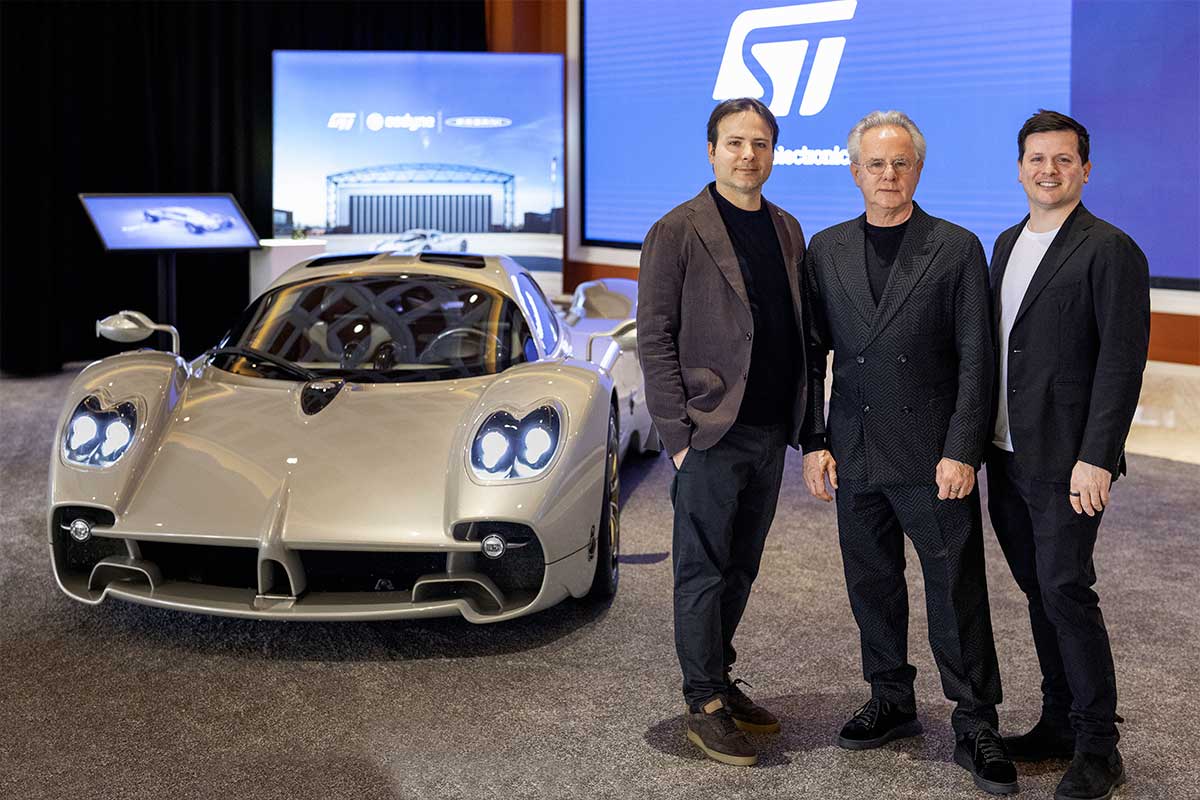
One of the most striking aspects of this collaboration comes from osdyne. Its CEO, Amit Singh, clearly assumes the inspiration: the world of the smartphone. Just as iOS or Android have transformed our phones into scalable, feature-rich and easy-to-update platforms, osdyne wants to apply this logic to cars. This means software that's more modular, safer and easier to evolve over time. For Pagani, this means that tomorrow's hypercars will be able to benefit from software enhancements without compromising their DNA, or weighing down the driving experience.
Preserving emotion in the software age
True to its philosophy, Pagani has not neglected aesthetics. Even the electronic module, invisible to the driver, is housed in a carbon casing designed and handcrafted in the San Cesario sul Panaro workshop. Horacio Pagani sums up the challenge perfectly: technology must never take precedence over people. The Paganis of the post-2030 era promise to remain deeply emotional, analog at heart, but supported by an invisible, reliable and evolving electronic intelligence.
 English
  French
  Italian
  Spanish
  Portuguese
  German
  Japanese
  Turkish
  Dutch
Dutch