

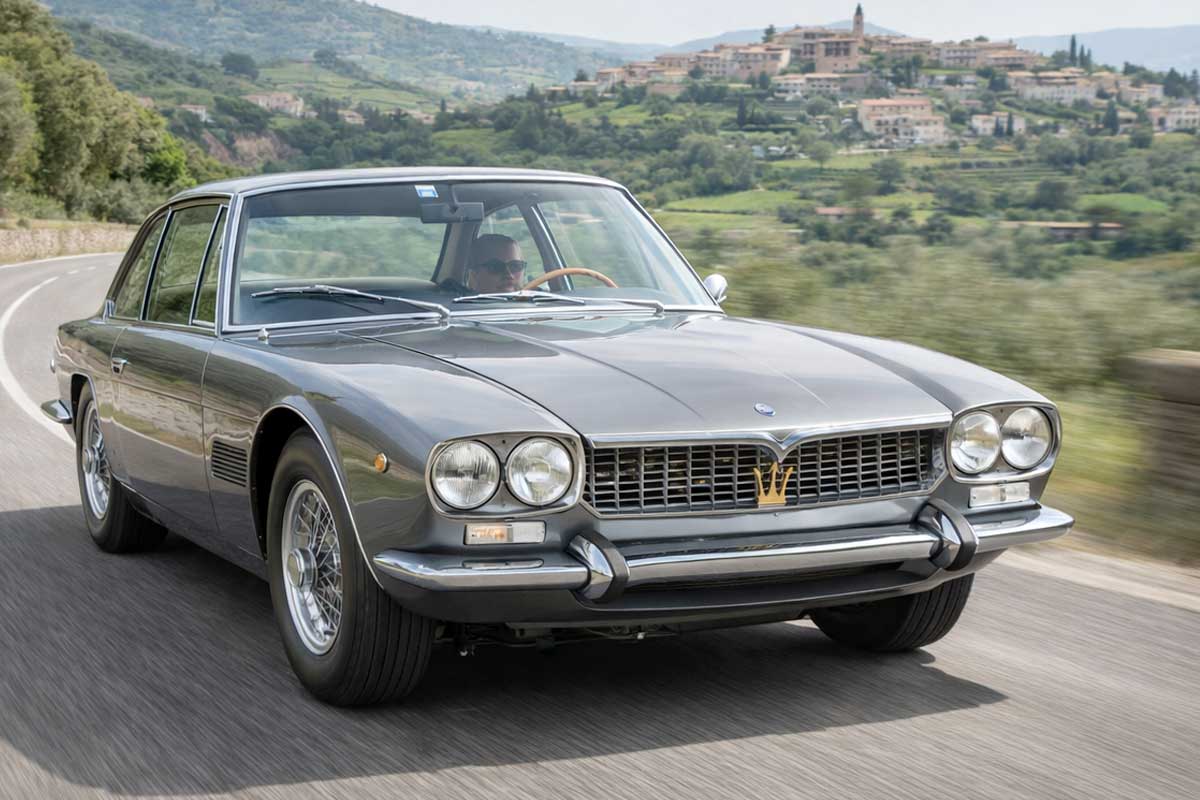
The Maserati Mexico (1966-1972) is one of the most fascinating and emblematic grand touring cars of Italian design. Designed by Vignale and powered by a powerful V8 engine, it combines luxury, refinement and cutting-edge technology for its time.
Origin of the name
Building on the experience gained with the 3500 GT and 5000 GT, the Mexico has been designed to offer the comfort of a luxury car without sacrificing Maserati's typical sporting character.
The name Mexico is linked to the history of the Vignale prototype presented in 1965: it was associated with a Maserati 5000 GT that had once belonged to the Mexican president Adolfo López Mateos, before being recovered by an important Mexican client. This story is said to have inspired the name of the model subsequently marketed: Maserati Mexico.
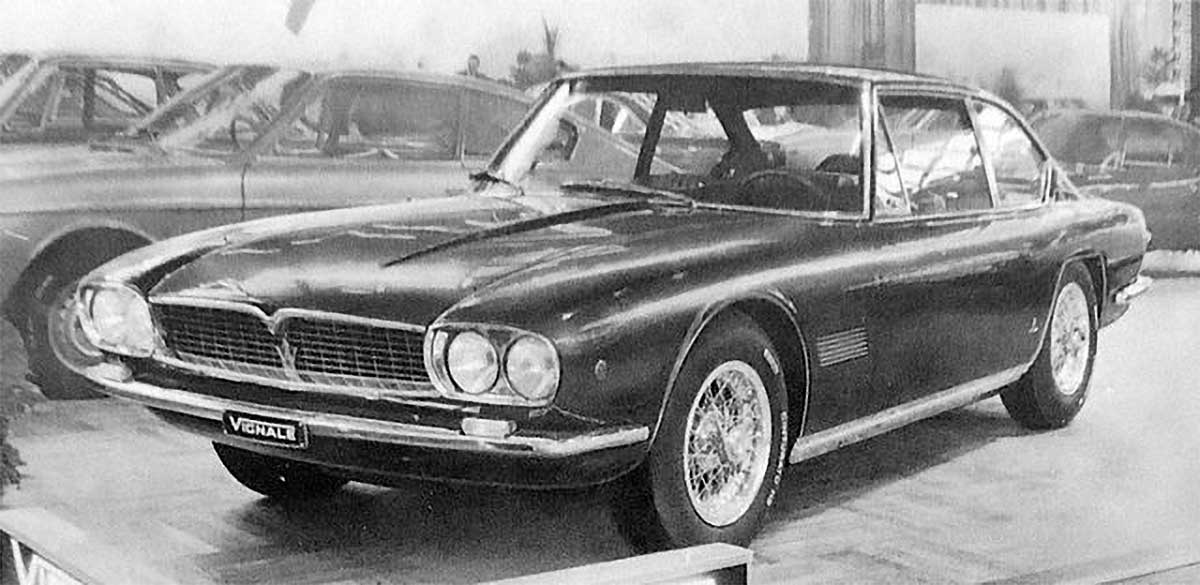
Vignale's balanced, uncluttered design gives it an incomparable presence. With 485 examples produced, it is today a rare and highly sought-after Maserati.
Design and interior 2+2
The body features smooth surfaces, round headlamps and an elongated hood that emphasizes the engine's power.
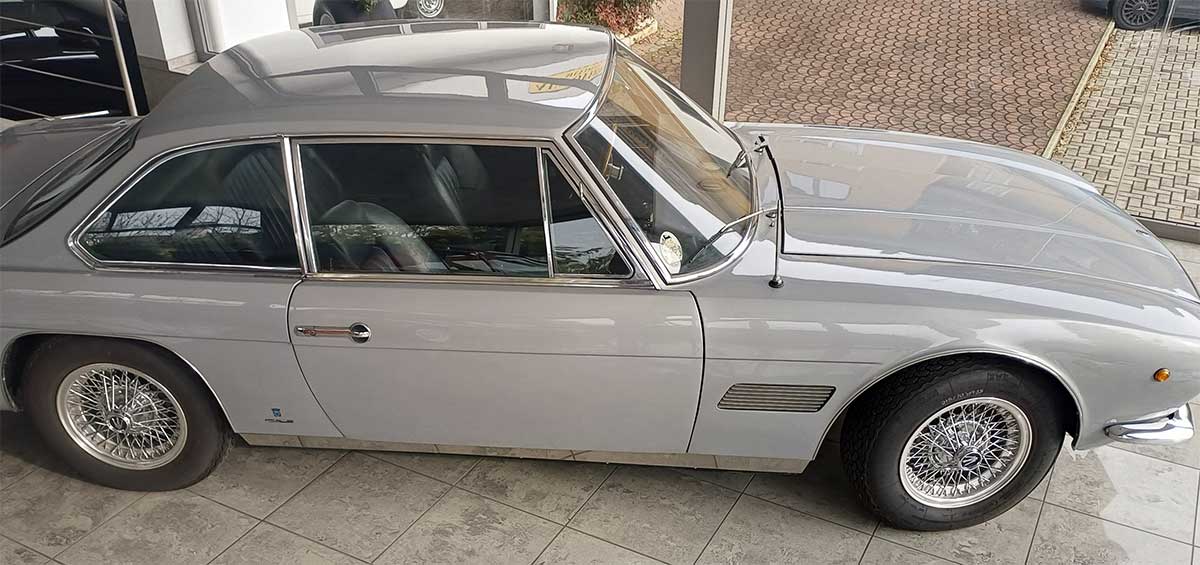
The interior is upholstered in Connolly leather (top-quality British leather) with mahogany wood inserts, also present in the center tunnel, offering a refined 2+2 configuration ideal for four adults.
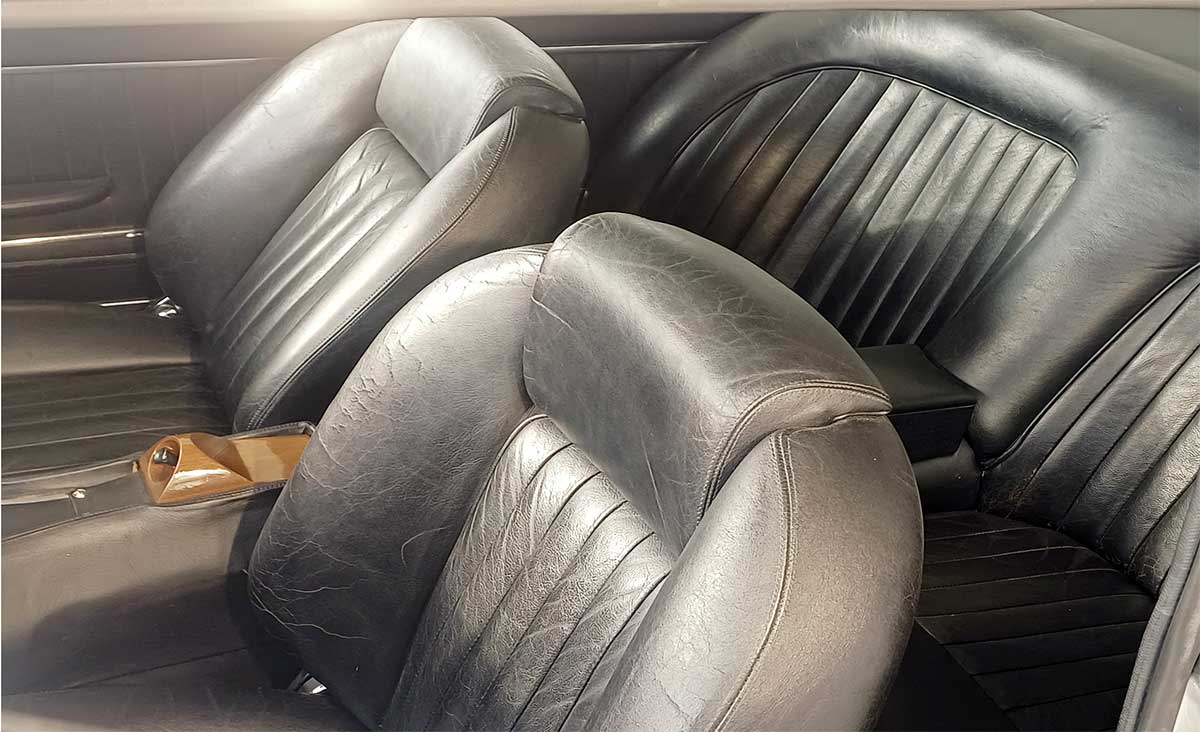
Despite the vehicle's age, the leather seats retain a remarkable integrity, with no significant signs of wear. The leather retains its characteristic authentic scent and velvety feel.
Air conditioning: exclusive technology in the 60s!
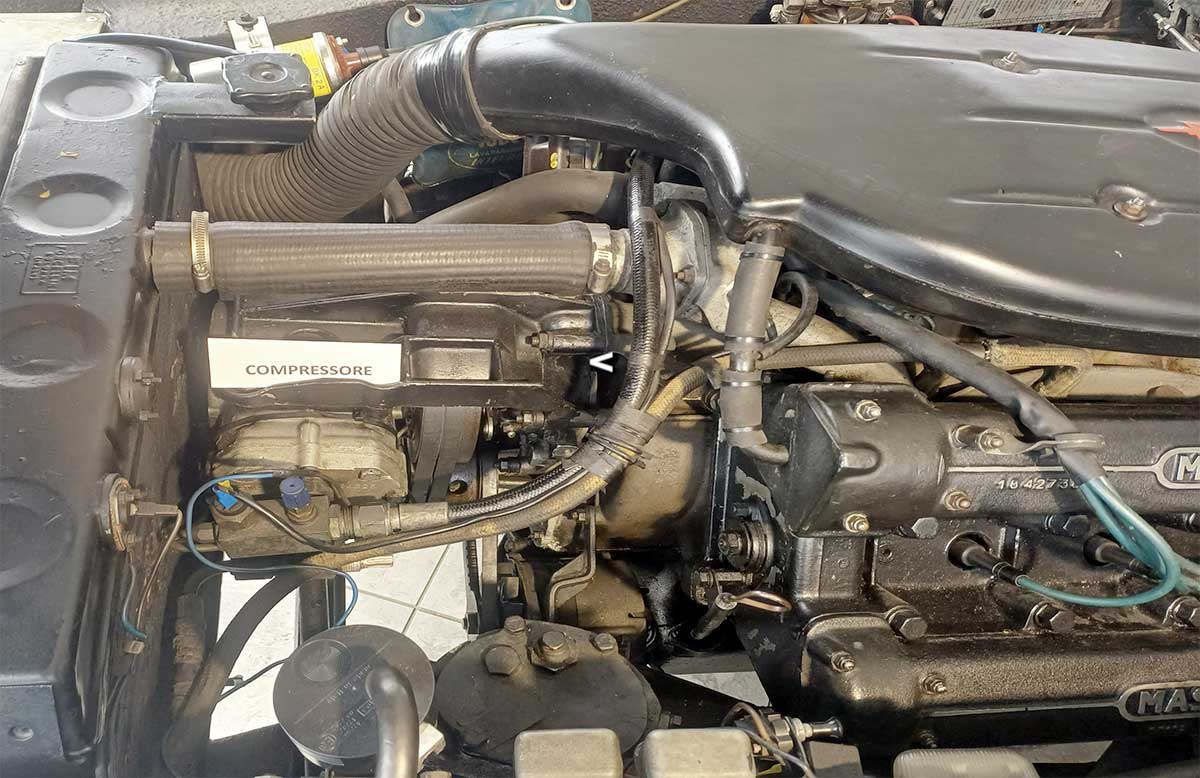
At a time when air conditioning was virtually non-existent on European cars, Mexico offered it as luxury equipment. The system, equipped with a piston compressor, ensured comfortable conditions (controlled temperature and humidity) during long journeys. The compressor is located at the front, between the two rows of engine cylinders.
Engine and performance
The Maserati Mexico is equipped with 4.2 and 4.7-liter V8 engines, capable of developing up to 290 hp and reaching top speeds of between 240 and 250 km/h.
Key features include the lightweight, durable aluminum block. Combustion chambers and valves optimized for high performance, and high-performance Weber carburetors, with one body per cylinder, for smooth but vigorous distribution.
This engine combines power, reliability and the deep, elegant sound typical of top-of-the-range Maserati engines, thanks to its V8 architecture and ignition sequence.
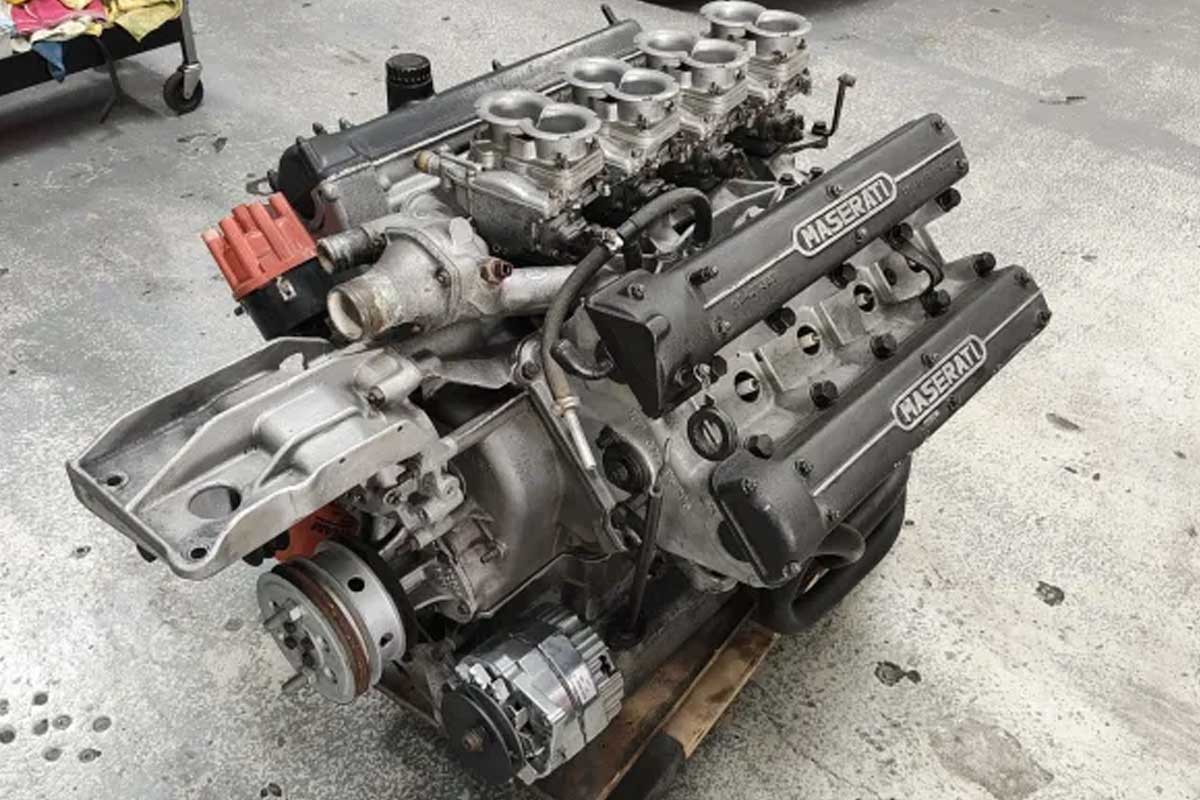
The engine is a 90° V8, the ideal configuration for balance, smoothness and full sound. Its ignition sequence is 1-8-4-2-7-3-6-5, engraved on the tappet covers; this pattern ensures smooth running, reduced vibration and full torque at mid-range revs. Added to this is the characteristic Maserati sound and long mechanical life of the drive shaft.
Technical innovations
For the '60s, the Mexico offered state-of-the-art features such as power-assisted disc brakes on all wheels, electric windows - which were very rare at the time - and an adjustable steering wheel.
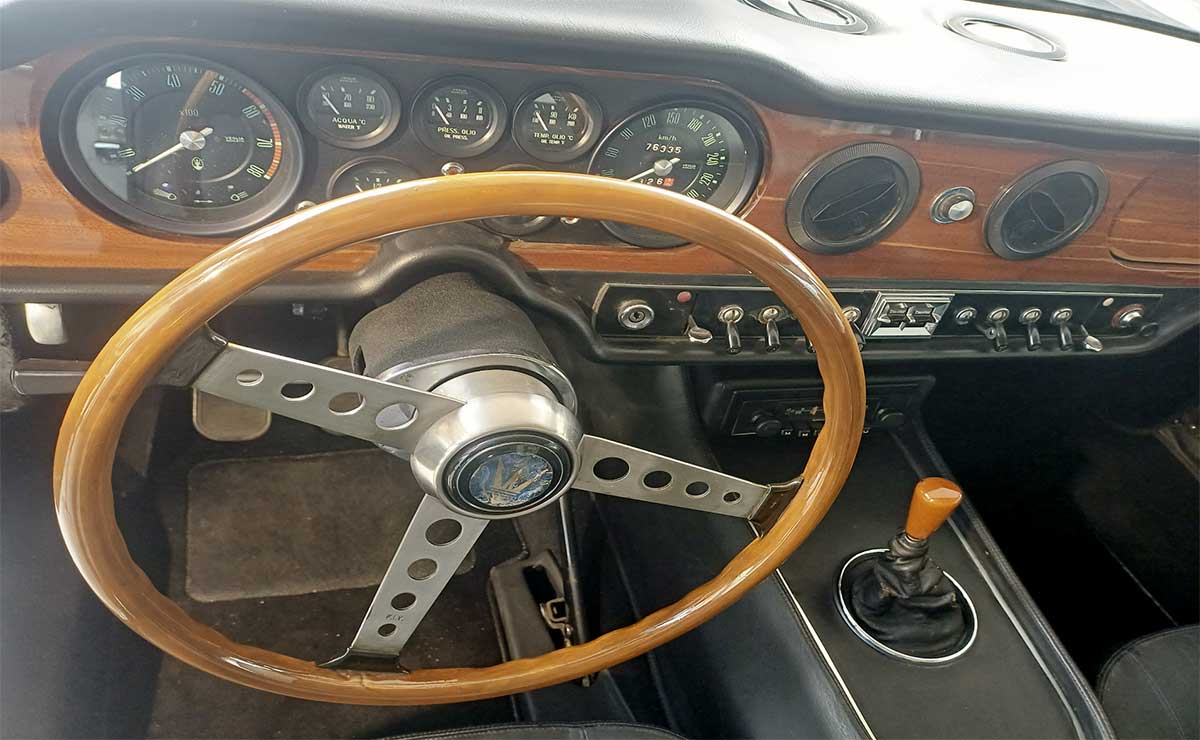
The 3-spoke steering wheel is depth-adjustable, allowing the driver to find the ideal driving position for optimum comfort and control.
Borrani wheels with steel and aluminum spokes are true works of art.
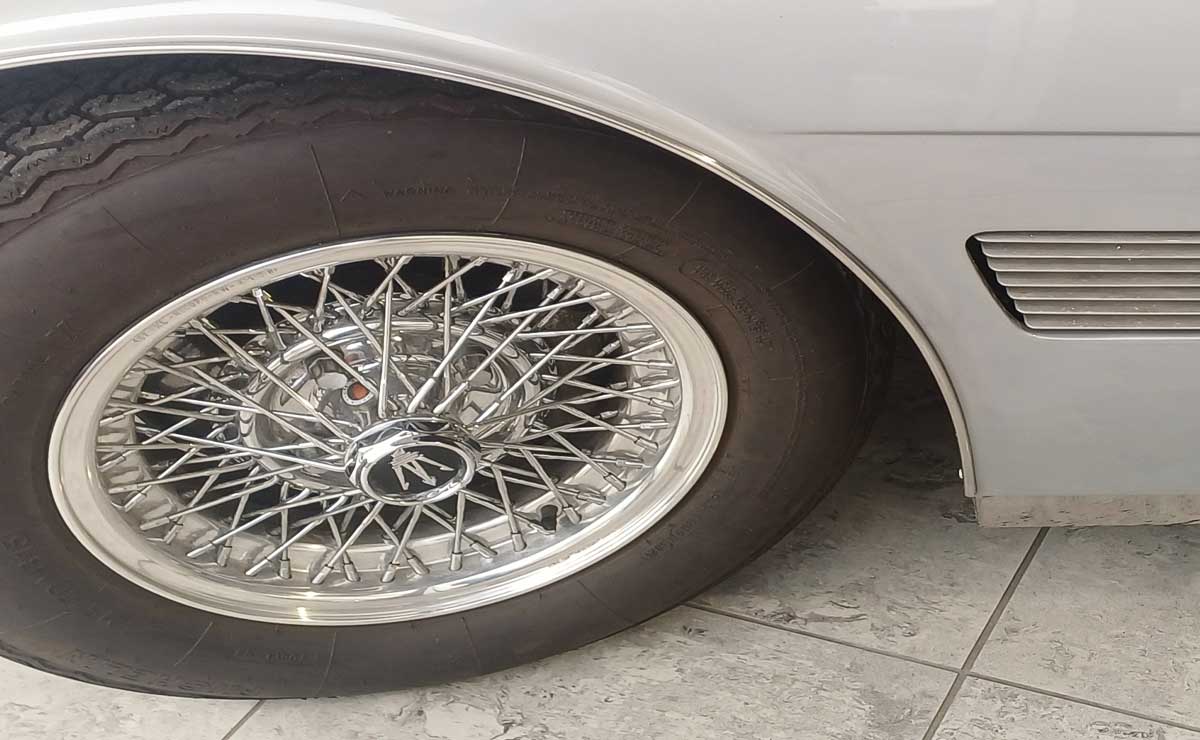
Famous for having been chosen by the most iconic sports cars of the 20th century, they feature a lightweight spoke structure that optimizes weight distribution and helps dissipate brake heat.
A collector's masterpiece
Rare, elegant and technically advanced, the Maserati Mexico is today one of the most coveted models among classic car collectors.
The Maserati Mexico is not just a car: it's a symbol of Italian engineering and design.
It combines luxury, comfort and high performance thanks to a refined, well-balanced V8 engine, combining elegance, technology and driving pleasure in a single grand touring car.
A timeless icon, destined to remain in the hearts of enthusiasts.

 English
  French
  Italian
  Spanish
  Portuguese
  German
  Japanese
  Turkish
  Dutch
Dutch
I can't even imagine what it would cost if auctioned off.
It smells like a 9-zero minimum.