

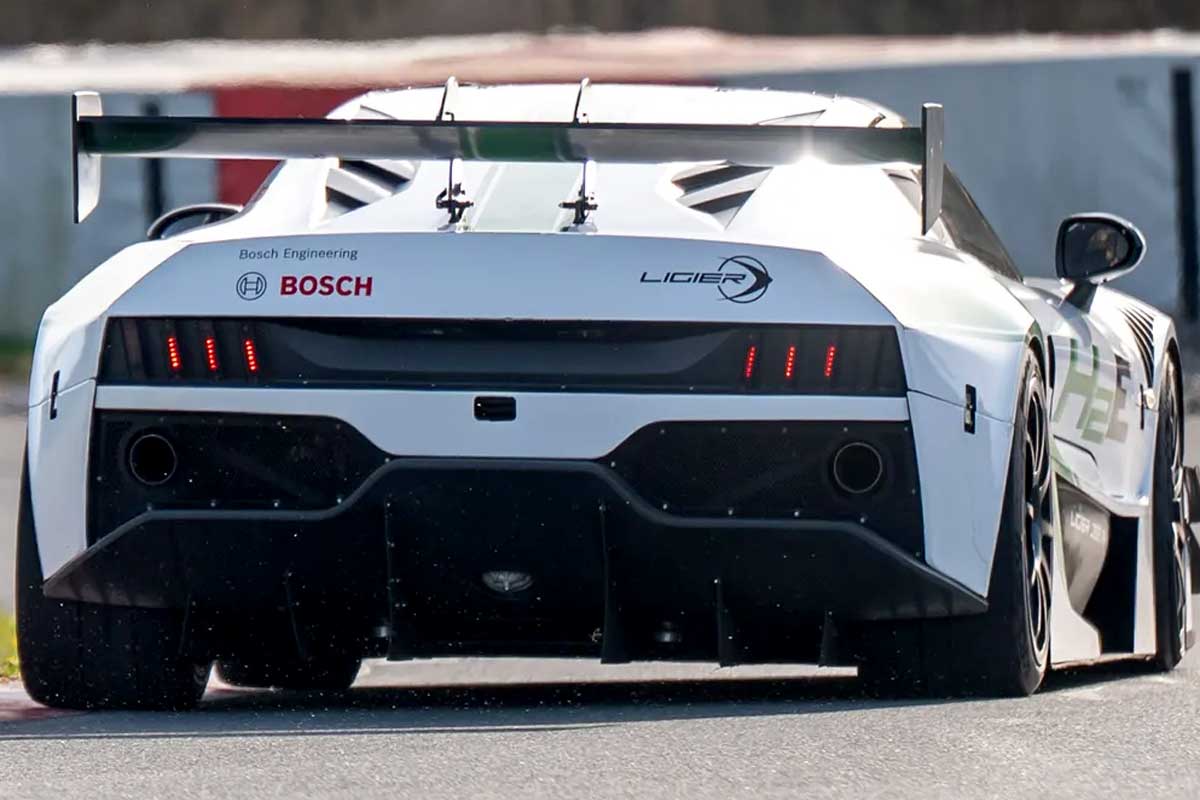
On paper, the idea seems almost far-fetched: to take the twin-turbo V6 engine of an Italian supercar and transform it so that it runs... on hydrogen. And yet, this is exactly what Ligier and BOSCH Engineering have achieved with one of the most sophisticated engines in Italian production: the 3.0-liter Nettuno V6 found in Italy's latest supercars. Maserati. Behind the silhouette of a Ligier-badged racing prototype lies a 100 % Maserati core... modified to run on hydrogen. The result: a race car capable of delivering over 600 horsepower, exceeding 280 km/h on track, while boasting CO₂ emissions close to zero.
A Maserati engine... unrecognizable under the hood
Visually, nothing betrays its origins. The bodywork is that of a Ligier JS2 RH2, a hydrogen demonstrator with a futuristic GT look. But underneath, we find the engine of the Maserati supecar, extensively reworked by Bosch Engineering engineers to run not on petrol, but on pressurized hydrogen gas.
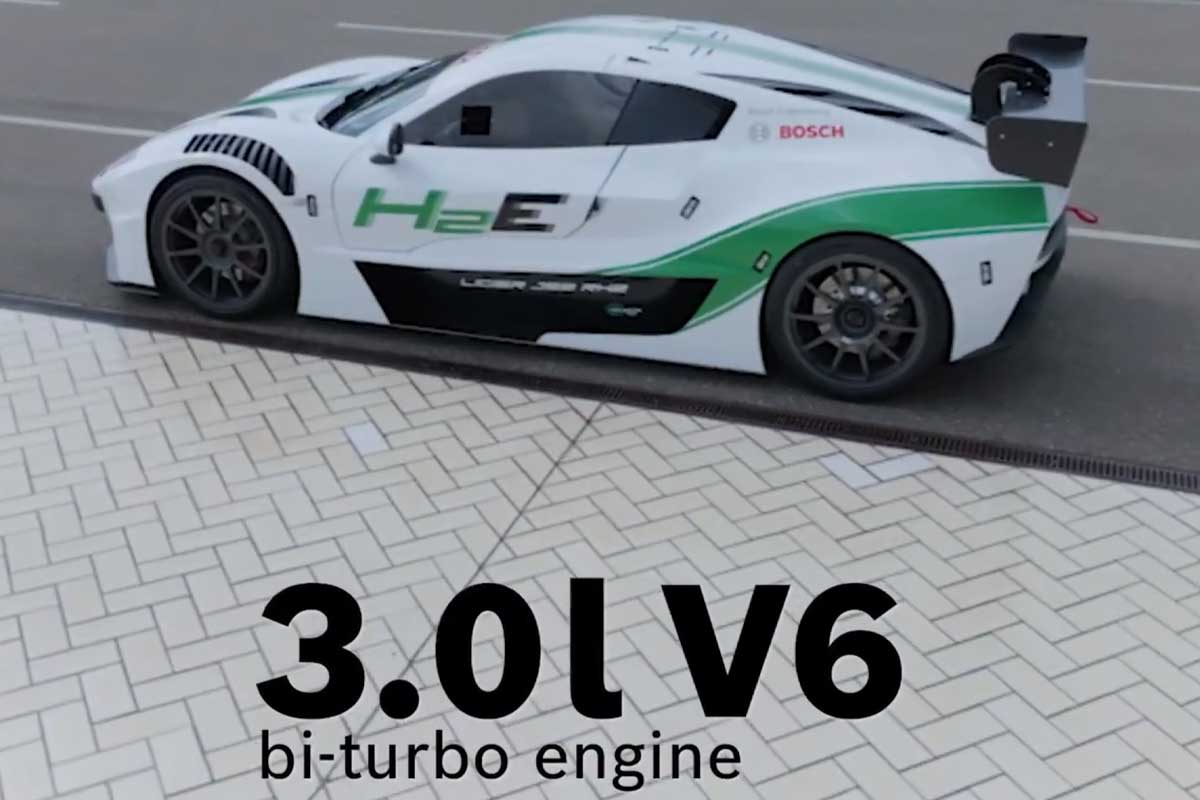
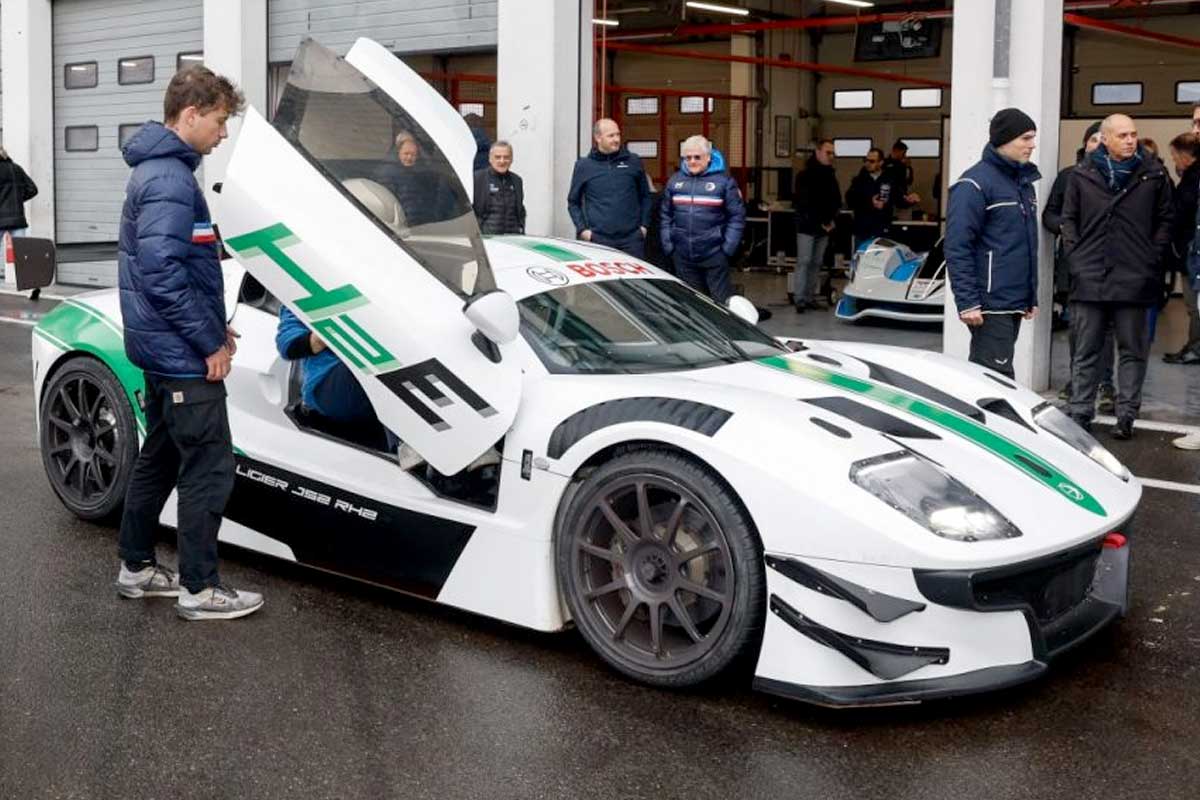
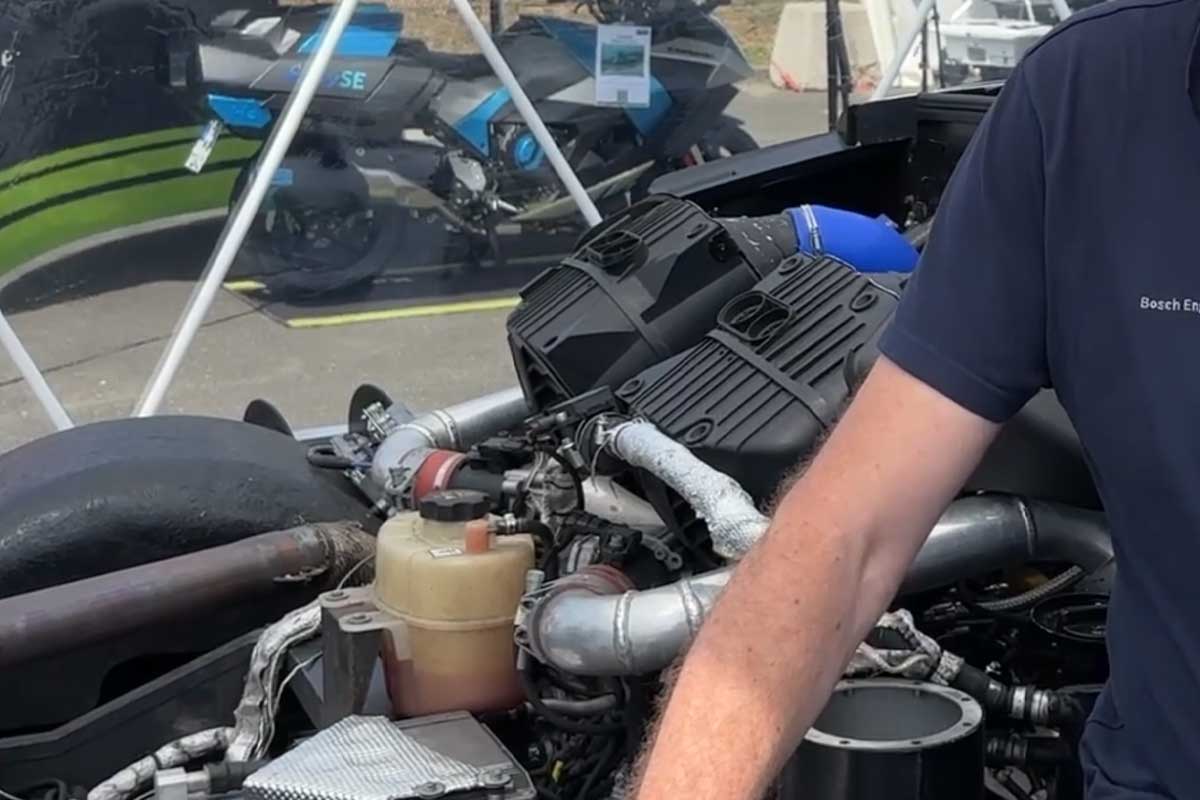
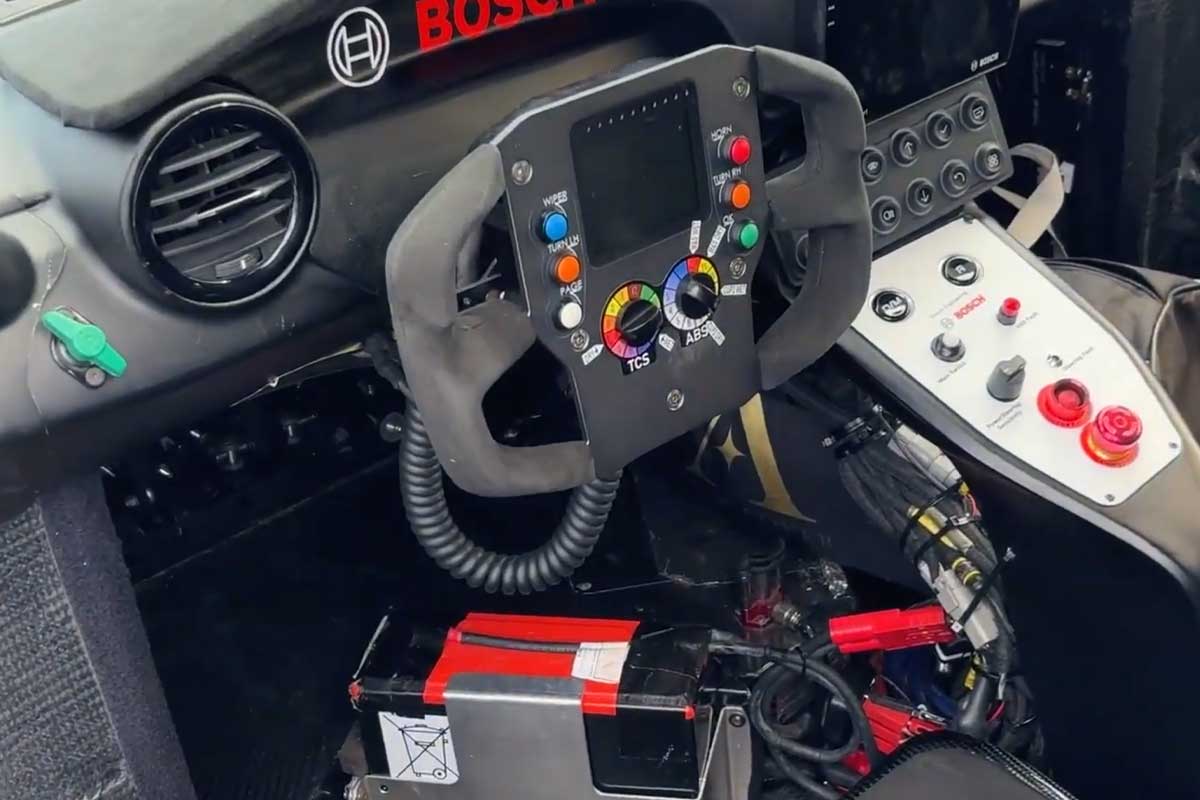
Unlike fuel cell cars, this is not about powering an electric motor. We're talking about a real internal combustion engine, with noise, revs and an exhaust system. The only difference is that the fuel is no longer fossil fuel, but hydrogen. In the end, the modifications are less radical than one might imagine: new injectors, coils, spark plugs, complete recalibration of the engine ECU. Cylinders, pistons, lubrication and even a large part of the cooling system remain original.

V6 noise... without pollution
This is perhaps the most puzzling aspect of this project. To the ear, the JS2 RH2 sounds like a Maserati MCPura, maybe even a little better. Grave, metallic, raging. Pure, unadulterated V6. Yet when it comes out of the exhausts, there's no smoke, no smell of petrol: emissions are estimated at 0.8 grams of CO₂ per kilometer, some of which comes directly from the ambient air.

And in terms of performance, the car is anything but a pushy prototype. The current version develops around 600 hp and 650 to 680 Nm of torque, depending on settings. A "Gen 2" evolution under development would already exceed 650 hp and approach 900 Nm. Bosch even claims that a hydrogen engine could eventually deliver 20 % more power than an equivalent petrol engine.
A racing car... ultra safe
Hydrogen fascinates as much as it worries, often because of its explosive image. On the JS2 RH2, safety has been treated as an engineering obsession. Three carbon fiber tanks, positioned around the carbon cell, store 6.3 kilos of hydrogen at 700 bars. Each compartment is insulated, ventilated, monitored by sensors, and coupled to a leak detection system capable of stopping the engine in milliseconds. Engineers have designed a passive ventilation circuit that automatically vents gases to the outside in the event of a fault, preventing any build-up in the cabin. The electronics also trigger a cascading safety system, from driver alert to complete system shutdown if necessary.
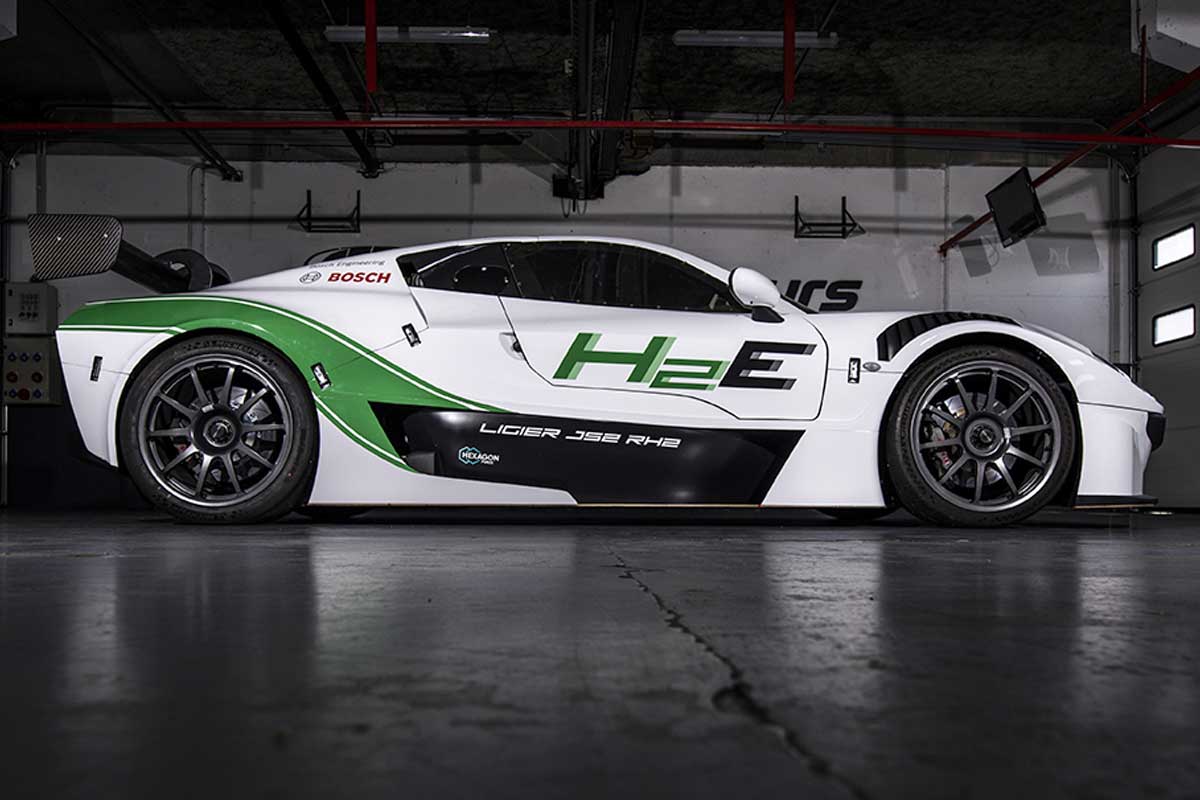
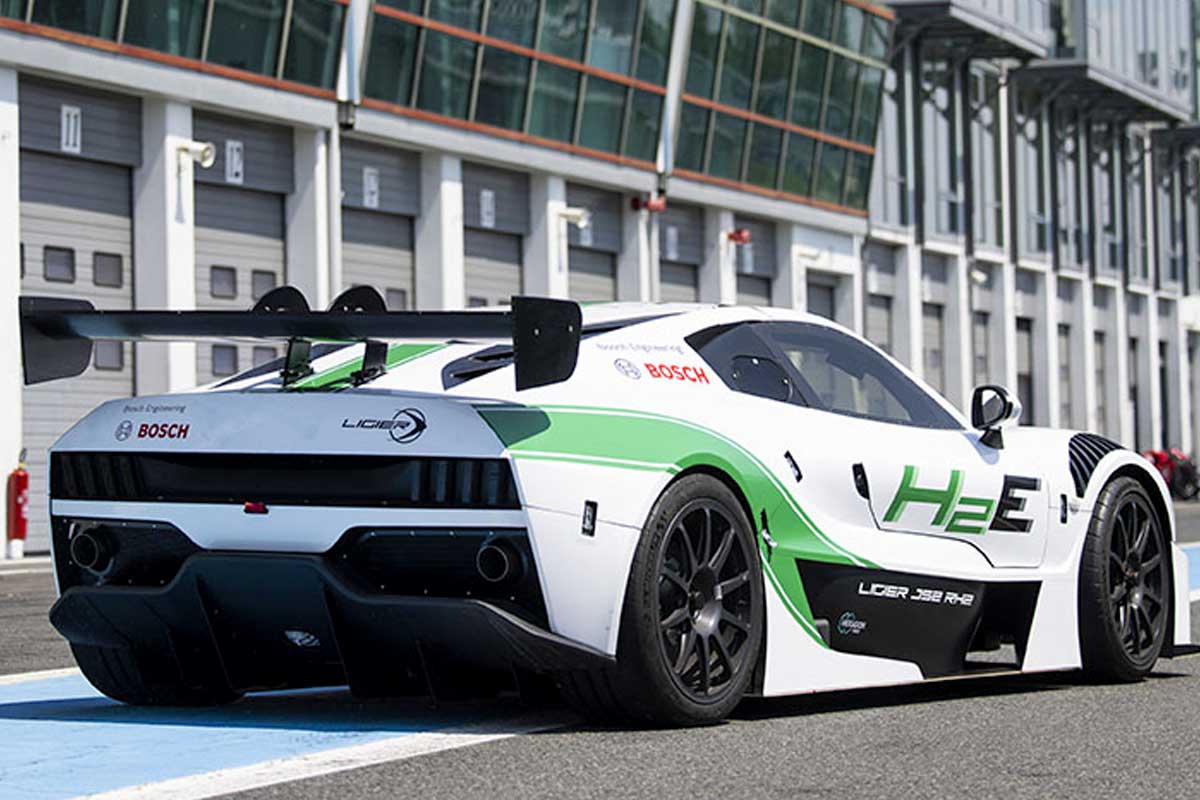
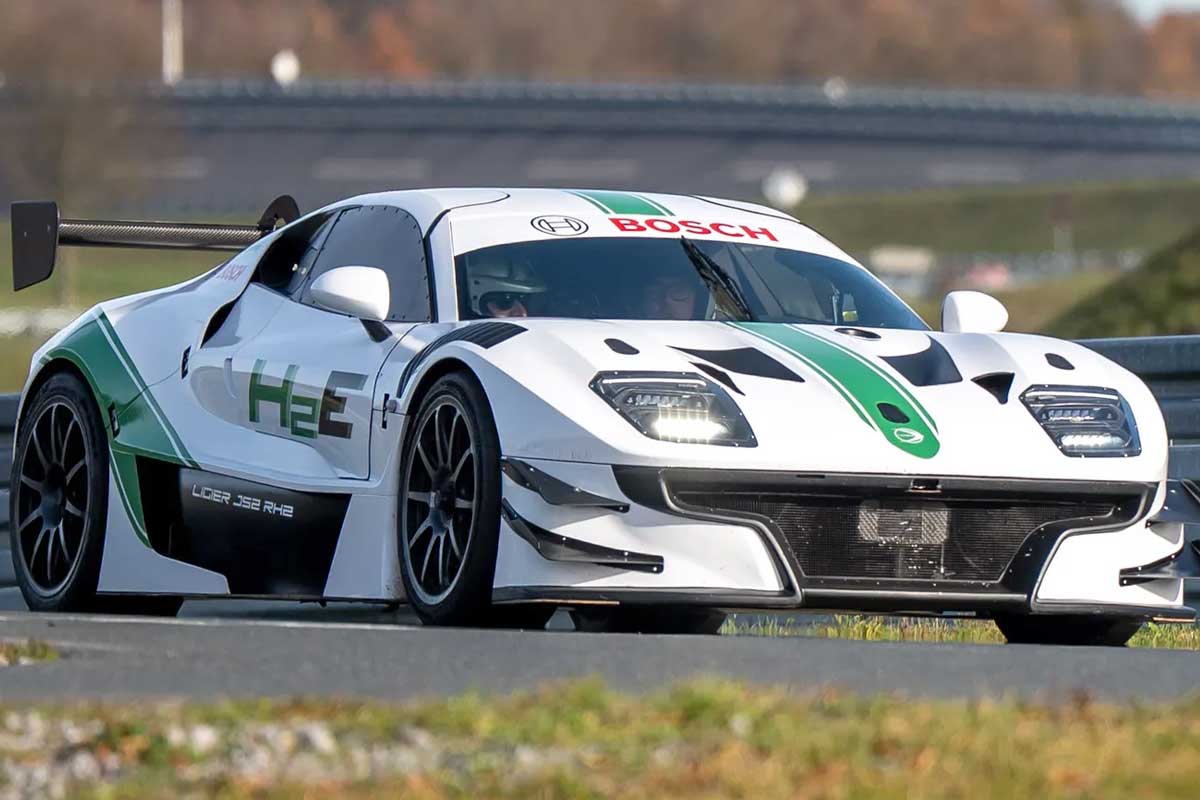
From Le Mans to Magny-Cours: the birth of a hydrogen ecosystem
The Ligier JS2 RH2 isn't just a concept locked away in a car showroom. It drives. Hard. And all too often underestimated, its test track record is already impressive: over 7,000 kilometers covered in extreme conditions ranging from winter cold to summer heat. In June 2024, the car completed an official demonstration run at the Le Mans 24 Hours before the race, and was on display all week in the Hydrogen Village. It is now continuing its testing at Magny-Cours, where Ligier, Bosch and the circuit are aiming to create a veritable hydrogen technology hub.

In 2028, a hydrogen category could be born at Le Mans and in the endurance championship. Ligier, Bosch, ACO and Alpine are already working in this direction. It's a pity that Maserati is not actively involved in the development of this project, which is certainly more interesting for the brand than Formula E.
 English
  French
  Italian
  Spanish
  Portuguese
  German
  Japanese
  Turkish
  Dutch
Dutch