

In his test of the Maserati MCPura Cielo, Jeremy Clarkson ended up talking about more than just an Italian supercar. As is often the case with him, the car was merely a pretext. Behind the wheel, the British journalist embarked on a much deeper reflection: why has the British car industry disappeared... while Italy's continues to exist? And his answer is neither technical nor economic. It's cultural.
The British Car Cemetery
Clarkson begins by recalling an almost brutal fact: England was once an automotive superpower. Humber, Riley, Wolseley, Austin, Morris, Hillman, Sunbeam, Triumph, TVR, Singer, Bristol... the list is endless. Almost all these brands have disappeared. MG and Rover ended up in China. As for Jaguar, its future now seems uncertain.
For him, the deeper reason lies in the way the British perceive the automobile. In the UK," he explains, "many enthusiasts are more interested in the mechanical parts than in the car itself. They admire the carburetor, the suspension, the starter motor... but the whole object remains secondary, almost utilitarian. When British Leyland was dying, the public debate was about lost jobs, not lost cars. The car was not a cultural identity. It was an industry. And when an industry loses money, it shuts down.
In Italy, a car is a living being
In Italy, Clarkson observes exactly the opposite. There, the car goes beyond the function of transportation. It almost becomes a living entity. He recounts a discussion with his friend AA Gill: are Italians obsessed with food? Perhaps... but according to him, their real passion is cars. And not just the mechanics: the whole, the soul, the presence.
Closing a brand like Lancia for financial reasons would be unthinkable. It would be, he writes, the equivalent of getting rid of your dog because its food is too expensive. Or replacing fresh pasta with canned industrial food. In other words: Italy doesn't protect its brands because they're profitable. It protects them because they are part of its heritage.
Lancia, irrationality taken for granted
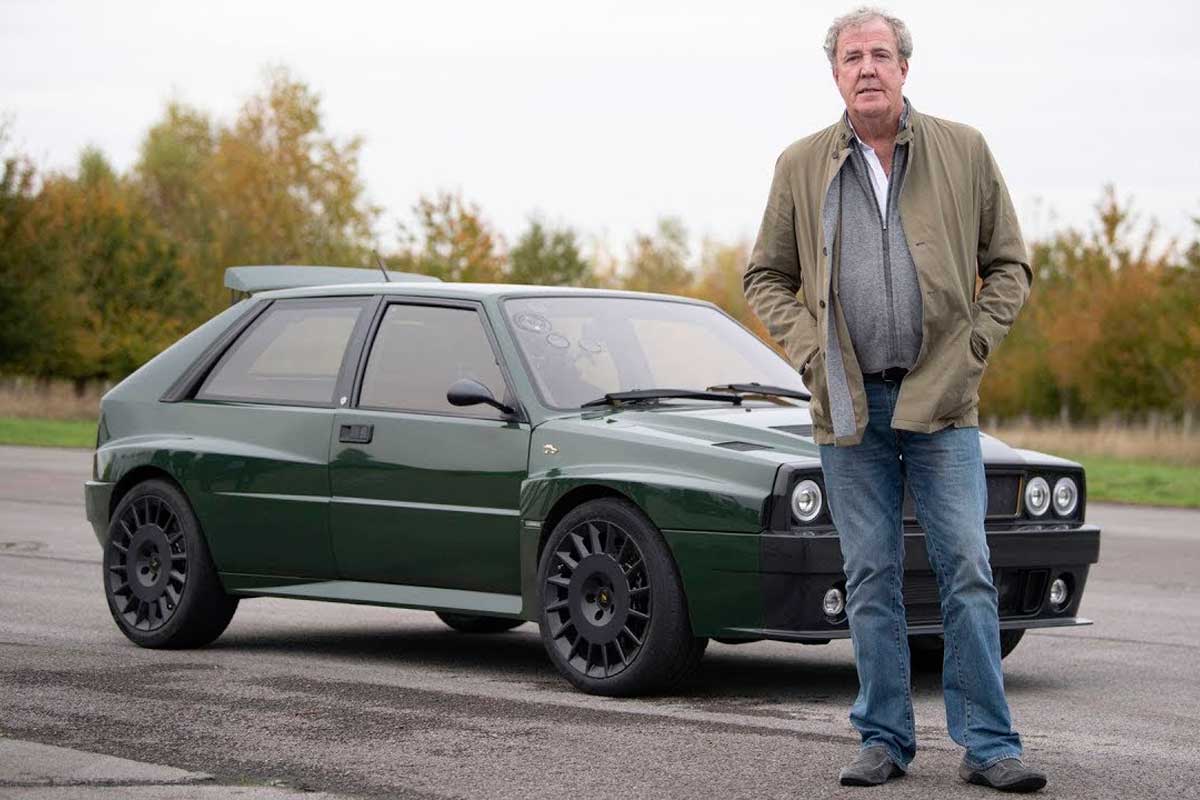
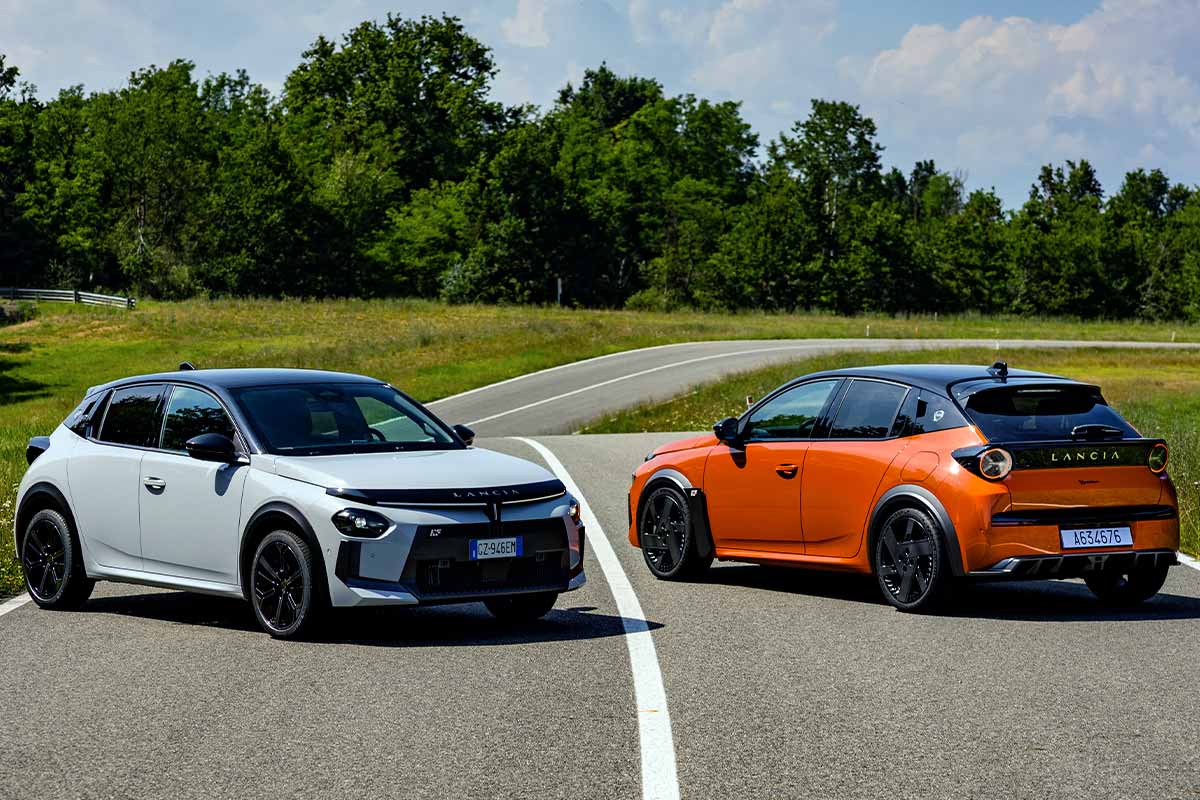
For Clarkson, Lancia is the perfect symbol of this mentality. Today, the brand sells only one model, the Ypsilon, in very low volumes. Financially, it makes no sense. And yet it still exists. Because you don't do away with a company that created independent suspension, popularized the V6, invented the monocoque chassis or designed some of the most striking cars in history, such as the Stratos or the Delta Integrale. In England, he claims, a loss-making brand would have been discontinued long ago. In Italy, closing it down would be like demolishing the Colosseum to widen a traffic circle.
Maserati, the unlikely survivor
The Maserati case intrigues Clarkson even more. After the split with Ferrari, the brand should logically have disappeared: new engines to develop, colossal investments, a shrinking market. Everything pointed to its demise. But it went on.
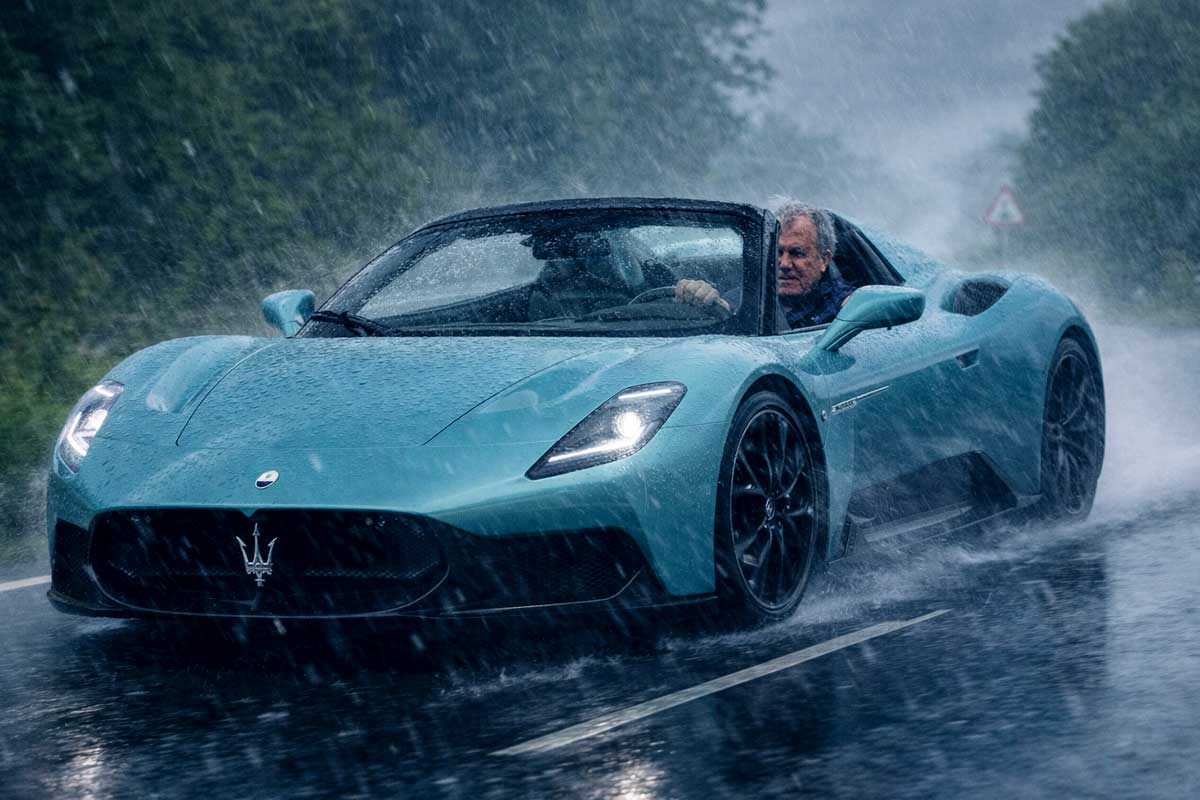
And this is precisely what moves him when he concludes his test of the MCPura Cielo. Even after a breakdown, even when imperfect, the car inspires sympathy. Because it has personality. And for him, losing Maserati would be like destroying an Italian museum to save on air-conditioning.
A question of love, not business
Clarkson's implicit conclusion is clear: the survival of Italian brands is not a financial success, but a cultural one. The UK has treated the car as an industry.
Italy has treated it as an art. And as long as this difference exists, some brands will continue to exist despite losses, crises and restructuring. Because in Italy, a car is never just a product. It's part of our national history.


 English
  French
  Italian
  Spanish
  Portuguese
  German
  Japanese
  Turkish
  Dutch
Dutch
BMW massacred the Rover group, already in a sorry state, when they had a partner who could have saved them... Honda.
Lotus, Aston Martin and Jaguar are still British, because between identity and investors, they are 2 different worlds and these 3 brands have nothing to envy the Italians, apart from Jaguar and its chronic reliability problems.
British women in general and "chronic reliability problems
Ma quale anima, la gente va a lavorare dentro ferrari perche fattura
JLR is TATA.
Lotus and MG are Chinese.
Aston Martin is technically very AMG, while Jaguar/TWR and Ford have clearly evolved.
Mini is German.
Rover is dead.
"Aston Martin is technically very AMG".
And the owner is Canadian.
Yes, okay ... Aston Martin is still relatively the most English or Commonwealth.
But apart from Aston ... they're still real Italian and French brands with in-house engineers.
Well, the French are the modest next-door neighbors of the Italians... Well, who can do great things?
Should have sold the British brands to the "ex-PSA" (cf Vauxhall) 😀
È verissimo quello che ha scritto Jeremy, noi italiani non ci dispiace delle cose belle , che hanno avuto successo in tutto il mondo, e che abbiamo creato e amato. Sono macchine e meccanica costruite con arte e l'arte e figlia della natura . E così che siamo noi italiani . Semplicemente naturali.
Si sarebbe potuto fare molto ma molto di più per mantenere ai vertici dell'automobilismo mondiale marchi come Lancia, Alfa e Maserati. Invece, nonostante non siano scomparsi i manager nostrani hanno fatto scelte in passato totalmente in contrasto con la storia e lo spirito di questi marchi. l'Alfa Romeo attualmente avrebbe dovuto essere superiore alla Ferrari come sinonimo di auto supersportiva e la Lancia come punto di riferimento dell'eleganza tout cour. Invece nel recente passato con questi due marchi abbiamo visto solo delle Fiat rimarchiate.
Yes, he's a nice guy, but on the other hand, Fiât hardly exists anymore and Lancia and Alfa have been on life support for a long time. With Filosa l'amerloc it's not going to get any better 😳 . In short, only Ferrari is doing well.
Yes, okay ... Aston Martin is still relatively the most English or Commonwealth.
But apart from Aston ... they're still real Italian and French brands with in-house engineers.
Well, the French are the modest next-door neighbors of the Italians... Well, who can do great things?