

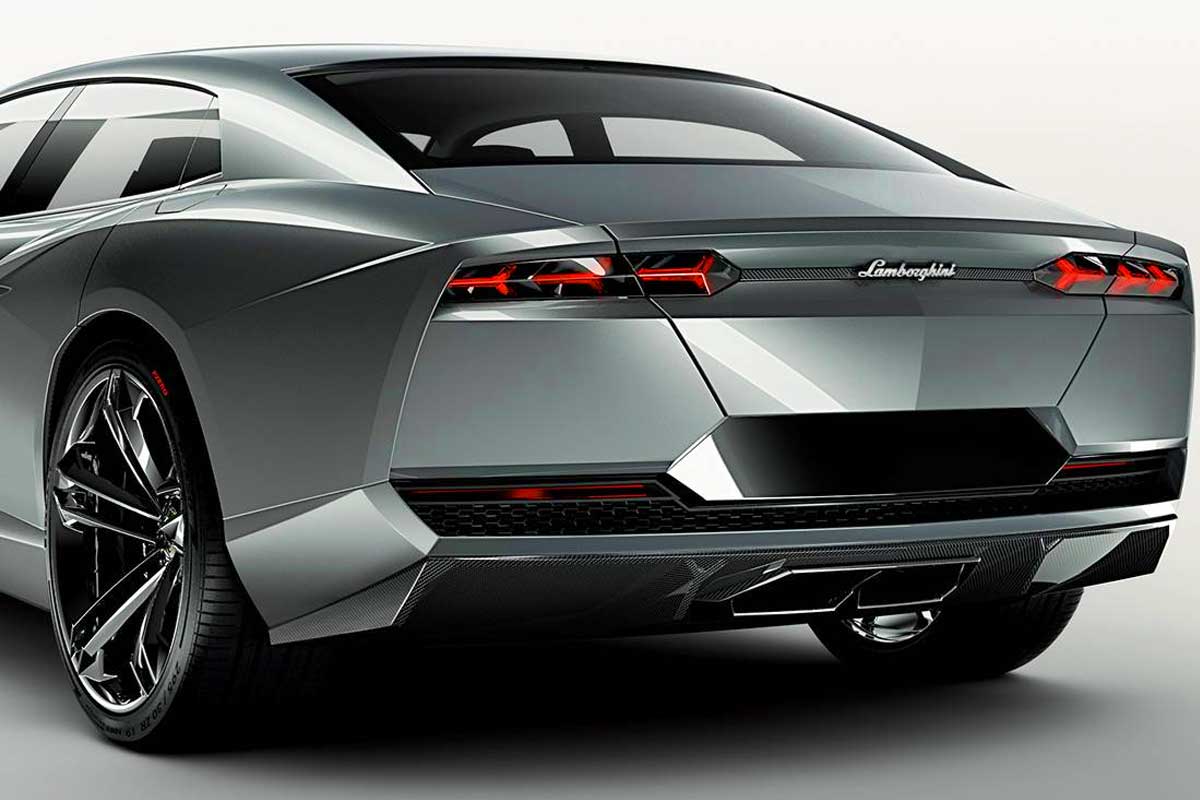
At a time when Lamborghini is mostly associated with the Urus, the brand's best-seller, it's almost hard to imagine that the Italian manufacturer would ever have seriously considered a four-door sedan powered by a naturally-aspirated V10. And yet, at the end of the 2000s, Lamborghini came very close to overturning its own DNA with a now almost forgotten model: the Estoque.
Before the Urus, Lamborghini was already dreaming of four doors
Contrary to popular belief, Lamborghini didn't wait for the SUV era to think about more versatile models. As early as the late 1970s, the brand had already ventured off the beaten track, notably with the LM002. But in the 2000s, the Lamborghini range remained strictly confined to two-door supercars. At that time, Lamborghini buyers could only choose between the Gallardo and the Murciélago. Two radical, spectacular cars, but hardly suitable for everyday use. Yet Lamborghini was well aware that its customers already owned several vehicles, often SUVs and luxury sedans... but from the competition. It was precisely this realization that gave rise to an audacious project.
The Estoque, a Lamborghini like no other
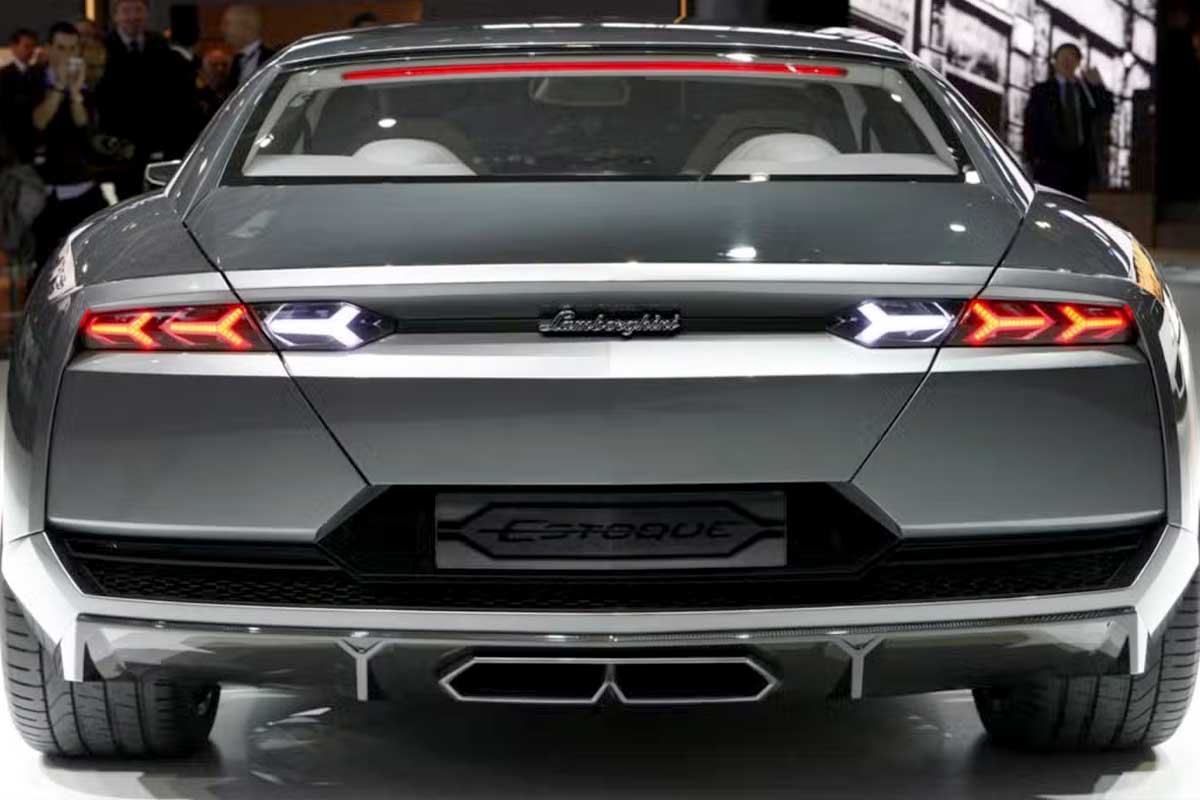
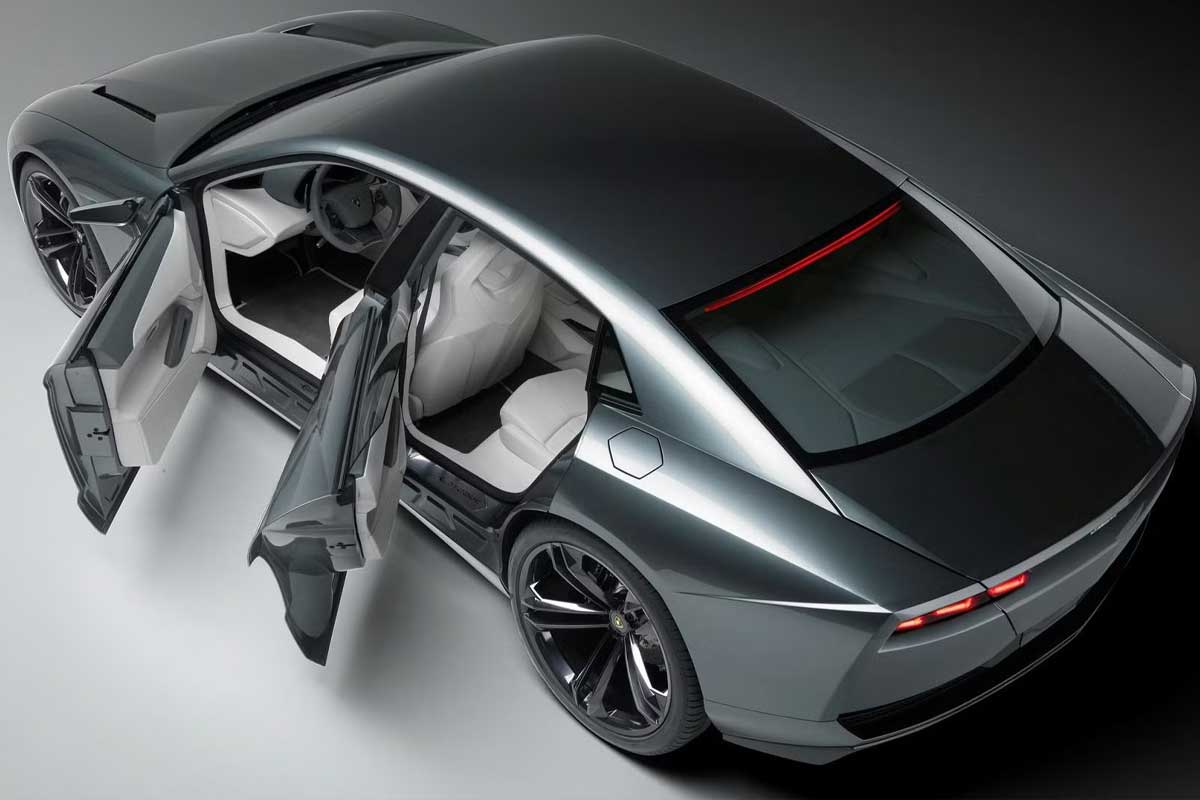
Introduced in 2008, the Lamborghini Estoque is an immediate departure from the brand's previous offerings. Nearly 5.15 metres long, with a wheelbase approaching three metres, it boasts a low, slender silhouette, just 1.35 metres high. Despite its four doors, the Estoque retains typical Lamborghini proportions: flat hood, taut surfaces, narrow windows and muscular stern. Visually, the car denies nothing of the Sant'Agata Bolognese DNA. It looks like a stretched supercar, designed to accommodate four passengers without sacrificing aggressiveness or sportiness.
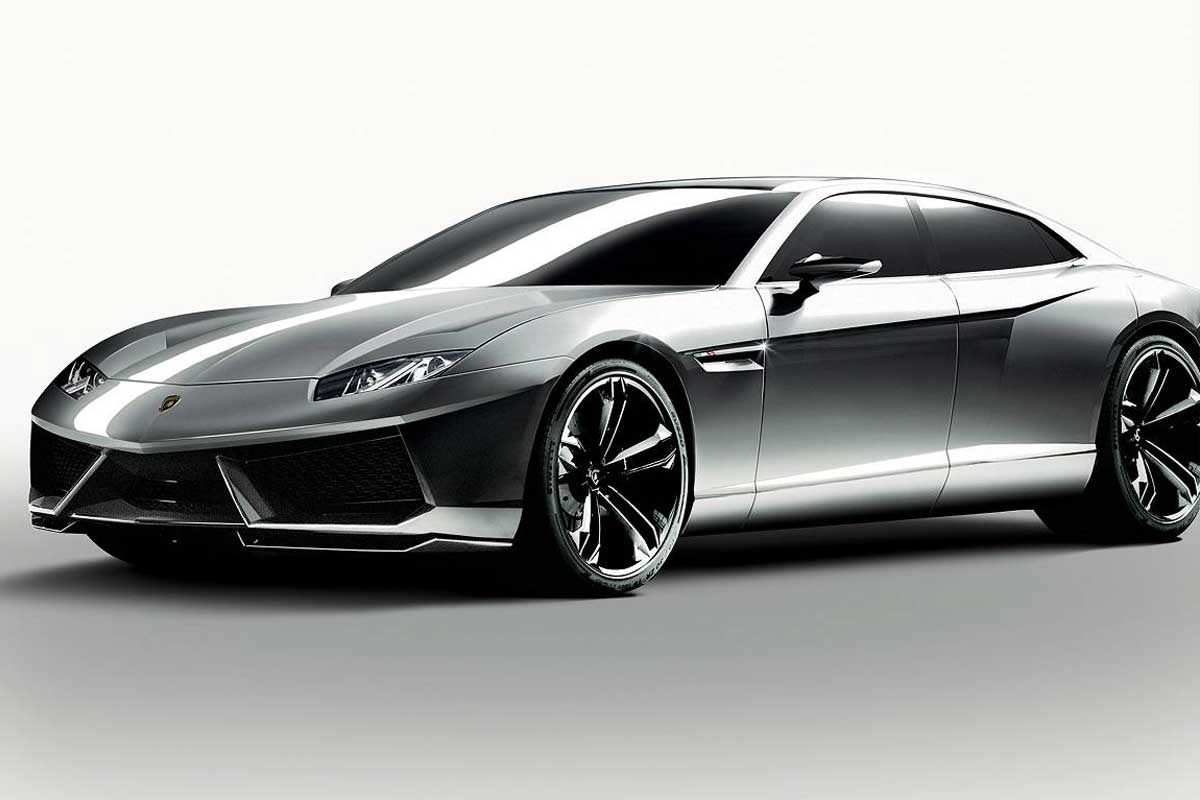
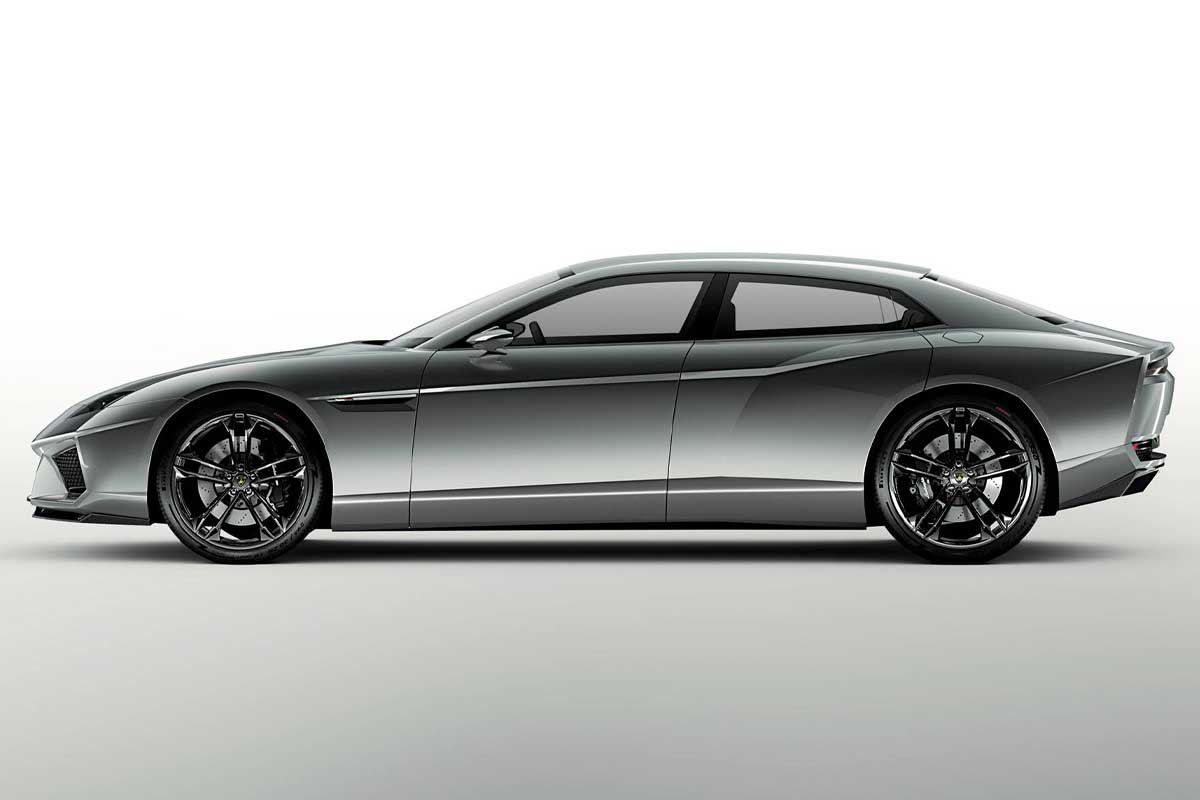
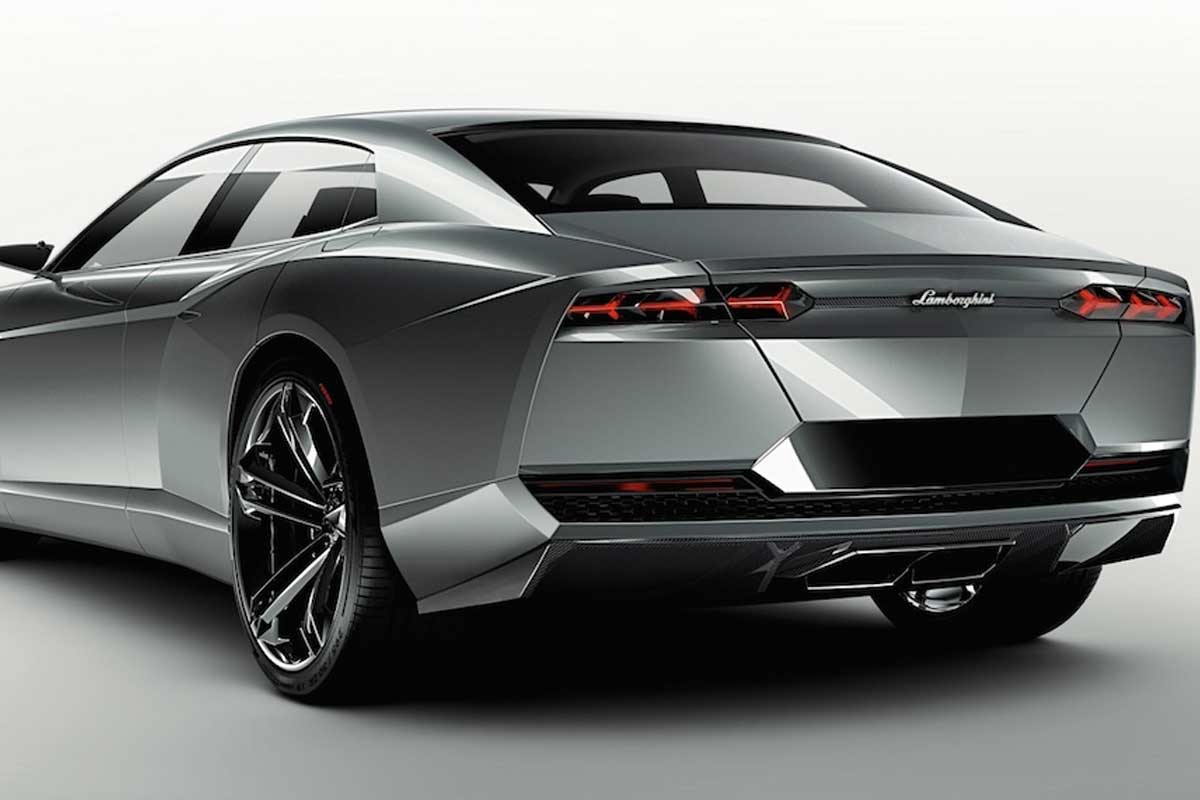
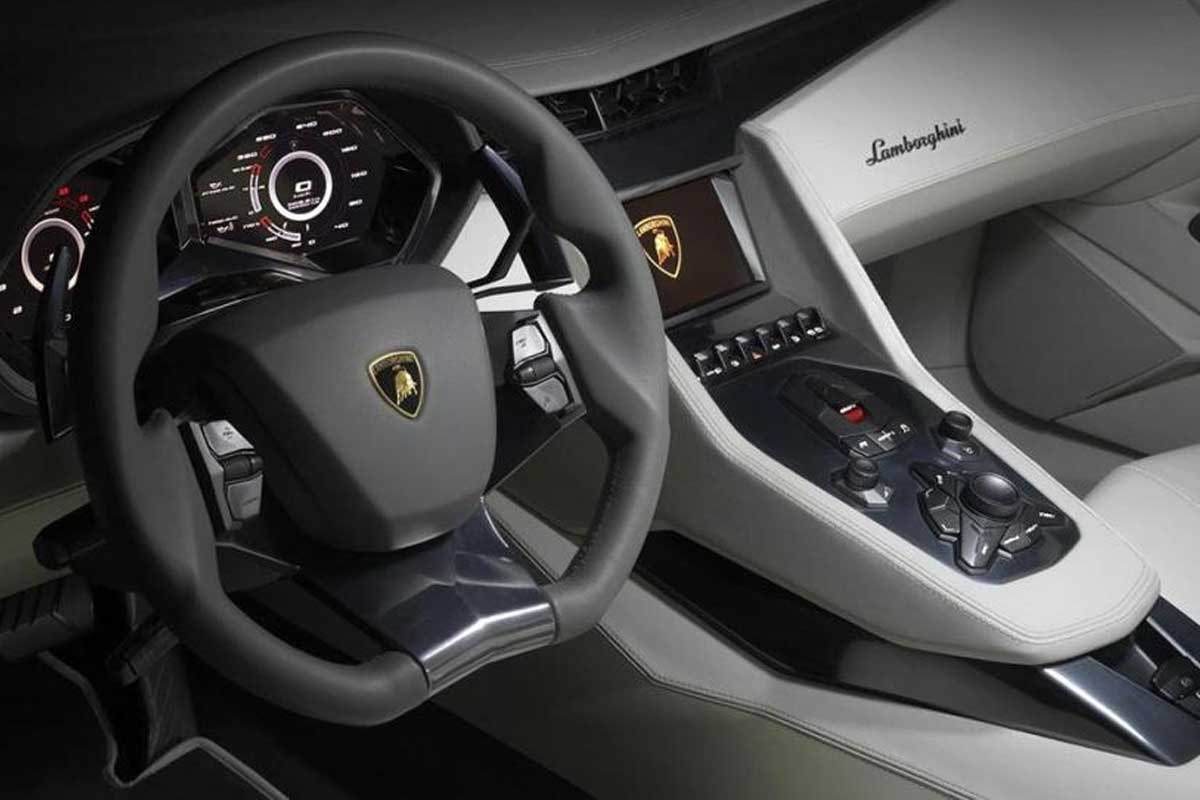
Inside, the atmosphere is just as faithful to the brand. The design is based on the Gallardo and Murciélago, but with four real sports seats. Lamborghini promises sufficient space for adults in the rear, as well as a trunk capable of accommodating several golf bags, a detail that speaks volumes about the targeted clientele.
A 550-hp V10 sedan
What makes the Estoque particularly fascinating is, of course, its powertrain. Under its long hood, Lamborghini planned to install the Gallardo's famous naturally-aspirated V10, in its 5.2-liter version. With around 550 hp and almost 400 Nm of torque, this four-door sedan promised supercar-like performance, with an estimated top speed of almost 320 km/h.
A project that fell victim to bad timing
At the time of its presentation, everything seemed to indicate that the Estoque was seriously being considered for production. A year later, however, Lamborghini officially announced that it was abandoning the project. With hindsight, several factors explain this decision. First, the economic context. The Estoque arrived just before the global financial crisis of 2008, a particularly delicate time to launch such a risky model. Secondly, the Volkswagen Group, owner of Lamborghini, didn't seem totally convinced by the idea of such an exclusive sports sedan. Years later, Lamborghini's CEO would explain that the design, notably linked to the very long wheelbase, still required too much development. A technical justification that undoubtedly masks a more strategic reality.
Why the Urus has finally changed everything
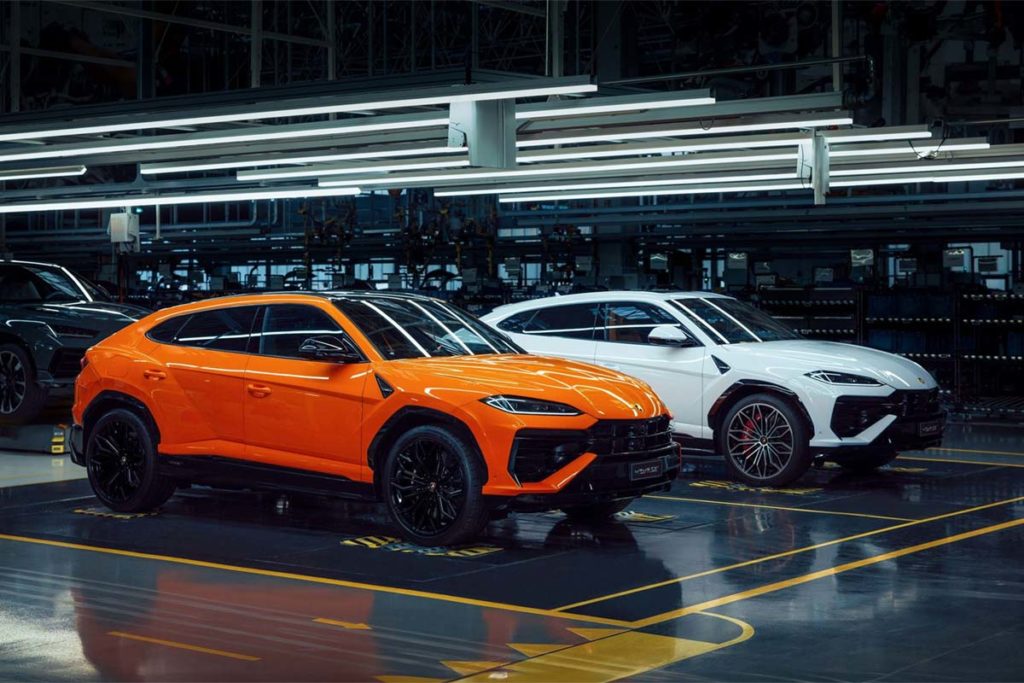
In place of the Estoque, a few years later Lamborghini launched a completely different four-door project: the Urus. This SUV, powered by a twin-turbo V8, quickly became the best-selling model in the brand's history. With hindsight, it's hard to argue with this choice. The market has clearly shown that luxury SUVs have become the true financial pillars of luxury automakers. Porsche proved this with the Cayenne. Conversely, sports sedans from prestige brands have rarely met with the success they had hoped for.
Today, the Lamborghini Estoque remains a fascinating "what if". An alternative vision of what the brand could have become, with a V10 sedan capable of competing with the world's best sports cars, while retaining a radical identity.
 English
  French
  Italian
  Spanish
  Portuguese
  German
  Japanese
  Turkish
  Dutch
Dutch