

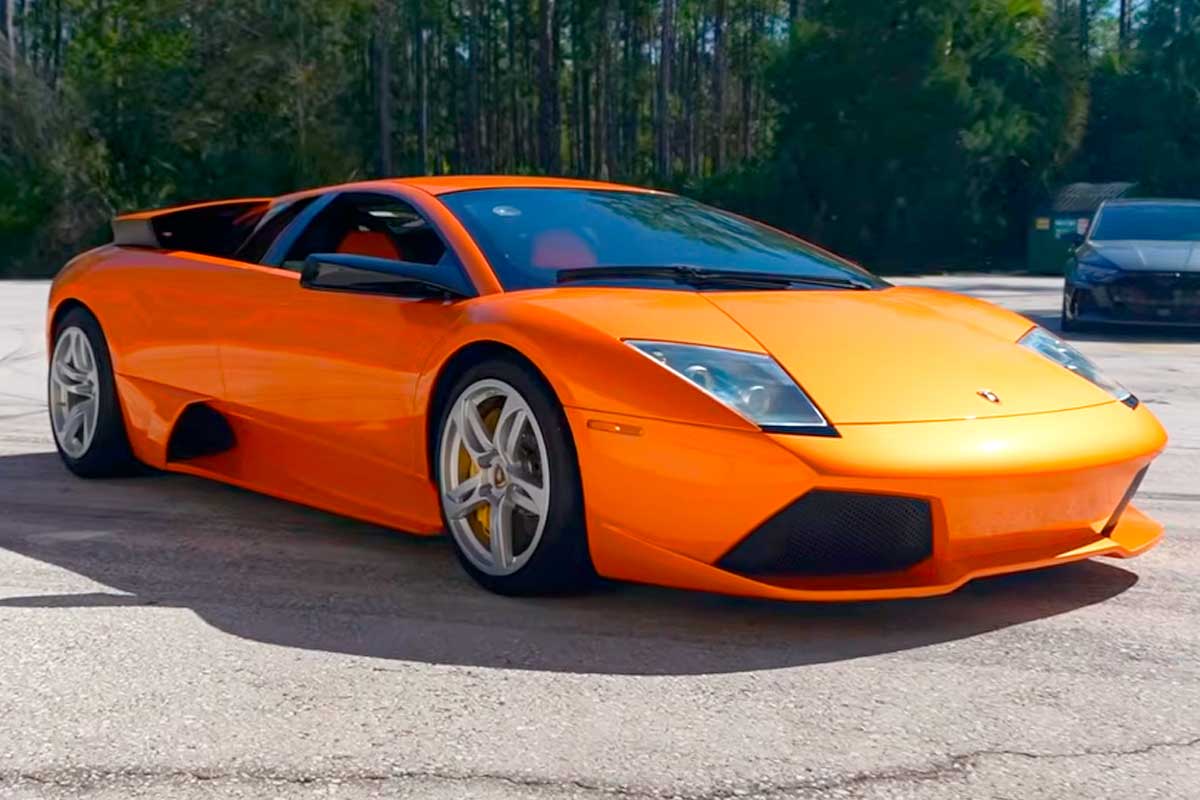
Transforming a Lamborghini Murciélago conversion from all-wheel drive to rear-wheel drive is no simple matter. In a recent YouTube video, a Murciélago owner documents precisely this conversion, carried out with the help of Nick, designer of the installed kit. According to him, the original all-wheel drive system was "archaic", comparable in principle to that of some 1990s Audi models, with limited benefits outside low-grip conditions. Conversely, switching to two-wheel drive would reduce known stresses on these models, notably on the clutch, while significantly lightening the car and making the steering lighter.
"All-wheel drive is archaic".
The Murciélago's all-wheel drive system is therefore "archaic". If you're not driving in the snow, the benefits of all-wheel drive are limited. Switching to two-wheel drive removes much of the stress from the clutch. On the Murciélago, this is precisely one of the most sensitive points. Then there's the feel: a steering system that's claimed to be lighter, and a car that feels livelier because it no longer has to drive everything up front. Another benefit, almost anecdotal, is a slight improvement in fuel consumption.
The kit
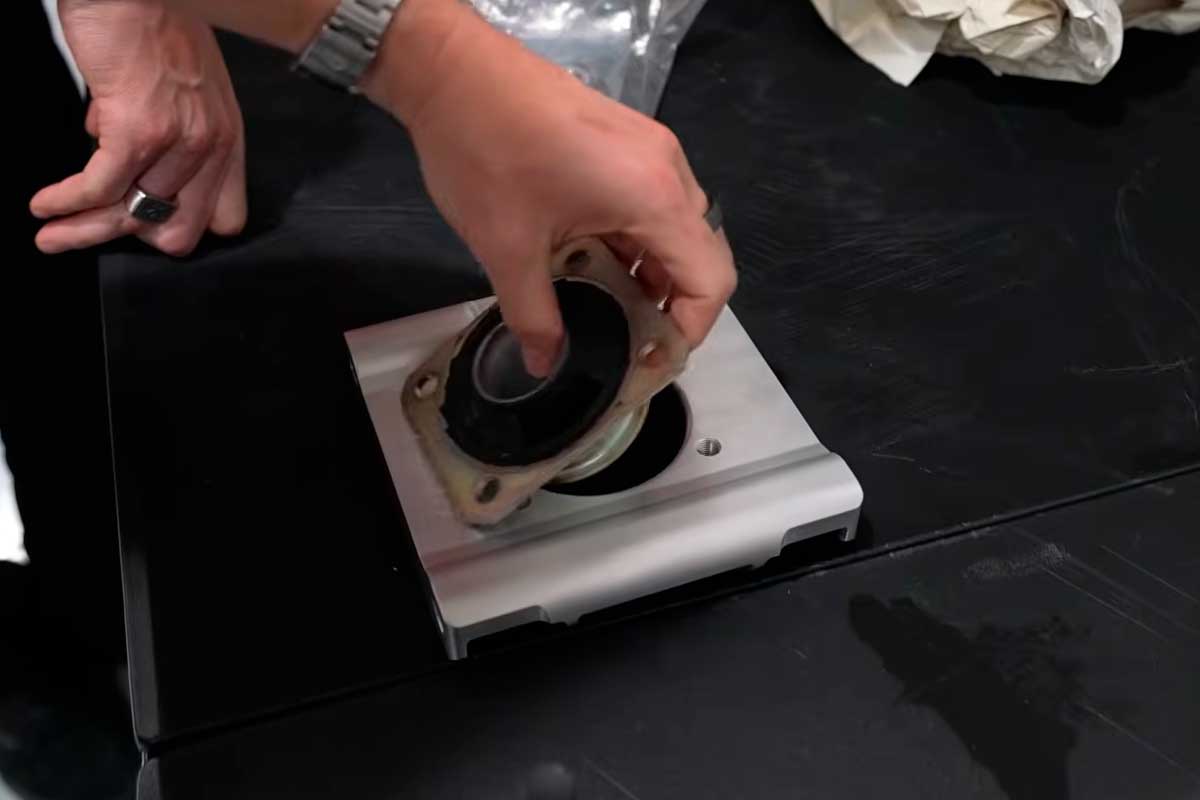
Even before getting under the car, the video focuses on the central element of the transformation: the kit designed by Nick. The aim is simple: to convert the Murciélago into a rear-wheel drive without any visible tinkering, while maintaining a coherent and mechanically logical installation. Nick begins by showing the transmission mount base, a machined part that bolts to the chassis. It plays a key role in this conversion: once the front axle has been "unloaded" of its transmission components, it is necessary to compensate for the disappearance of certain support points. This is where a particularly interesting detail comes in: the kit uses a Ferrari 355 part! A strange "marriage" between two Italian brands.
The kit also includes components designed to remove the front transmission without weakening the hubs. As the owner points out, you can't simply remove the front driveshafts, as this would pose load and bearing retention problems. The solution adopted is therefore a system designed to remove unnecessary components while maintaining a structure compatible with the mechanical constraints of the front axle.
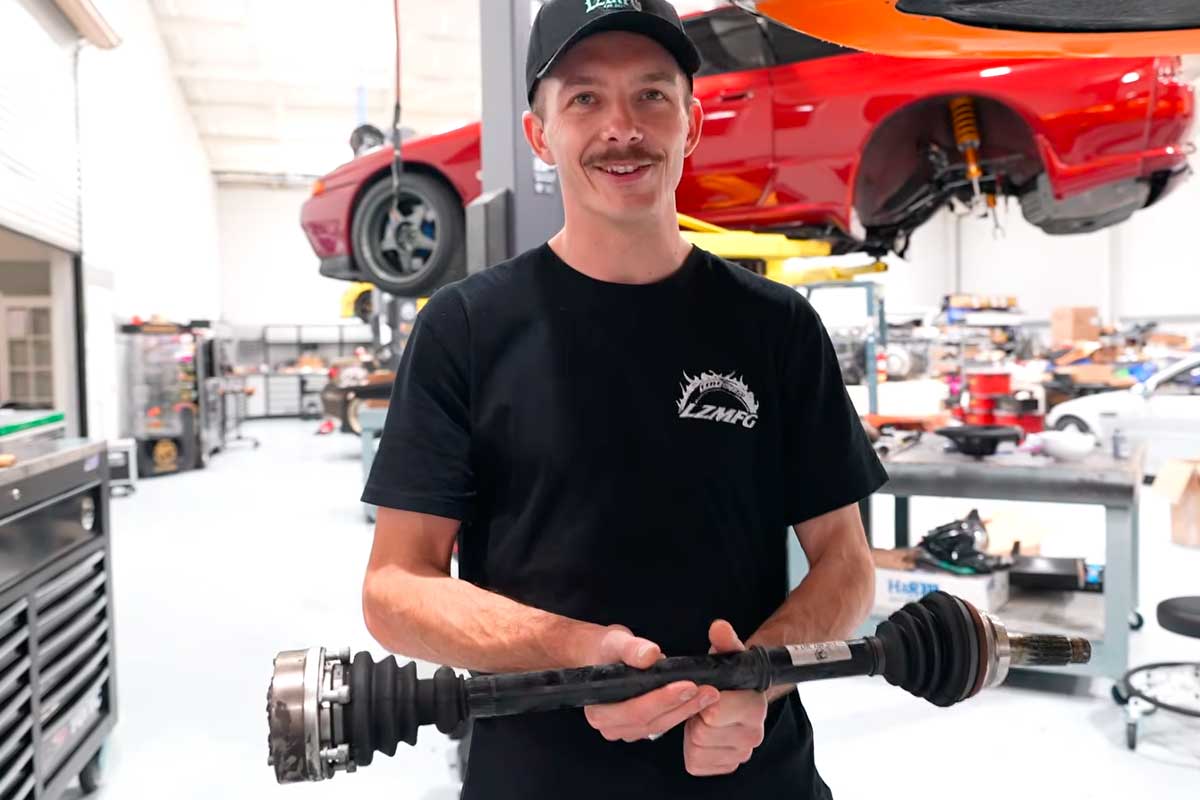
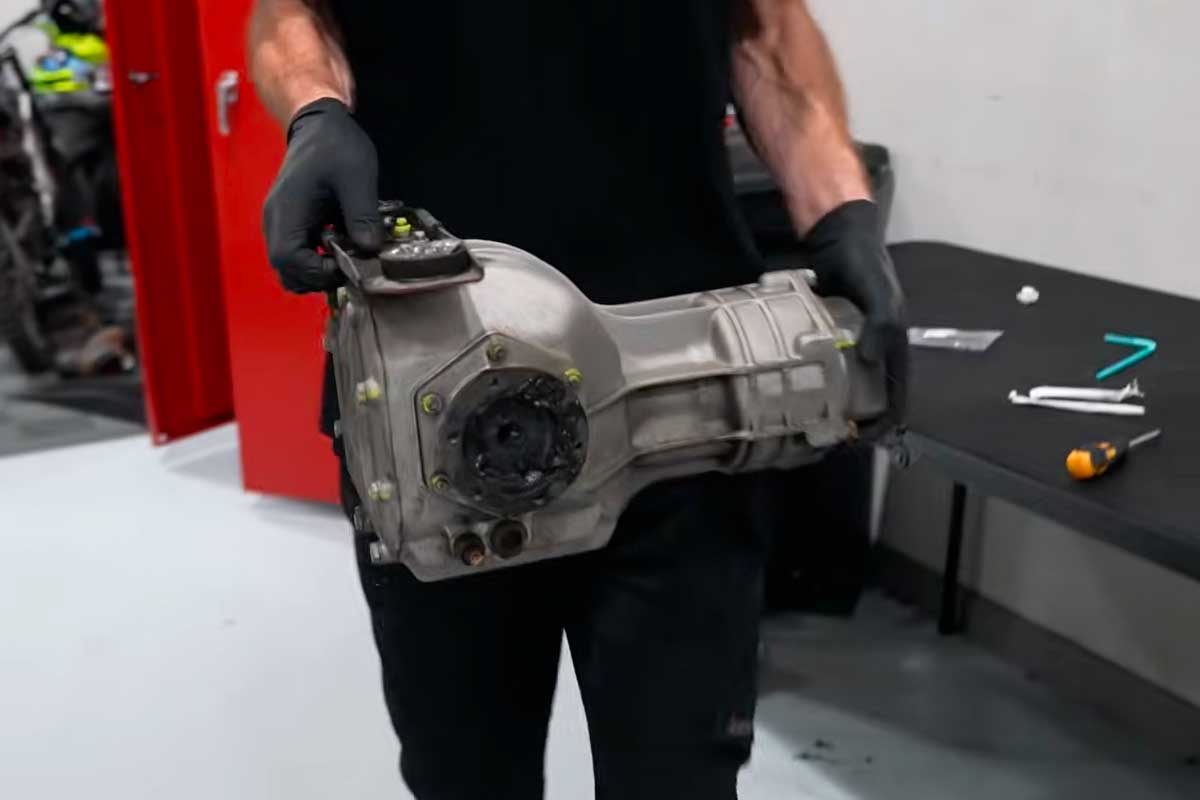
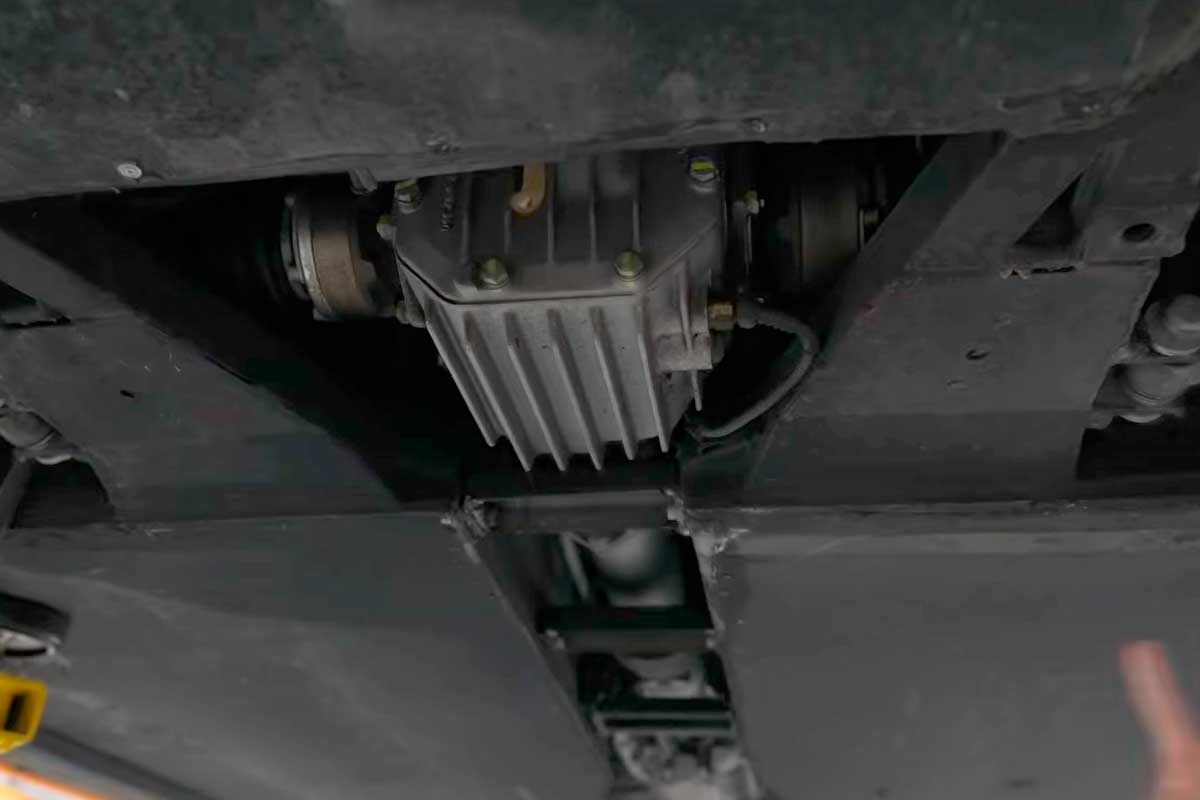
There's more to the conversion than just removing a few parts. The video clearly shows that the operation begins with the complete removal of the front differential, an essential step in gaining access to the driveshafts. Without this prior removal, it is impossible to properly remove all the components associated with the all-wheel drive. The operation therefore requires time, method and a good knowledge of the Murciélago's particular architecture.
Less weight on the scale
Once the parts have been removed, the weight savings are quickly quantified. The front differential alone weighs in at around 27 kg. Adding the two driveshafts and various associated components, the total weight reduction is just over 50 kg. A significant reduction, all the more so as it mainly concerns the front end of the car. This weight shift has a direct effect on the car's driving dynamics. Less weight on the front axle means lighter steering and a more responsive car feel, but also a modified balance, with more responsibility entrusted to the rear axle.
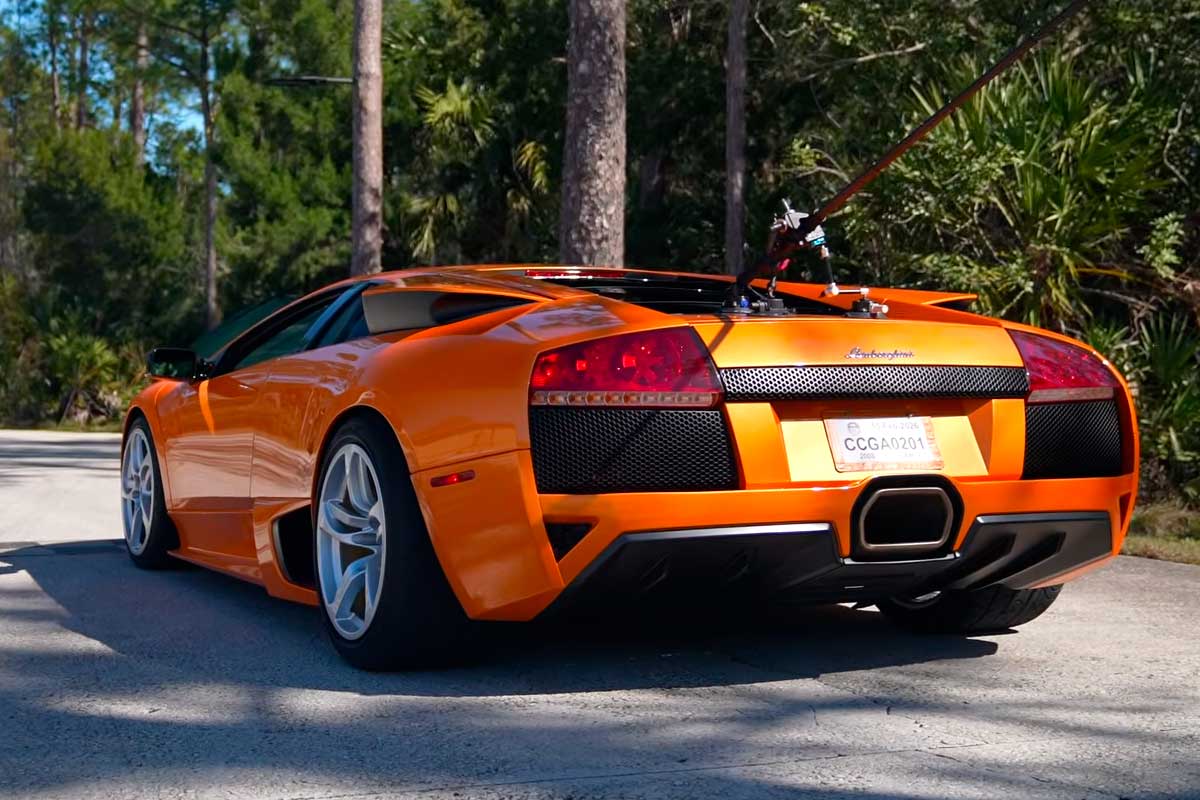
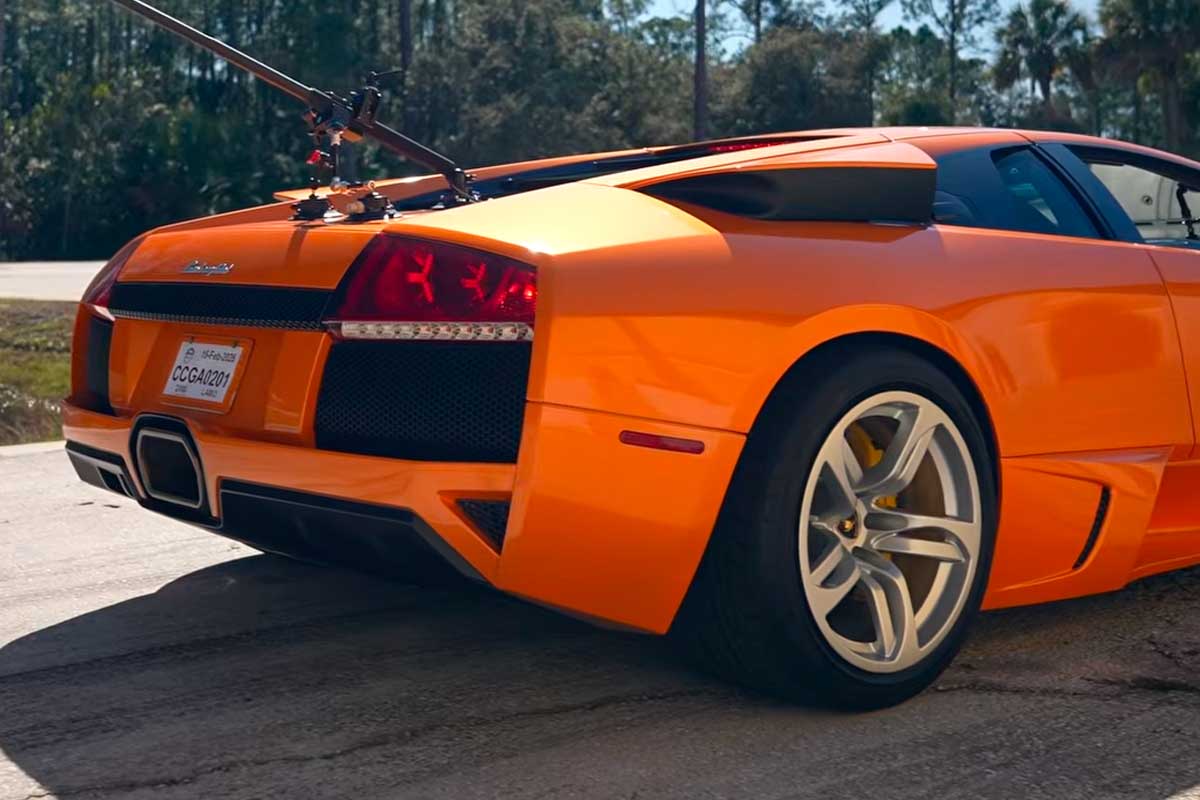
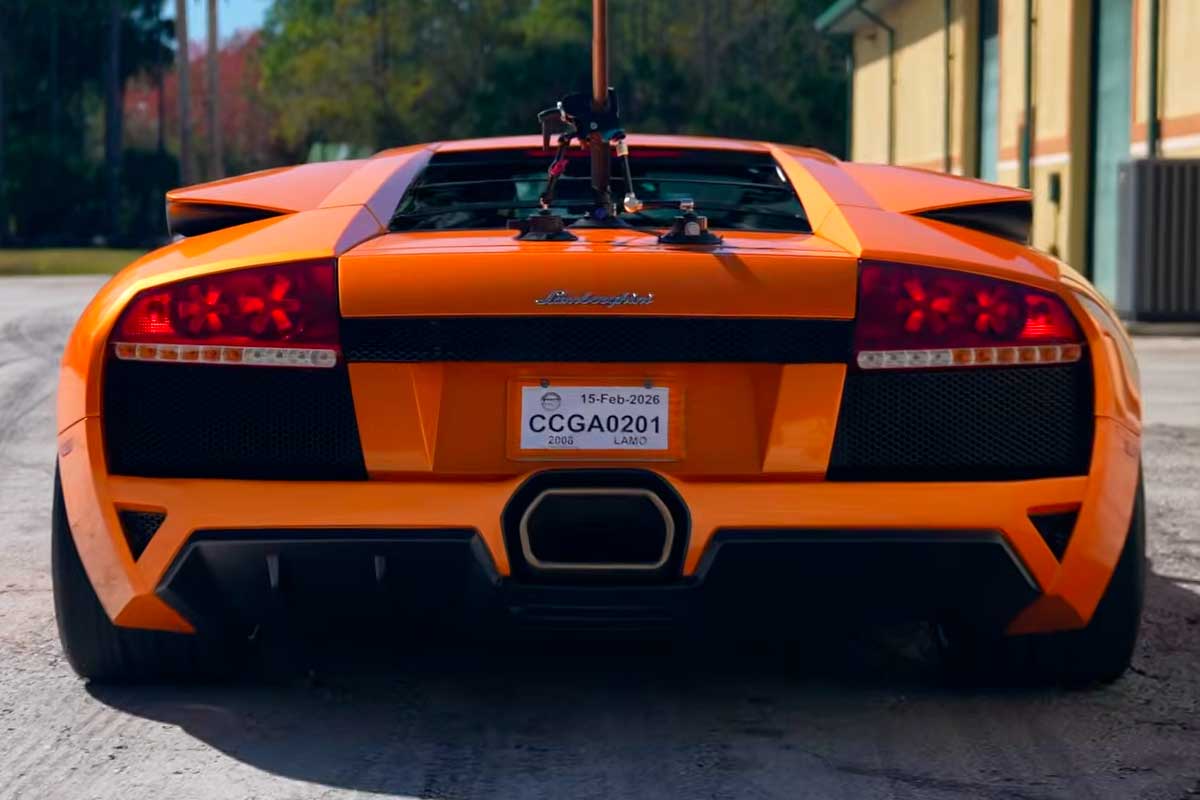
A livelier Murciélago... and more demanding
On first drives, the difference is immediately perceptible. The steering feels lighter, the throttle response more direct, and the car seems more willing to enter corners. But this liveliness has a downside: deprived of the extra traction offered by all-wheel drive, the Murciélago becomes much trickier to exploit at the limit. Even when fitted with high-performance tires, the car easily oversteers, even at relatively low revs for a naturally-aspirated V12. The owner himself admits that rear-wheel drive makes the car more intimidating, particularly during gear changes and throttle applications on corner exits. Where all-wheel drive brought a form of security, rear-wheel drive now demands more finesse and anticipation.
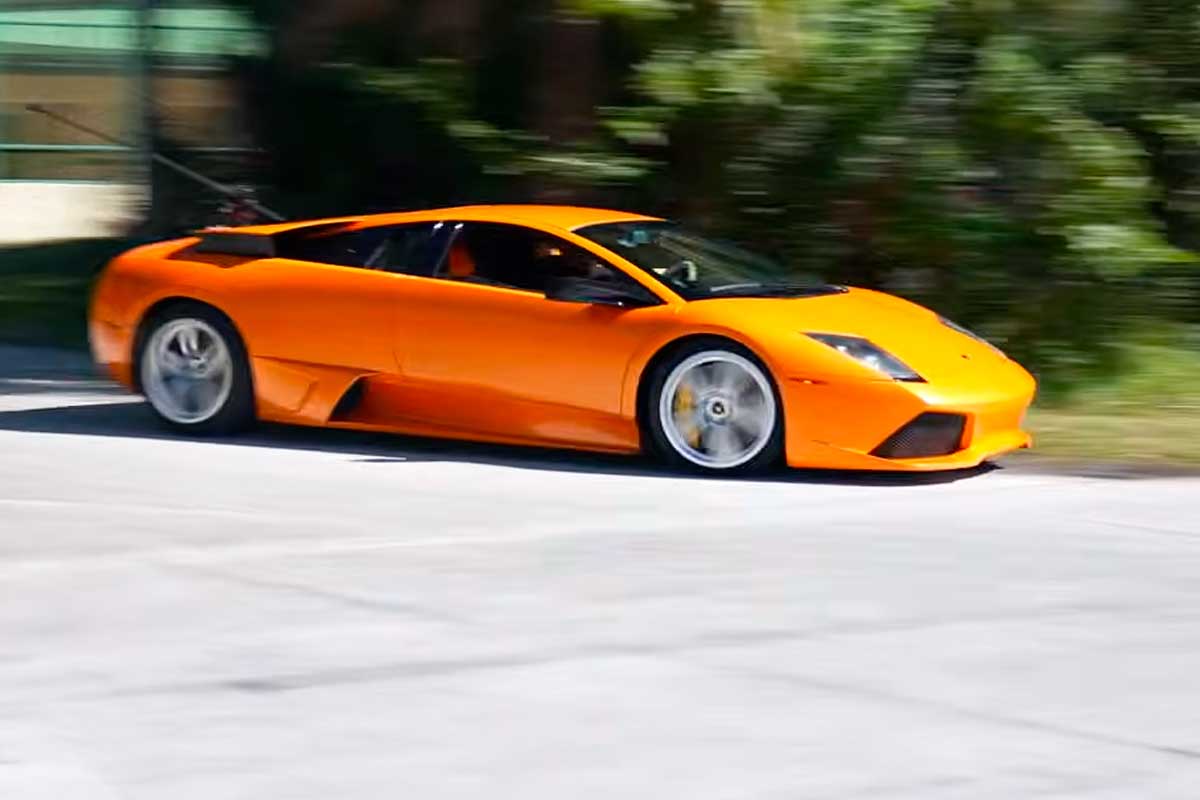
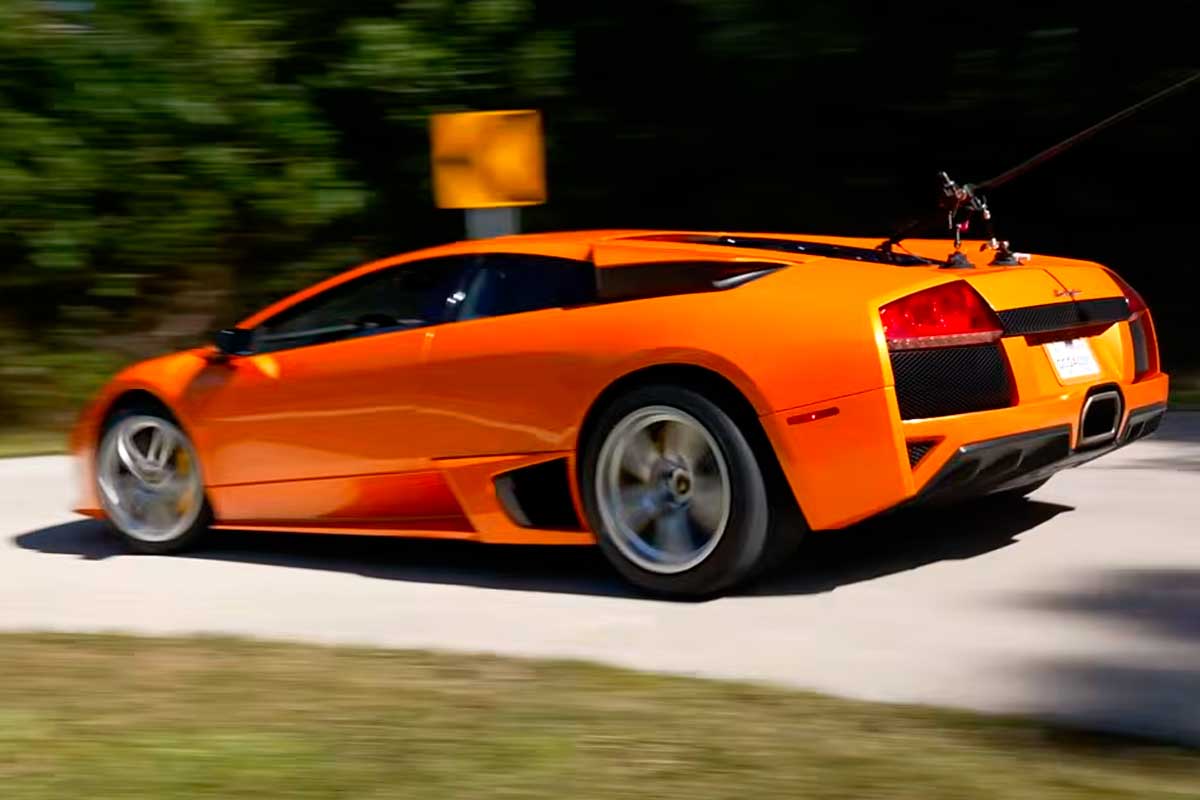
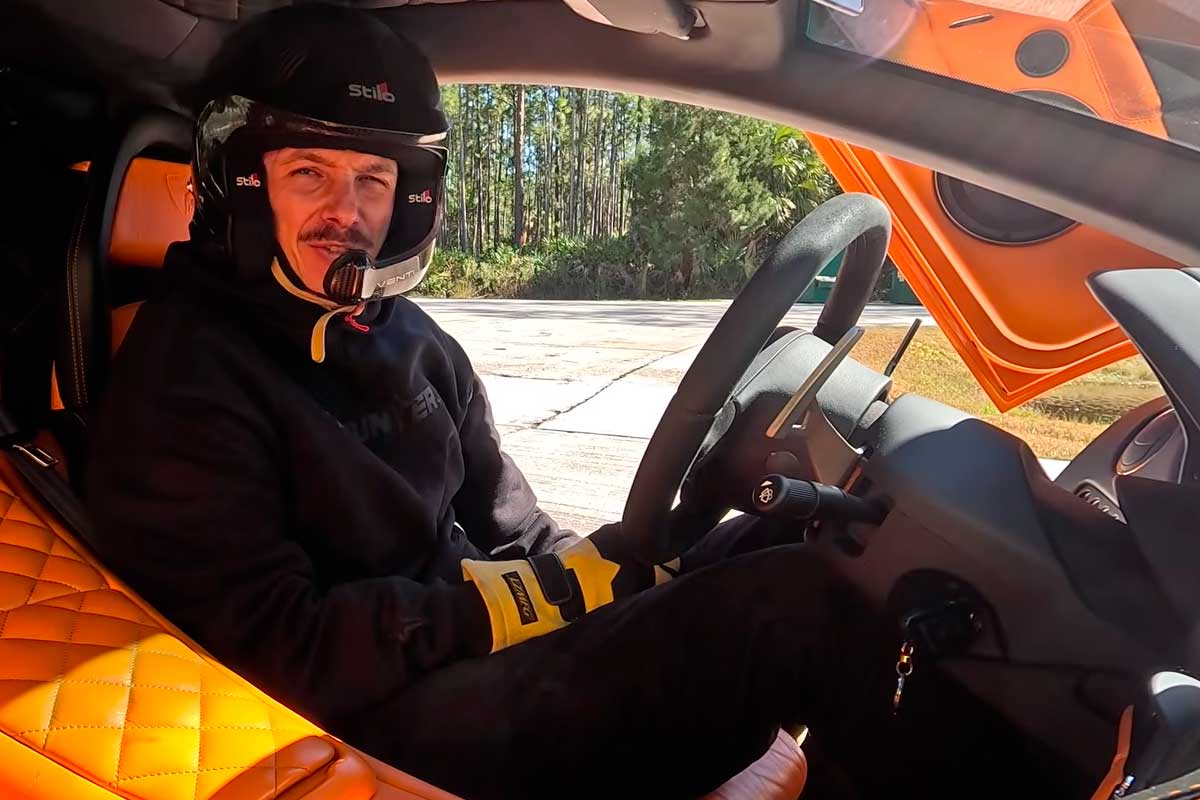
The owner insists on the value of this approach. Testing the car to the limit on a private track avoids discovering its most brutal reactions on the open road. And in the case of the Murciélago, the transformation to rear-wheel drive means a re-learning phase, as the car's character evolves.
A truly archaic transmission?
In the end, the question remains. Is the Murciélago's all-wheel drive really archaic, or is it a key element in its healthy, reassuring behavior? The video clearly shows that AWD provides a form of stability, particularly in the face of the V12's high torque and the sometimes brutal character of the e-gear transmission. Conversely, conversion to rear-wheel drive reveals a car that is livelier, more expressive, but also considerably more demanding, requiring greater commitment and control from the driver.
This debate is not new to Lamborghini. The brand has often followed the same logic with its contemporary models: first offer a four-wheel-drive version, conceived as the "balanced", all-purpose version, before releasing more exclusive rear-wheel-drive series, aimed at purists and lovers of more raw sensations. To see a Murciélago transformed into a rear-wheel drive is to discover an alternative version of what Lamborghini could have offered at the time, but never dared to produce in series. A Murciélago that's lighter, more direct, more intimidating too.

 English
  French
  Italian
  Spanish
  Portuguese
  German
  Japanese
  Turkish
  Dutch
Dutch