

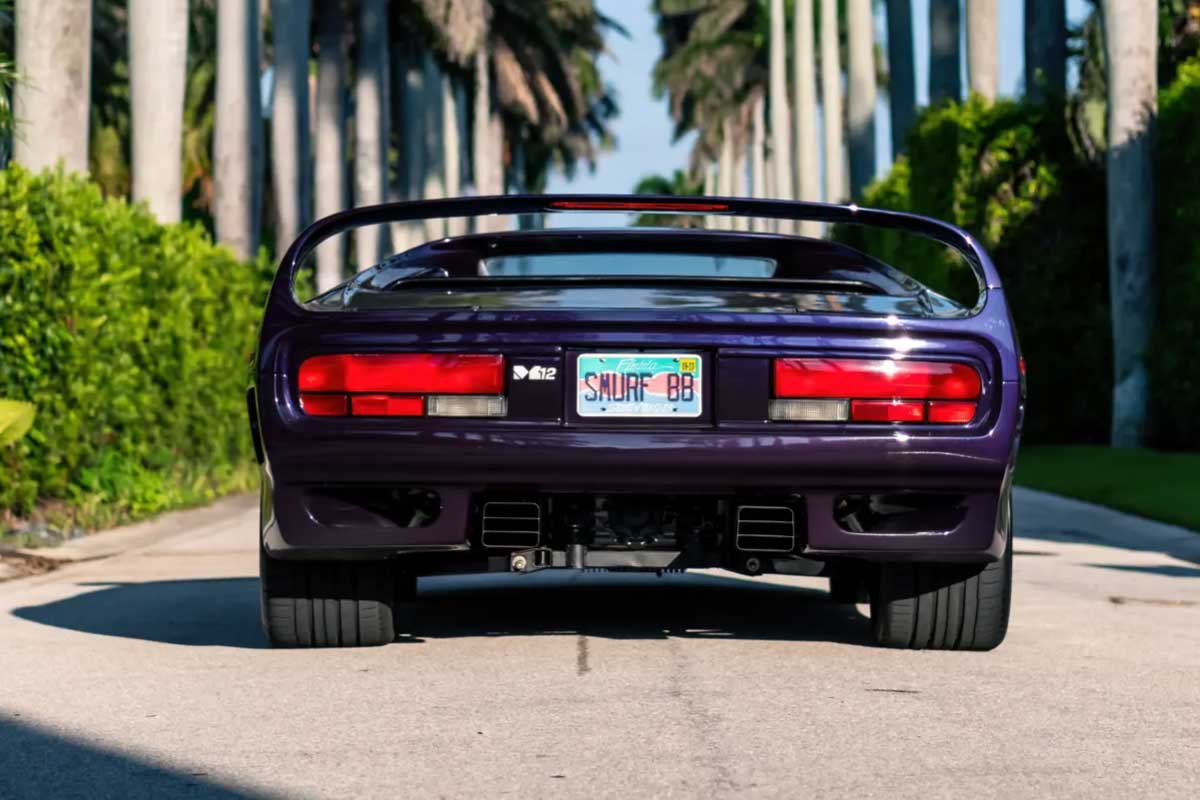
The Vector M12: a rare American supercar, powered by the same 5.7-liter V12 as the Lamborghini Diablo, equipped with a manual gearbox like a true exotic... and yet pilloried by the press, to the point of being proclaimed «the worst car ever tested» by AutoWeek.
How can a car that ticks so many “fantasy” boxes become a textbook case? To understand, we need to go back to a time when America wanted its own supercar, and one man, Gerald (Gerry) Wiegert, was prepared to move mountains to achieve it.
Vector, the American dream in a fighter jet version
Vector is not primarily about the M12. It's an idea born in the early 70s: to build an American supercar that doesn't try to imitate Europe, but challenges it head-on. Wiegert founded his adventure and fashioned a signature: wedge-shaped lines, an “aeronautical” style, a typically US excessiveness... and communication inflated by dizzying figures.
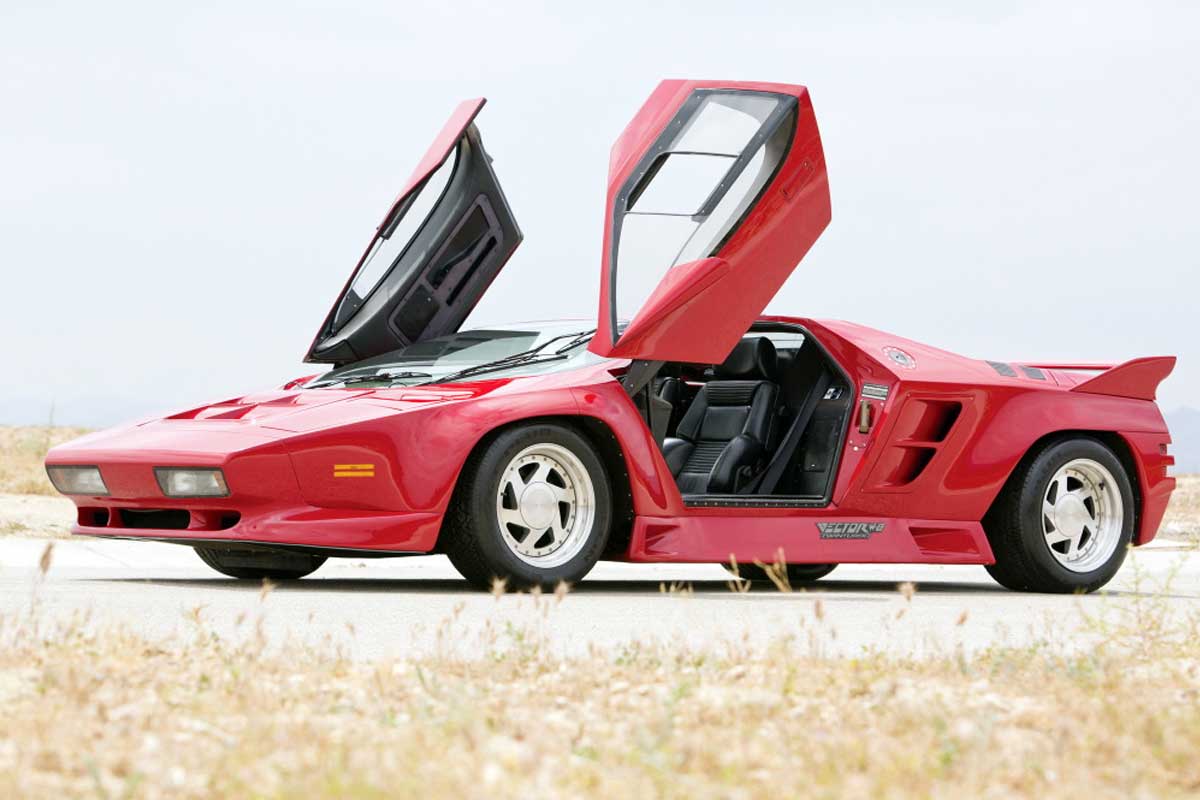
In the 80s, the Vector W8 Twinturbo crystallized this dream. On paper, it promised the unthinkable, an almost mythological top speed. In real life, the story turns sour: reliability problems, a cracking reputation, and even some famous customers going cold. Vector has the aura of a UFO, but also the scent of a project too ambitious for its means. The kind of fragrance that attracts enthusiasts and opportunistic investors alike.
1993: Geneva
In 1993, Vector presented an heir to the WX3, announced at the Geneva Motor Show as a replacement for the W8. But behind the spotlight, the company was faltering. A hostile takeover by Megatech, an Indonesian group, ejected Wiegert from the helm. The man of design and vision loses control of his own creation. For Vector, it's the start of a second life... but a life that no longer quite resembles Vector.
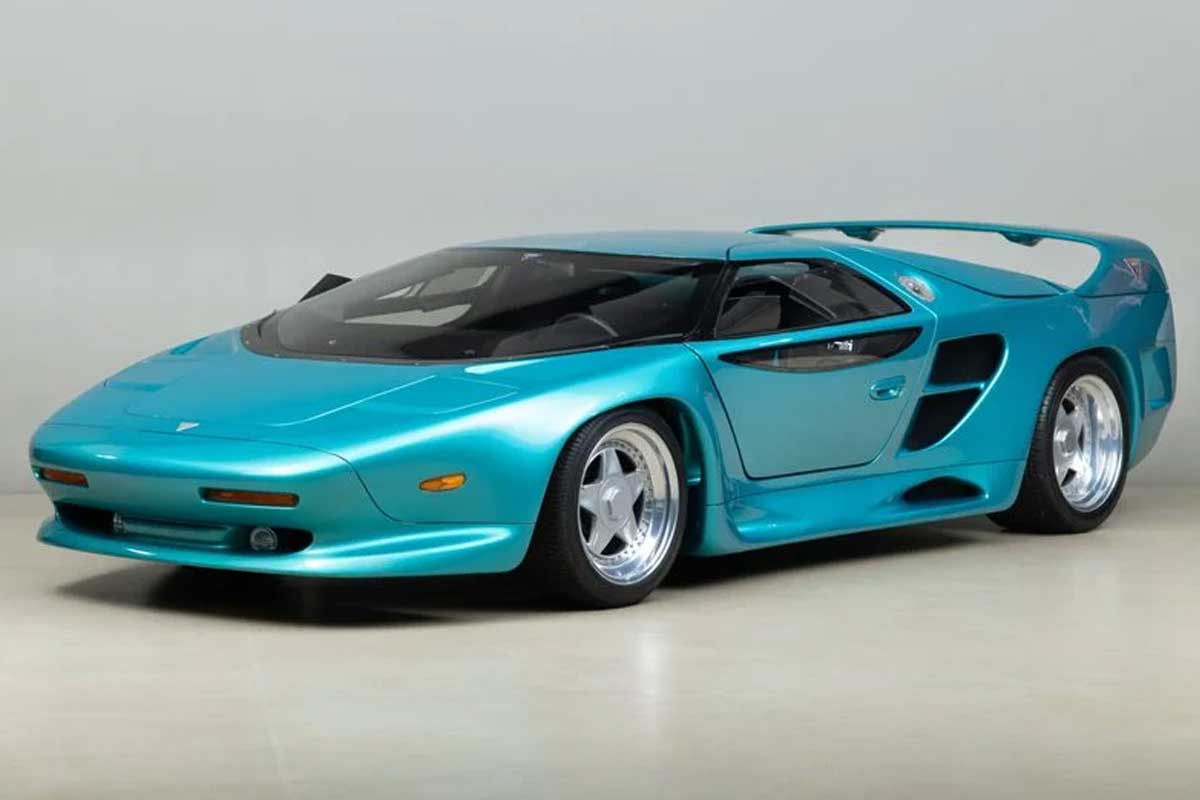
Megatech moves the adventure to Florida, where the group already has offices. Priorities change: get a car out fast, cut costs, capitalize on an existing base. And in the group's basket, there's a huge asset: Lamborghini. Yes, in 1994, Megatech bought the Lamborghini brand for $40 million.
The “easy” solution”
The stroke of genius (or coup de force) is called M12. The idea is crystal-clear: use the Lamborghini Diablo as a technical base to quickly give birth to a “new” American supercar. The Vector M12 takes the heart and major mechanical elements of the Diablo: the 5.7-liter V12 (around 492 hp in this configuration) and the 5-speed manual gearbox. The chassis is slightly lengthened, the bodywork is specific (fiberglass), and the styling retains some spectacular elements, such as the Lamborghini-style doors.
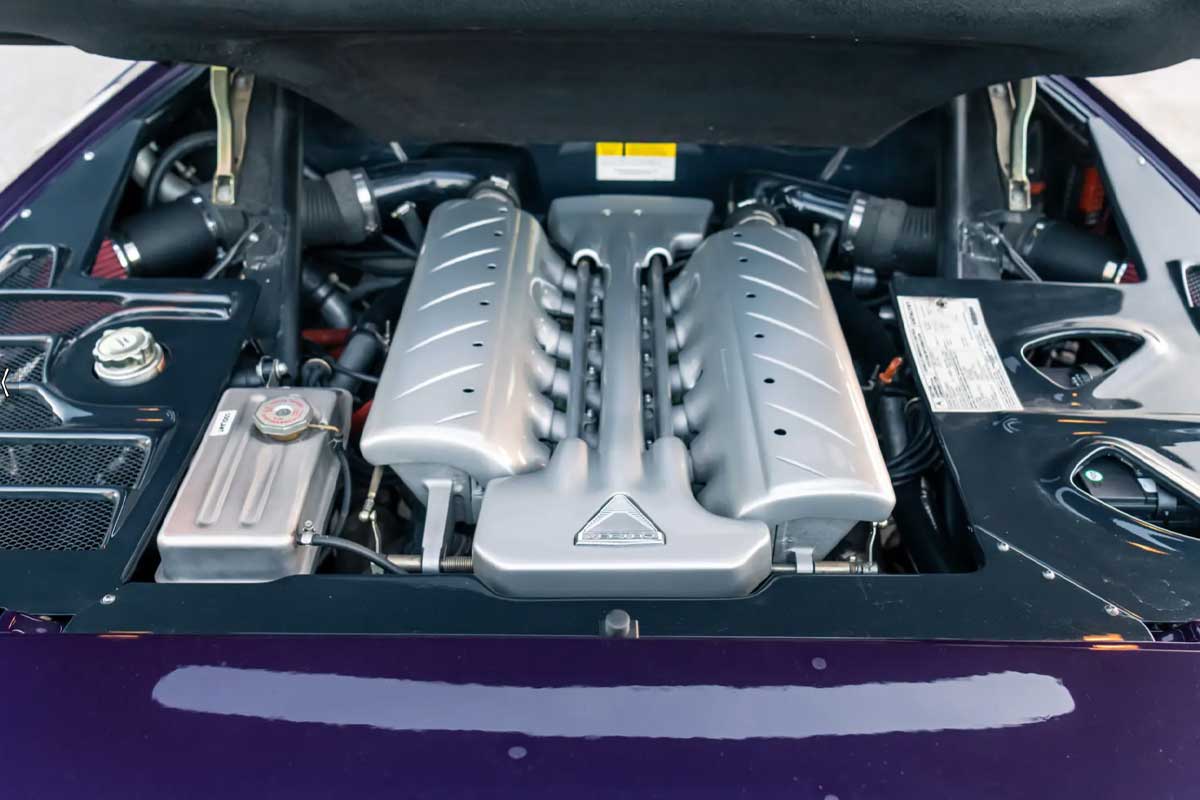
On paper, it's almost unstoppable: a legendary engine, an exotic manual gearbox, a niche name already familiar to enthusiasts... and a price announced at around 189,000 dollars, i.e. less than that of a Diablo. But on the road, a supercar is more than just its technical specifications.
The shock of reality
Production began in the mid-90s in the United States, a far cry from the Italian experience. And very quickly, the varnish cracked. The M12 was plagued by a fatal problem for a supercar: assembly quality that didn't match the storytelling. Fit and finish, overall coherence... everything that makes a six-figure car seem “justified” in the eyes of a customer and a journalist.
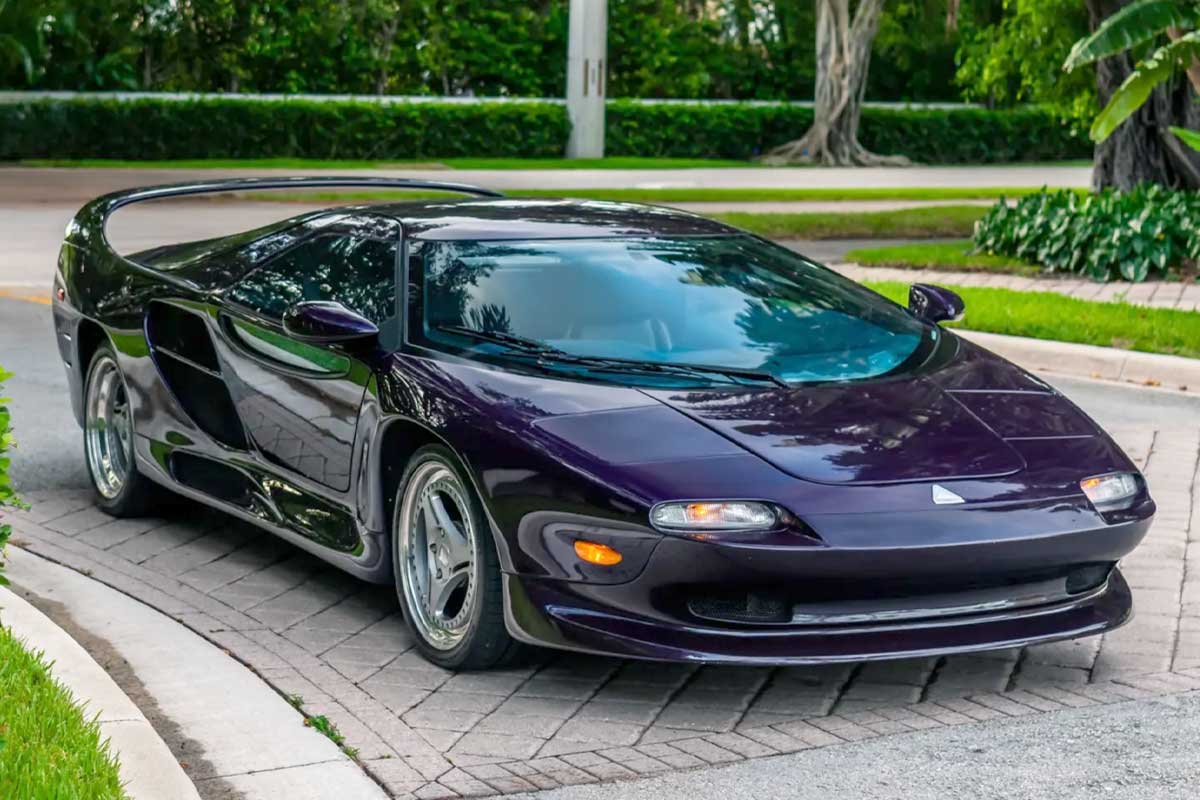
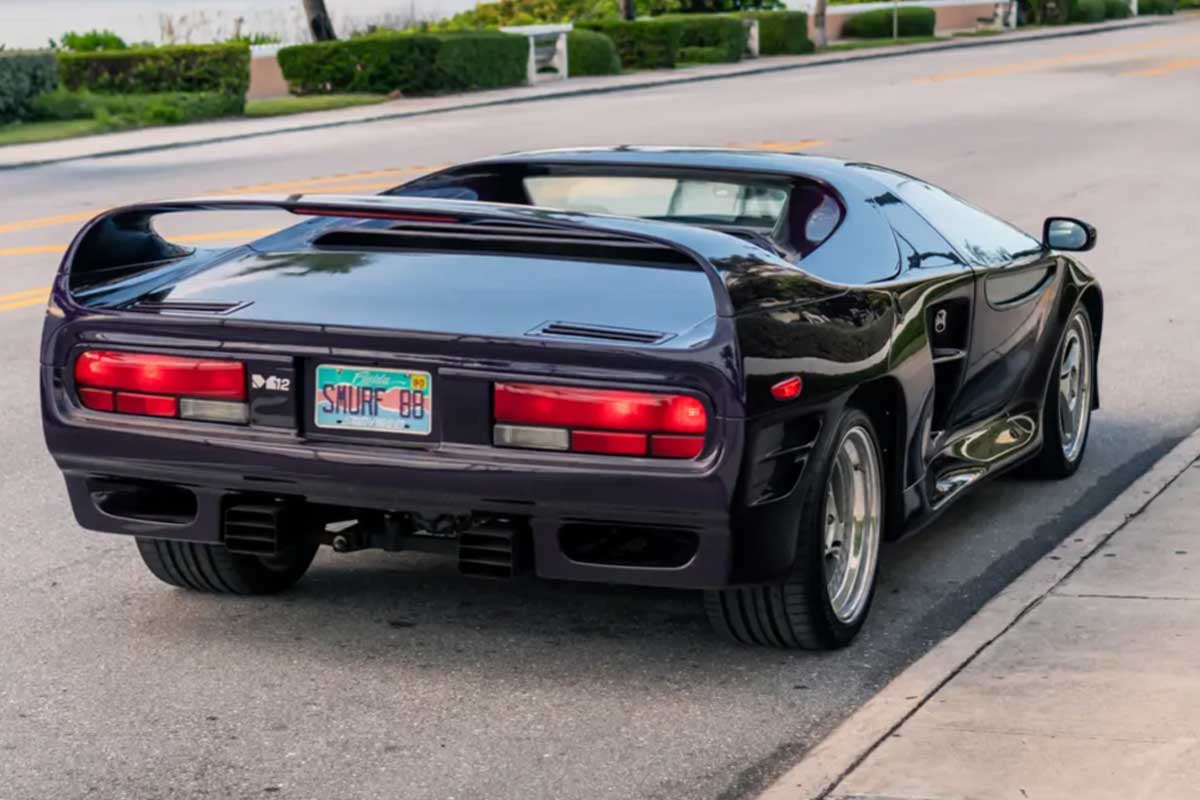
The result: trials become a court of law. Jeremy Clarkson, in a test that has become a cult classic, dismantled it without mercy. And above all, one verdict stuck to the M12«s skin like a label impossible to remove: AutoWeek proclaimed it »the worst car ever tested". At this point, it's no longer a criticism: it's a media condemnation.

The cruelest thing is that the M12 finds itself caught between two worlds. Too “re-bodied Diablo” to be a true Vector. Too “approximate Vector” to compete with a real Diablo. Neither totally one, nor totally the other, and at this price level, this blurring is not acceptable.
The last chance idea
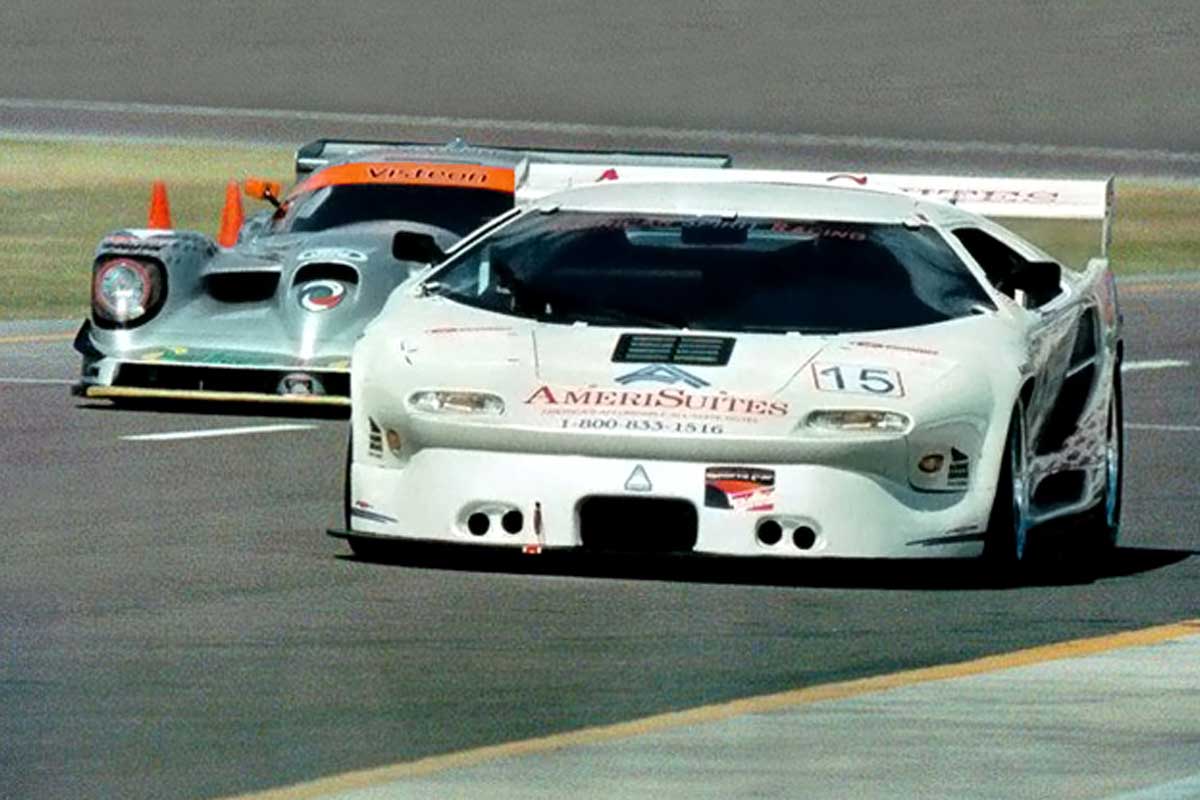
Faced with this public disaster, Vector tried a classic: competition as a rescue operation. On paper, the idea sounds dreamy: win the race, and the road will follow. In reality, IMSA GT2 is a brutal world, and Sebring has never been a forgiving learning ground. Vector enters a lightweight M12 in GT2, fitted with aerodynamic appendages and entrusted to a team. Qualifying may seem like a miracle, but the races tell a different story: retirements, disappointments, aborted campaigns. The race doesn't erase anything; it even highlights the gap between ambition and the solidity of a program.
Debts, unpaid motors and rapid extinction
The rest is a bit like going off the road. Vector built only a handful: according to sources, less than twenty examples in total, with around 14 cars actually sold to private customers, and a few prototypes. The story ends with scores to settle... including with Lamborghini for unpaid engines.
When Megatech sold Lamborghini to Audi (Volkswagen Group) in the late '90s, Vector lost its technical foothold and found itself even more exposed. The M12 fizzled out, replaced by a project based on an American V8 (SRV8), but the brand no longer had the momentum, and eventually shut down.
And yet, even here, history insists: Wiegert, tenacious, will later recover assets and attempt to relaunch Vector with other projects. Right to the end, the man wanted to prove that there was a finish line somewhere for this dream.
The “worst car” turned collector's item
It's the ultimate irony: what was once a fiasco becomes, in time, a rolling museum piece. The Vector M12 has everything collectors love: a microscopic production run, an unlikely history, a direct link to a legendary Lamborghini, and a sulphurous reputation.
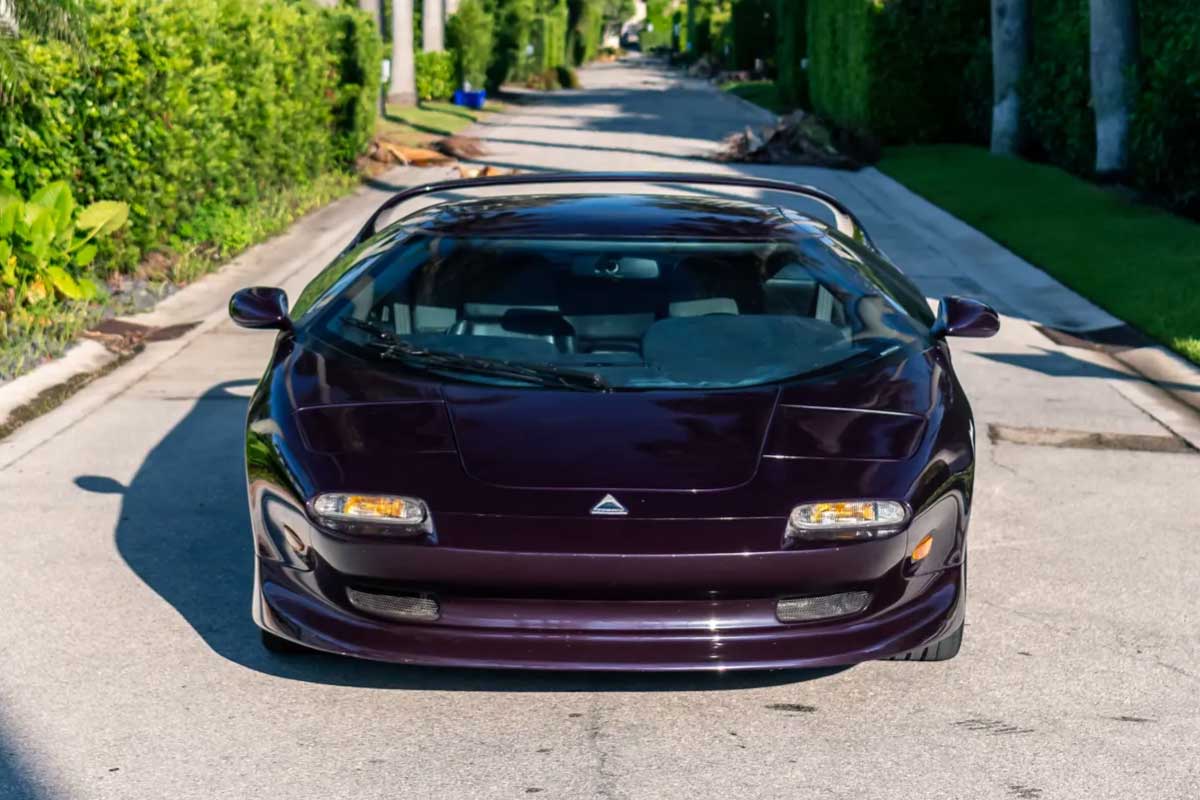
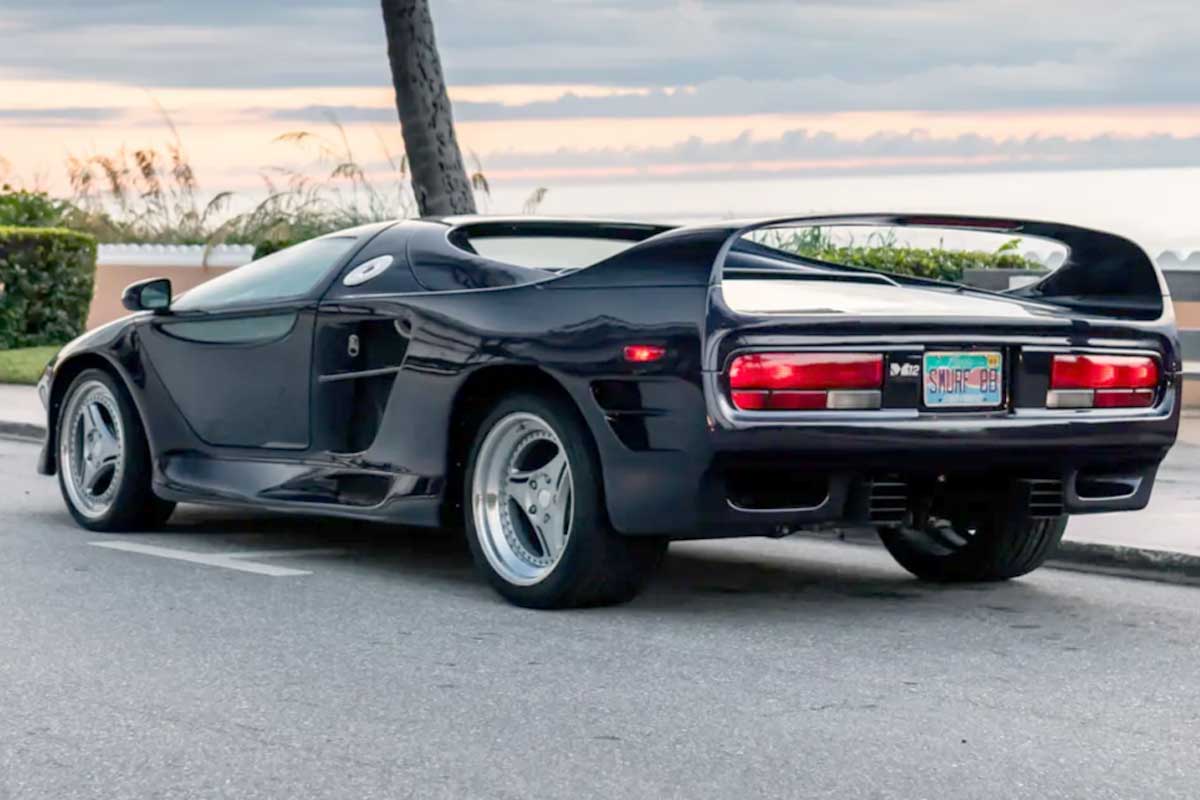
Some examples reappear at auction, sometimes at high prices, like this example, used to illustrate this article, sold for $250,000 in 2024. The M12 didn't save Vector. Nor did it fulfill the promise of an American supercar capable of shaking Europe to its foundations. But it did leave a rare mark: that of a car that perfectly embodies the difference between “having the right ingredients” and “getting the recipe right”.

 English
  French
  Italian
  Spanish
  Portuguese
  German
  Japanese
  Turkish
  Dutch
Dutch