

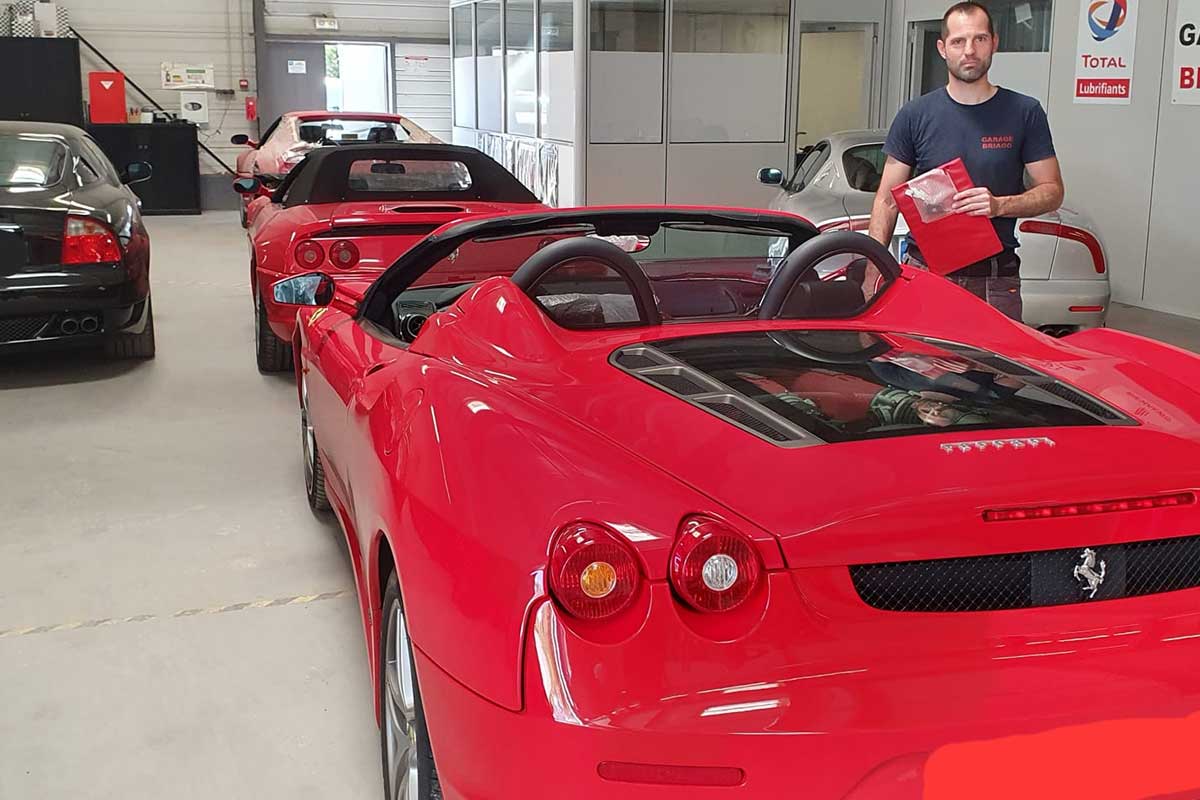
Ah, the F1 boxes Ferrari and Maserati. The very name conjures up images of hard shifting, jolts and brutal mechanics that some people hate... and others adore, me being the first. You'll find them in the Ferrari 360 Modena, F430, 599, right up to the legendary Enzo, and on the Maserati side in the GranTurismo and Quattroporte. And yet, these fascinating transmissions have a stubborn reputation: unreliable, temperamental and costly to maintain. A preconceived notion that I had already largely dismantled in my GranTurismo buyer's guide.
But beyond this overall bad image, there's an even more widespread belief, an almost systematic reflex among owners and even in some garages: when stopped at a red light, it's imperative to shift back into neutral to avoid wearing out the clutch. I've received this advice myself. And the more you hear it, the more you come to accept it as an absolute truth.
Except... no. And it's precisely this myth that Nicolas, mechanic and manager of the Briago garage in Bordeaux (in France for our readers around the world), has vowed to dispel. A subject which obviously irritates him to no end, so much so that he took a Ferrari F430, a camera and shot a crystal-clear demonstration aimed at all F1 gearbox owners worldwide.
His question is simple: should you really shift back into neutral when waiting at a red light? This theory is based on the idea that leaving first gear engaged would cause the clutch to slip, resulting in premature wear. It's a statement so widespread that it seems self-evident. However, Nicolas is about to prove, with pictures, that it's totally false.
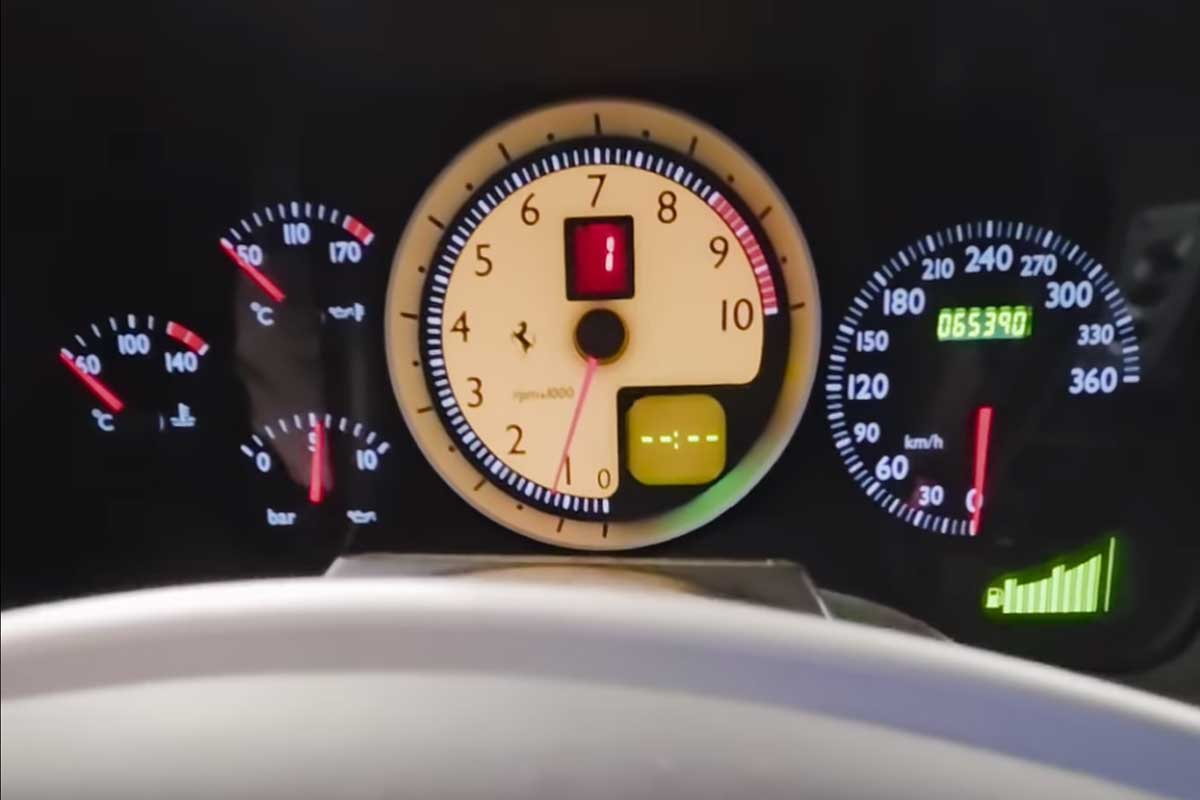
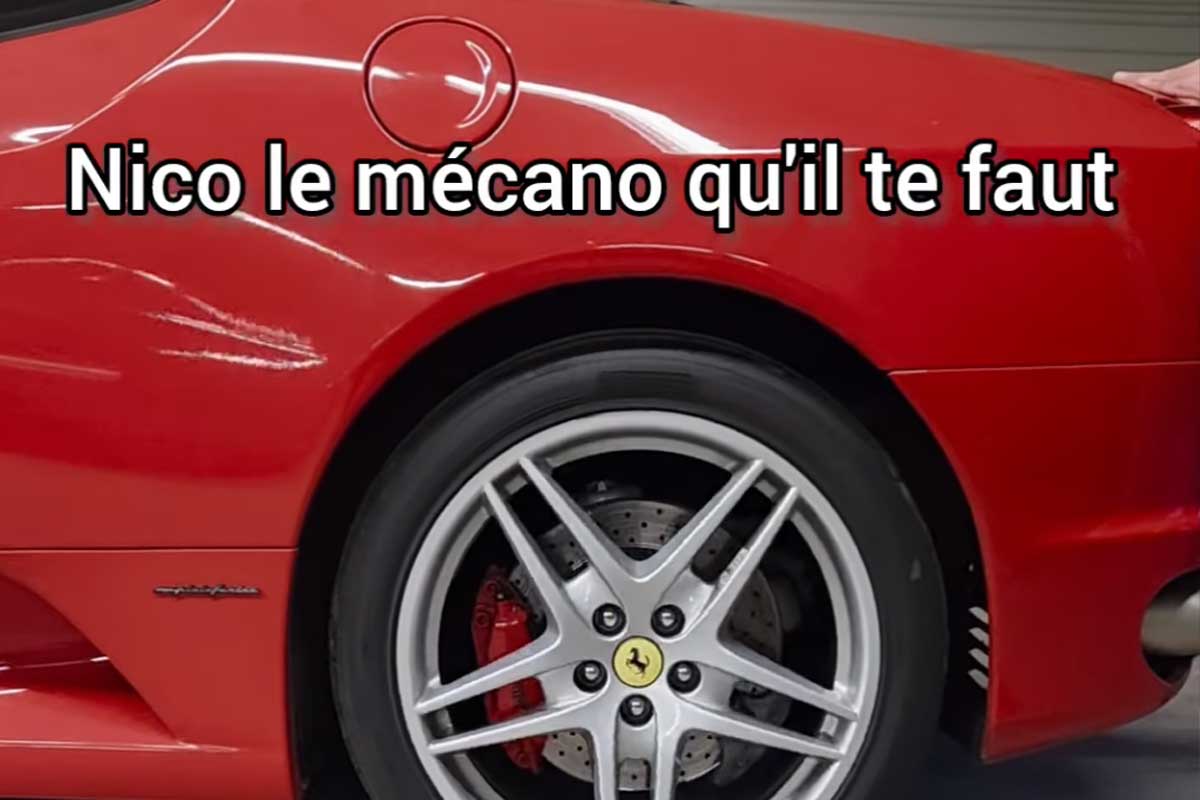
The F430's engine is running, and first gear is engaged. Nicolas takes his foot off the brake. In a car with an engaged clutch, the body should remain motionless, held in place by friction. But he asks a colleague to push the Ferrari... and the car moves forward without resistance. If there were the slightest slippage, the slightest beginning of engagement, it would remain planted on the ground. Here, nothing. It's completely disengaged, even with first gear engaged.
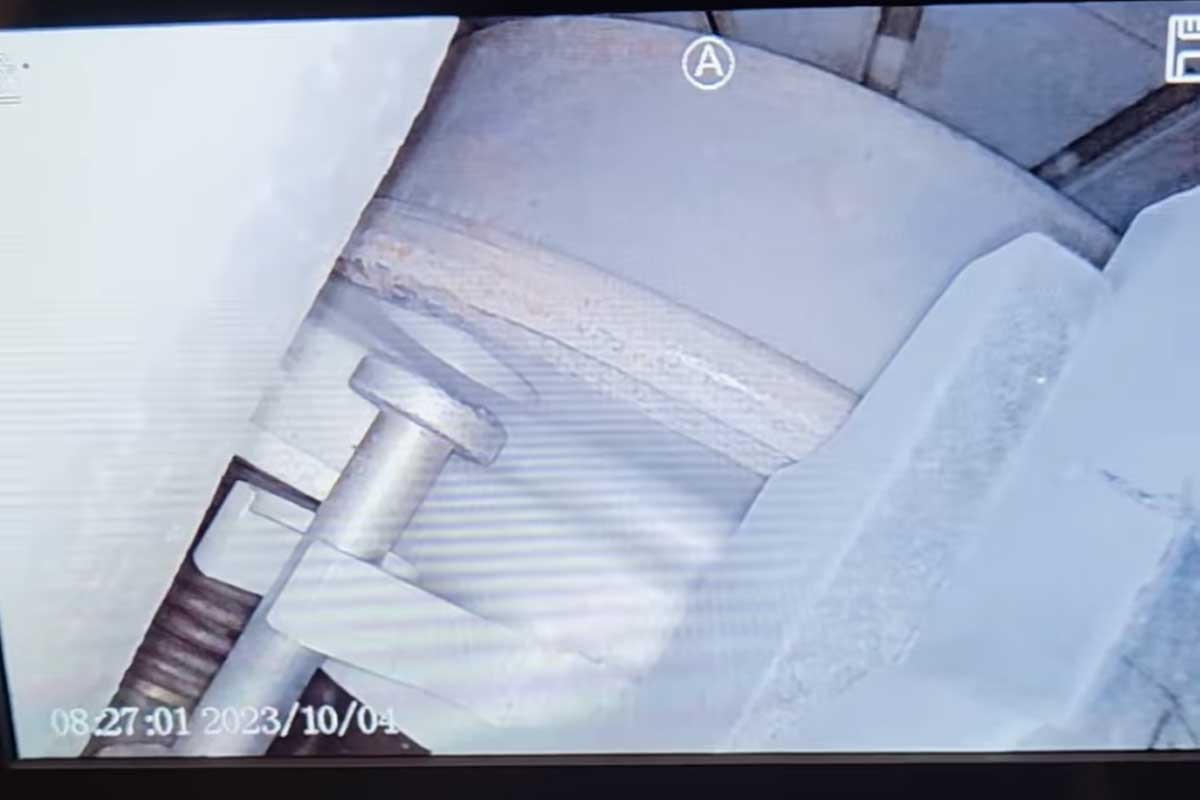
He takes the demonstration a step further. Still with the engine running, still in first gear, still stationary, he shows that the clutch disc is not rubbing at all. Not the slightest friction. Not a thing. And he insists: if an F1 gearbox "rubs" at standstill with a gear engaged, it's because it's badly adjusted. Not that it's normal.
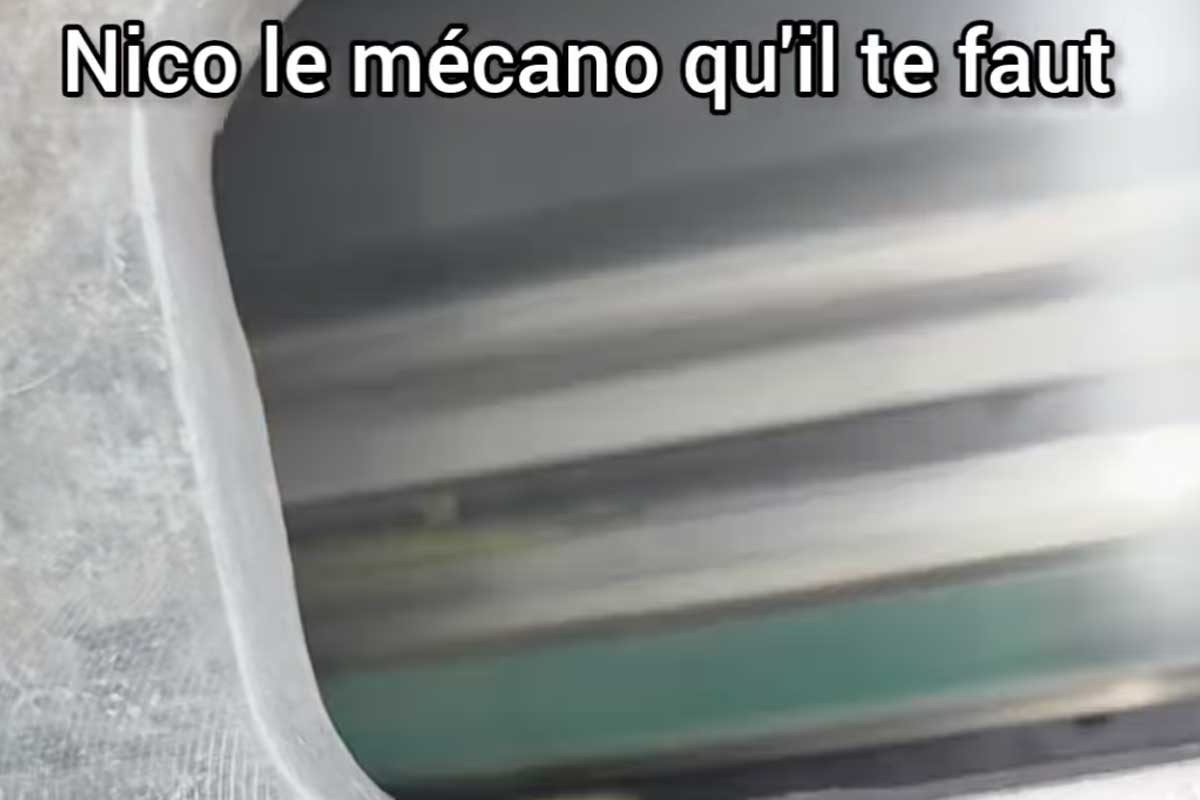
Then comes the second belief, that keeping the first gear on at a red light will wear out the clutch release bearing. Here again, Nicolas completely disproves the idea. On an F1 gearbox, the opposite is true: the release bearing presses on the mechanism when the car is in neutral. To prove this, he uses an unusual tool in this kind of video: an endoscope. By filming the mechanism directly, with the engine running, he shows that it is indeed in neutral that the release bearing exerts pressure, even when the clutch is disengaged. Irrefutable visual proof.
So, in the end, his advice is very simple, and infinitely more logical than the urban legends repeated over the last twenty years. If you're at a stop sign or red light for a few seconds, you can safely leave first gear engaged. If you're going to be stopped for a longer period of time, shifting into neutral is no problem either. In both cases, neither the clutch nor the release bearing will suffer any unusual wear. So, do you agree or disagree with him? Now that you've seen the demonstration, will you continue to shift systematically to neutral... or leave the first gear engaged like a true F1 gearbox connoisseur?
 English
  French
  Italian
  Spanish
  Portuguese
  German
  Japanese
  Turkish
  Dutch
Dutch
With a vehicle without a gearbox the question doesn't arise 🤪. So much simpler that I won't be able to go back!
Thanks for the tip, I'll leave it on the first one from now on.
Me too, after 5 years of having put the gear in neutral every time ^^'.