

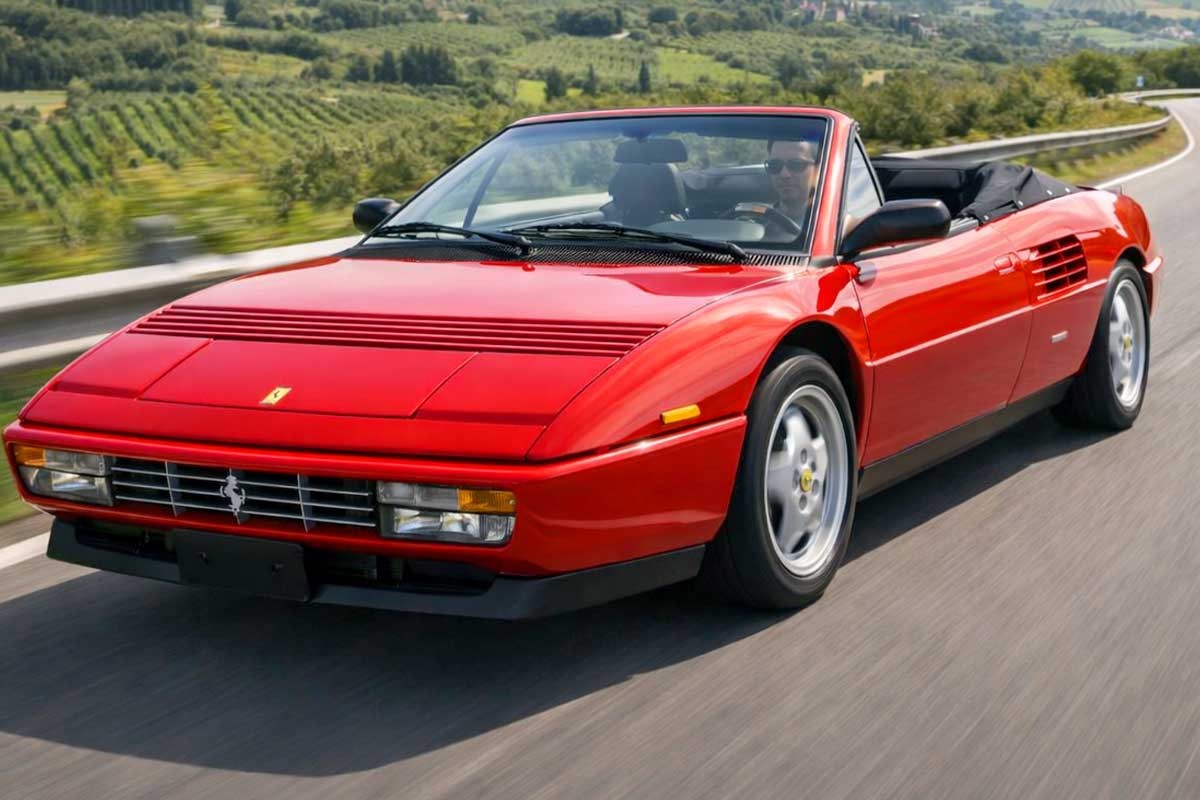
Buy a Ferrari for the price of a new, well-optioned city car, that's the idea that makes you smile... until you come across ad after ad with the same name: Mondial. This Ferrari alone sums up a delicious paradox. It's often presented as "the cheapest", and therefore inevitably suspect, and yet it ticks boxes that many more expensive Ferraris can't: a V8, a manual gearbox with grid, a mid-engined architecture... and even four seats. Enough to whet the appetite. But it's also enough to arouse mockery, as the Mondial has been known as the ugly duckling for forty years.
What's even more astonishing is that the story seems to be changing. On the one hand, you can still find a huge number of Mondials under $50,000, sometimes at almost unreal prices. On the other, some auctions have recently shown that very fine examples, especially in the Mondial T version, can fetch sums no longer associated with an "entry-level Ferrari". So, should you go for it? Or should we shun this misunderstood Ferrari, as we have done for decades?
A Ferrari born of a difficult idea: the 2+2 with rear mid-engine
The Mondial is not a "simple" Ferrari. It is the direct result of a complicated ambition: to offer a Ferrari that is more usable in everyday life, capable of carrying passengers, while retaining the sporty architecture that dreams are made of. Before it, there was the 308 GT4, which appeared in 1973, a 2+2 with a central rear engine that had already shaken things up. Its Bertone styling has never won unanimous acclaim, but it proves that Ferrari is looking for a way in, a model that attracts those who want the Ferrari name and music, without necessarily having to live with the constraints of a strict two-seater.
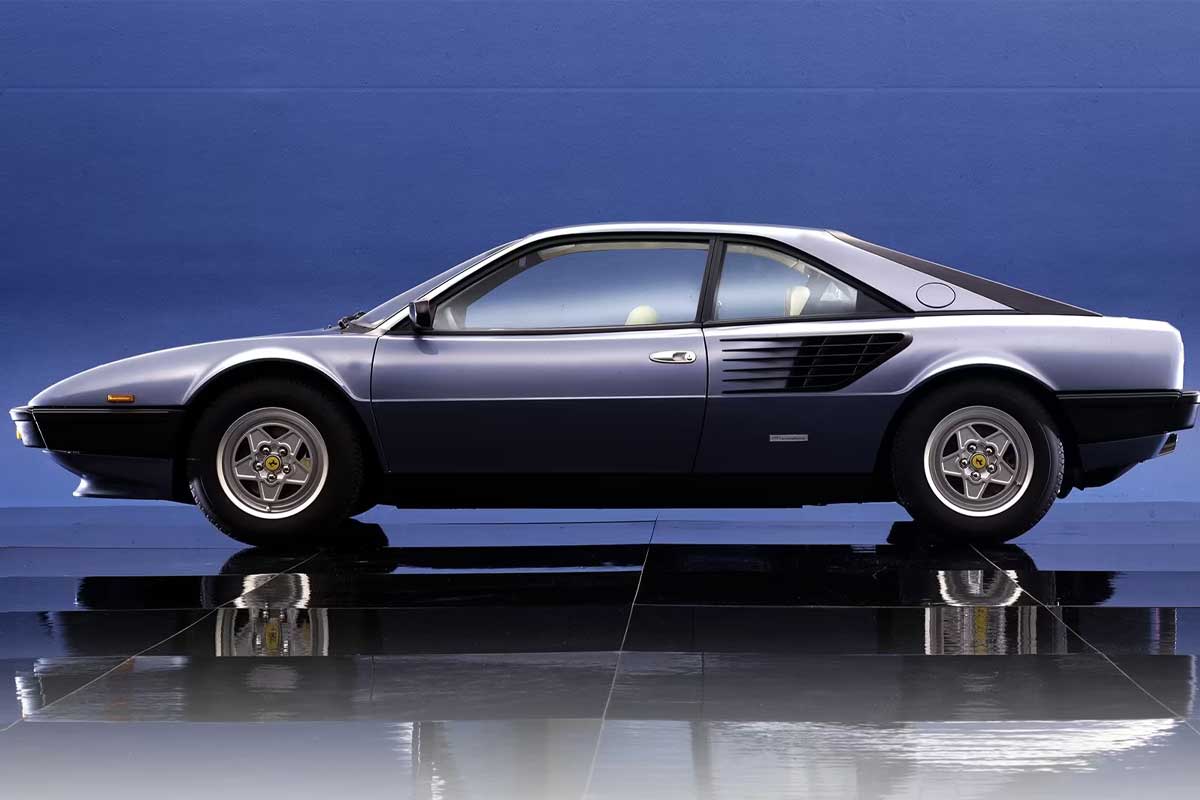
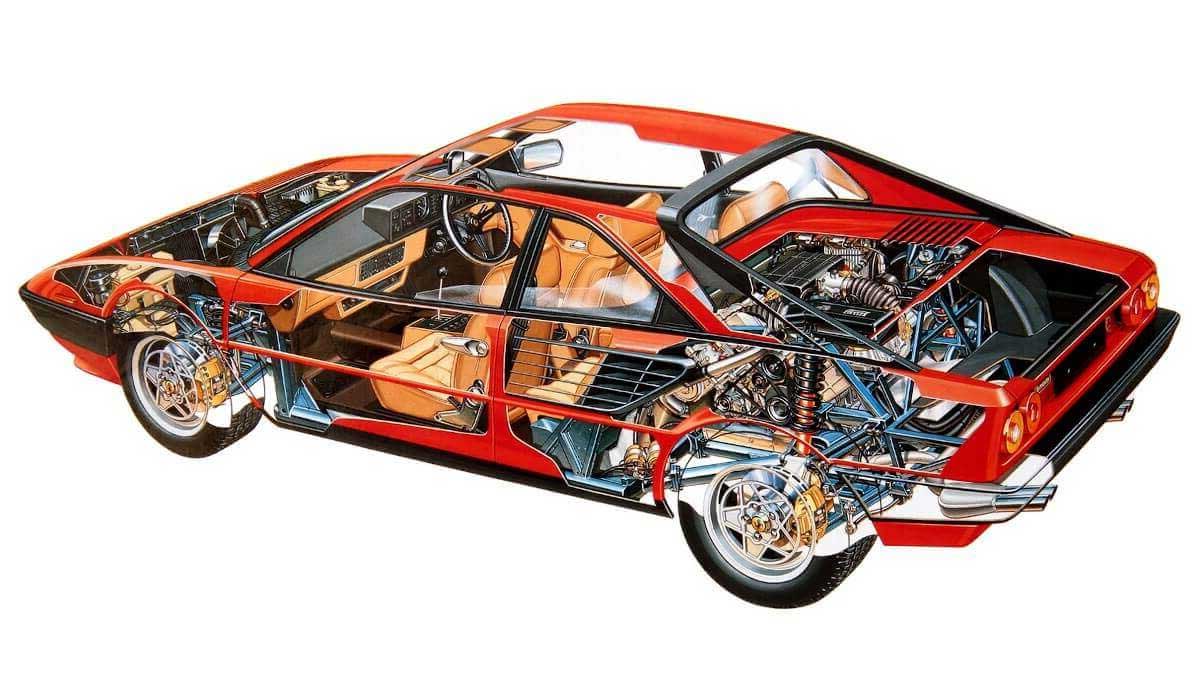
However, Ferrari decided to repeat the experience. In 1980, at the Geneva Motor Show, the brand presented the Mondial 8. This time, the design went back to Pininfarina, as if to send a message to the purists: a "different" Ferrari was all right, but there was no question of abandoning the nobility of the house. The name "Mondial" sounds like a nod to F1 and the glory years, and the car assumes its grand touring vocation. It wants to be the Ferrari that can be seen as a companion on the road, almost a family Ferrari.
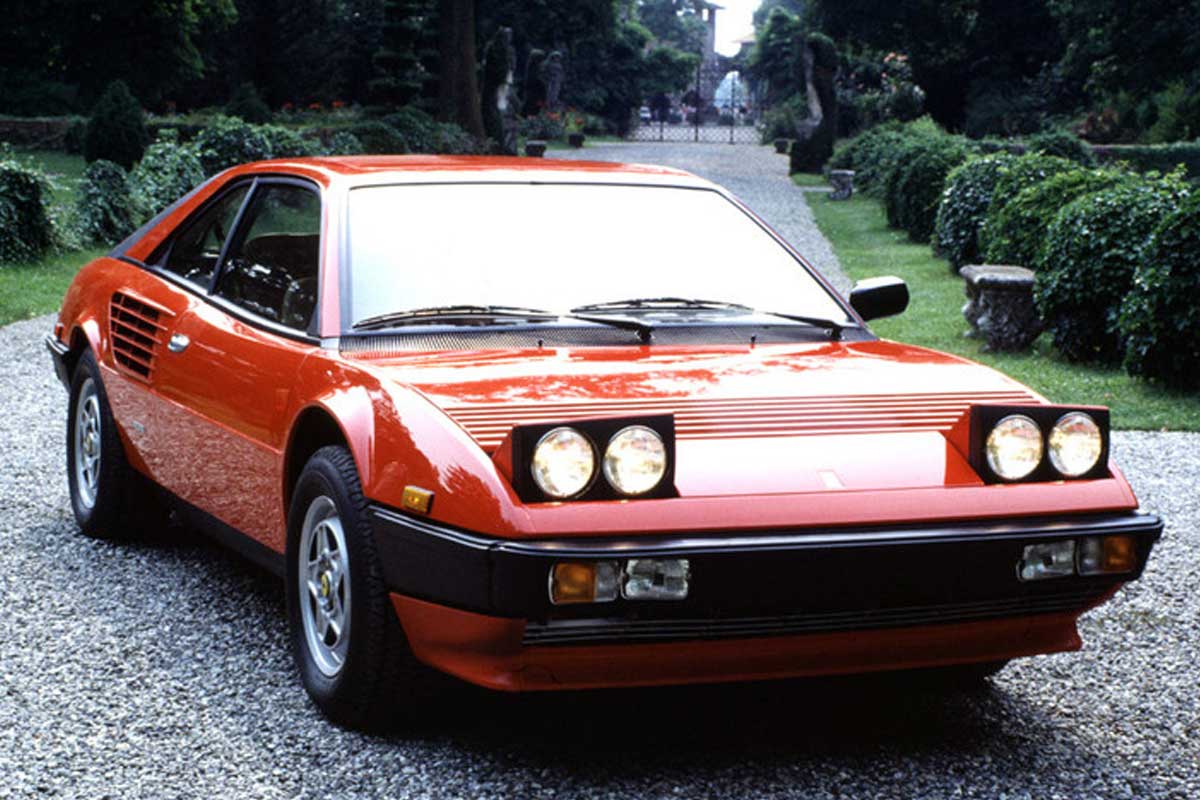
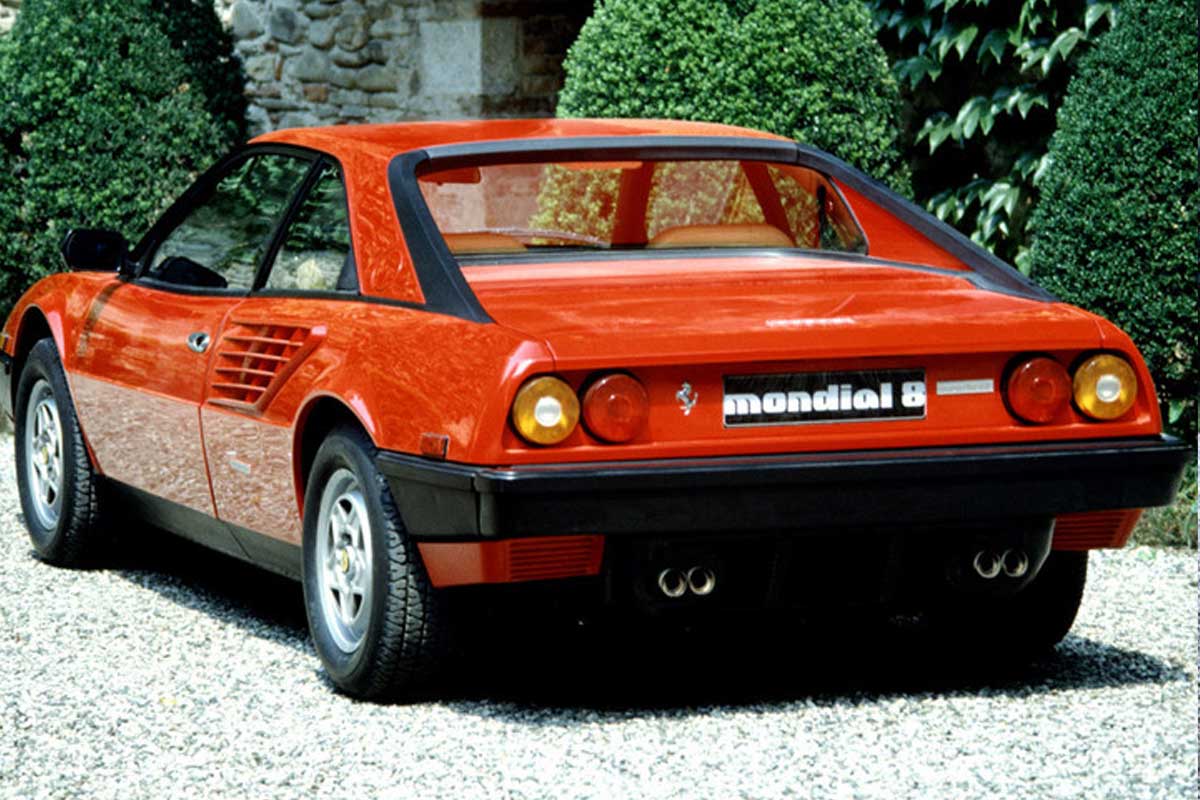
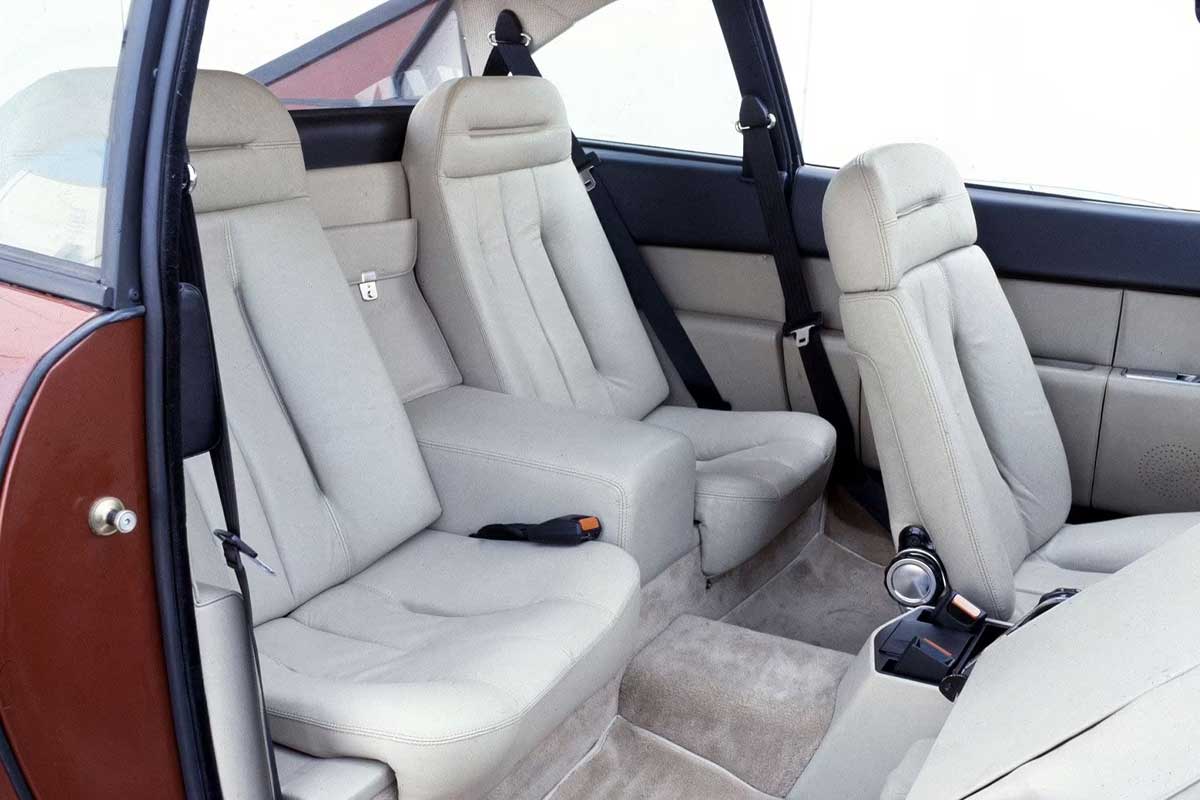
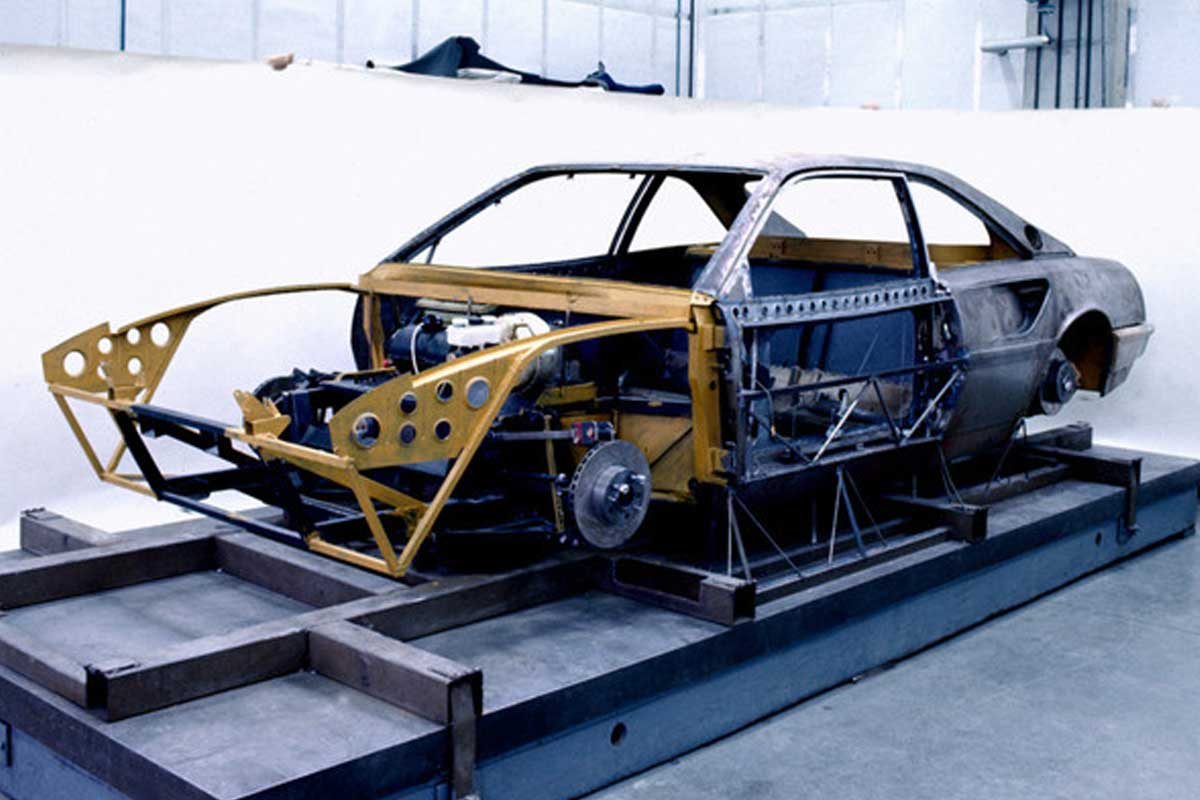
Except that there's nothing obvious about the recipe. Putting in four seats, while keeping the engine just behind the cabin, imposes a long wheelbase and a distinctive silhouette. As a result, the Mondial has a visual identity that stands in stark contrast to Ferrari's history: neither a full-fledged berlinetta, nor a true classic GT, it's an object apart, isolated, with no direct descendants. From the outset, it was a divisive model.
Original sin: a Ferrari that's out of breath
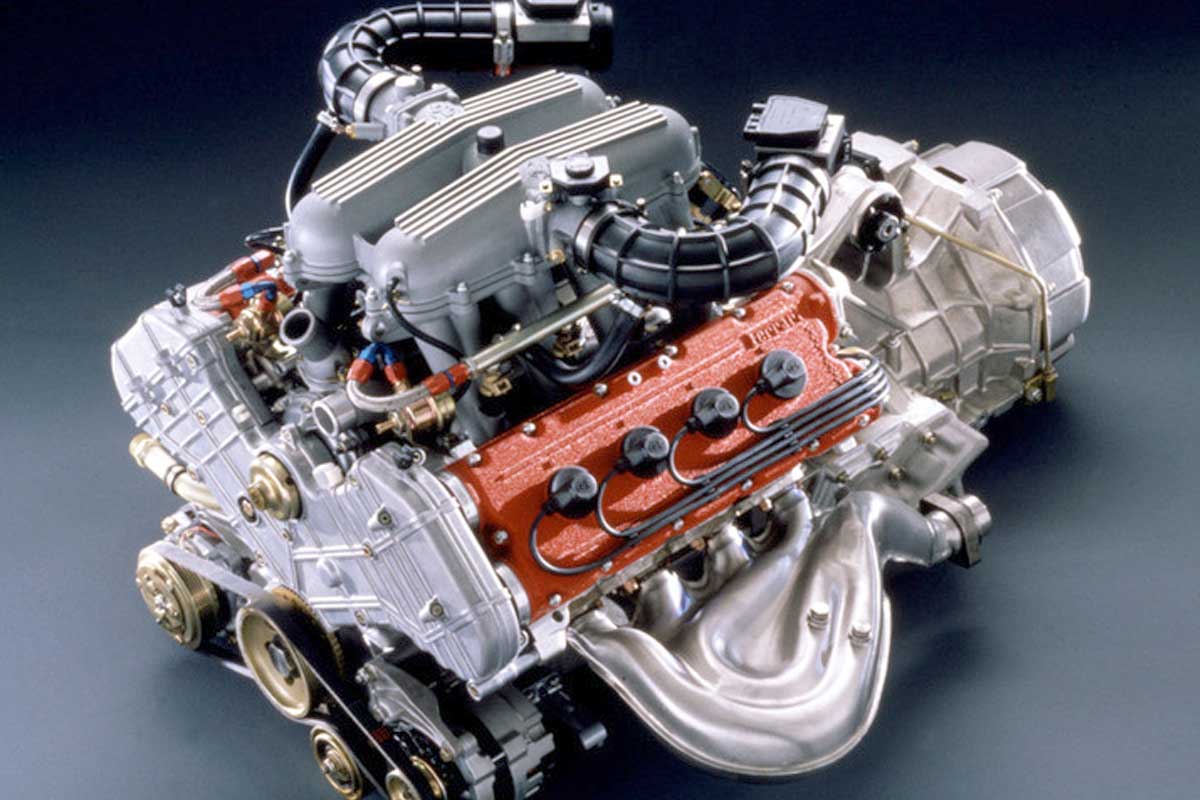
The Mondial 8 also comes with a mechanical handicap that is going to stick with it. The 2.9-liter V8, admirable for its sound and pedigree, had to deal with an industrial and regulatory reality. To comply with anti-pollution standards, particularly in the United States, Ferrari abandoned Weber carburetors and adopted Bosch K-Jetronic fuel injection. On paper, it looks modern. The Mondial 8 boasts 214 hp, a figure that seems timid in the face of competitors who are often more powerful, sometimes better finished, and sometimes more logical in their proposals.
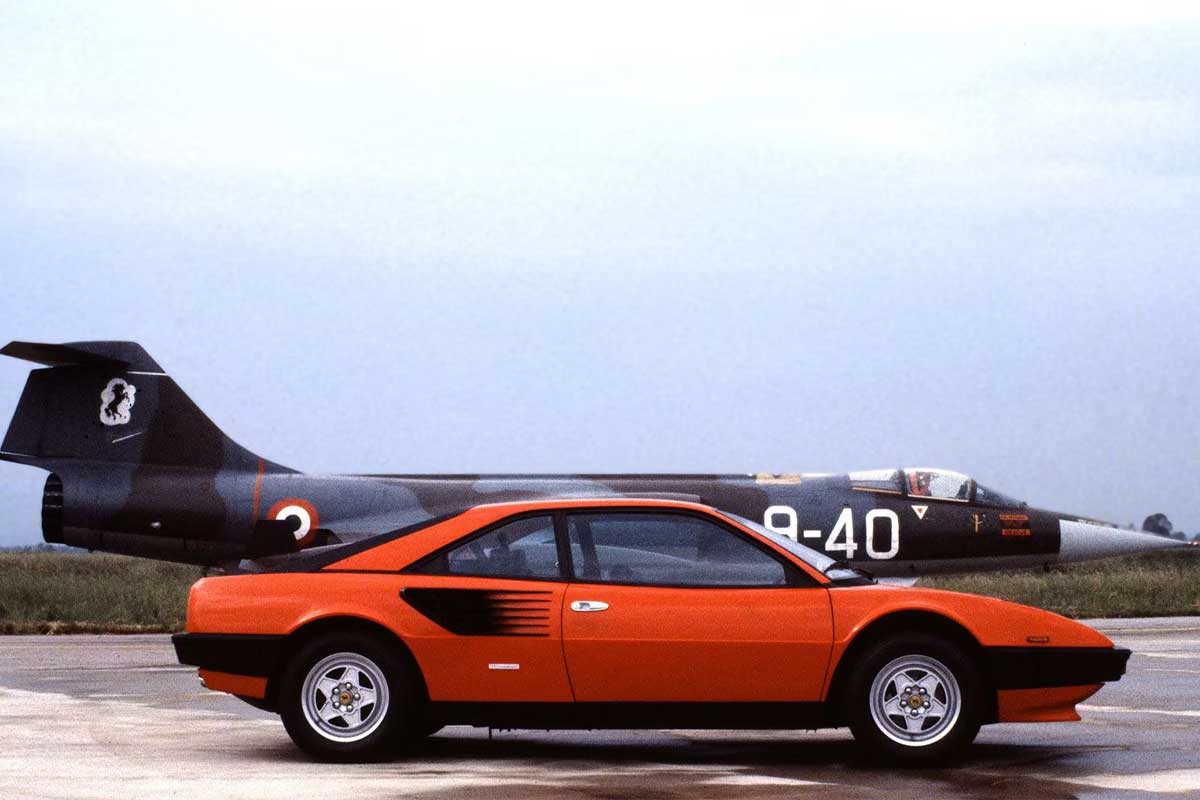
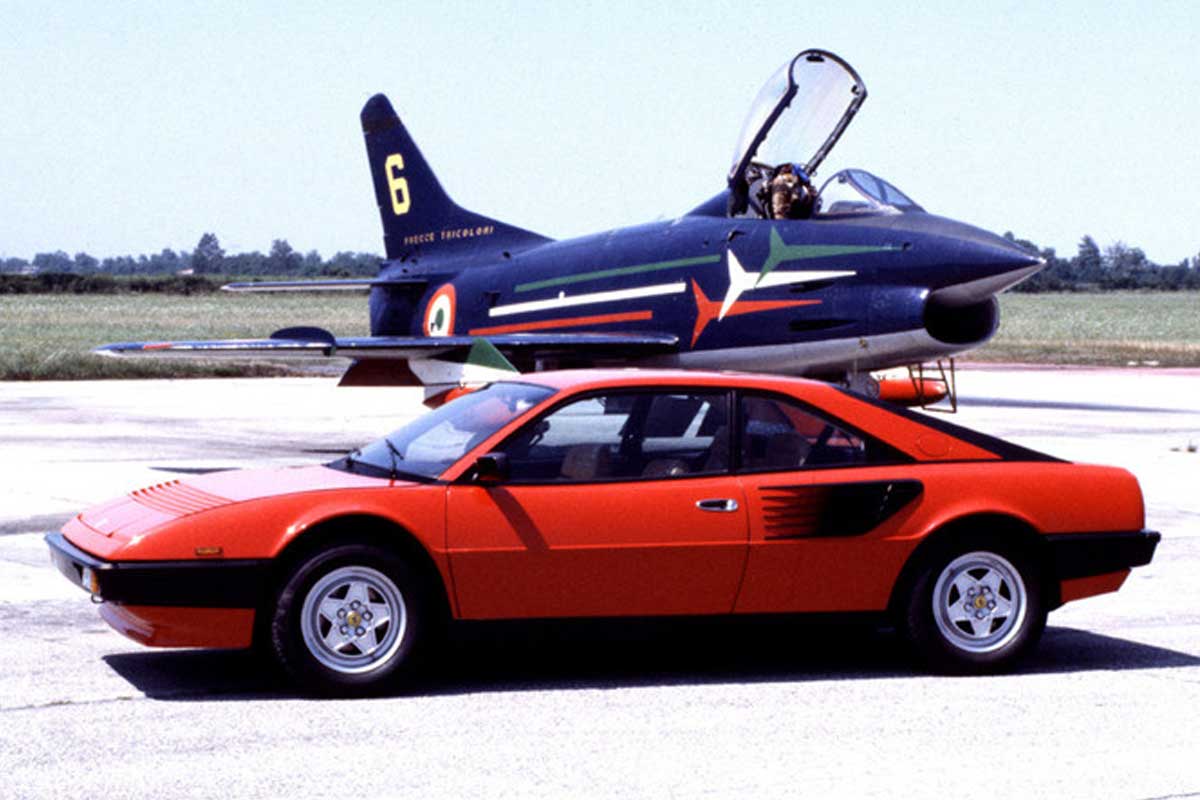
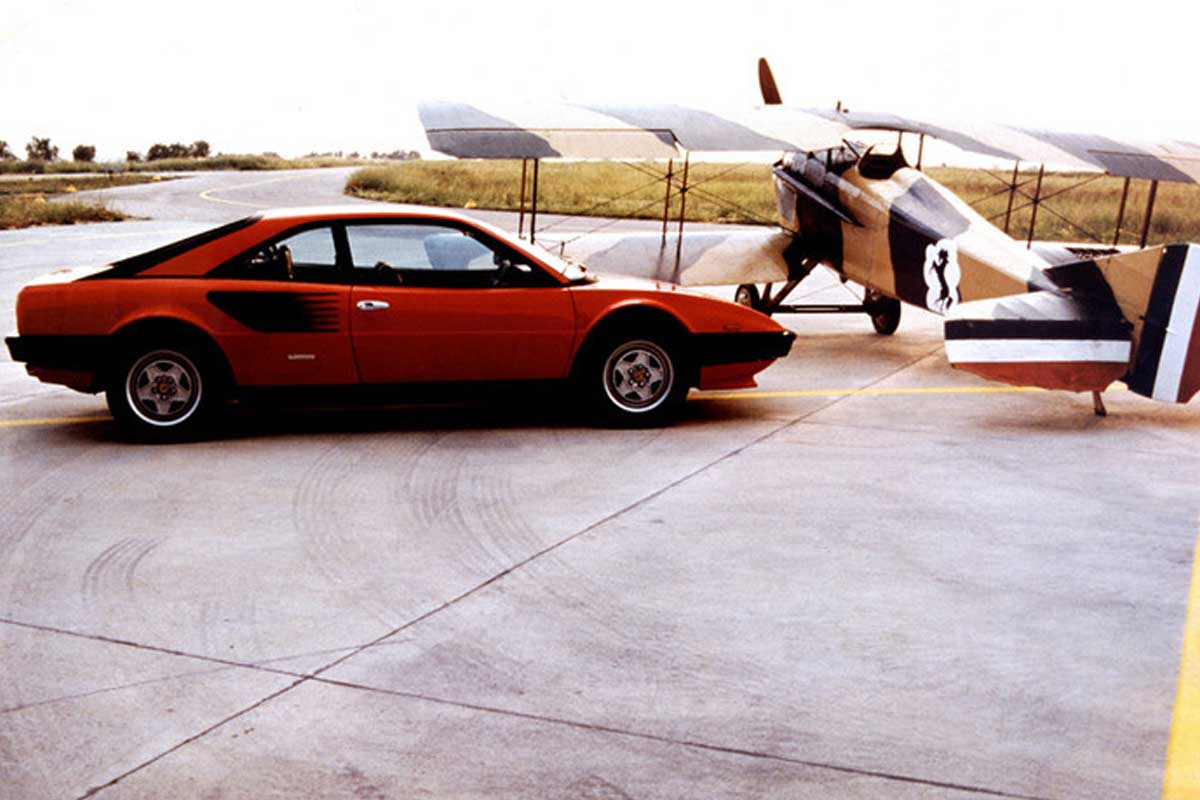
As if that weren't enough, the Mondial's very design is also a source of criticism. The rear seats are there, but they're narrow. At the time, it sold at a high price, and found itself compared to Porsches, Jaguars, Mercedes and Maseratis. The commercial penalty was immediate: the first few years were difficult, and the Mondial began life with a fragile image. Added to this was a dynamic reproach often recalled in tests: on the first versions, handling at the limit was judged delicate, with a sometimes nervous rear end. For a Ferrari that claims to be a "grand tourer for everyday use", the idea of a demanding car is not reassuring. The reputation of a "Ferrari not very Ferrari" is taking hold, and it will take a long time to fade.
A Ferrari that keeps evolving to redeem itself
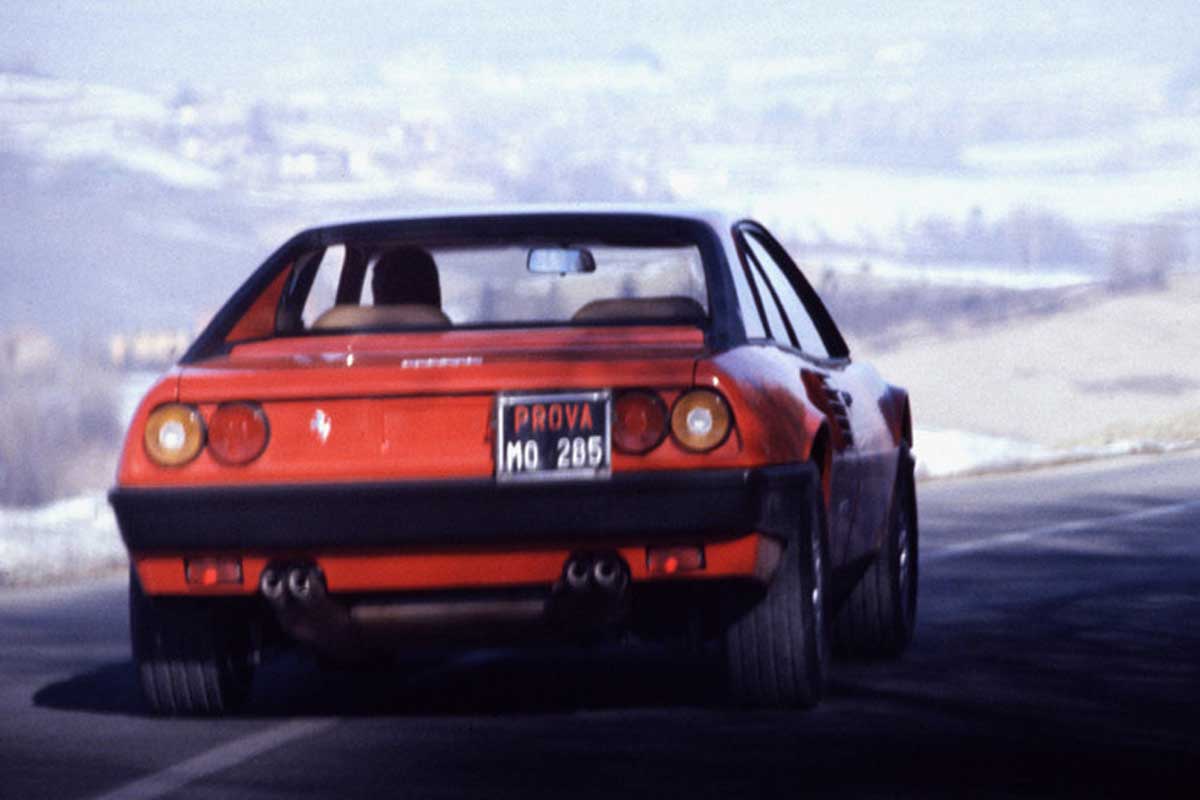
What makes the Mondial so exciting is that Ferrari never gave up. On the contrary, the model continued to evolve, as if Maranello wanted to correct, step by step, the criticisms levelled at the concept. The Mondial Quattrovalvole arrived in 1982, with four-valve cylinder heads and increased power. In 1985, the Mondial 3.2 adopted the 328's V8 engine and achieved 270 hp. At this point, the car was finally beginning to resemble what purists had come to expect: a Ferrari that wasn't just beautiful or rare, but with performance more consistent with its badge.
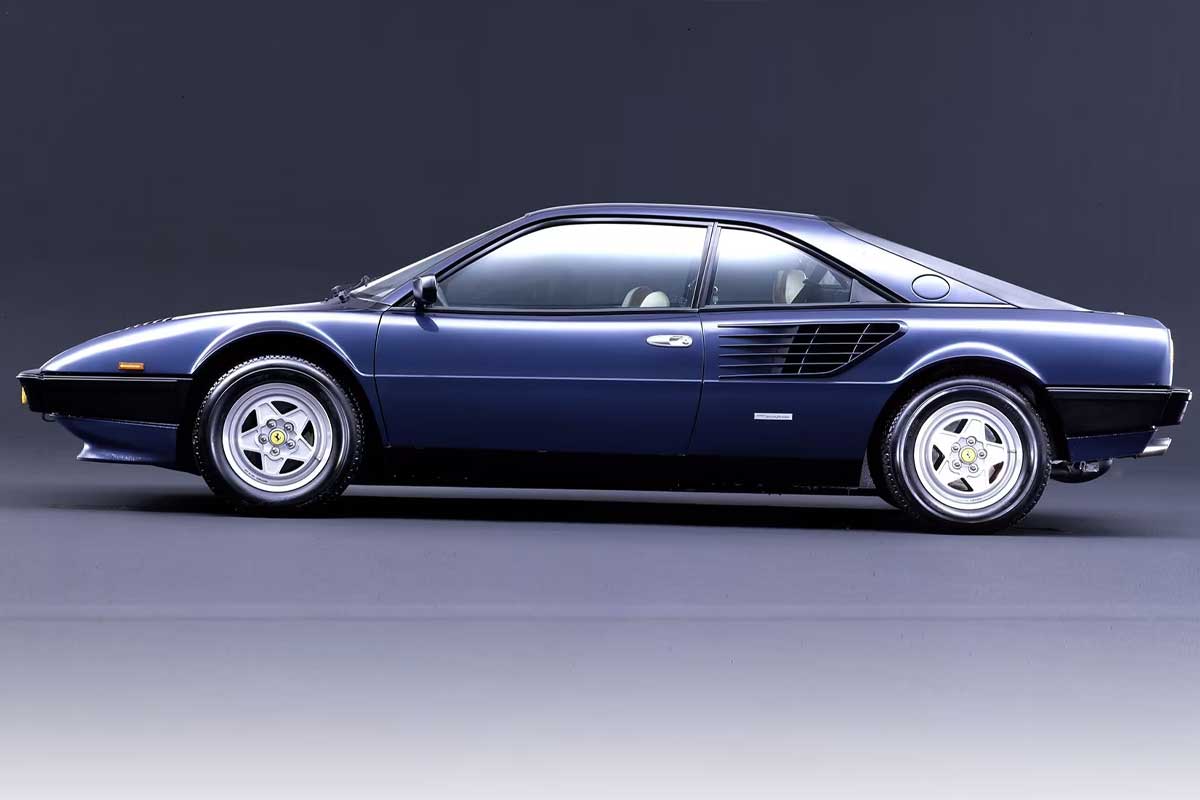
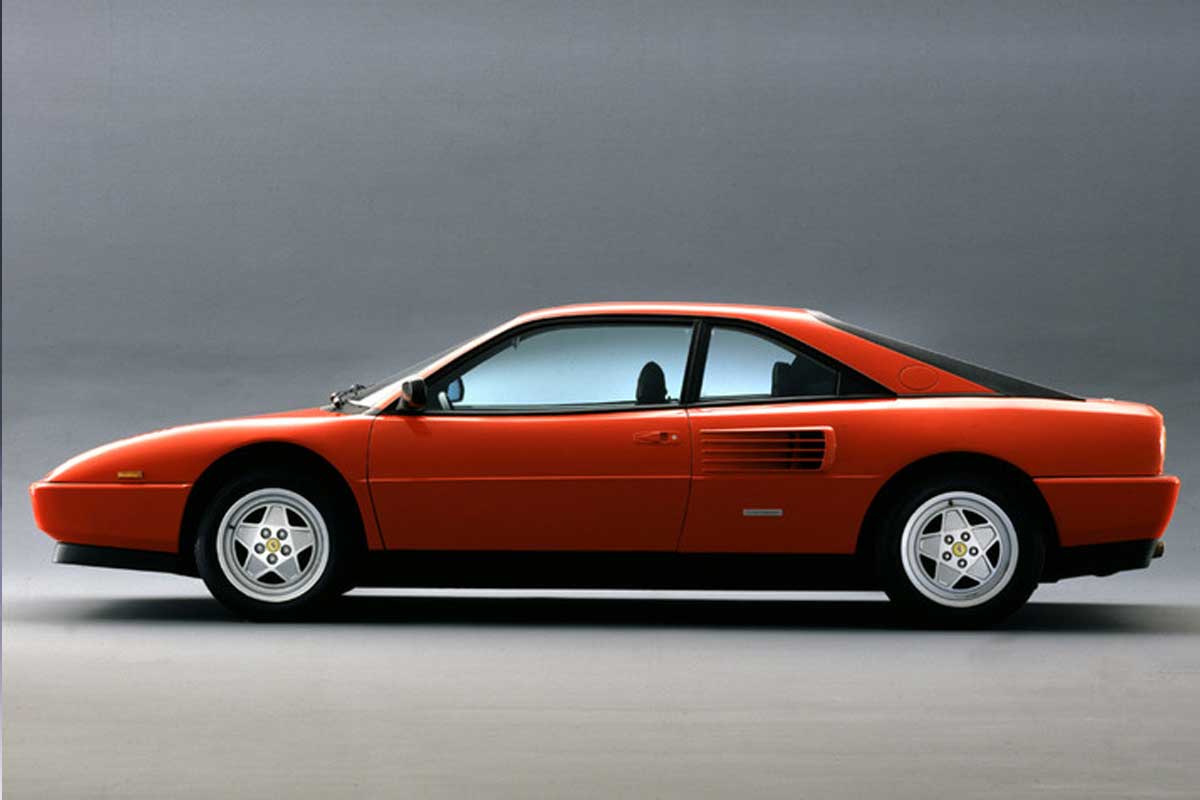
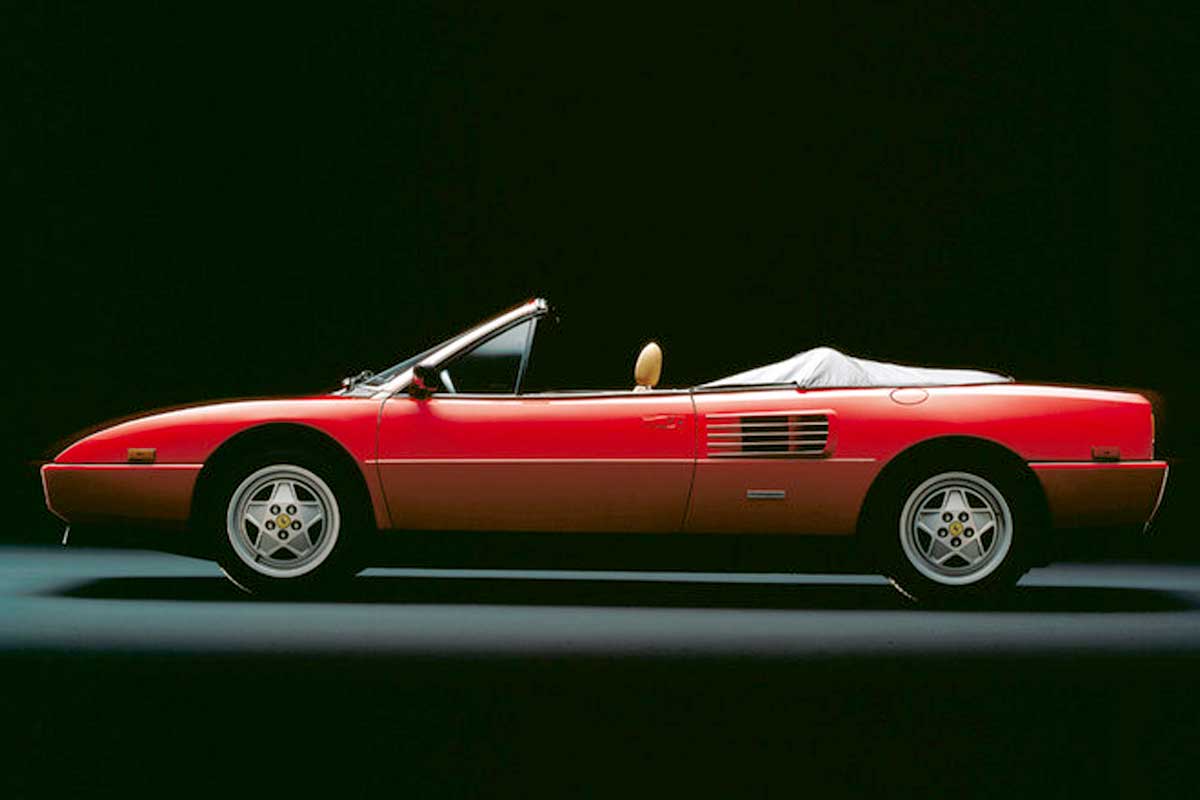
Then came the key moment: 1989 and the arrival of the Mondial T. This was when the car took on a whole new dimension. The engine grew to 3.4 liters and 300 hp. Above all, the layout changed. The V8 becomes longitudinal, while the gearbox remains transverse, forming the famous "T" that gives the version its name. This is no mere facelift or evolution of detail: it's a profound transformation that makes the Mondial more homogeneous, more accomplished and more rewarding to drive. Many believe that it is in this form that the Mondial finally becomes fully desirable, especially as a cabriolet, a variant that perfectly matches its grand touring spirit.
Why does the "unloved" remain unloved?
Even improved, the Mondial still carries the weight of a cultural trial. Its styling has never had the sensual evidence of a 308 or 328. Its 2+2 mid-engined concept is atypical and does not correspond to the dominant fantasy of the pure, radical, strictly two-seater Ferrari. Finally, its entry-level status has long condemned it to be looked down upon. In a brand where legend thrives on excess, being "the accessible Ferrari" seemed like a weakness. And yet, today, it is precisely these singularities that make it so endearing. The Mondial is not the Ferrari you buy to tick the box of the most consensual prestige. It's a Ferrari for the curious connoisseur, the enthusiast who wants a car that's different, usable, and above all capable of telling a story other than that of the usual icons.
What its owners stand for: the Ferrari you really live
The owners' testimonials have one thing in common: they don't try to make people believe that Mondial is perfect. Rather, they explain that it is unfairly summarized. Many speak of a true Ferrari experience, sometimes even more "authentic" in the mechanical sense of the word, because it requires understanding the car, respecting its warm-up times, accepting a certain roughness of control and a very '80s atmosphere.
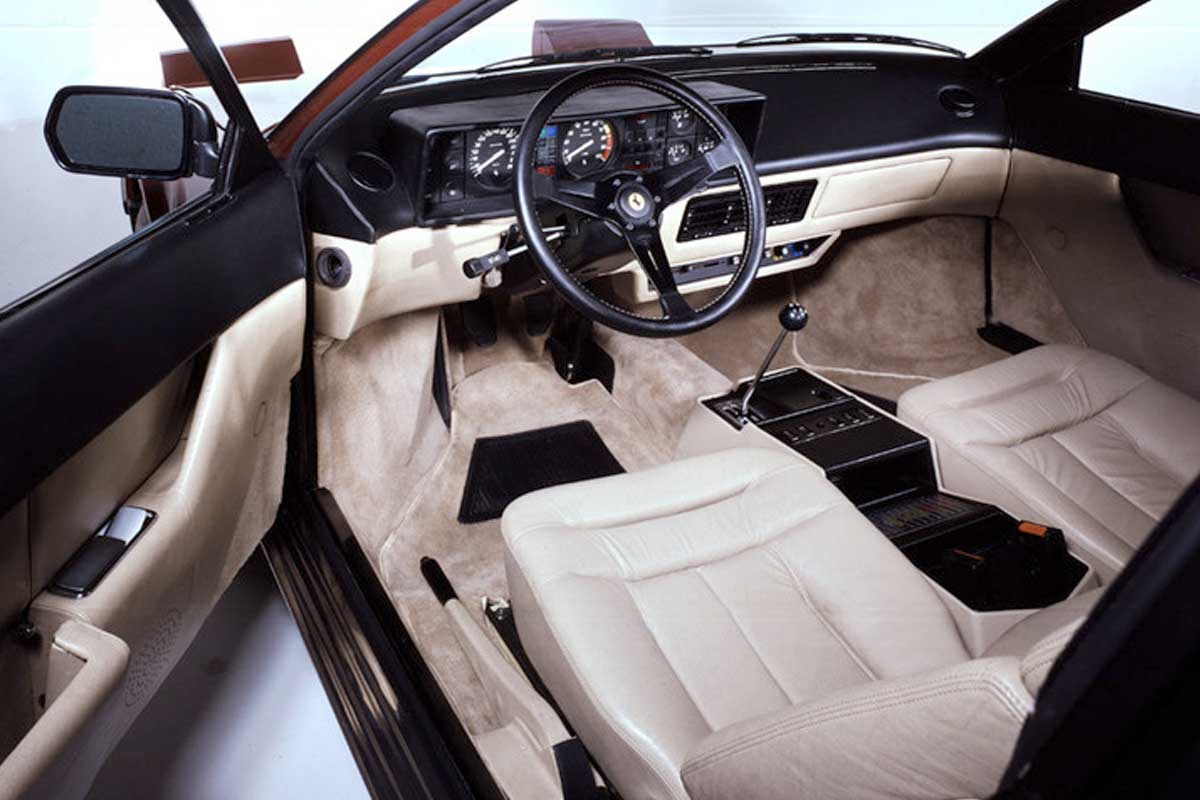
The manual gearbox grid, the smell of leather, the V8 in the back, the feeling of a mechanic close to racing in its philosophy, often come back as emotional arguments. Many owners also insist on a point that is often underestimated: the Mondial makes it possible to share the Ferrari. The two rear seats, even if they remain spare seats, change everything for family use or taking children along, and the boot makes the idea of travelling plausible. A Ferrari that can go away for the weekend without turning the journey into a sacrifice, that's rare.
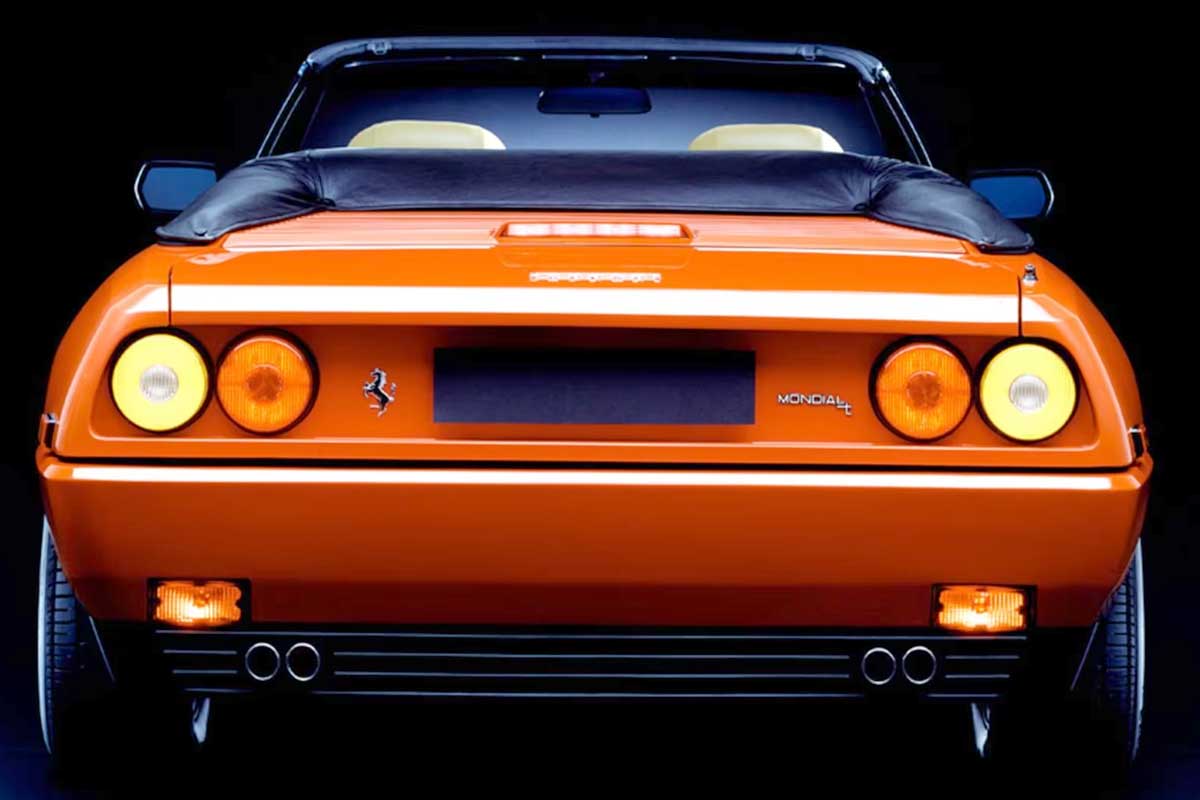
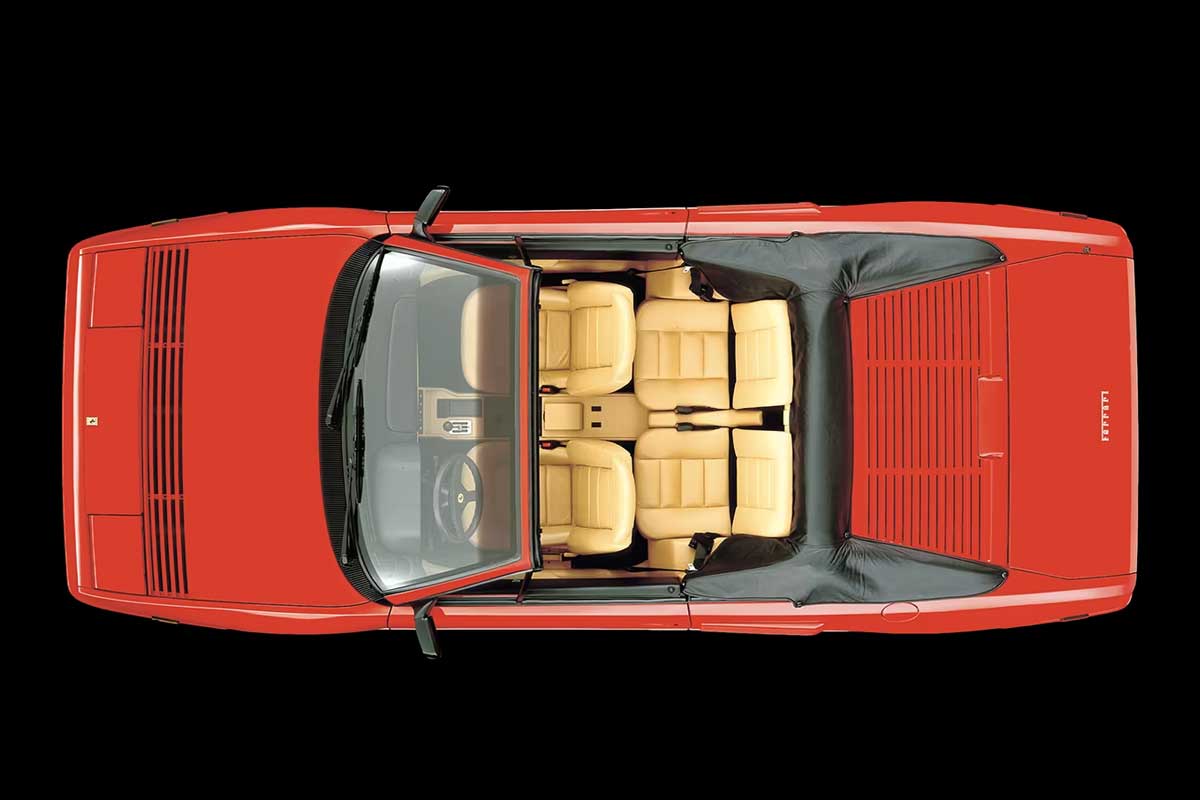
For its owners, the Mondial is not a car to be bought on a whim. It's a car you choose with a clear head, understanding that the key factor is not the purchase price, but its condition, history and maintenance.
Second-hand: many listings under $50,000... and American dominance
This is where the Mondial really becomes a textbook case. Today, there are almost 150 Ferrari Mondials on the market for under €50,000, mainly the first version. That's huge for a Ferrari, and explains why it's constantly referred to as "the cheapest Ferrari". The breakdown is instructive. In Europe, Italy logically concentrates many ads, with a notable presence in France, Germany, Switzerland, the Netherlands, Belgium and Spain. Entry prices observed on European ads can start at around €26,000 to €30,000 for older versions, and then rise according to version, condition, mileage and, above all, the quality of follow-up.
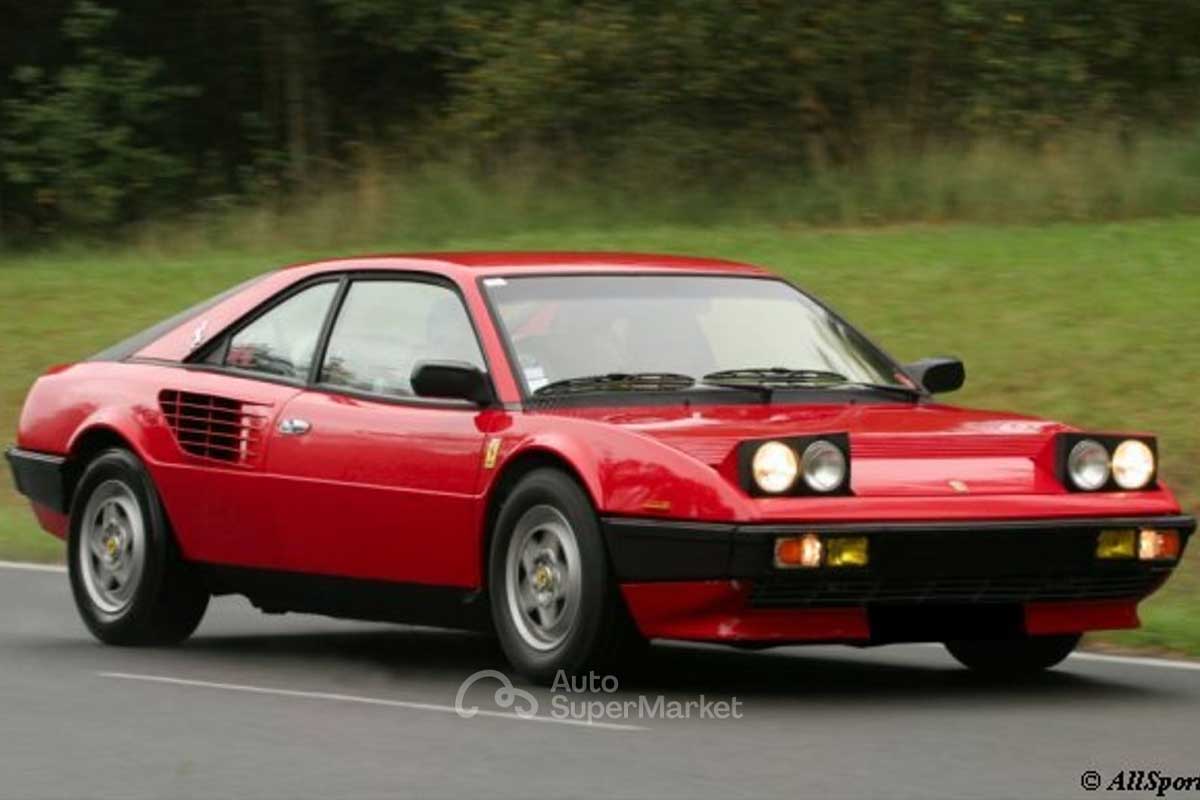
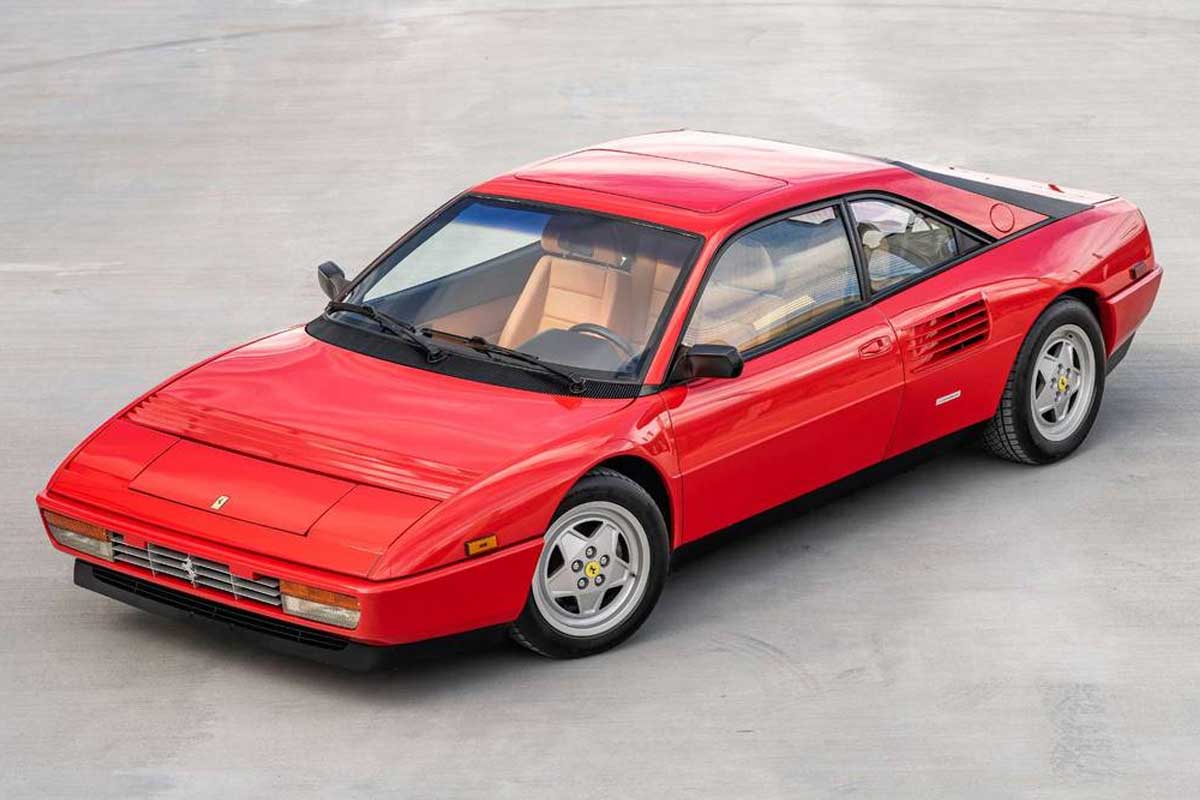
But the most striking element is the volume in the United States. There are more than fifty listings under €50,000, with some very aggressive pricing and a surprising number of well-presented examples. This is not inconsistent: the Mondial was largely designed for the American market, and its convertible versions have had a real appeal there. As a result, the US market is overflowing with Mondials, some of which have not been driven much, and some of which have been stored for a long time. This may give the illusion of a straightforward affair, but it's also a classic trap. A car that hasn't been driven much can be an excellent base... or an immobilized car that will require a serious overhaul. And when you're talking about a Ferrari, an overhaul can quickly cost more than you'd imagined. The low price attracts, the history reassures.
The great paradox: "cheap" Mondials and Mondials sold for over 100,000 $
This is perhaps the most interesting development in the Mondial story. For years, it was the Ferrari that could be found "at knock-down prices". And now, at the same time, we're seeing spectacular auctions on certain examples.
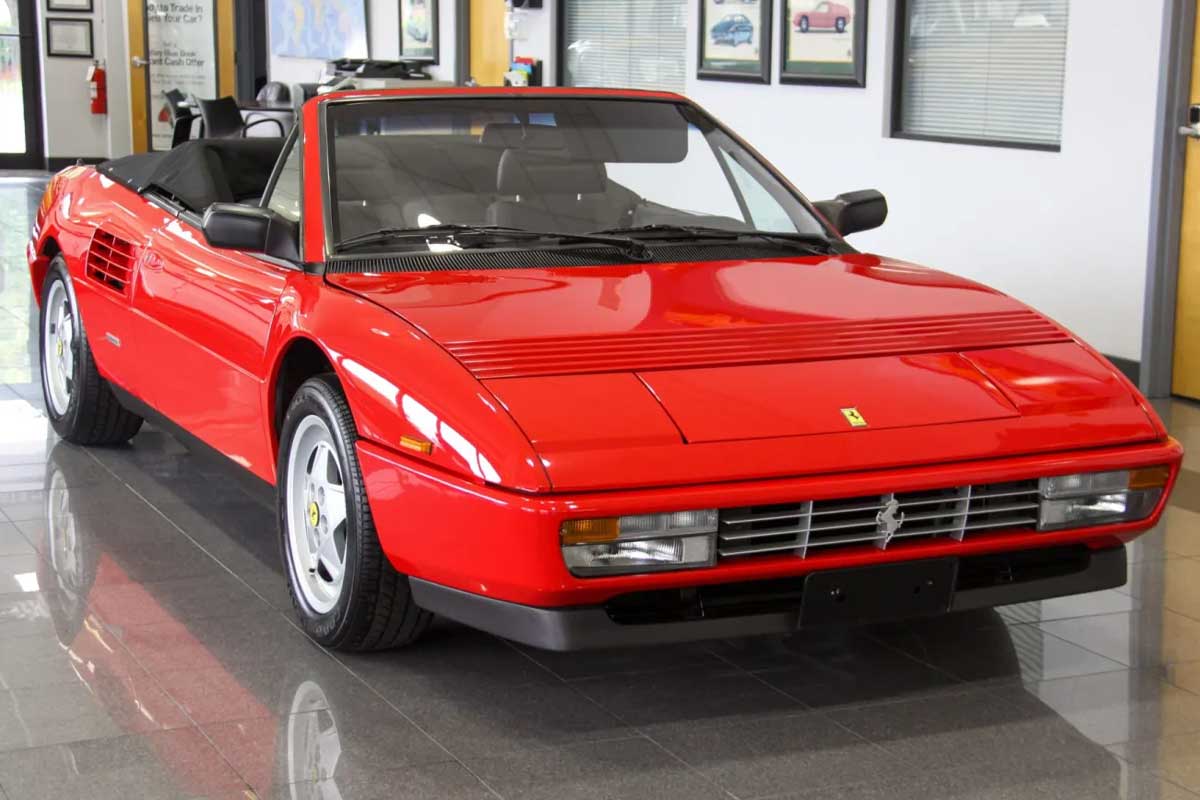
Mondial T models, both coupes and convertibles, sold for sums sometimes well in excess of $100,000, with very high peaks on cars advertised as extremely original, with very low mileage and irreproachable history. These are not the same cars as those you come across in the "tempting" classified ads. These are exceptional Mondials, those that the market is beginning to consider as coherent collector's items, because they represent the end of an era, a unique Ferrari configuration, and often a rare level of preservation. In other words, the Mondial is becoming a two-speed Ferrari. There is still a world where it remains the accessible entry-level model, and another world where the best examples, especially the Mondial T, are being looked at with fresh attention. The market is beginning to sort.
Should you give in? Yes, but not for the wrong reasons
The Mondial is not a purchase to win a popularity contest among purists. It won't suddenly become a 308 or a 328 in the collective imagination. It will remain a singular Ferrari, sometimes mocked, often misunderstood. But that's precisely what makes it such an exciting purchase.
If you want a Ferrari to live with, to listen to, to handle, to share, a Ferrari from the Enzo era, with the charm of a manual gearbox and a naturally-aspirated V8, while staying within a budget that, at the time of purchase, can remain under $50,000, the Mondial is probably one of the most credible entry points. The only condition, and this is non-negotiable, is lucidity. You don't buy "a cheap Mondial". You buy a precise example, with a clear history, proven maintenance, and a mechanical reality compatible with its price. The Mondial is a Ferrari that forgives little approximation, but rewards generously those who choose it well.
Basically, the Mondial tells the story of a slow revenge: that of a Ferrari judged on what it wasn't, rather than on what it really is. And if the market is finally starting to do it justice with the finest examples, it's perhaps because many are now rediscovering what its owners have been saying for a long time: behind the "ugly duckling" joke, there's a Ferrari that's endearing, intelligent, and sometimes surprisingly modern in its philosophy.

 English
  French
  Italian
  Spanish
  Portuguese
  German
  Japanese
  Turkish
  Dutch
Dutch