

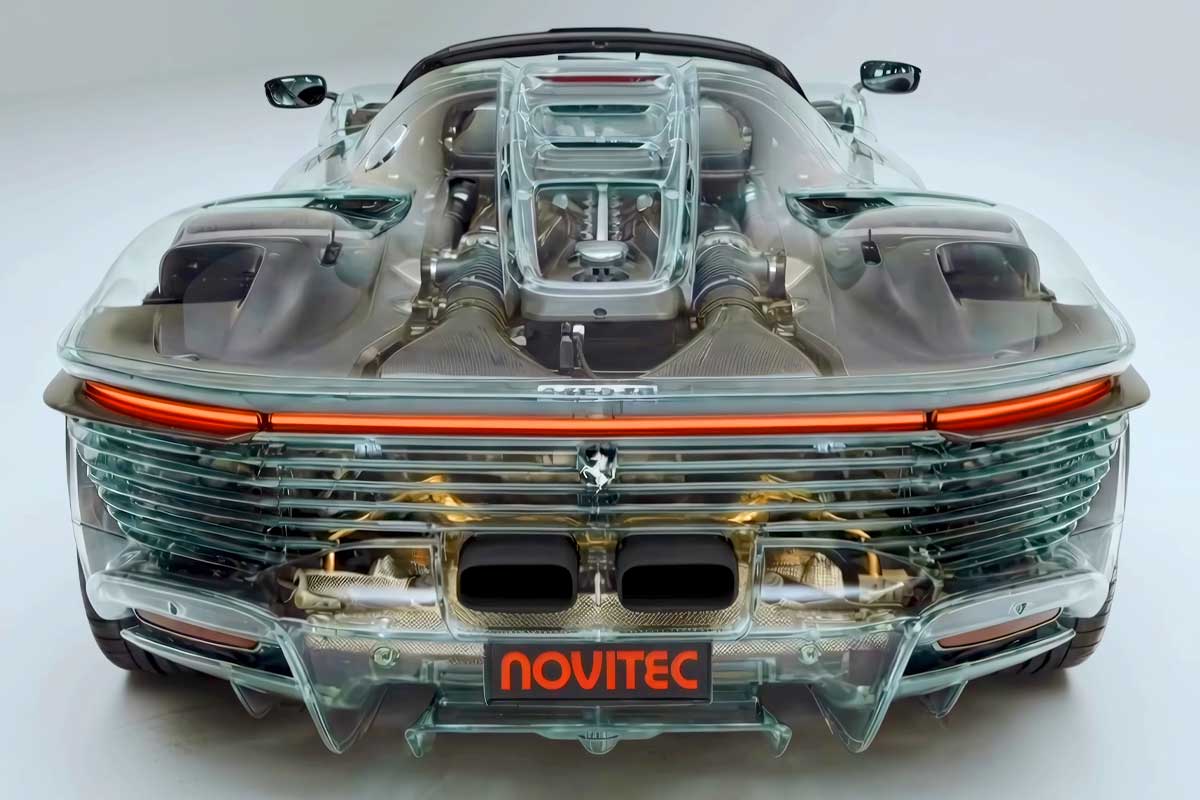
With hybridization and electrification now dictating performance, some cars look almost like survivors. The Ferrari Daytona SP3 is one of them. Atmospheric V12, rear-wheel drive, no electrical assistance: an almost anachronistic philosophy in 2026. And it's precisely for this reason that German tuner Novitec has chosen an unusual approach: not to transform the car... but to sublimate it.
A hypercar already out of the ordinary
The Daytona SP3 belongs to Ferrari's Icona series, inspired by the racing prototypes of the 1960s, and in particular by the brand's historic treble at the 24 Hours of Daytona in 1967. Produced in just 599 examples (plus one additional unit), it was already conceived as a modern time capsule.
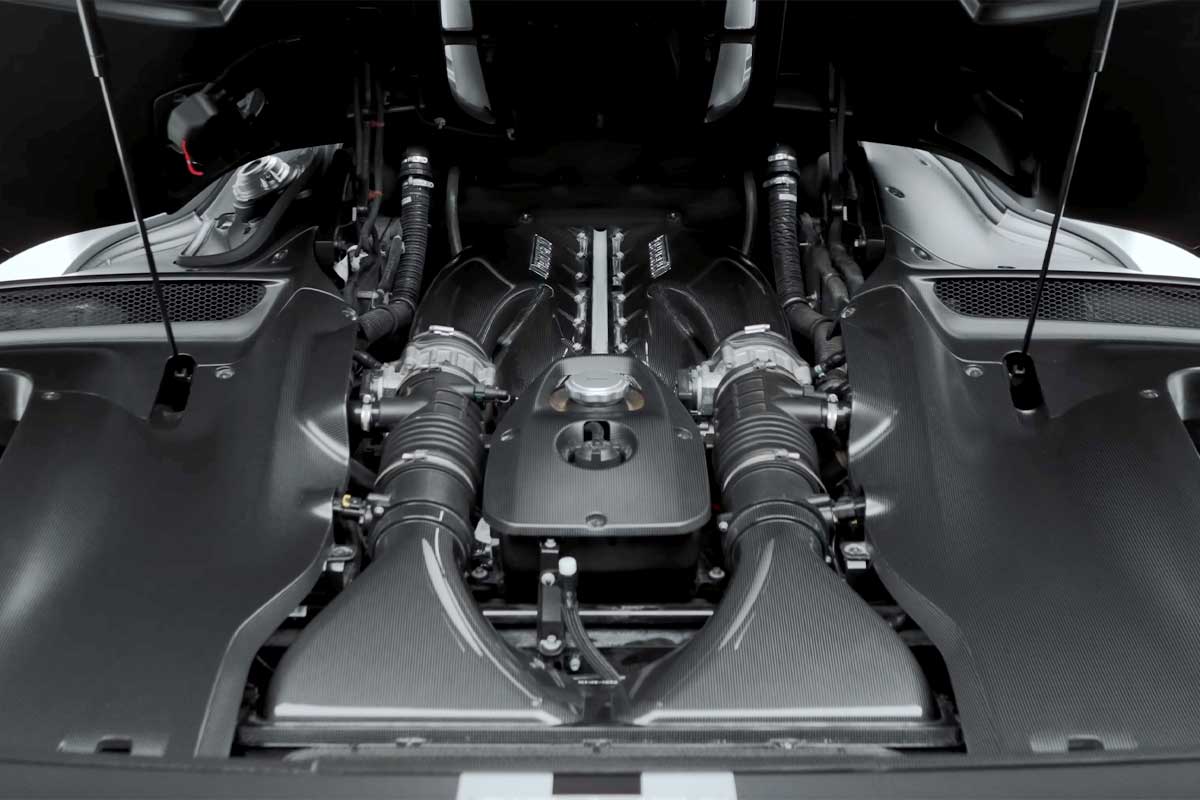
Its 6.5-liter naturally-aspirated V12, mounted in a central rear position, originally developed 840 hp at 9,500 rpm. An engine derived from the 812 Competizione family, capable of climbing to 9,000 rpm with a mechanical brutality that has become rare. No turbo, no hybridization, just a dual-clutch gearbox and the rear wheels to transmit the power.
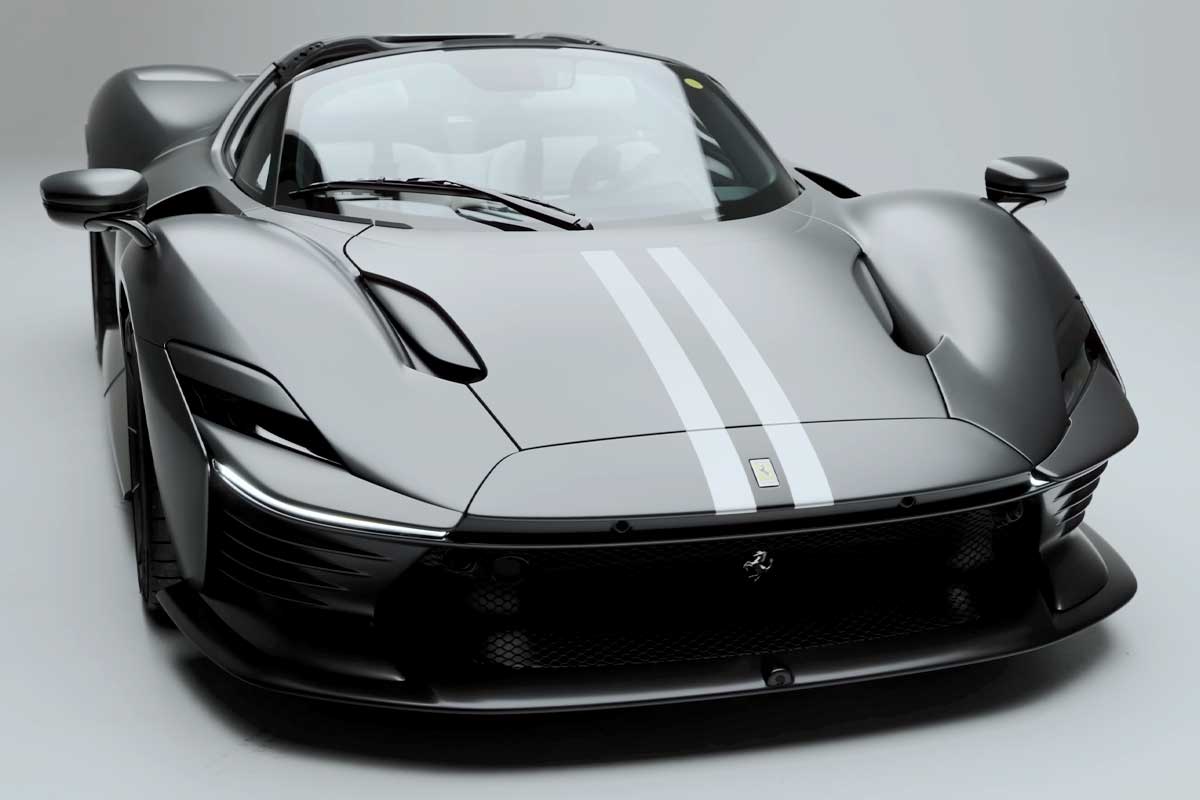
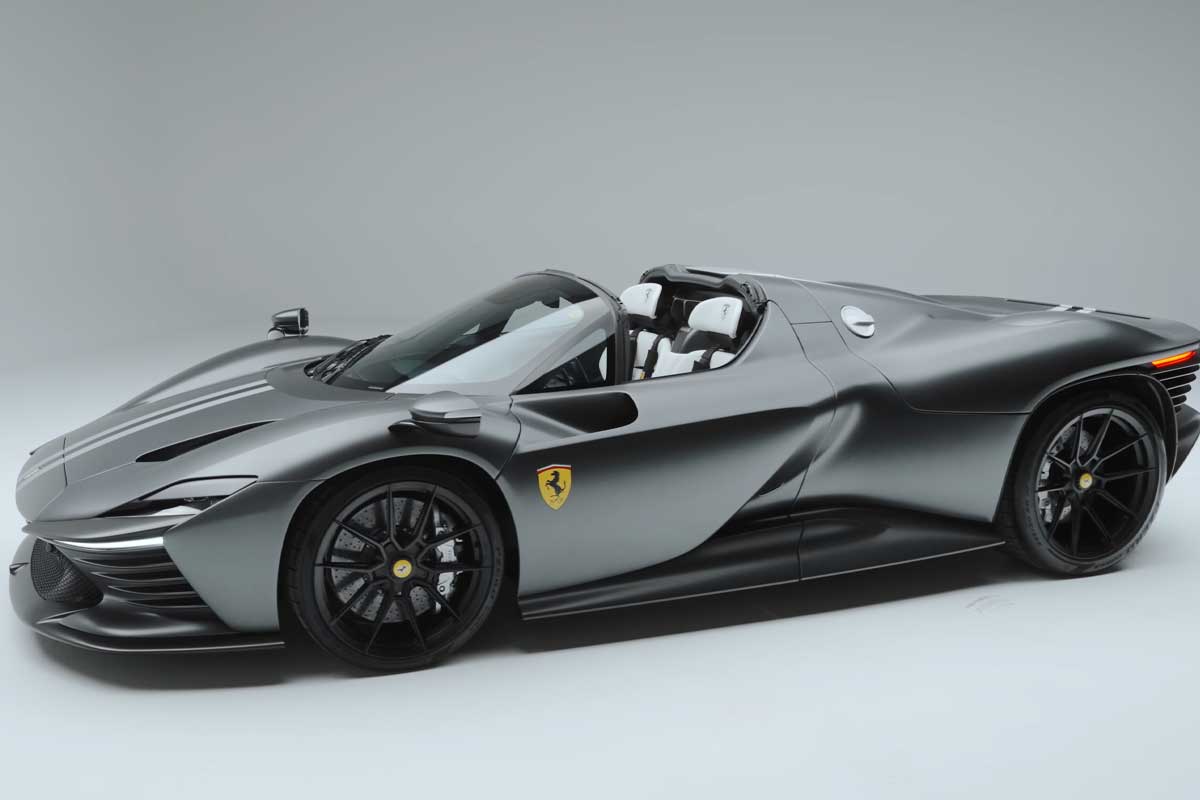
The performance figures alone are a reminder of its status: around 2.85 seconds to reach 100 km/h, just over 7 seconds to 200 km/h and over 340 km/h top speed. But for Novitec, these figures are no longer what make a car special today.
The Novitec philosophy: refining emotion
Rather than chasing records, the German tuner sought to reinforce the car's character. The idea was not to correct Ferrari, but to respect the icon. The transformation begins with a new flow-optimized exhaust system fitted with sport catalytic converters.
As a result, the V12 gains a further 28 hp to reach 868 hp. Even more than the power, it's the throttle response that changes, with a livelier engine and a more present sound timbre. An acoustic management system allows the engine to switch from a civilized sound to a racecar-like roar.
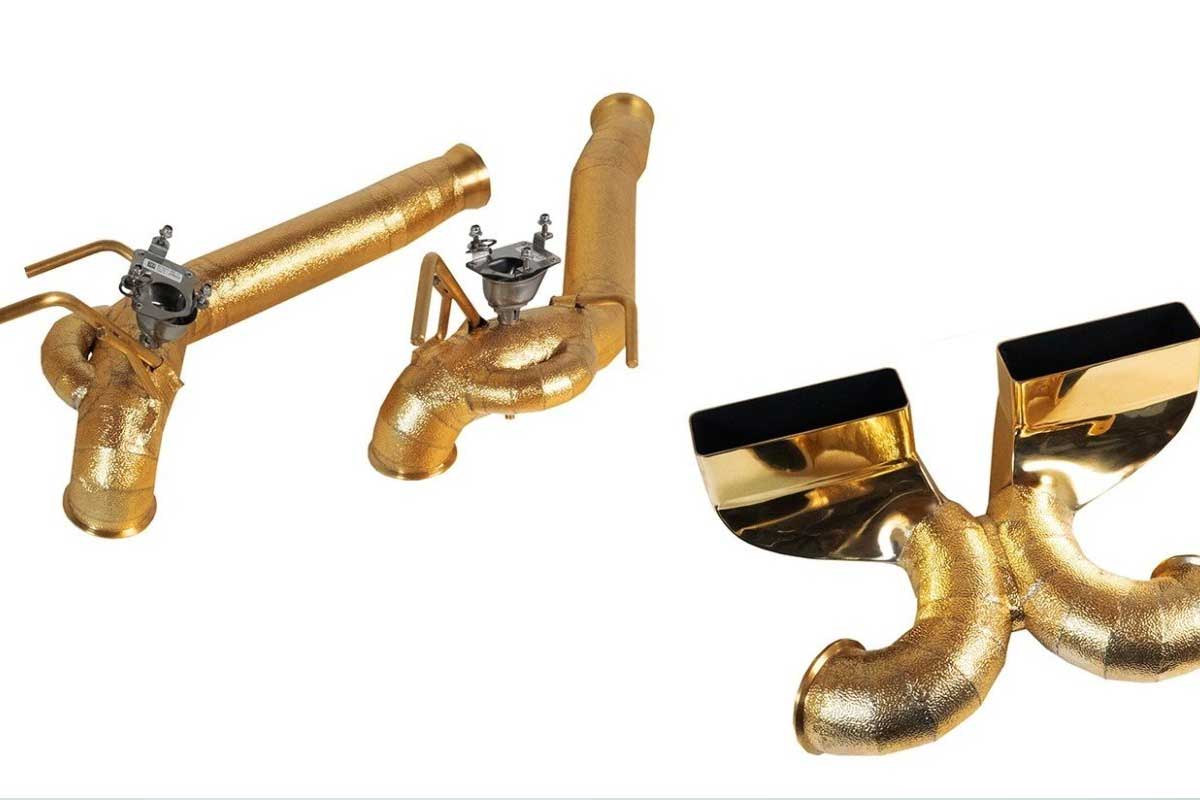
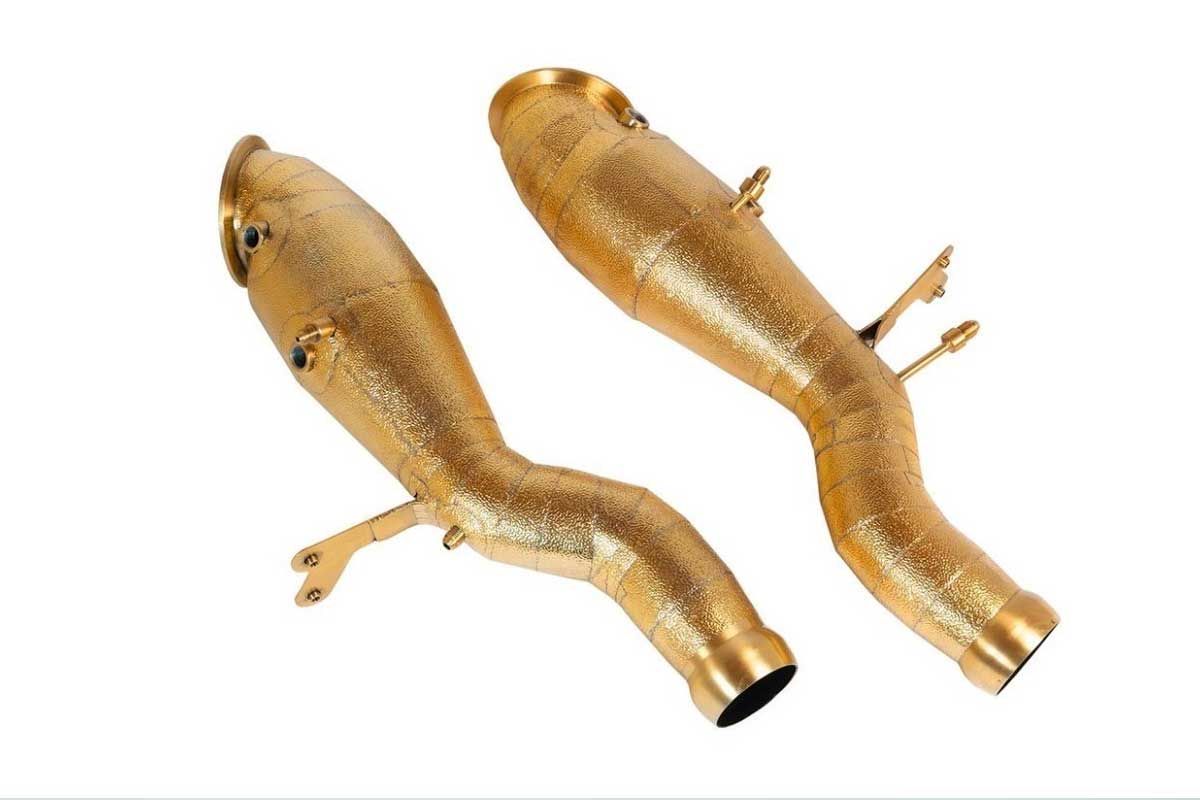
And for those who want to take the symbolism to the extreme, Novitec offers a gold-plated exhaust system. Beyond the visual effect, the precious metal improves heat dissipation under the engine hood. But in practice, the aim is obvious: to make the V12's song even more theatrical.
Aerodynamics
Unlike the usual spectacular preparations, the Novitec SP3 remains visually close to the original. As the Ferrari body is already a rolling wind tunnel, the tuner has opted for subtlety.
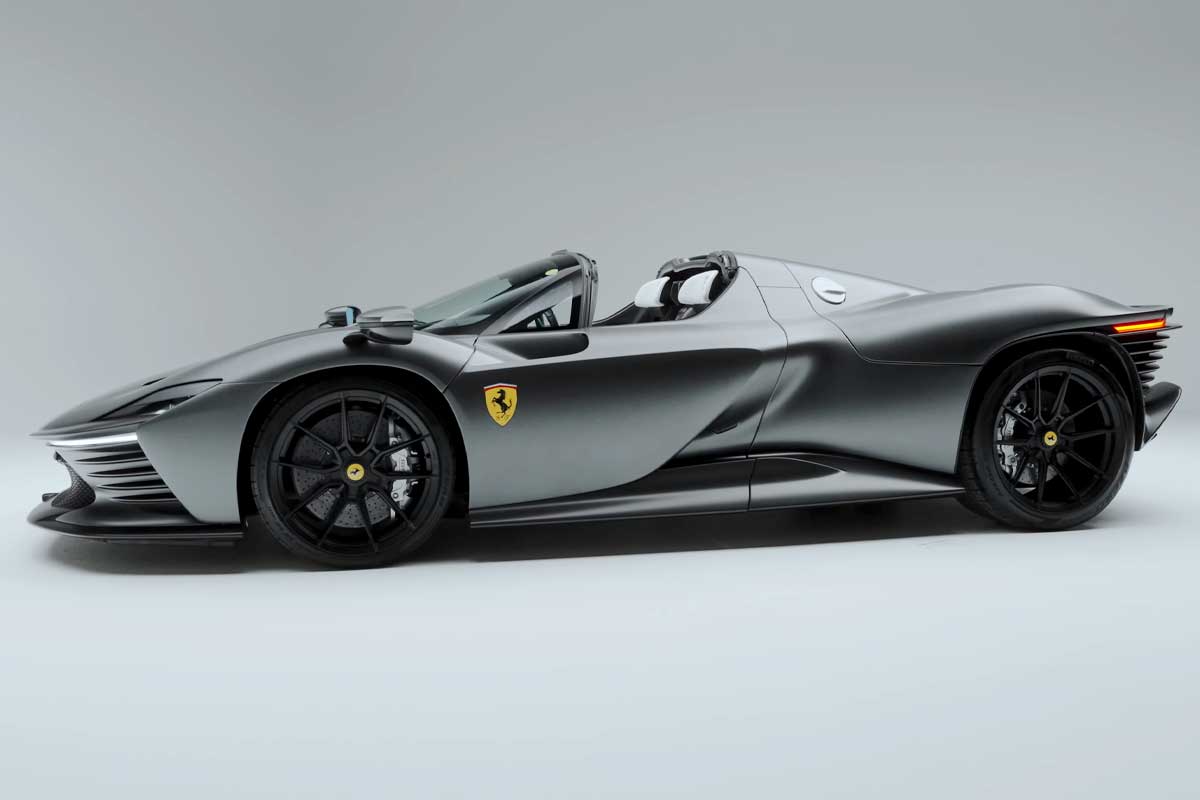
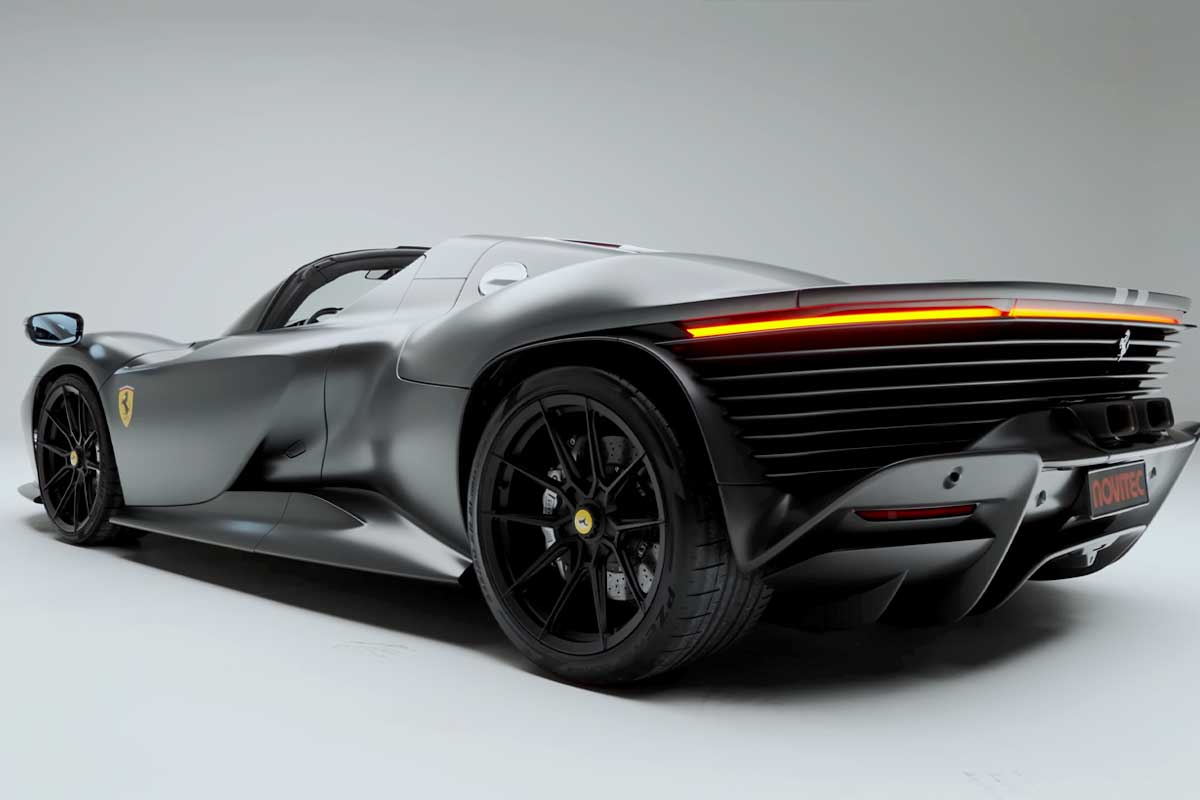
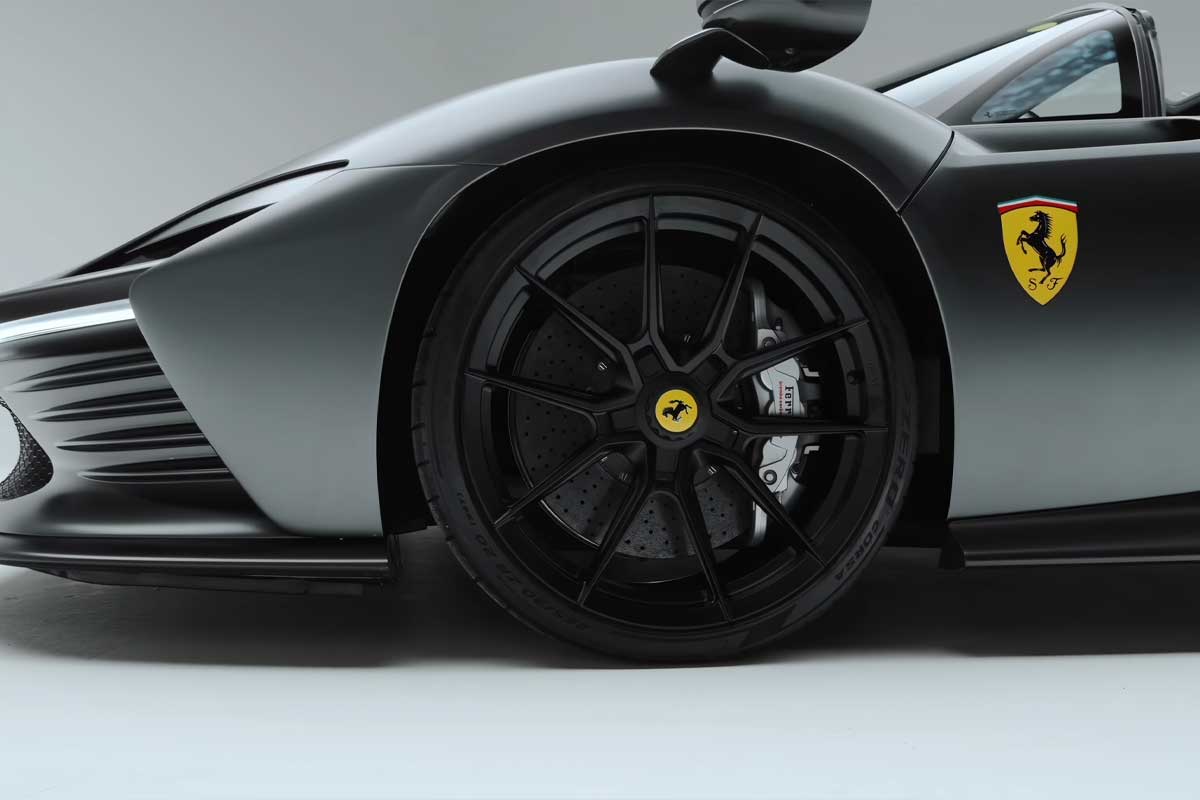
The Daytona SP3 uses mainly passive aerodynamics: air flows through the car via tunnels integrated into the doors and fenders to cool the engine and radiators. Novitec has not upset this balance, merely adjusting the posture with its NF10 wheels developed with Vossen. Their central-nut design is directly reminiscent of the Ferrari racing cars of the '60s, further reinforcing the historical link intended by the Icona series.
A hypercar that looks to the past... and therefore to the future
Inside too, the philosophy remains unchanged. No intrusive screens or complex infotainment: a simple driver display and seats attached directly to the chassis. The steering wheel and pedals adapt to the driver, not the other way round.
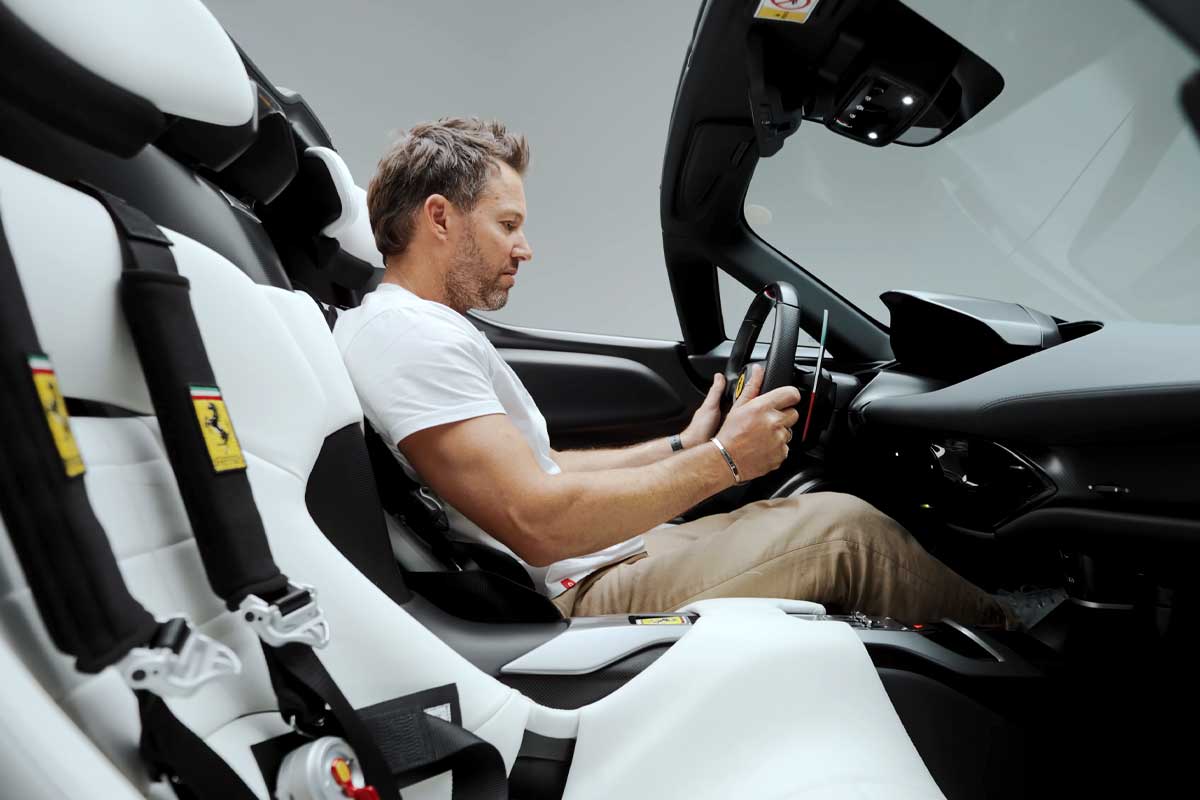
In the final analysis, the Novitec transformation does not seek to modernize the Daytona SP3, but to freeze it as a testimony to a vanishing era. An atmospheric, mid-rear V12 produced in 2025-2026 already seems like an industrial anomaly. And that's precisely what makes this preparation so valuable: it doesn't try to make the Ferrari more extreme, but purer.

 English
  French
  Italian
  Spanish
  Portuguese
  German
  Japanese
  Turkish
  Dutch
Dutch
We call a spade a spade, so it's easy to see that it's a Ferrari, an F40 I don't see where this is going.