

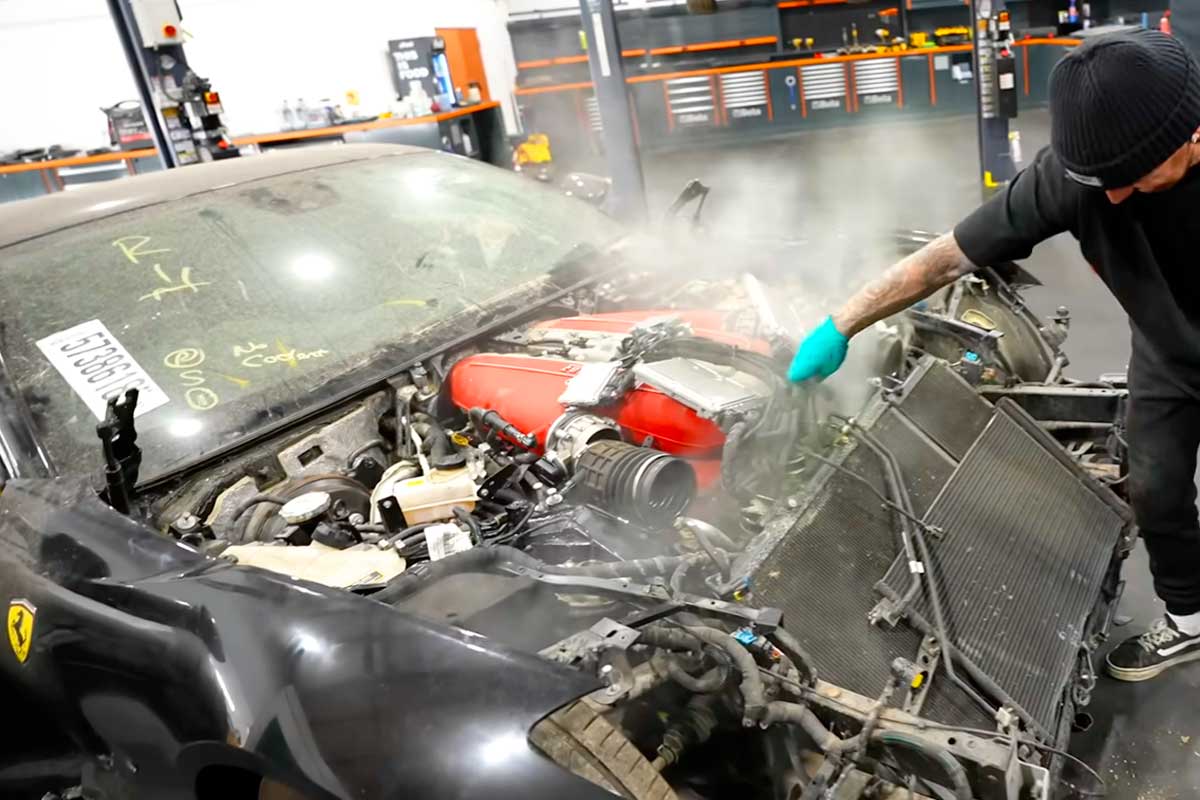
Buy a Ferrari cheap is often a gamble. Matt Armstrong is a regular, having found his at an accident vehicle auction. Without specifying the price, this would be the cheapest of all the Ferrari 812 on the market. The ad almost promised the impossible: an 812 in an accident, some 9,000 miles on the odometer (14,400 km), and above all a reassuring "rolling" description. When the truck delivers the car, the illusion works for a second: from the rear, it looks almost presentable. But as soon as you drive it back into the garage, the reality is different: the whole front end has taken a big hit. And beyond the plastics, it's the details that worry even the most seasoned drivers... because a Ferrari can forgive a bumper, not an engine.
Oil where it should never be
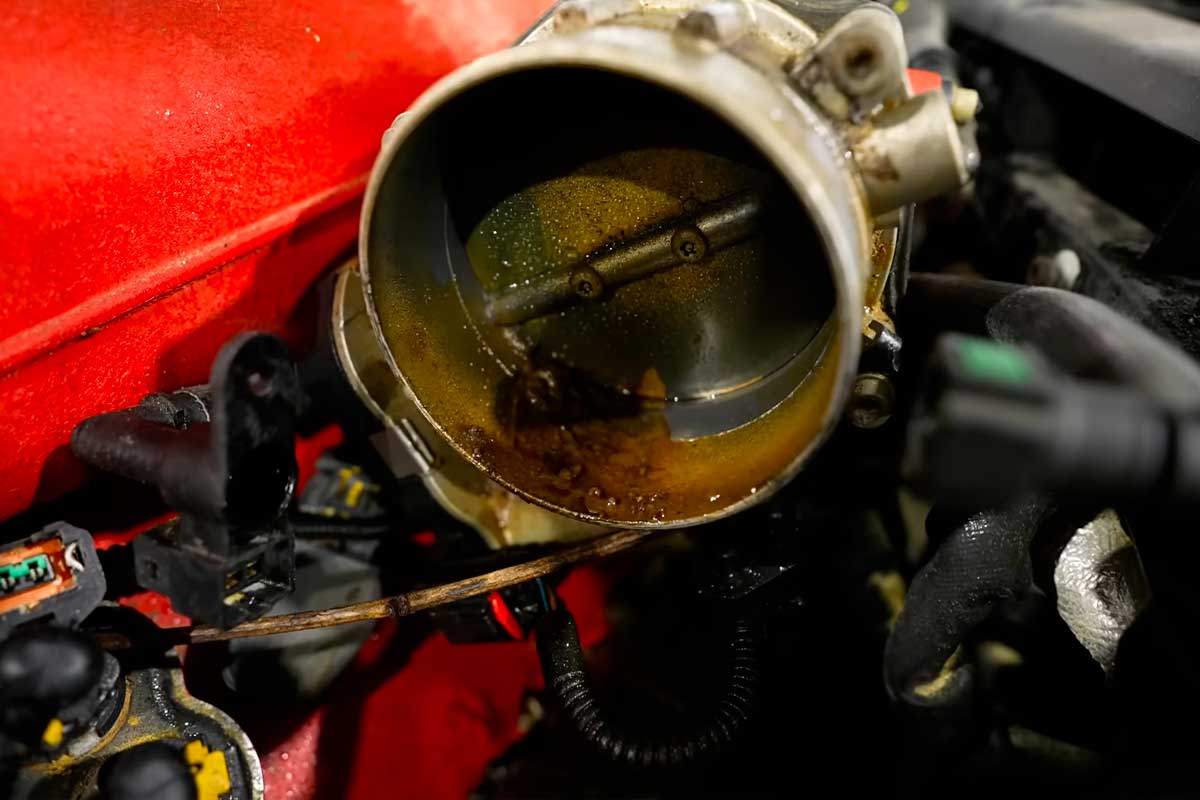
Even before attempting to start it, it's impossible to get it out of "Park" mode. You have to go through the Ferrari procedure, access the rear gearbox via the tool kit, and force it into neutral. That's it, the 812 moves. And then, the first problem: oil in the intake, in the air filter area. How could this happen? Has the car tipped over and landed on its nose in a ditch? Or transported in an unlikely position?
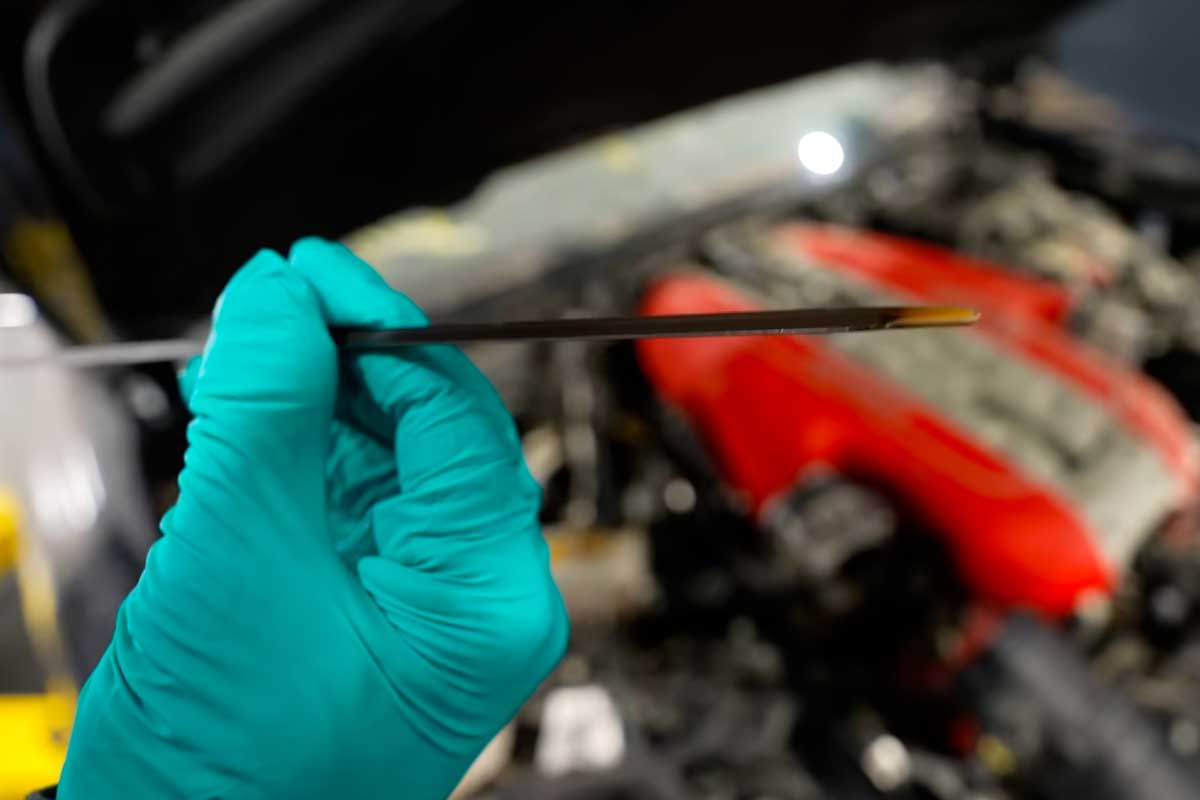
The moment that sets the mood arrives at the dipstick check. The oil is milky. As if water had mixed in. And in an engine, especially a V12 of this calibre, this mixture is never a good sign. If water or oil has filled a cylinder, trying to start the engine can cause a blockage and bend a connecting rod. The priority is no longer the bodywork, nor the "24h challenge". The priority is to understand whether the V12 is alive.
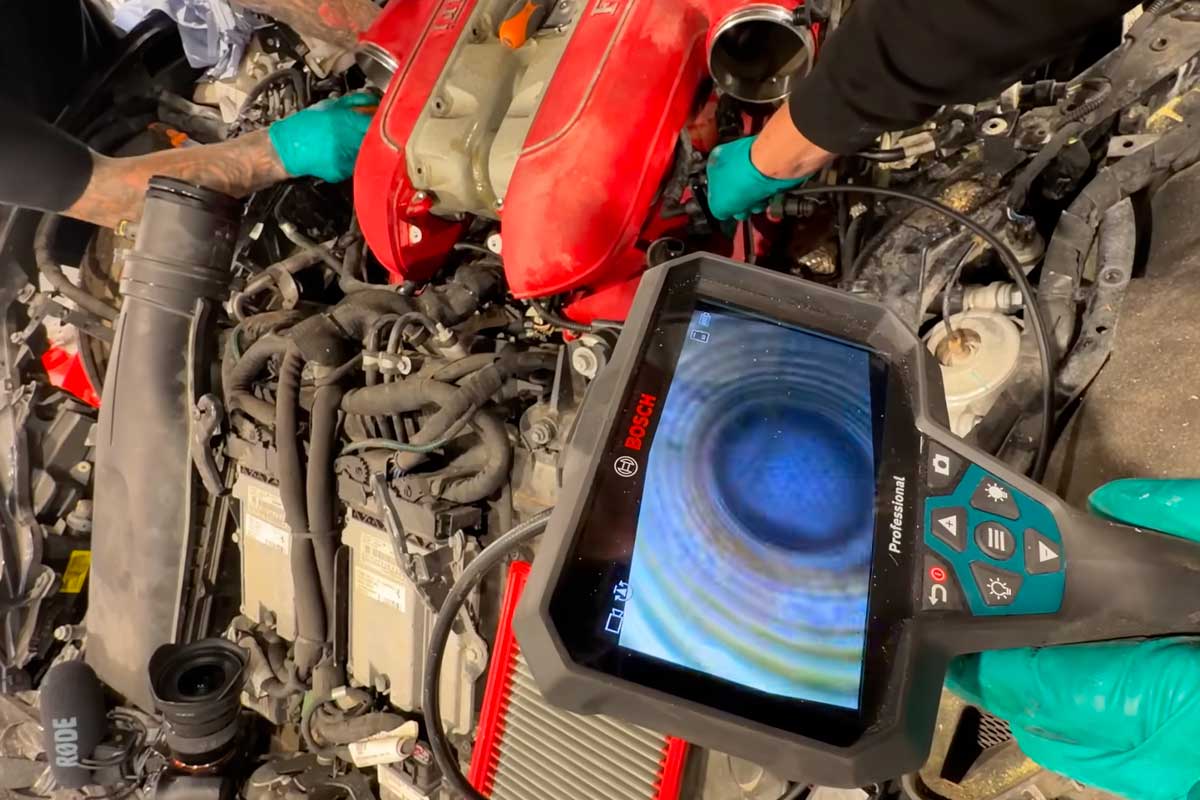
The method is radical: remove the spark plugs, one by one, and inspect each cylinder with a camera. On an 812, that's twelve times the same operation. The tension gradually eases: nothing muddy, nothing drowned. Spark plugs look normal. Cylinders look clean. This is good news... but not yet the end.
The engine "vomits
They try to start the V12. Immediate relief... but before long, the engine is spitting out sludge. The diagnosis: oil (and water) has invaded the crankcase ventilation system. Two possibilities. Either the car has been tilted (so the oil has migrated) or the problem is more serious: exchanger, pump or cylinder head gasket. The plan, then, is to drain all the oil and replace it with clean oil. In the end, the engine seems to be running normally. It makes a "normal" noise once most of the oil mixture has been evacuated. But this is short-lived, as the oil quickly turns milky again. Where does the water come from?
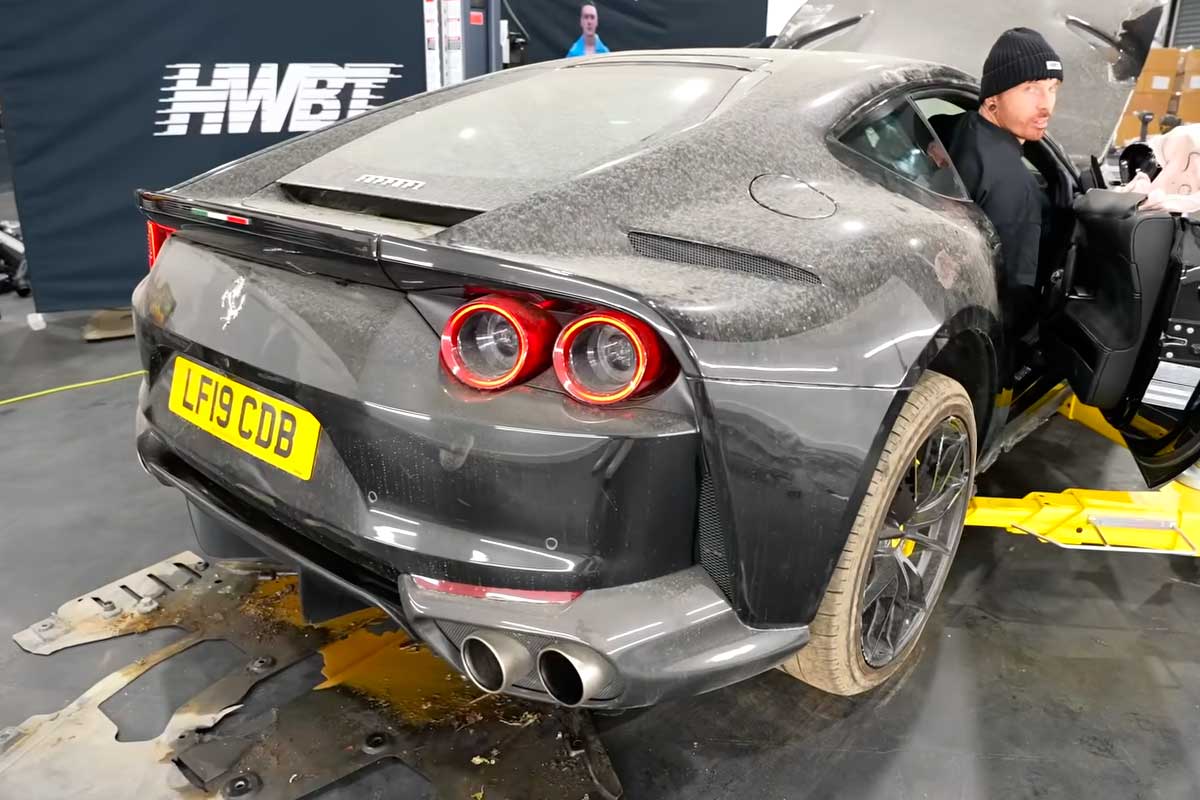
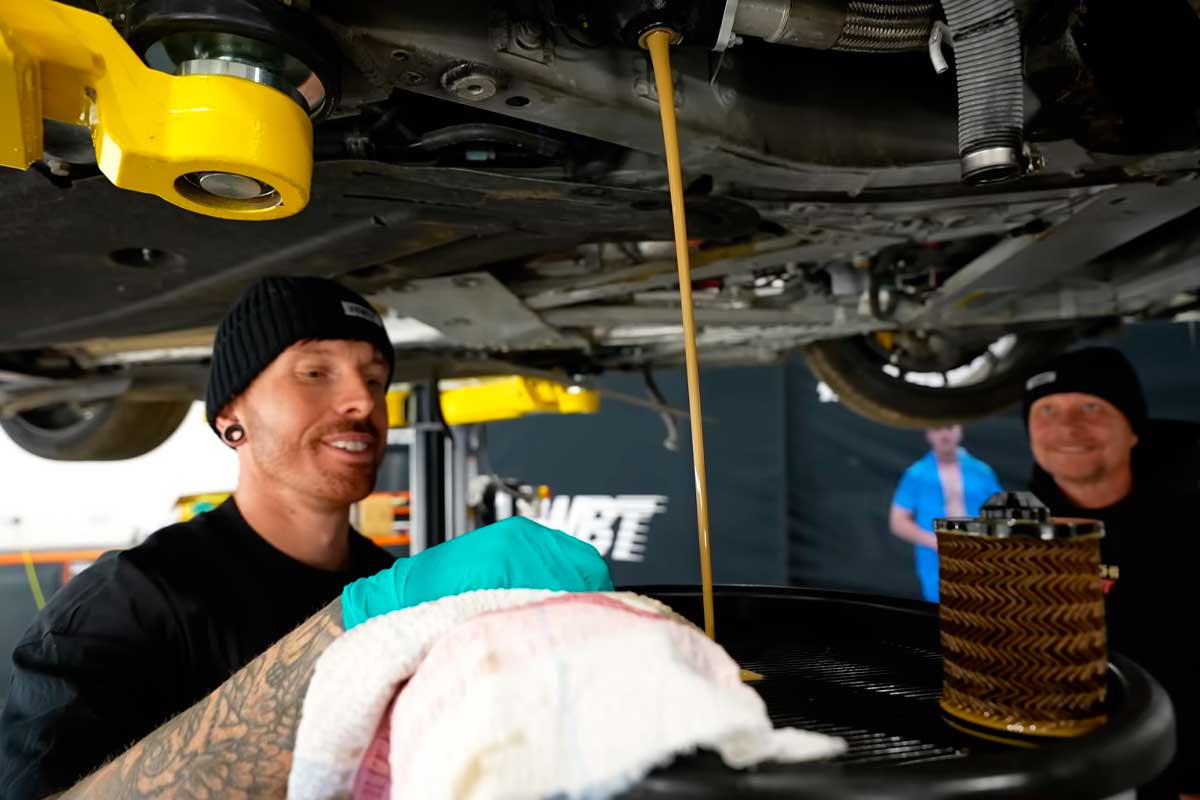
While the engine remains under surveillance, the "24-hour repair" project is turning into a marathon: dismantling the whole front end, radiators out of order, parts to be replaced, aluminium structure to be straightened or rebuilt. A little putty here, a repair there. The interior is not spared: airbags triggered, belts to be reconditioned, airbag module to be sent to erase crash data, dashboard to be removed and redone. Result: 24 hours wasn't ambitious... it was naive.
Oil still milky after several cycles
Later, the car's repair is well underway. It even has a new look, with an assertive green tint, an aggressive carbon kit, and a cosmetic transformation that would make you forget its original state. But when it's time to put the car on deck and start serious "service", the oil is still cloudy. After three purges, it should be clean again. Not so. And when the oil remains milky.
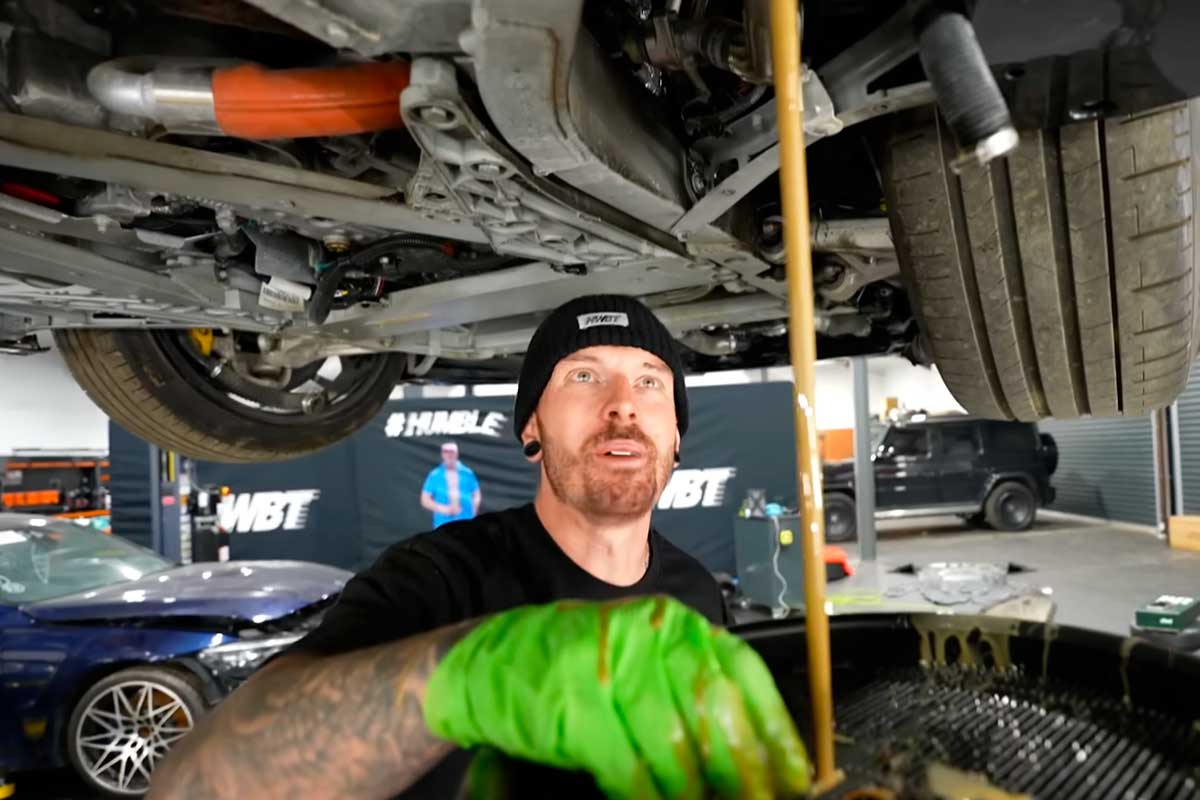
They turned to the most logical possibility: the cooling system. Pressurization is not good. They fill with water, check the underside of the car: no immediate cascade at crankcase level. Then, at last, they found a leak: a simple pipe with a hole in it. But this hole explains why the circuit couldn't hold pressure, not why the oil is cloudy.
The denouement
They persist with new purges. It gets better, a little. New cycle. And again. And finally, around the sixth oil change, the oil starts to look like oil. Not perfect right away, but healthy enough to fit a new filter and move on to the next stage. But the mystery remains: how did the water get in in the first place? Was it a one-off event related to the accident, transport, leakage or mishandling? They don't know.
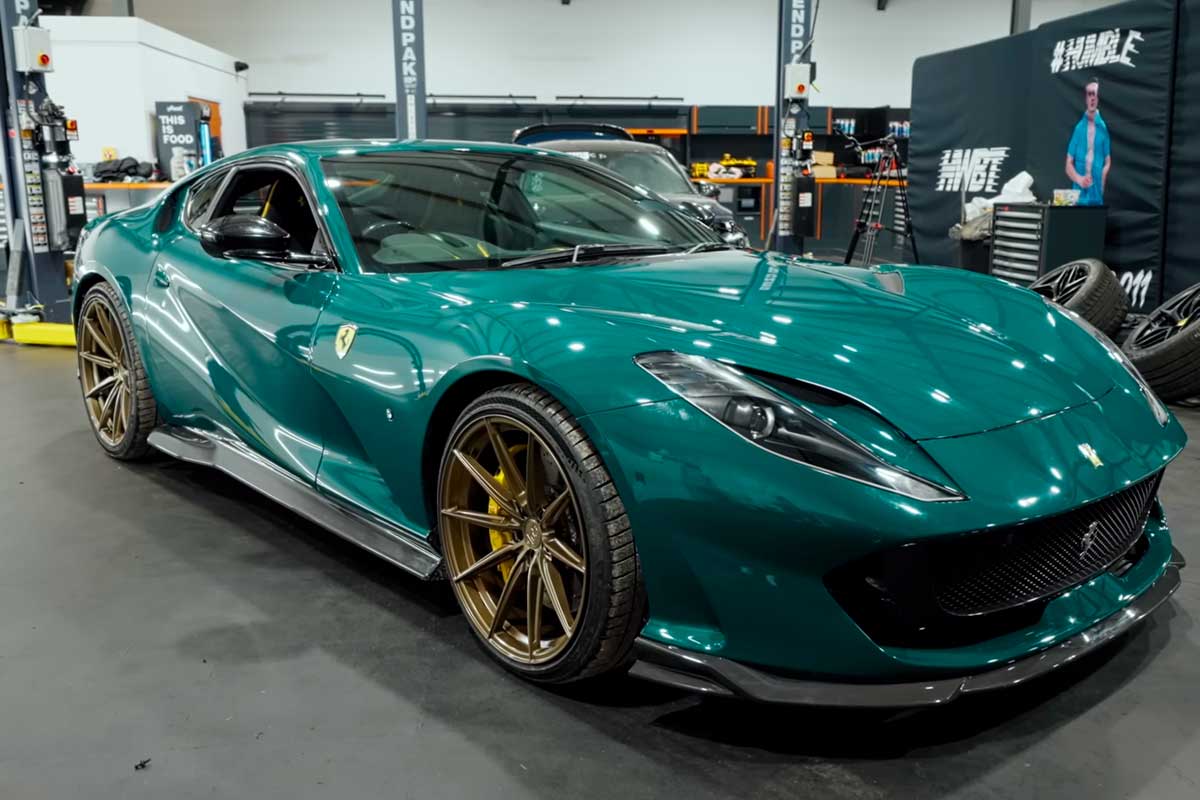
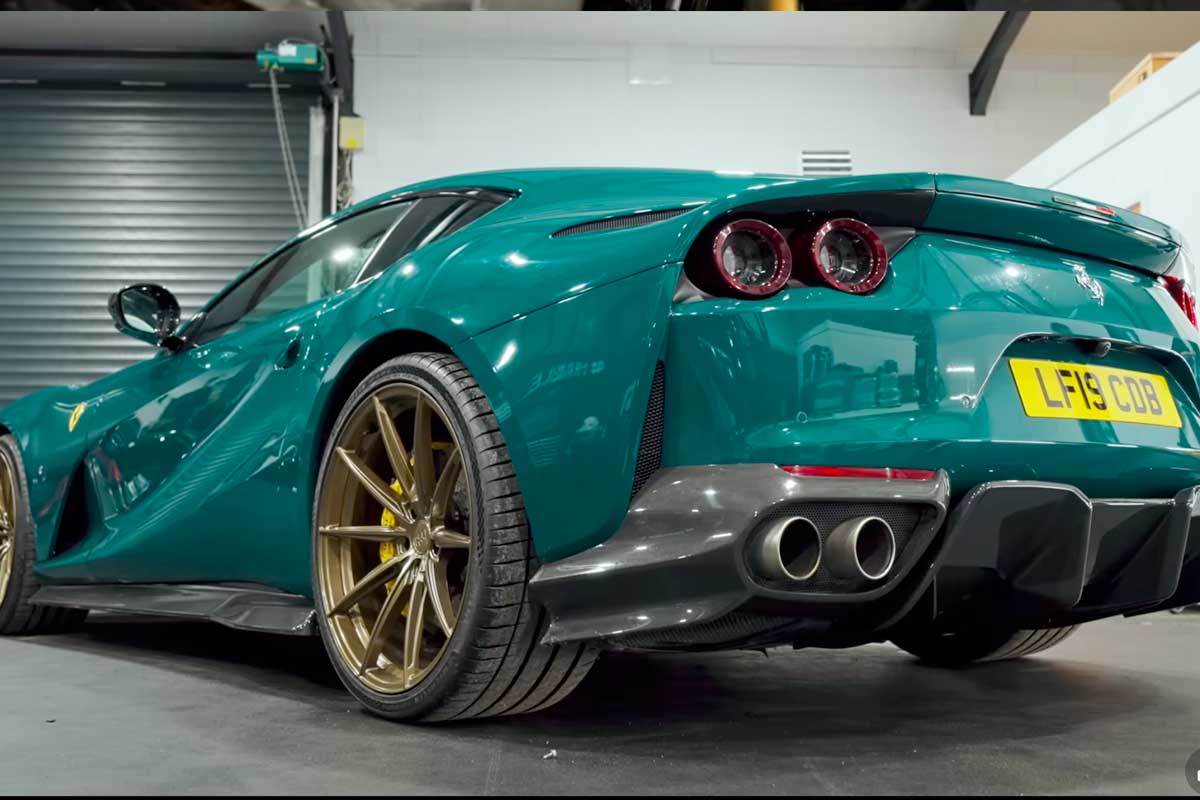
What followed was something of a reward: a Ferrari with a dashboard devoid of any worrying warning lights, and a car that had nothing to do with the wreck that lay on the set at the start. In the end, the 24-hour challenge becomes a 54-hour one, but the result is still incredible.

 English
  French
  Italian
  Spanish
  Portuguese
  German
  Japanese
  Turkish
  Dutch
Dutch