

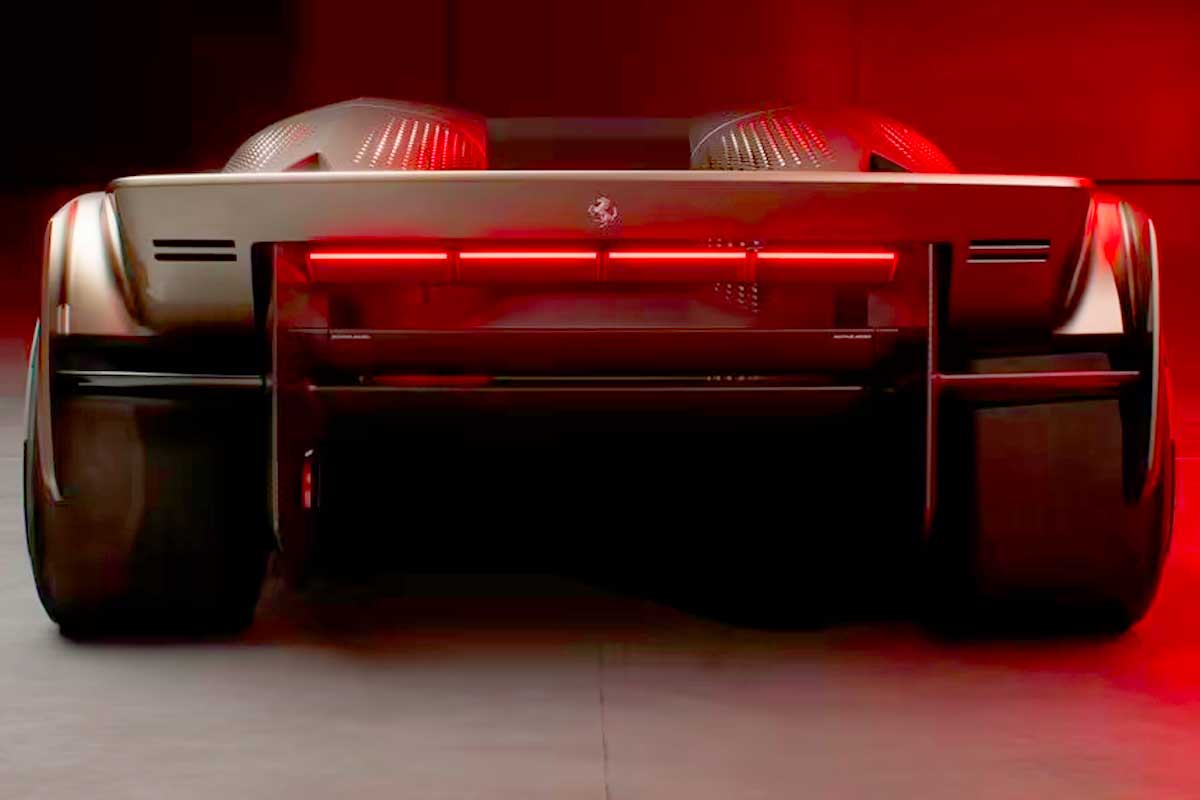
We thought the NFT craze was already well behind us... and yet.., Ferrari has resurrected it. The Maranello-based manufacturer has unveiled a brand-new model, the F76. A name which, at first glance, suggests a worthy heir to the legendary F40, F50 or F80. Except that here, there's no question of a screaming V12, carbon bodywork or even an engine. The Ferrari F76 simply doesn't exist.
A virtual Ferrari... 100 %
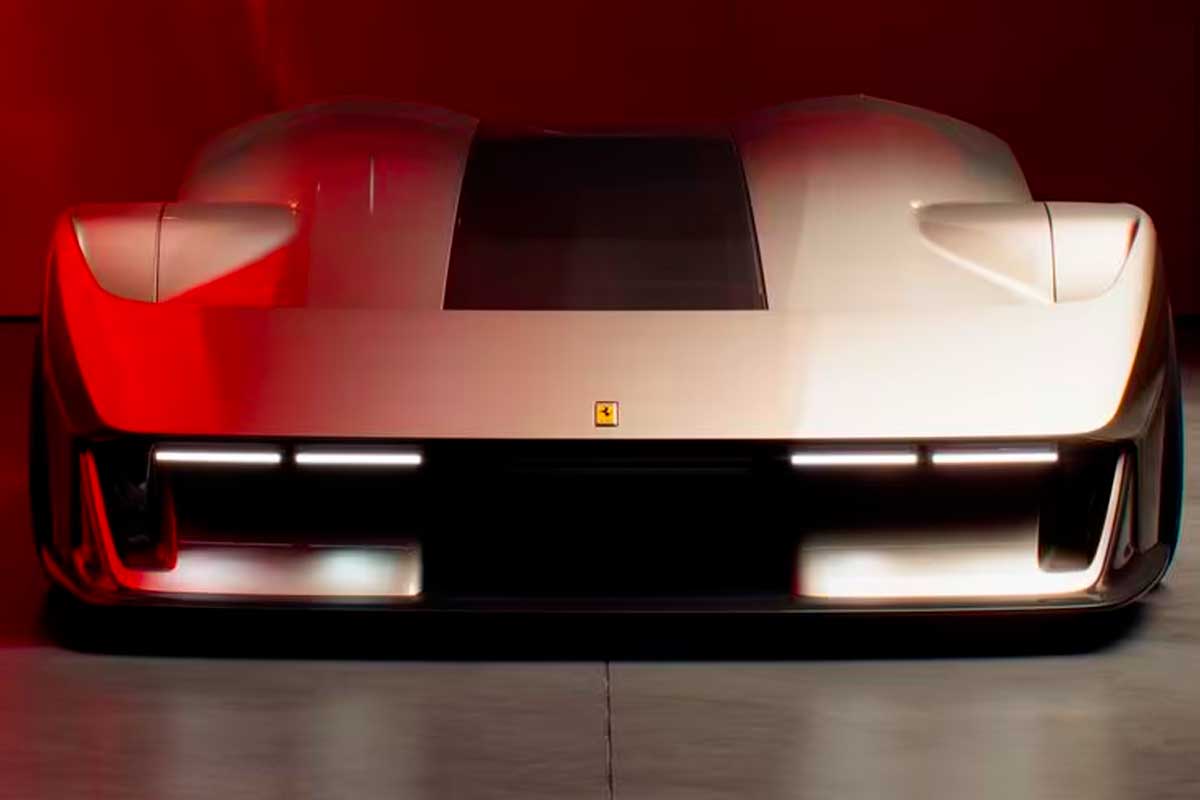
Presented at the Scarperia circuit, during the "Mondiali Ferrari week" event, the F76 is in fact Ferrari's first 100 % digital model, designed as an NFT (non-fungible token). In other words, a unique digital file, reserved for members of the exclusive Hyperclub program, a community created to support Ferrari's participation in endurance racing with the victorious 499P at Le Mans.
The aim? To offer select customers the chance to own a personalized, computer-generated virtual Ferrari. In other words, a piece of Maranello to collect on your computer.
A shaky justification
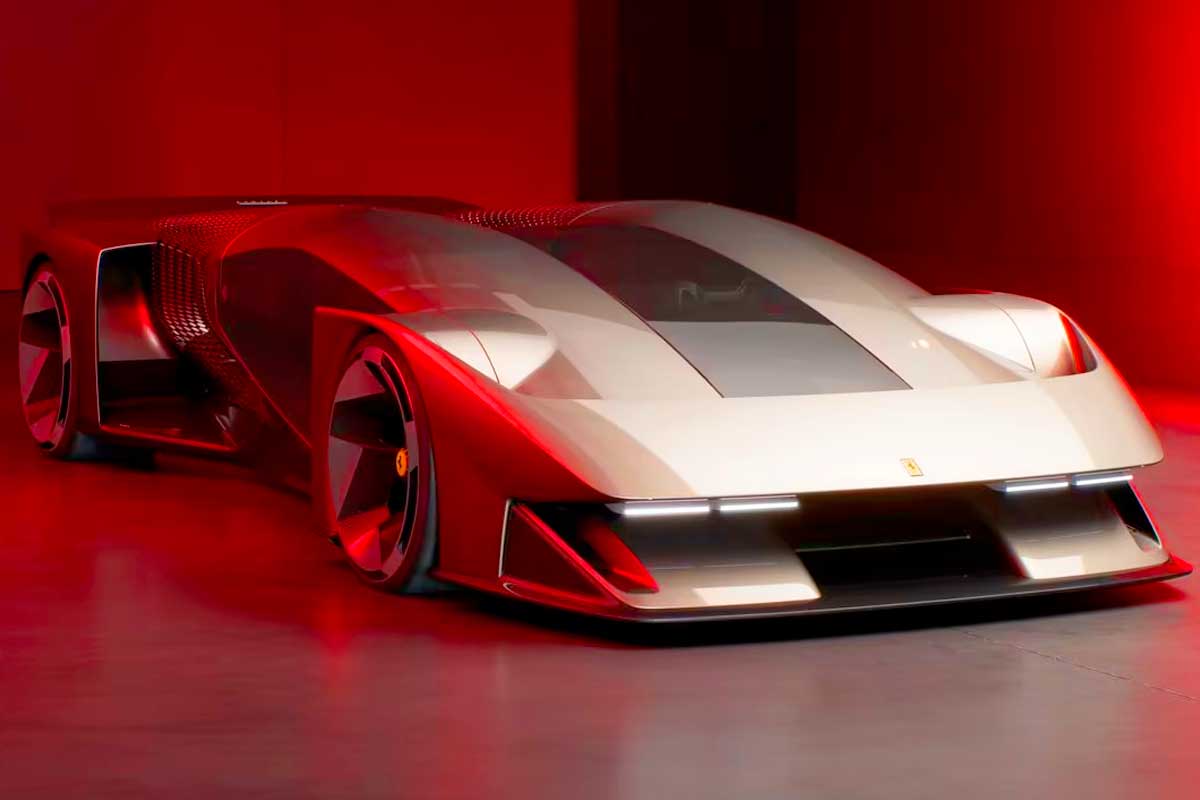
Officially, the name F76 pays homage to Ferrari's first victory at Le Mans, in 1949, 76 years before 2025, the year the project was launched. But it's hard not to see a certain malaise in this choice: the letter "F" and the numbering have always designated emblematic supercars, F40, F50, and more recently F80. These names evoke legendary machines, created to celebrate the brand's anniversaries, not an NFT stored on the blockchain.
Spectacular design... yet useless
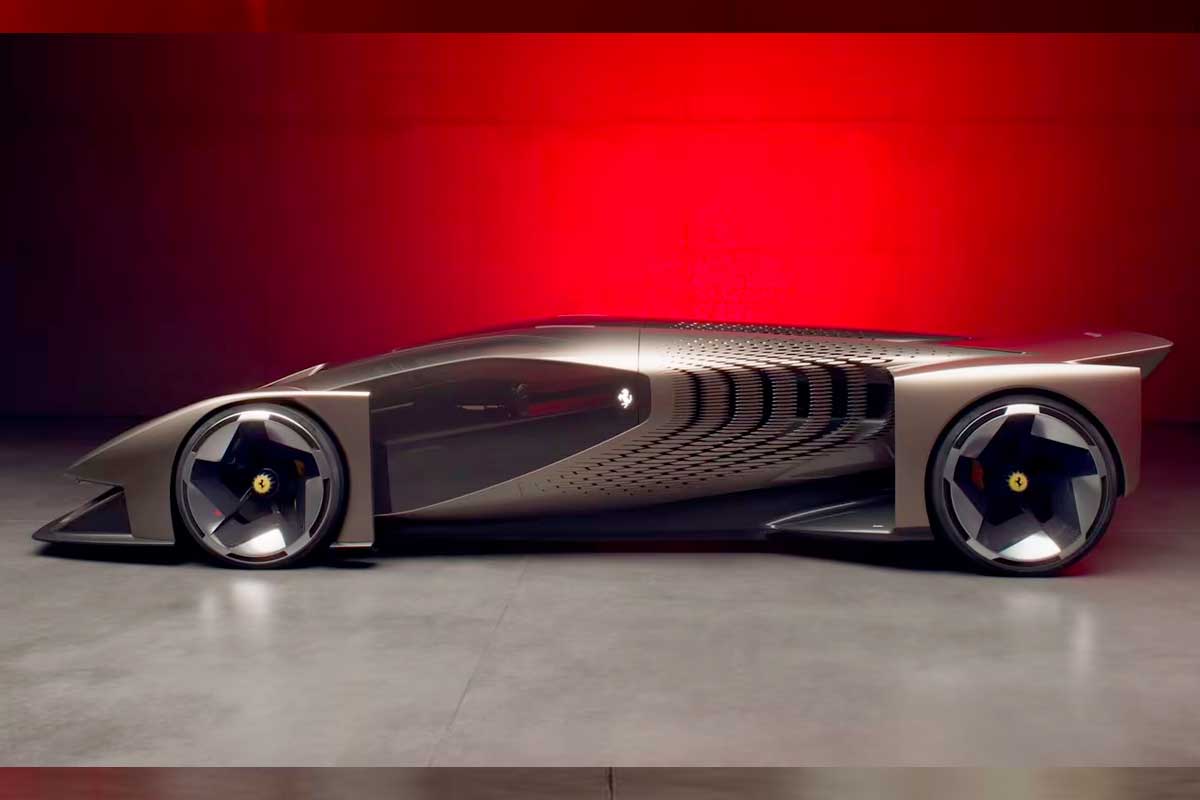
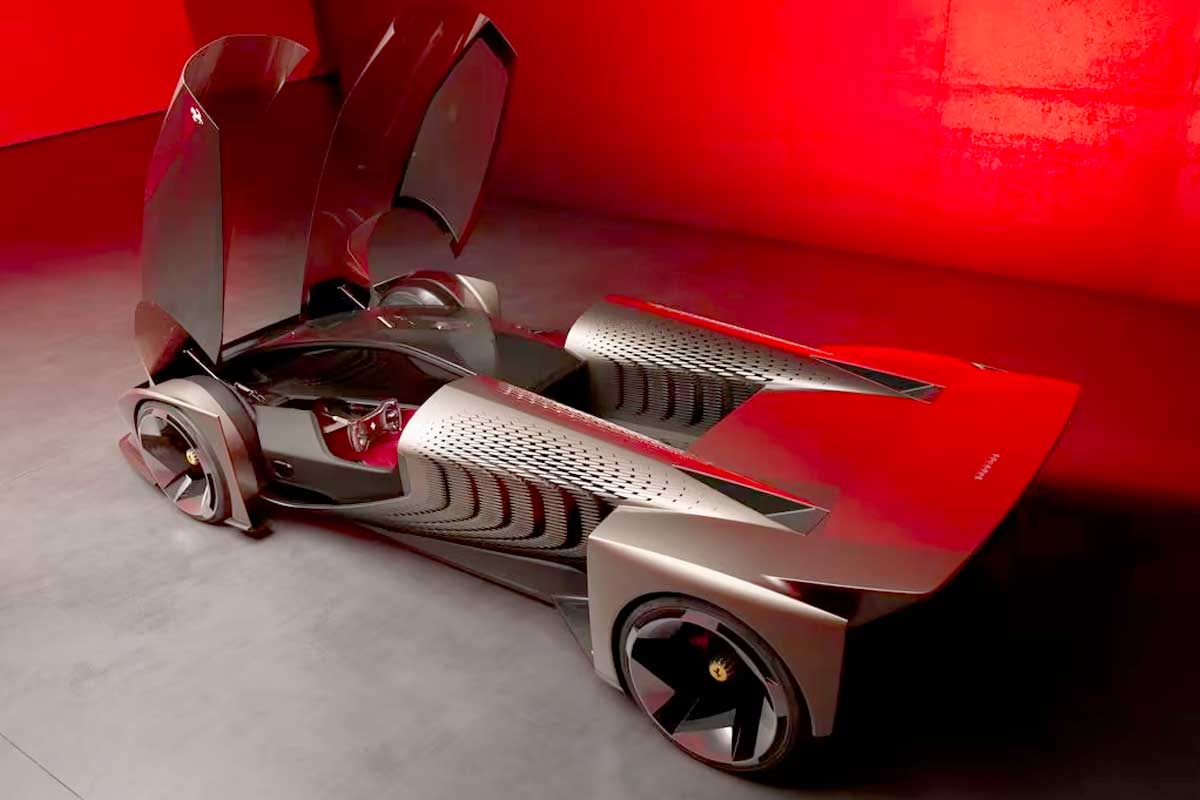
In terms of styling, the F76 is anything but a conceptual design. The Ferrari Style Center, headed by Flavio Manzoni, has come up with a hypercar with a radical design:
- double fuselage,
- central channel generating ground support,
- four-light floating fin,
- and computer-optimized biomimetic lines.
An impressive piece of work on paper, intended to foreshadow the styling language of future Ferraris. But the problem is, we'll never be able to drive it. Not in a video game, not in a simulator, not even in a museum. It has no engine, no chassis, no sound.
A project born of digital speculation?
It's hard not to think that this project was born more out of the crypto world than the racetrack world. After all, Ferrari recently accepted cryptocurrency payments for some of its wealthy customers' transactions. What if this F76 were, at heart, a marketing product designed for this new audience: collectors of NFT and virtual supercars?
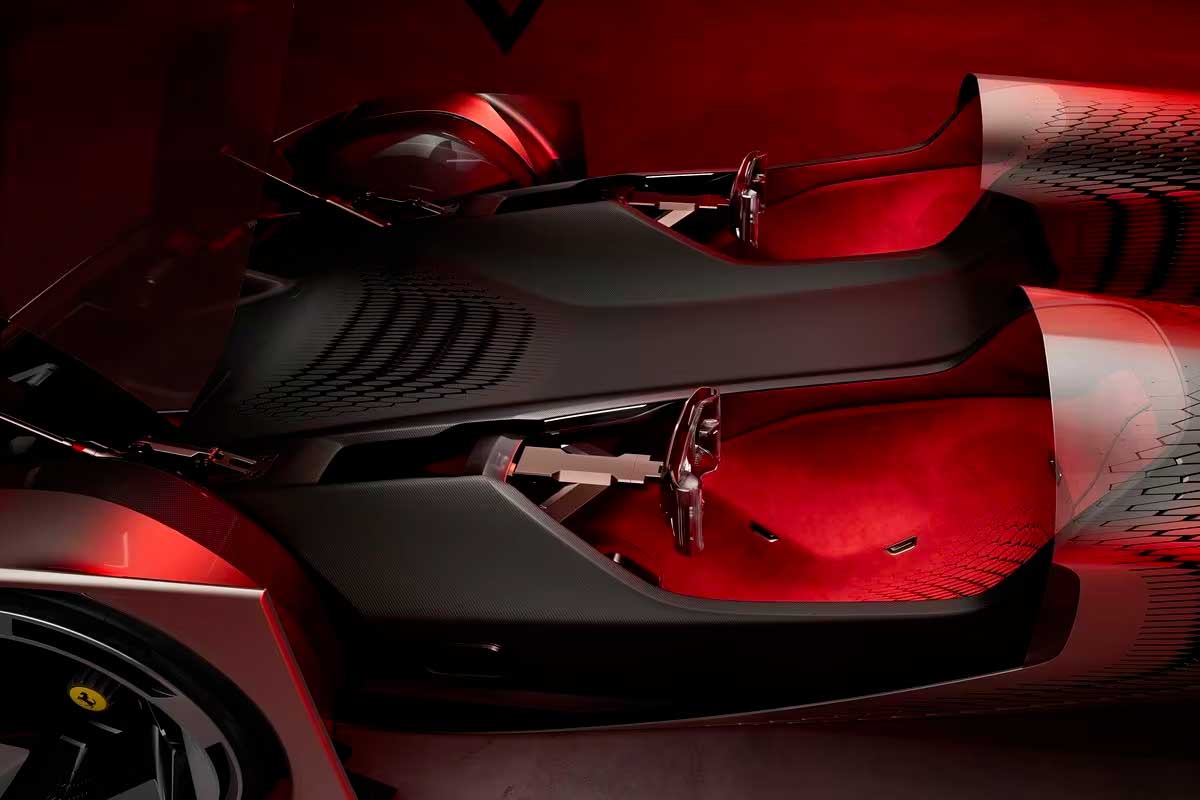
Ferrari presents the F76 as a "design manifesto", an artistic and technological exploration. That may be so. But in reality, this launch seems more like a marketing experiment disconnected from automotive passion, far from the roar of engines and the smell of petrol that make the tifosi's hearts beat faster. We can well imagine Ferrari collectors stunned by the announcement of such a model.
No V12, no performance, not even a video game to show it off. Just a press release, a YouTube video... and a lot of frustration. In short, a Ferrari F76 that will be as quickly forgotten as it was unveiled.

 English
  French
  Italian
  Spanish
  Portuguese
  German
  Japanese
  Turkish
  Dutch
Dutch
I've never understood the point of NFTs: you don't own a virtual object any more than you own a virtual car.
Apart from printing it out to put on your wall, otherwise this Ferrari is virtual, you get nothing at all in the end.
I prefer to collect my cars in Gran Turismo 7 8)
Che Obrobrio!! Sono fatte meglio le vetture dei lego e che blasfemia mettere la F davanti a un progetto puramente di fantasia; mettete anche gli unicorni dato che ci siete. Confermo meglio giocare a Gran Turismo, Forza Horizon e Burnout Paradise
It's been said that Ferraris, at least the most desirable ones, are rolling works of art. The styling department has taken the expression and created a work of art and anticipation.
I can hear the cries of outrage from here. But how can an NFT not be a work of art? It's just a digital image.
But behind the digital format lies a unique creative process.
If this 'controversial' F76 had been presented as a painting, or had been introduced on Gran Turismo, would there have been so many negative preconceptions?