

Ferrari is about to enter a new era. On May 25, the Maranello-based brand will finally lift the veil on its very first 100 % electric car, the Ferrari Luce. But as the deadline approaches, the revelations become more and more surprising.
The latest? Ferrari called in NASA. Yes, the American space agency. And the reason is as fascinating as it is unexpected: the extreme speed of the future supercar could literally disrupt the human brain.
Acceleration too brutal for the human body
Ferrari has been releasing information about the Luce for several weeks now. We already knew that this first electric would be extremely efficient. But the latest statements from its CEO, Benedetto Vigna, give the project a whole new dimension.
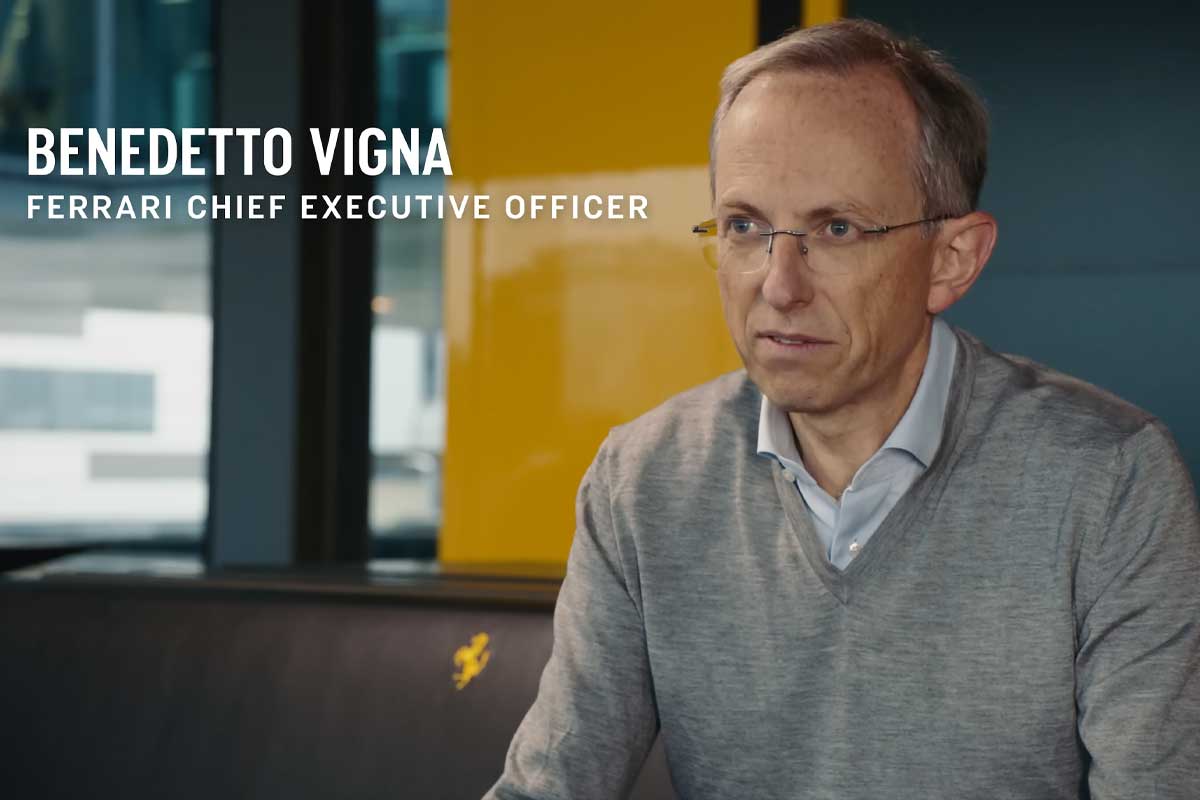
According to him, the Ferrari Luce's acceleration is so violent that it can become difficult for passengers to bear. So much so, that Ferrari called on NASA experts to understand the effects of such acceleration on the human body. The objective was clear: to determine at what threshold acceleration becomes disturbing, even uncomfortable. Unlike a racing car, the Luce is not designed for the track, but for road use. Ferrari therefore had to strike an unprecedented balance: offering performance worthy of a hypercar, while guaranteeing a controlled driving experience.
«Acceleration can be too linear and sometimes too strong, to the point of disturbing our brains.» explains Benedetto Vigna. «We worked with medical centers and NASA to understand at what level it becomes uncomfortable for passengers.»
An electric Ferrari with hypercar performance
This issue becomes all the more relevant when we look at the figures already announced. The Ferrari Luce is said to be capable of sprinting from 0 to 100 km/h in just 2.5 seconds and reaching a top speed of 310 km/h. This performance immediately places it among the most extreme models in the range.
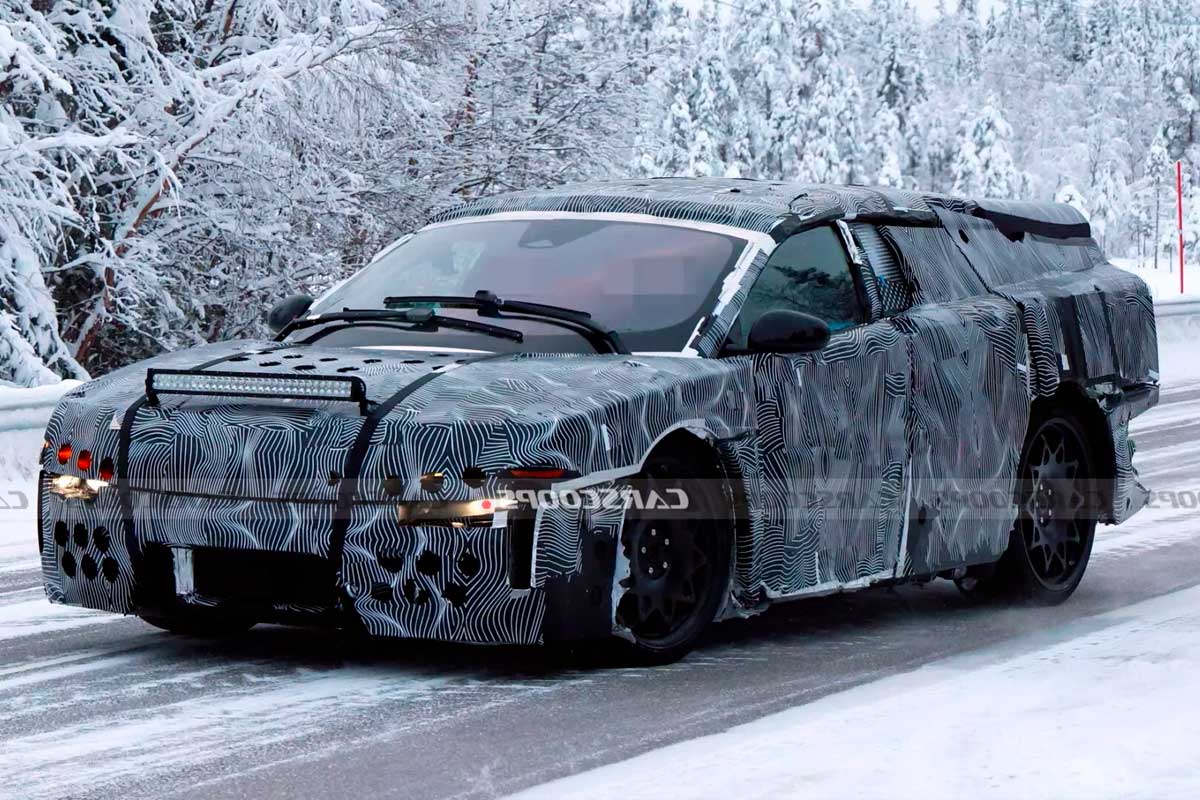
These results owe nothing to chance. The electric motor offers a decisive advantage: maximum torque available instantly. Unlike an internal combustion engine, there's no ramping up. Acceleration is immediate, linear... and particularly brutal.
It's precisely this immediacy that poses an unprecedented challenge. Where a thermal Ferrari “revs up”, the Luce delivers all its power in a fraction of a second. A potentially unsettling sensation.
Unprecedented collaboration with NASA
This is where NASA's involvement comes into its own. Used to studying the effects of G-forces on astronauts, the American agency's experts have unique expertise. They helped Ferrari to better understand how the human body reacts to extreme accelerations, and above all how to make them more bearable in everyday life.
Behind this collaboration lies a key challenge for Ferrari: preserving emotion without sacrificing comfort. The Luce must not simply be fast. It has to be fun to drive, even at very high performance.
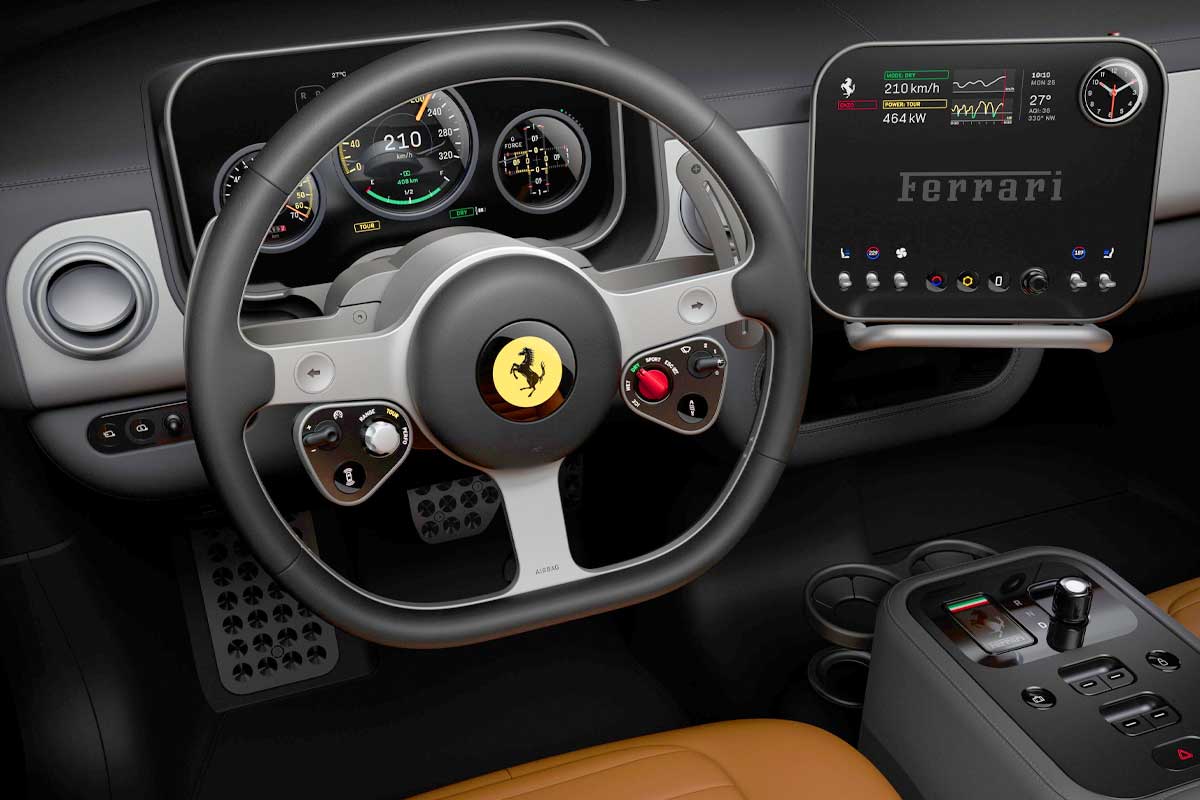
Ferrari has no intention of denying its DNA. Quite the contrary, in fact. The brand is actively working on the emotional experience of this first electric car. The interior, designed by former Apple icon Jony Ive, includes steering wheel paddles that simulate gear changes, just like on a combustion engine.
When it comes to sound, Ferrari has made a radical choice: there's no question of artificially imitating a combustion engine. The brand prefers to amplify the real sound of electric motors, playing on different frequencies to create a unique sound signature that is both immersive and non-aggressive.
With the Luce, Ferrari doesn't just go electric. It redefines the limits of automotive performance. Featuring 800-volt architecture, a 122 kWh battery and a claimed range of around 500 km, the future supercar combines cutting-edge technology with lofty ambitions.
But beyond the figures, it is above all the philosophy that is evolving. Ferrari is entering a phase where pure performance must now coexist with unprecedented human constraints. Yes, for the first time in its history, Ferrari is not just looking to go faster. It must also ensure that our brains can keep up.
 English
  French
  Italian
  Spanish
  Portuguese
  German
  Japanese
  Turkish
  Dutch
Dutch