

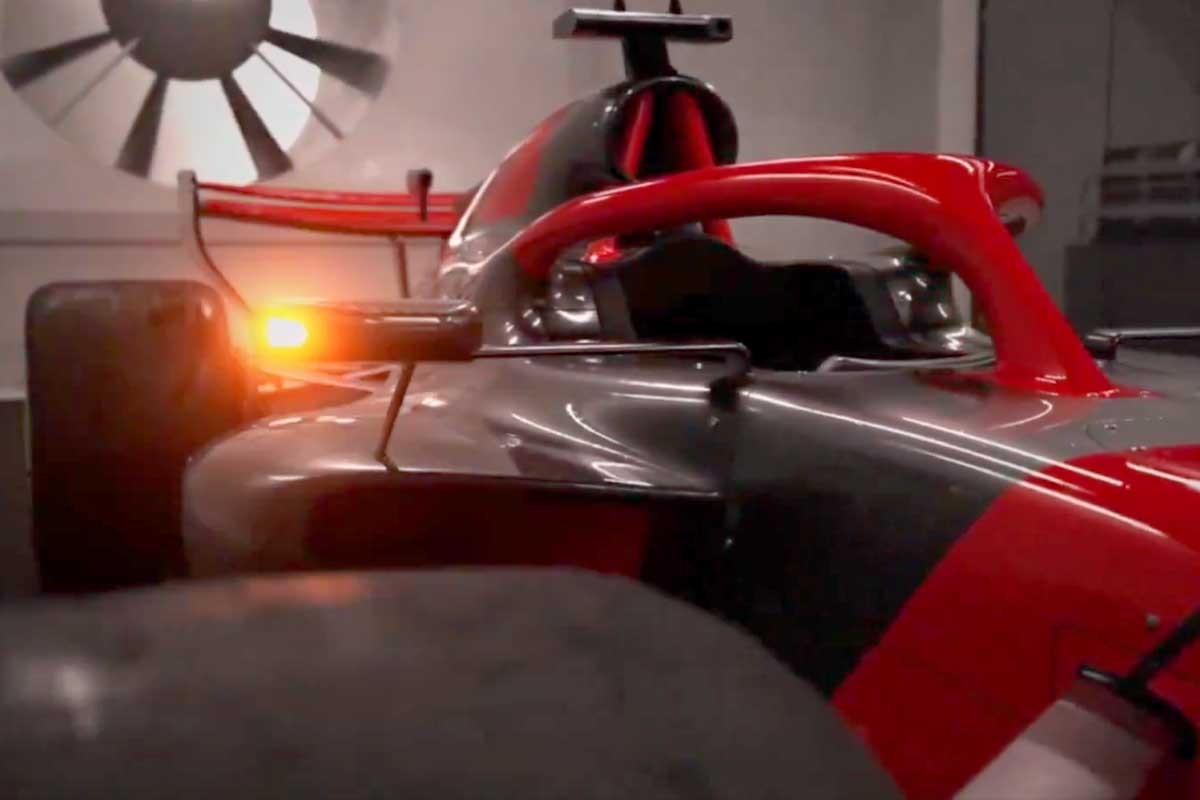
Over the past few days, the Formula 1 is largely dominated by a hot topic: the 2026 engines. Between questions about the technical tip lent to Mercedes and the crucial meeting announced with the FIA and all the engine manufacturers In the coming days, the debate will focus almost exclusively on performance, the balance of power and the show to come. In this very "engine" oriented context, another fundamental aspect of the 2026 regulations has slipped more discreetly under the radar: safety. And among the most visible - and surprising - new features is the introduction of integrated turn signals on single-seaters.
Technical and regulatory revolution
The 2026 generation of Formula 1 marks a profound turning point for the discipline. Single-seaters will be smaller, lighter, with a significantly increased share of electric power and the use of CO₂-neutral fuel. DRS will disappear, replaced by active aerodynamic elements at the front and rear, capable of opening up on the straights. But behind this technical revolution designed to improve the show, the FIA has also taken advantage of this major regulatory overhaul to further tighten safety standards, as it does at every change of cycle.
Turn signals
It's probably the most surprising new feature for the general public: the 2026 Formula 1 cars will be equipped with flashing lights integrated into the rear-view mirrors. Their purpose has nothing to do with lane changes or on-track maneuvers. They are actually warning lights, designed to improve visibility when a car is stationary or in difficulty.
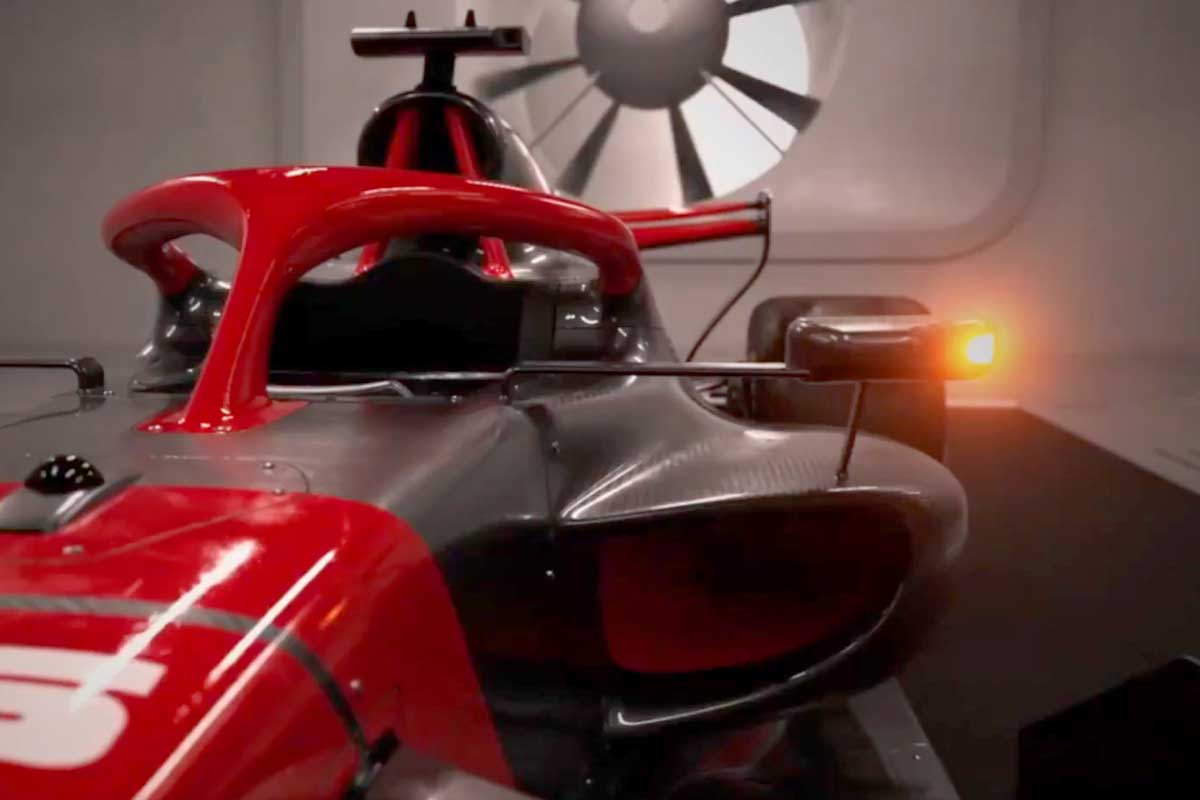
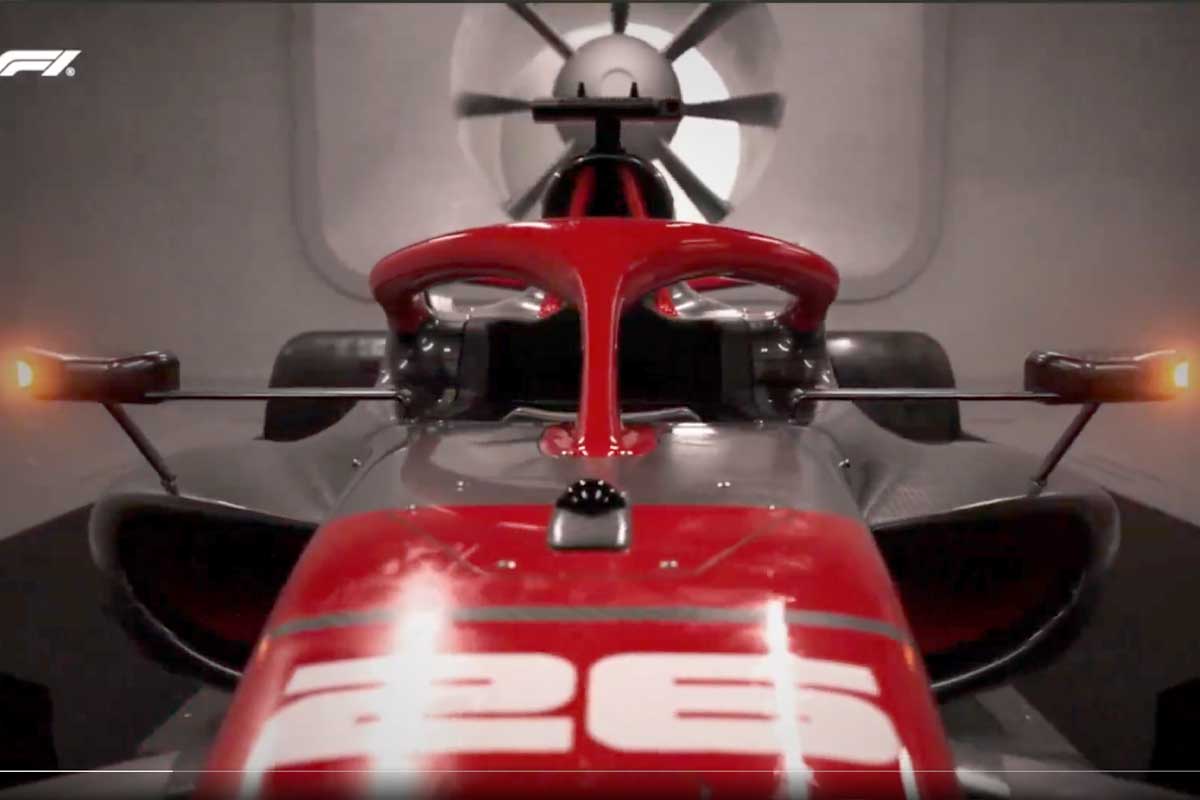
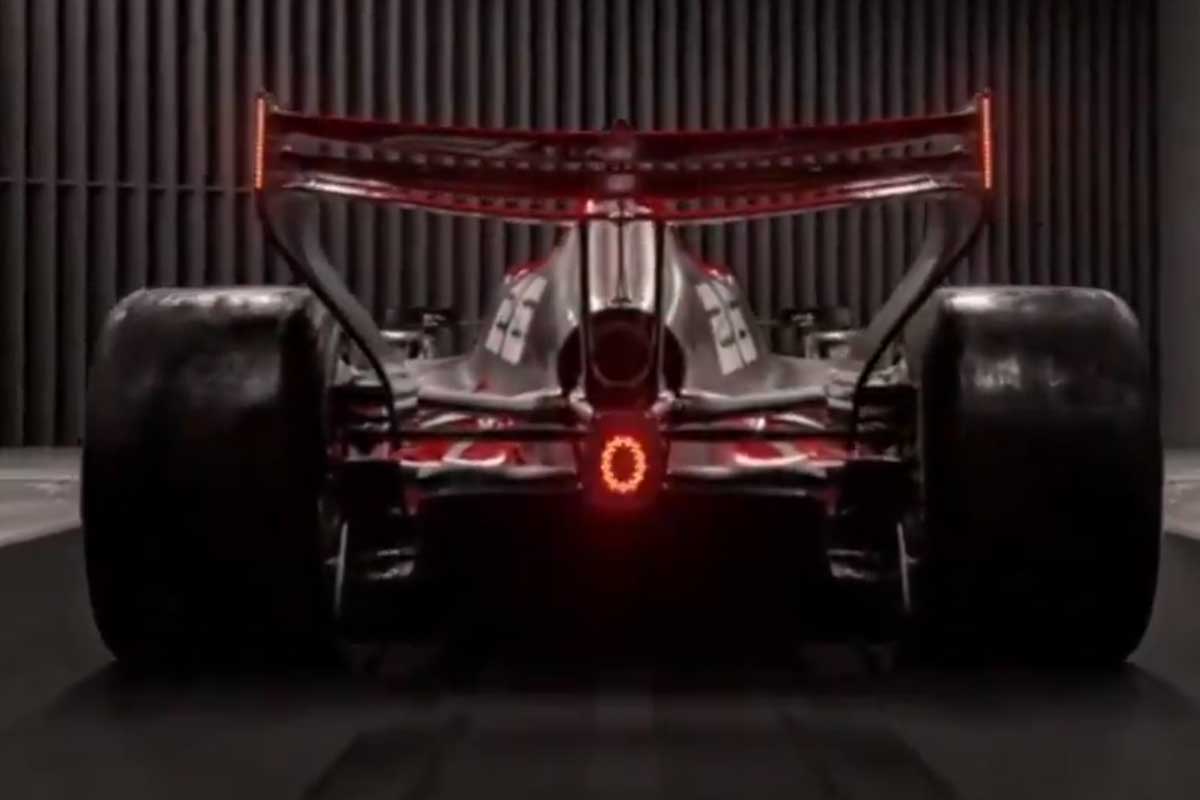
When spinning, after an accident, behind a bump or in low-visibility conditions (rain, smoke, night racing) a stopped single-seater can become extremely difficult to spot. These new flashing lights will give an earlier warning to oncoming drivers, reducing the risk of secondary collisions, which are often among the most violent. These lights complement an existing system: the lights on the rear wing, which indicate the state of electrical charge, and those integrated into the rear structure, which flash permanently in the rain.
Even greater protection against the most violent accidents
Visibility is just one aspect of the overall improvement in safety. The FIA has also increased crash-test requirements, particularly for the survival cell. Emphasis has been placed on side impacts, to better protect drivers in the dreaded "T-accidents", when a car is hit perpendicularly after coming to rest across the track. The rollover protection system has also been upgraded. The roll bar, already reinforced in recent years, is now even stronger. According to official data, it can now support 23 % of additional load when the car is resting on its roof. Combined with the halo, it continues to reduce one of the historic weaknesses of open-cockpit single-seaters. At the front, the structure adopts a two-stage design. In the event of a moderate impact, the nose absorbs the energy. In the event of a more severe impact, a second, more rearward deformation zone comes into play to limit the forces transmitted to the driver as much as possible.
Greater safety... despite reduced weight
These improvements have an obvious technical cost: stronger structures mean, in theory, more weight. However, the 2026 regulations impose a significant reduction in minimum weight, from 800 to 768 kg, at the same time as batteries are becoming more voluminous. For engineers, the equation is therefore particularly complex. They have to integrate greater safety, more electrification and active systems, while tracking down the smallest superfluous gram. A major challenge that will have a profound influence on single-seater design.
 English
  French
  Italian
  Spanish
  Portuguese
  German
  Japanese
  Turkish
  Dutch
Dutch
¿Y por qué no una baliza V16? ¡Ay no! Que no se ve ni de noche...
Blinkers are for bad drivers like Lance Stroll and for rookies 😃
対向車からの視認って。
180度回転して停止しないと対向車は発生しないし、その場合リアのランプは見えないけど。
後続車の間違いじゃないかな。
原文は外国語で翻訳ミス?