

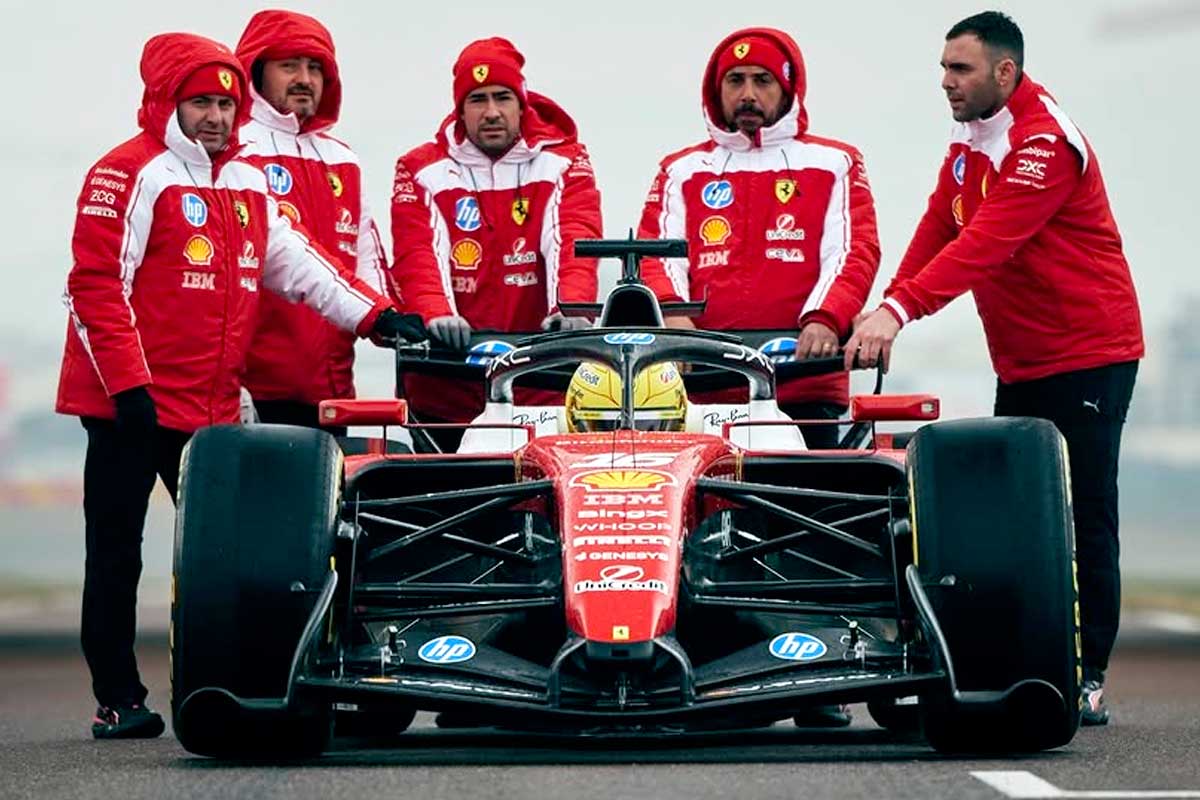
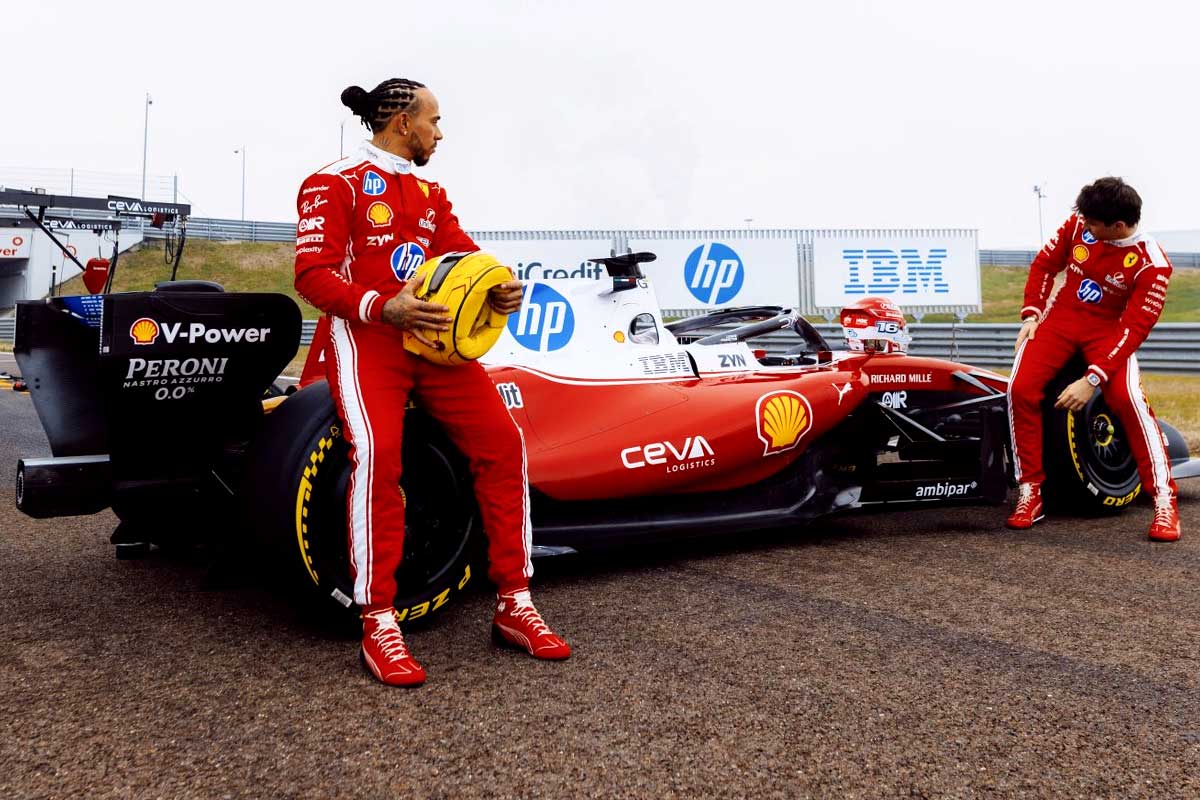
The first appearance of the Ferrari SF-26 on the Fiorano racetrack immediately set tongues wagging. Just a few months away from the major regulatory upheaval of the Formula 1 in 2026, many wanted to see in this red single-seater the future definitive weapon of Lewis Hamilton and Charles Leclerc. However, the message from Maranello is clear: this SF-26 is not yet the "real" Ferrari of 2026. What the public discovered during the shakedown is merely a starting point, a deliberately cautious technical base, far from the aggressive version that the Scuderia Ferrari has in mind for the launch of the championship.
A SF-26 validation
The single-seater seen at Fiorano is first and foremost a rolling laboratory. Ferrari is not yet looking for pure performance, but for an overall understanding of the new regulations. Architecture, reliability, chassis behavior and interaction with the new technical systems are the main priorities. Loïc Serra, technical director in charge of the chassis, was keen to dispel any hasty interpretations. For him, there is no SF-26 "A" followed by a hypothetical "B". The project is based on continuous development, with no clear break between two versions. The current car serves to validate fundamental structural choices, which are essential before any increase in aerodynamic aggressiveness.
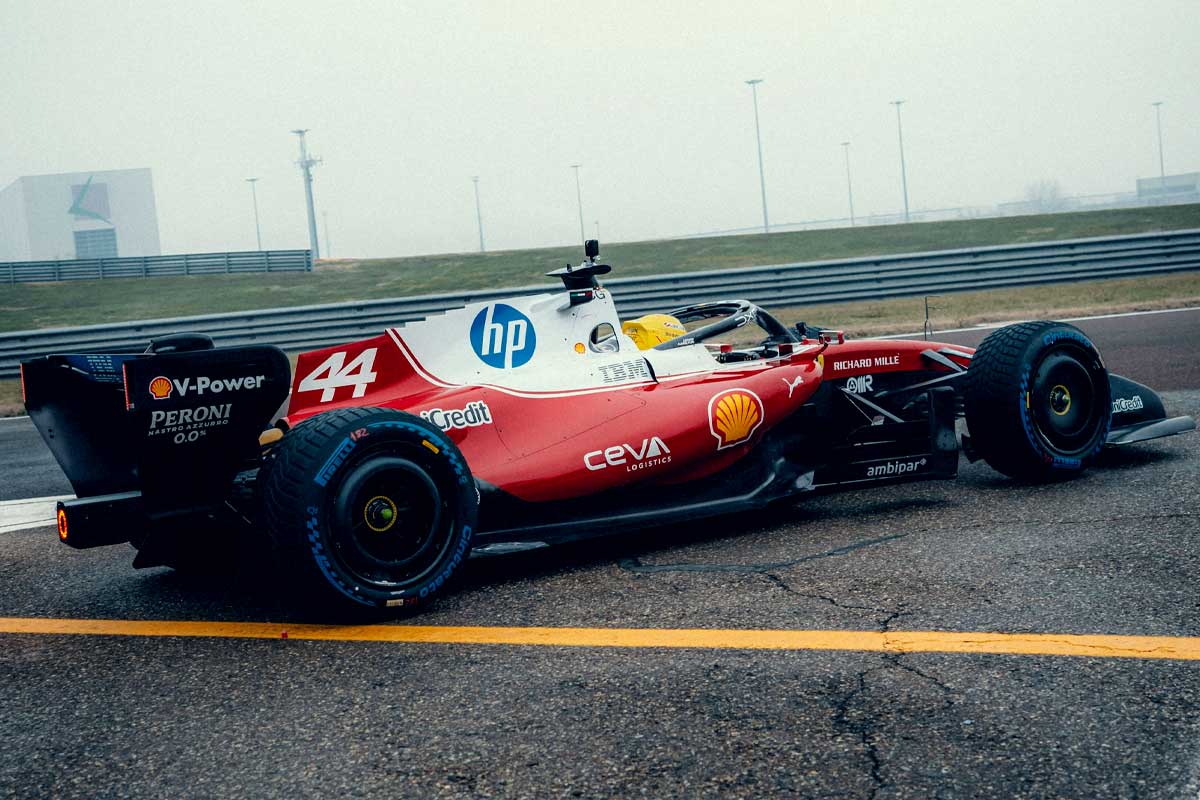
This choice is shared by management. As Frédéric Vasseur pointed out, the most important thing at the start of a regulatory cycle is to accumulate reliable data. The SF-26 is therefore neither incomplete nor limited by a lack of ambition, but designed to withstand kilometers without unpleasant surprises. With this in mind, Ferrari has even postponed certain tests in order to maximize in-house preparation time.
The more aggressive version is coming... but only after FIA approval
According to several sources, including Autoracer, Ferrari already has some far more daring solutions in store. Active aerodynamics, more extreme body elements and advanced interpretations of the regulations are among the avenues being explored. But these evolutions will only be integrated once the regulations have been validated. Maranello is awaiting clarification from the FIA on several sensitive parts. This green light will condition the arrival of what can be considered the "real" SF-26, the one that will fully exploit the limits of the new technical framework. It will not, however, be a SF-26 "B", but an in-depth update, consistent with the philosophy of continuous development championed by Ferrari since the beginning of the project.
Bringing our drone to the party 🤩 pic.twitter.com/ZKFhrNhMpx
- Scuderia Ferrari HP (@ScuderiaFerrari) January 23, 2026
Barcelona, the first stop on the long road to Melbourne
The Barcelona tests will mark a key stage in this process. Ferrari will methodically alternate its two drivers, with Leclerc and Hamilton sharing the wheel over the three days of testing. The aim is not to set benchmark times, but to multiply scenarios, compare data and refine correlations between track and simulation. In short, the SF-26 seen at Fiorano should not be seen as a finished product. It is the cornerstone of a much more ambitious project, which will continue to evolve over the coming weeks. The Ferrari that Hamilton and Leclerc will be driving at the first Grand Prix of 2026 will already be significantly different from the one seen at the shakedown.
 English
  French
  Italian
  Spanish
  Portuguese
  German
  Japanese
  Turkish
  Dutch
Dutch