

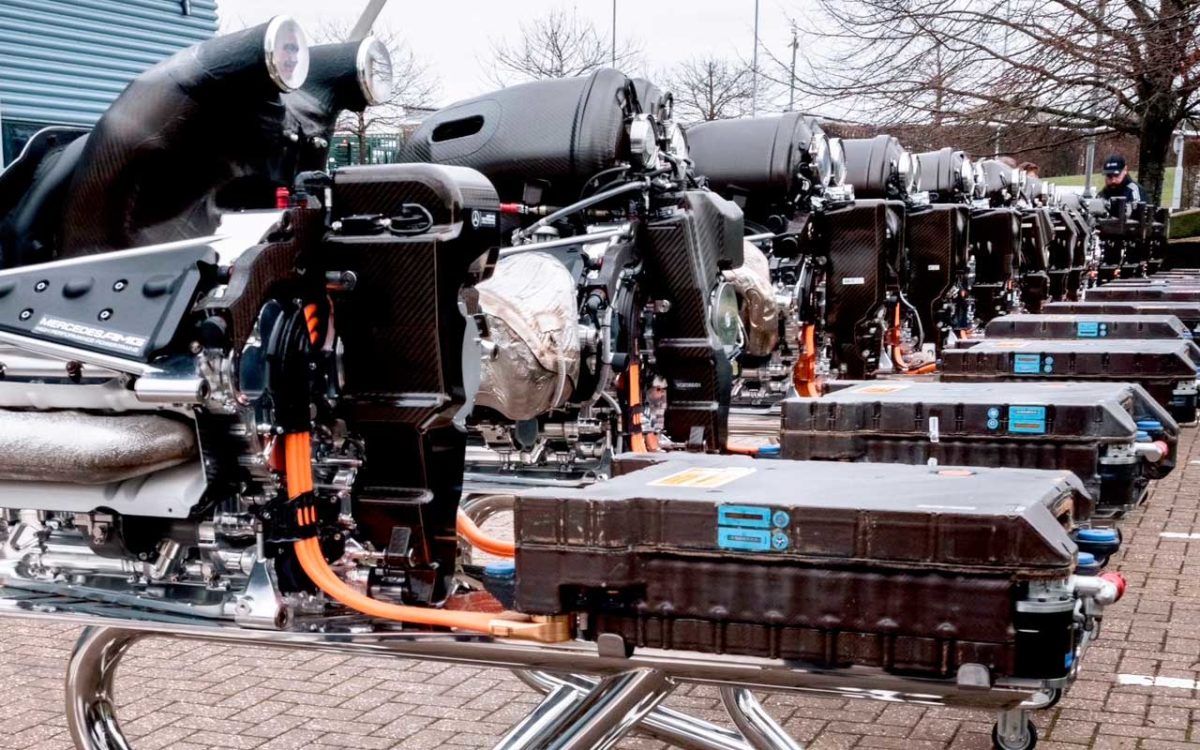
While the Formula 1 As the world of motor racing prepares to embark on one of the greatest technical revolutions in its modern history, the battle over the 2026 engine regulations is no longer just being waged in the design offices. It is also being played out in communications, interpretations and, from now on, in the media narrative. After several days of controversy surrounding a potential advantage for the Mercedes engine, a key player in the paddock has just thrown a spanner in the works: according to James Vowles, this story was deliberately constructed by a rival with the aim of influencing the FIA.
A technical advantage turned political affair
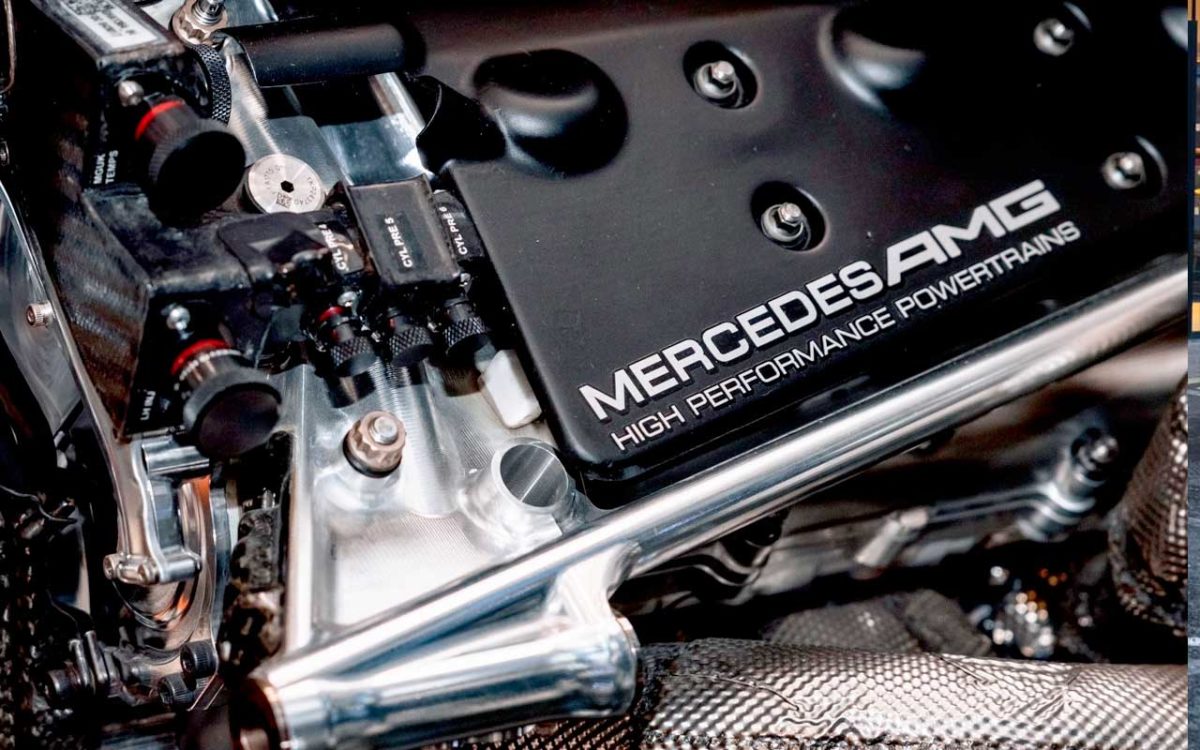
For several days now, controversy has been swirling around a technical solution that exploits the thermal expansion of internal components in 2026 engines. Developed by Mercedes and taken up by Red Bull Powertrains, this interpretation would enable the regulatory compression ratio limit of 16:1 to be respected during static testing, while benefiting from a higher ratio once the engine is up to temperature on the track. Ferrari, Audi and Honda immediately reacted by writing to the FIA.It was feared that such an advantage would freeze the hierarchy from the very start of the new regulatory era. In the end, the Federation decided: as long as the engine passes the official cold test, it is considered legal. A decision which, for many, seemed to formalize Mercedes' structural lead even before the first Grand Prix in 2026.
James Vowles dismantles the Mercedes advantage "narrative
It's precisely this reading that James Vowles, Williams team principal and Mercedes' engine partner, disputes head-on. Interviewed by RacingNews365, the former Brackley strategist played down any certainty surrounding the future engine hierarchy, going so far as to suggest a deliberate manoeuvre on the part of a competitor. In his view, the idea that Mercedes already had the engine to beat was far from being based on fact. Worse still, it would have been knowingly fuelled by a rival manufacturer with the aim of obtaining late adjustments to the regulations. A classic Formula 1 pressure tactic.
Vowles insists that no engine manufacturer really knows where it will stand in 2026. Ferrari, he says, remains extremely competitive in its ability to interpret the regulations, while Honda has delivered a reference power unit in 2025. In his eyes, the scenario of a tidal wave comparable to that of 2014 is highly unlikely. By accusing a rival of "creating a narrative", James Vowles calls into question the very temporality of the controversy. For if Mercedes has been exchanging views with the FIA for months on the development of its 2026 engine, why did this concern only emerge publicly as the final validation of the power units approached?
2026: a season already underway behind the scenes
But the damage has already been done. Whether the Mercedes advantage is real, exaggerated or instrumentalized, doubt has set in. Ferrari, Audi and Honda now know that they can't count on a reinterpretation of the regulations to make up any shortfall. For its part, Mercedes has to deal with media pressure that is eerily reminiscent of 2014, when its technical dominance triggered years of frustration among its rivals. If any rival has really tried to "create a narrative" around the advantage of the Mercedes engine, then the 2026 season merely confirms an immutable rule of modern F1. The battle always begins long before the lights go out.
 English
  French
  Italian
  Spanish
  Portuguese
  German
  Japanese
  Turkish
  Dutch
Dutch
E chi sarebbe questo "un rivale"? Io non vedo nomi specifici quindi stiamo parlando di aria fritta
Basta procedere per eliminazione.