

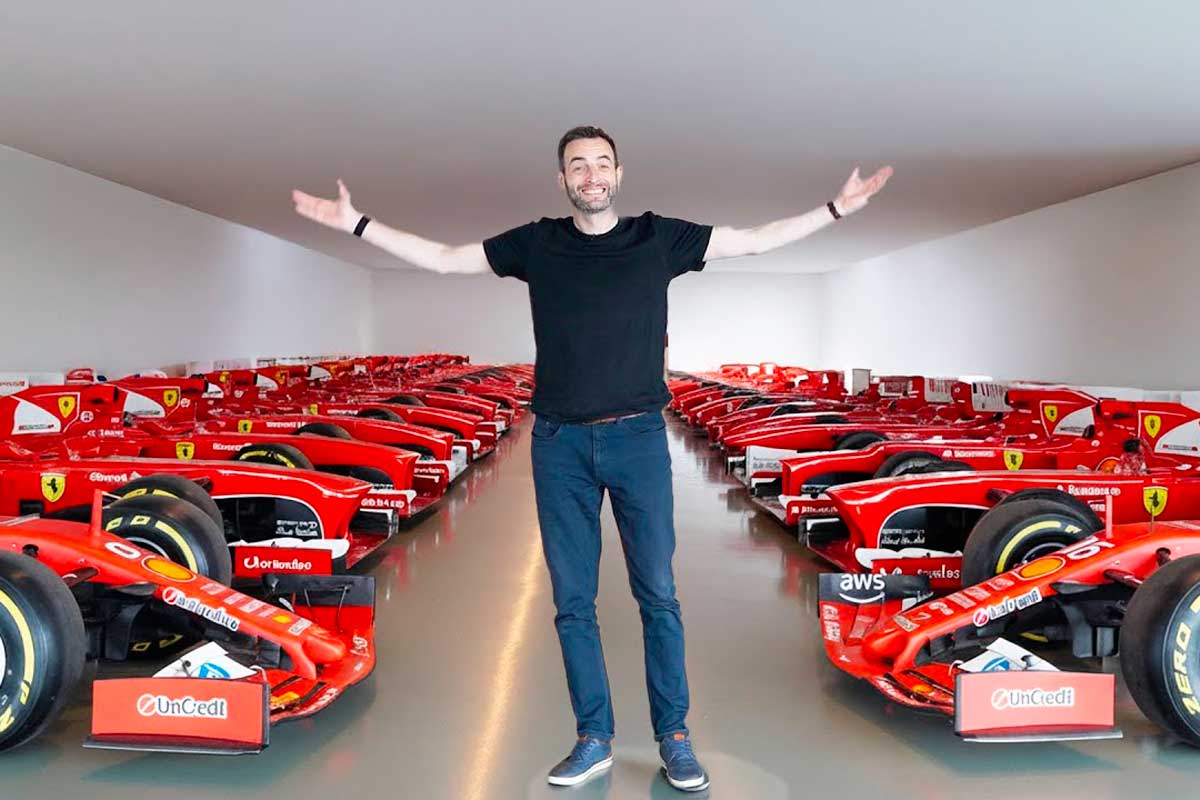
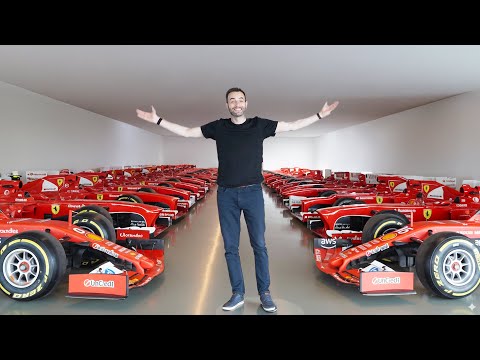
There's a place in Fiorano that few enthusiasts are aware of. A huge, discreet space, almost invisible from the outside, which houses one of the world's largest collections of single-seaters. Formula 1 the most impressive ever assembled. Around a hundred F1 Ferraris, spanning more than fifty years of history, are carefully preserved here. Their cumulative value? Probably several hundred million dollars. A youtuber, Driver61, recently had the rare privilege of entering the museum. His mission was clear: to find one car in particular, the legendary F2004. But before he could get his hands on it, he had to walk through a veritable living museum of racing.
The Ferrari Corse Clienti sanctuary
This “bunker” is none other than the Ferrari Corse Clienti department, located in Fiorano. This is the world's most exclusive customer program. Here, wealthy collectors can not only buy old F1 Ferraris, but also drive them, under the supervision of the brand's engineers.
As Federica Santoro, head of the F1 Clienti and XX programs, explains, all the cars on display in this hangar belong to private customers. Ferrari stores, maintains and prepares them for events. One fundamental detail sets Ferrari apart from other teams: the brand is the only one in the history of F1 to have always designed both chassis and engine. As a result, it possesses a complete technical archive for each of its single-seaters, enabling it to restore them and keep them running, even decades later.
But running an F1 car from the 1990s or 2000s is no easy task. These cars use software and electronic systems designed for computers that no longer exist. Each single-seater requires its own hardware, its own parts, its own procedures. It's an ongoing technical feat.
From the 70s to the hybrid era: 50 years of evolution
The tour begins with an icon: the Ferrari 312T3, driven at the time by Gilles Villeneuve. Narrow cockpit, five-speed manual gearbox... This is the era of pure mechanics. No electronics, no assistance, just courage and talent.
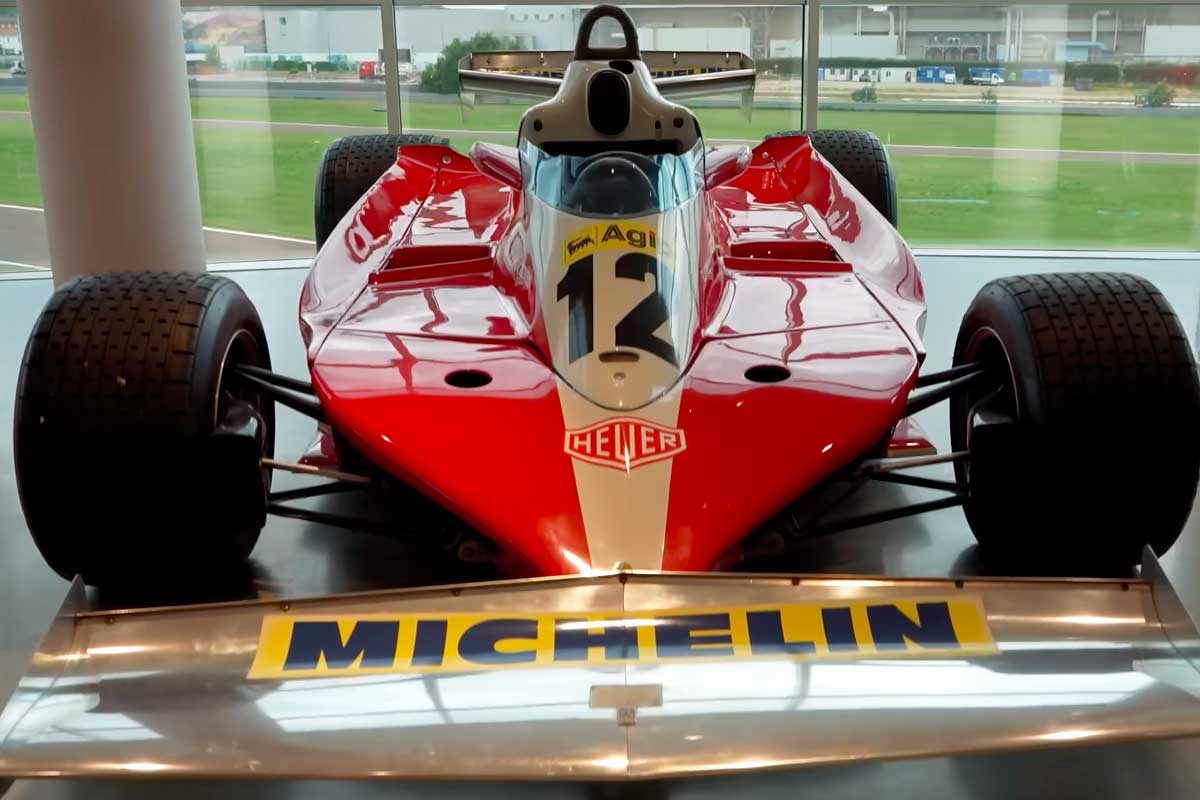
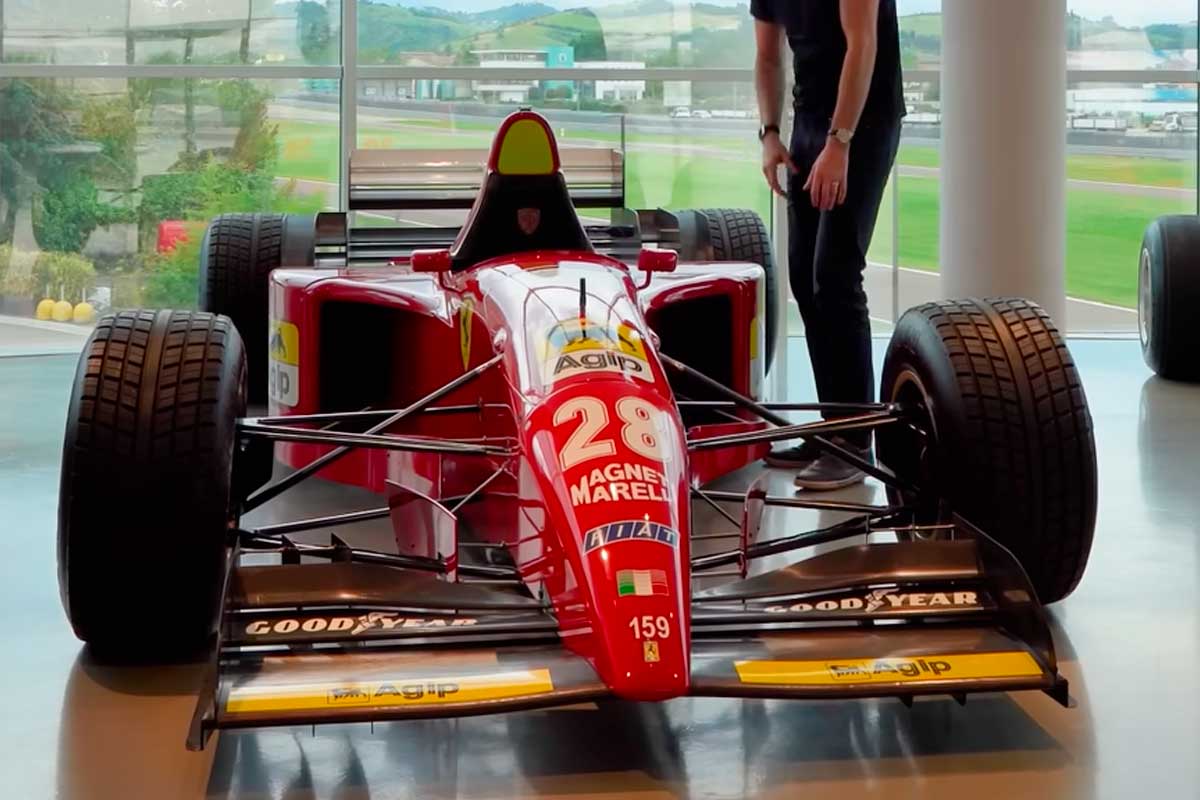
As we move forward in time, the evolution is obvious. The 1995 412 T2 marks the end of Ferrari's legendary V12 engine. Its howl remains engraved in the memory of those who heard it. But in 1996, the regulations imposed the 3-liter V10.
Then came the golden age: the Michael Schumacher era. The F2003-GA embodied Ferrari's absolute domination in the early 2000s. 900 horsepower, traction control, ever finer aerodynamics. Schumacher won his sixth world title, beating a 46-year-old record.
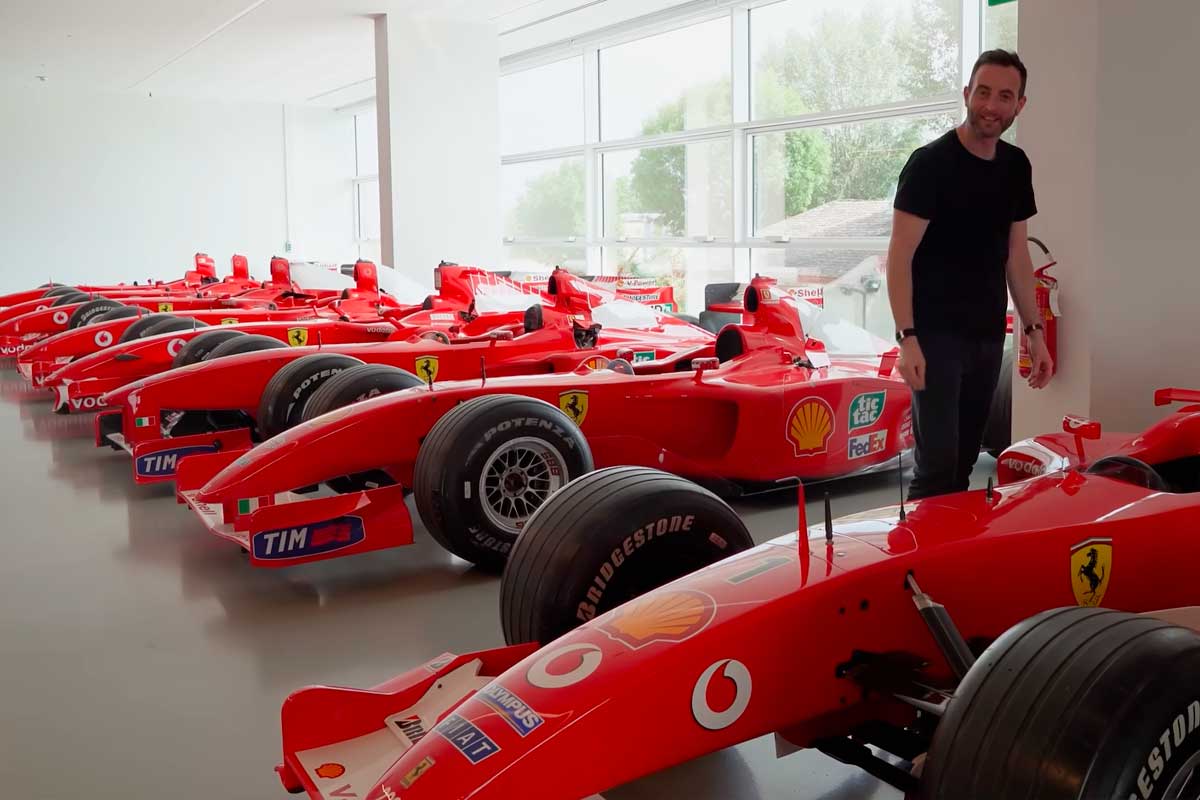
A little further away sits the Ferrari of 2007, the one that gave Kimi Räikkönen the Scuderia's last drivers' title to date, won by a single point from Lewis Hamilton in a memorable final at Interlagos.
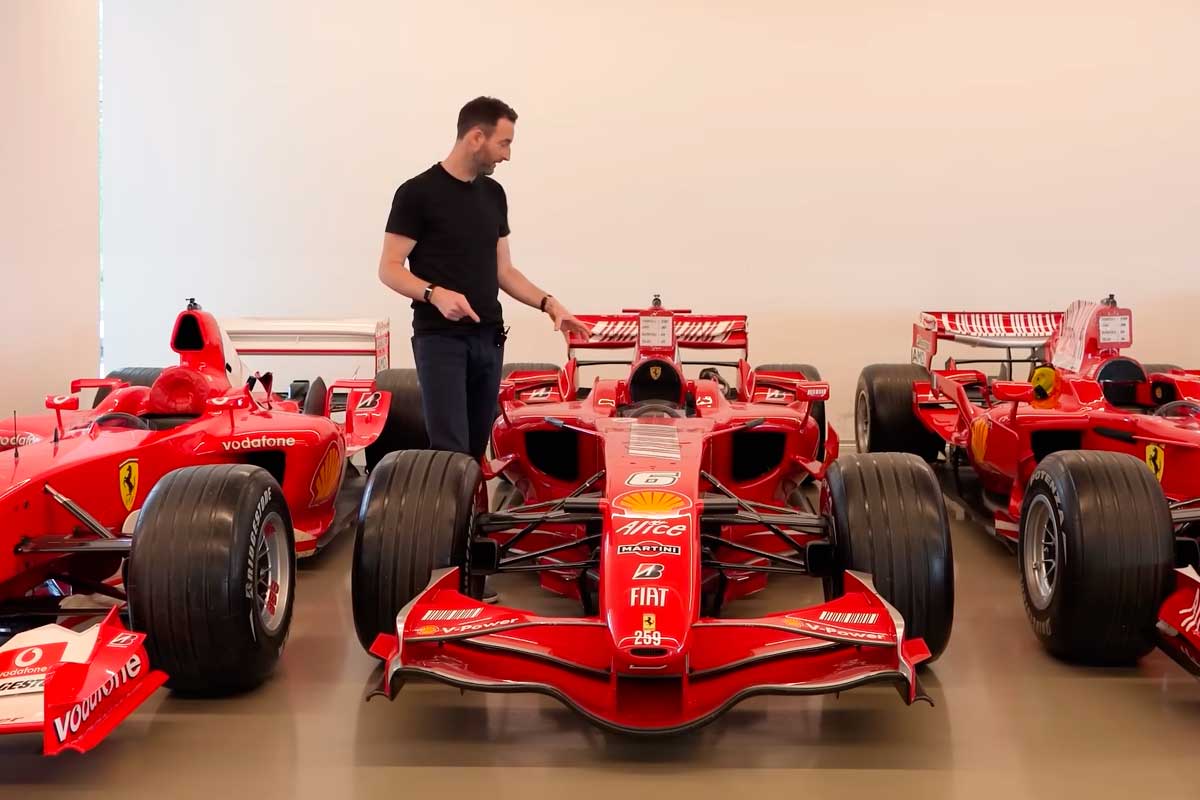
Each generation reflects a regulatory cycle: relatively simple beginnings, then extreme complexity over the seasons. The single-seaters of 2018, like the SF71H, display an almost artistic aerodynamic sophistication: multi-element fins, sculpted deflectors, surfaces worked to the millimeter. Budgets, CFD simulations and wind tunnels have transformed these cars into rolling sculptures.
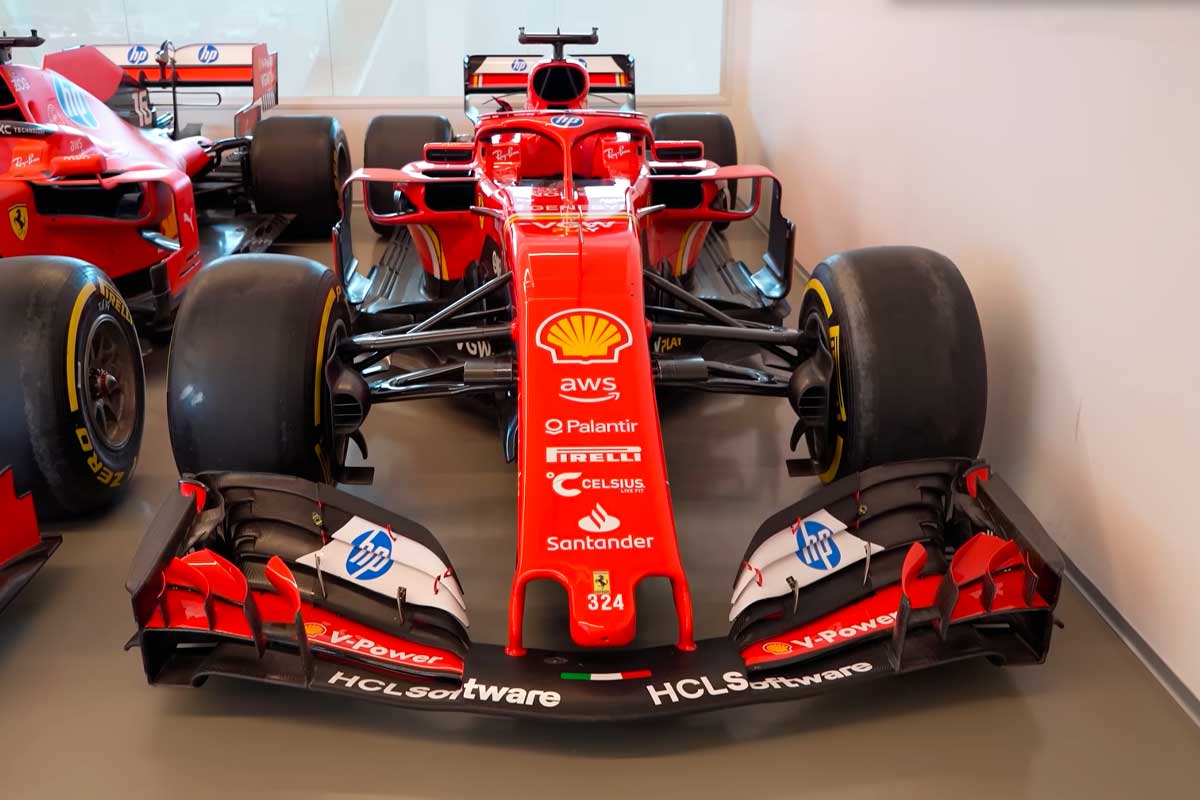
In 2022, a new upheaval: return to ground effect, simplified wings, wider tires, more massive proportions. Placed side by side, the generations reveal just how much Formula 1 has changed visually and technically.
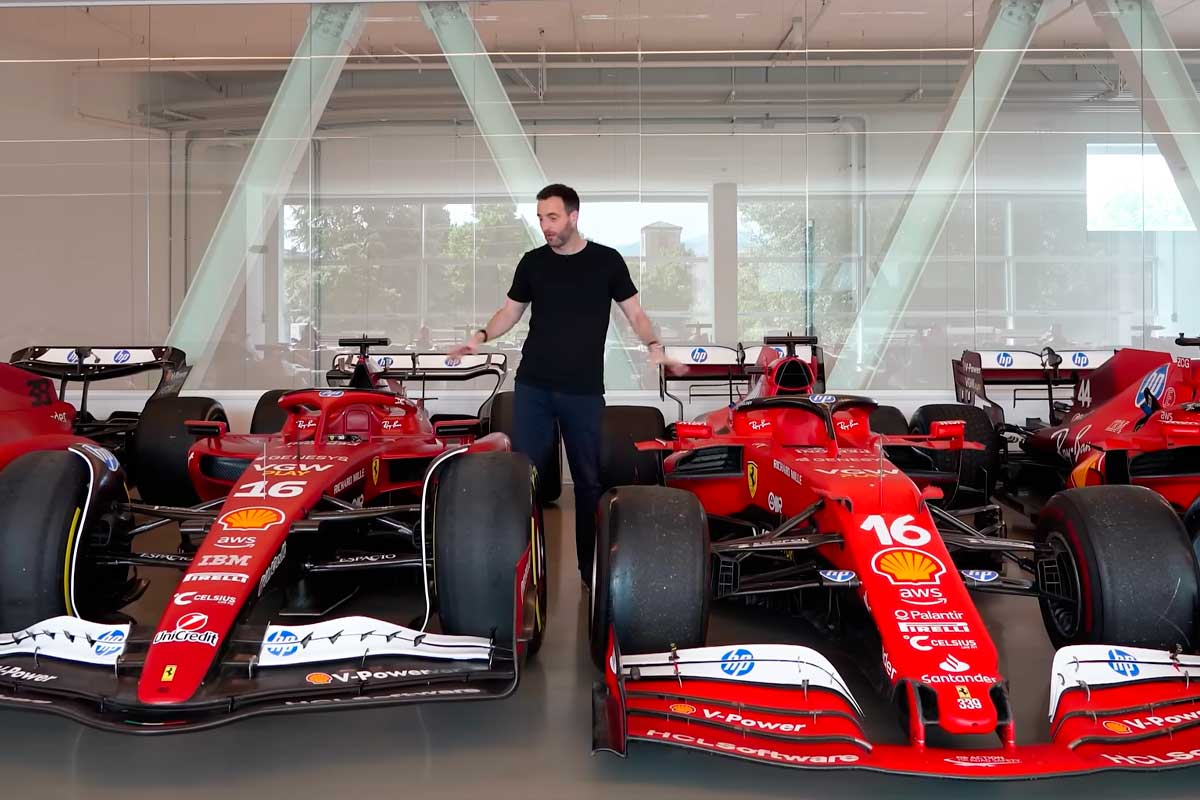
The quest for the F2004
Despite this fascinating dive into five decades of racing, the F2004 is nowhere to be found in the main hangar. And for good reason: it's in the workshop, being rebuilt. The F2004 is no ordinary Ferrari. For many, it represents the absolute pinnacle of the V10 era. A machine of formidable efficiency, holding records that stood for almost twenty years before being beaten in the hybrid era. Its naturally-aspirated V10, exceptional reliability and performance make it one of the most accomplished F1 cars ever built.
Against all odds, Ferrari exceptionally opens the doors of the workshop. A rare privilege. There, between various single-seaters undergoing maintenance, the F2004 finally appears. Undressed, under reconstruction, but as fascinating as ever.
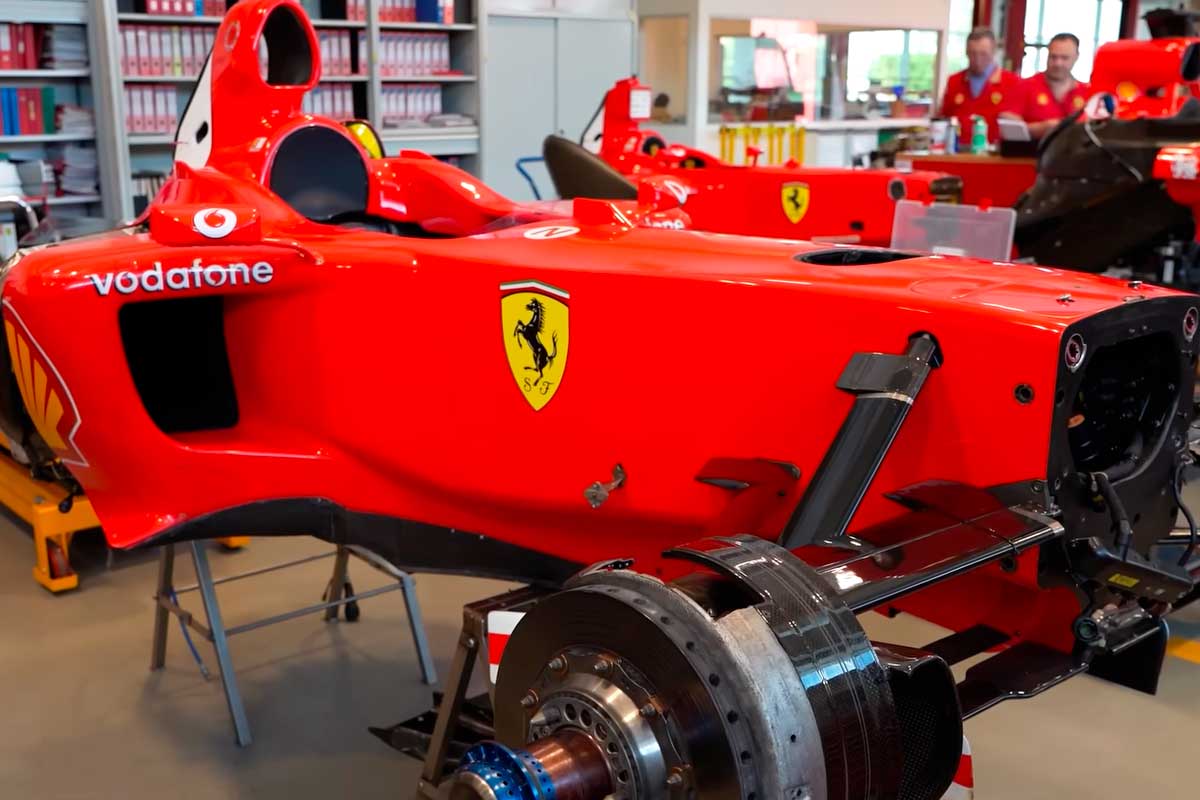
So this “bunker” is not just a static collection. It's a nerve center where history lives on. Every car can take to the track again, every engine can roar to life. Beyond the millions of dollars they represent, these single-seaters tell the story of Formula 1's technological evolution, dramas, triumphs and regulatory revolutions. And thanks to this exceptional access, we've been able to catch a glimpse of one of Maranello's best-kept treasures.
 English
  French
  Italian
  Spanish
  Portuguese
  German
  Japanese
  Turkish
  Dutch
Dutch
Quite a place... in 100 years when petrol will be a distant memory we'll be talking about these funny machines like pre-war Bugatti 35s 😀. But will it still be possible to drive them?!